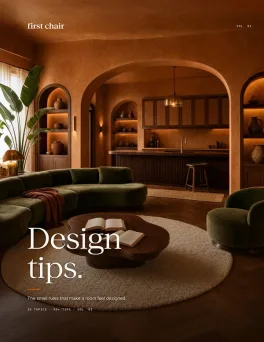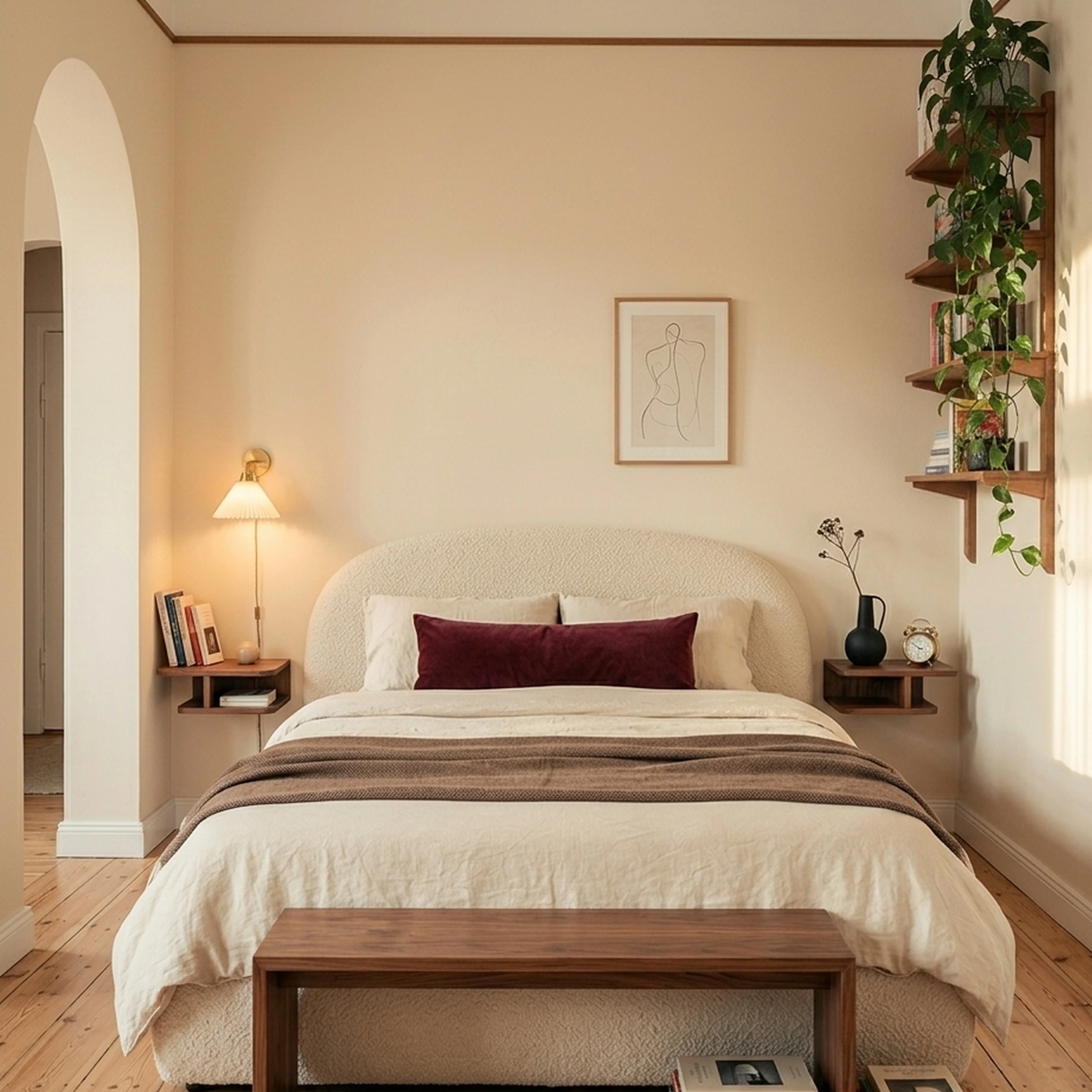
You just moved into a one-bedroom in Chicago after a breakup. The floors are better than the listing photos suggested. The windows face west, which means the light gets good around 6:30. But the room still looks temporary three months later. There's a half-built CB2 media console leaning against the wall, a Facebook Marketplace chair you already regret, and 27 open tabs comparing rugs that all somehow look identical.
The deeper problem is not taste. You already know the room you want. It's the gap between the saved inspiration and the moment you actually commit to pieces that work together.
Collov AI built its reputation on fast virtual staging for real estate, generating room renders in seconds for agents and developers. But furnishing the place you actually live in is a different job entirely. A photorealistic render means very little if the sofa can't be bought, the scale is off, or the room falls apart the second you try sourcing everything yourself.
These seven alternatives approach the problem from different angles. Some focus on floor planning. Some lean into visualization. One, First Chair, helps you turn inspiration into a finished room with real, buyable pieces from brands like West Elm, CB2, Crate & Barrel, Lulu & Georgia, and Article.
Key Takeaways
- First Chair is where every piece shown is real and buyable, pulling curated furniture from multiple retailers rather than generating renders of furniture that doesn't exist
- Collov AI excels at speed for real estate staging with under 15-second generation times, but its focus is professional property marketing rather than helping homeowners furnish
- Decor8 AI offers 56+ aesthetic directions and unlimited monthly designs, making it useful for visual exploration without purchase intent
- Planner 5D serves a different need entirely with 120 million users focused on 3D floor planning and room layout rather than furniture discovery
- AI design generators often create a gap between visualization and purchase, showing rooms filled with furniture that requires separate searching, sourcing, and verification to actually buy
1. First Chair: Real Furniture, Real Rooms, Real Purchases
First Chair approaches interior design from the opposite direction of AI room generators. Instead of creating beautiful renders and leaving you to figure out where to buy the pieces, First Chair starts with furniture that actually exists and builds cohesive rooms around it.
What Sets It Apart:
- Every piece shown comes from real retailers and is actually purchasable
- Curates across West Elm, CB2, Crate & Barrel, Pottery Barn, Lulu & Georgia, Article, and brands you haven't discovered yet
- Interprets nuanced style language like "Scandinavian with walnut warmth" or "minimalist with texture"
- Insider pricing on pieces through member savings
- Eliminates the gap between saving inspiration and having a finished room
How It Works:
Upload a photo of a room you love, whether that's your empty apartment, a cafe in Copenhagen, or a hotel lobby that felt exactly right. Describe what you're after in whatever language makes sense to you. First Chair generates curated room concepts using real sofas, rugs, lighting, and decor that work together and ship to your door.
The difference becomes obvious when you try to act on a design. With AI room generators, you screenshot the render, then spend hours reverse-engineering what pieces might look similar. With First Chair, you click and purchase. The room you see is the room you can have.
For someone furnishing a first apartment in Austin or finally pulling together a living room in Chicago after two years of "temporary" furniture, this solves the actual problem.
2. Collov AI: Fast Virtual Staging for Real Estate
Unless you’re a real estate agent, Collov is probably the wrong category of tool for you. Virtual staging helps sell a home. It doesn’t help you furnish one. The render might look polished, but you’re still left figuring out what to actually buy, what fits your layout, and how to pull the room together in real life. If your goal is creating a home you genuinely want to live in, not just photograph well for Zillow, you’ll want something built around real, shoppable pieces instead of staging visuals alone.
To be fair, Collov AI is built around speed and volume. The platform generates staged room images in under 15 seconds, making it popular with agents who need to quickly visualize empty listings for buyers.
What it does well:
Collov is built for fast-moving listing workflows. Agents can take an empty room, generate a polished staged version in seconds, remove existing furniture from photos, test different finish directions like cabinet colors, and create twilight-style exterior shots without booking another photographer. The API access also makes sense for brokerages or teams processing large volumes of properties every week.
How it differs from First Chair: Collov is built for selling the property. First Chair is built for living in it.
3. Decor8 AI: Comprehensive Design Exploration

Decor8 AI leans hard into exploration. With 56+ design styles, paint visualization tools, countertop and cabinet styling, plus mobile apps and developer integrations, it’s built for people who want to keep trying different looks before committing to one.
But if you already have an image in mind and are already tired of endless inspirations that bring you nowhere, Decor8 might just add to the inspiration paralysis you’re already suffering from.
What it does well:
Decor8 gives you a fast way to test aesthetic directions across different room types without needing design software experience. You can quickly swap between warmer wood kitchens, darker cabinet finishes, lighter paint palettes, or entirely different room moods to see what resonates before committing. The mobile apps and API access also make it flexible for people who want design exploration across devices or workflows.
With 50,000+ users, Decor8 clearly resonates with people who enjoy the browsing and visualization side of interiors. It’s good for trying on different looks quickly and seeing how a space could shift visually.
How it differs from First Chair: First Chair is built for someone ready to stop experimenting and start furnishing.
4. Planner 5D: 3D Floor Planning and Room Layout
Planner 5D takes a completely different angle from most tools on this list. Instead of focusing on furniture styling or inspiration images, it’s built around floor planning, room layouts, and spatial visualization. With more than 120 million users, it’s one of the more established names in home design software.
If you’re renovating, reworking a floor plan, planning a kitchen remodel, or trying to figure out whether an apartment-scale sectional will block the walkway from the kitchen to the living room, Planner 5D is genuinely useful.
What it does well:
Planner 5D helps people think spatially. You can build rooms in 2D or 3D, test layouts before moving furniture, walk through spaces virtually, and use AR to understand scale inside a real room. The huge catalog of decor pieces gives enough flexibility to map out room flow and functionality before committing to purchases. It’s especially useful for people dealing with awkward layouts, renovations, or rooms where dimensions matter more than aesthetics at the start.
How it differs from First Chair: One is a layout tool. The other is an actual friend who will help you buy the room.
5. Homestyler: 3D Visualization for Design Professionals
Homestyler is built for designers, architects, and people comfortable spending hours inside rendering software. With photorealistic visualization, floor plan imports, advanced lighting controls, and a library of 300,000+ 3D models, it’s closer to professional design software than a furnishing tool.
What it does well:
Homestyler is strong for client presentations, renovation proposals, and highly detailed room visualization. If you need polished renders that look presentation-ready, it delivers.
But unless you’re a design professional, it’s probably too much software for the problem you actually have. Most people don’t need a cinematic 3D walkthrough. They need help choosing the right sofa, rug, lighting, and layout without turning furnishing into a second job.
Homestyler shines for professionals creating client presentations or detailed design proposals. The learning curve reflects its professional orientation.
How it differs from First Chair: Homestyler helps professionals present concepts. First Chair helps normal people make confident purchasing decisions.
6. REimagineHome: Built for Listings
REimagineHome is squarely aimed at real estate agents and property marketers. The platform focuses on fast staging, before-and-after visuals, and buyer-persona rendering designed to help listings feel more emotionally appealing online.
What it does well:
REimagineHome is good at making empty, outdated, or awkward spaces photograph better. The instant renders and buyer-focused staging styles help agents create polished listing images quickly without physically staging a property.
But if you’re furnishing your own home, the experience can feel strangely detached from real life. The goal is getting someone to imagine living there, not actually helping them make furnishing decisions they can buy, budget for, and live with long term.
How it differs from First Chair: One is optimized for selling the property. The other is optimized for helping you finally pull the room together with real, shoppable pieces.
7. Spacely AI: Professional Architectural Rendering
Spacely is strong when the goal is communication. It’s built for architects, interior designers, and visualization professionals who need polished architectural renders, not casual furnishing help. The platform focuses on high-resolution output, design iteration, and presentation-quality visuals for client work.
What it does well:
Architects can quickly generate multiple design directions, refine concepts visually, and produce renders polished enough for stakeholder presentations or client approvals. The output quality is genuinely professional-grade.
But unless you already think like a designer, it’s probably the wrong workflow. Most homeowners don’t need ultra-detailed renders. They need help narrowing choices, building a cohesive room, and knowing which pieces are actually worth buying.
How it differs from First Chair: Spacely helps professionals present ideas. First Chair helps homeowners make decisions.
Between Visualization and Reality
AI room generators create beautiful images of spaces that don't exist, filled with furniture you can't buy. They solve the inspiration problem while ignoring the execution problem.
You save the render. You screenshot the sofa. You spend the next three hours trying to find something similar. The performance velvet sectional in the image turns out to be a figment of the AI's imagination. The walnut coffee table with the rounded edges doesn't ship to your zip code. The rug was never real.
First Chair exists because that gap between seeing and having is where rooms get stuck. The Pinterest board keeps growing. The tabs multiply. The room stays empty or filled with placeholder furniture that was supposed to be temporary.
Turning inspiration into a room you actually live in requires more than visualization. It requires furniture that exists, ships, and works together. That's the problem worth solving.
Frequently Asked Questions
What makes First Chair different from other AI interior design alternatives?
First Chair is where every piece shown is real, purchasable furniture from actual retailers. While Collov and similar generators create visualizations with furniture that may not exist, First Chair curates across West Elm, CB2, Crate & Barrel, Pottery Barn, and other brands to build rooms you can actually buy.
Is Collov AI good for furnishing my own home?
Collov AI works well for its intended purpose: fast virtual staging for real estate listings. If you're furnishing your own home, you'll find that the furniture in Collov renders isn't linked to actual products. You'd still need to source, find, and verify every piece separately. First Chair is built specifically for homeowners who want to purchase what they see.
Can I use free AI interior design tools effectively?
Free tiers exist on platforms, but they typically offer limited renders or watermarked outputs. Decor8 AI provides a free trial, Planner 5D offers a free tier with restrictions, and Collov gives credits to start. For serious furnishing decisions, the value often comes from paid features or, in First Chair's case, access to insider pricing that can offset costs through furniture savings.
How does First Chair handle different design styles?
First Chair interprets nuanced style language rather than forcing you into generic categories. Instead of choosing "modern" or "traditional," you can describe what you want in natural terms: Scandinavian with walnut and oak warmth, mid-century with rounded arms and warm leather, or minimalist with weight and lived-in materials. First Chair translates that into cohesive room concepts using real furniture that fits the aesthetic.
Do AI room generators show furniture I can actually buy?
They typically do not. Collov, Decor8, REimagineHome, and similar visualization tools generate images using AI that combines elements into rooms that look realistic but contain furniture that doesn't exist as shown. First Chair is built differently, starting with real, in-stock pieces from multiple retailers and generating room concepts around furniture you can purchase directly.