
You just started a new job in Seattle. The apartment has good bones, tall windows, and a layout that could work if you knew what to put in it. You've saved 43 pins of living rooms that feel right, but none of them translate to a shopping list. You try an AI design tool hoping it'll bridge that gap. The render looks great. The sofa looks perfect. Then you realize that sofa doesn't exist anywhere you can buy it.
This is the core tension with AI interior design tools in 2026. Some generate beautiful images of rooms. Others help you furnish actual spaces with real pieces. Collov AI falls firmly in the first category. It's excellent at what it does, but what it does might not be what you need. If you're looking for shoppable alternatives, the market has evolved significantly since Collov launched in 2019.
Key Takeaways
- Collov AI is built for real estate staging, not home furnishing. If you're a real estate agent marketing empty listings, Collov's 10-15 second turnaround makes sense. If you're furnishing your own apartment, you'll end up with renders of furniture you can't actually buy.
- The tool works for high-volume listing photography. Real estate professionals can stage multiple properties for a fraction of traditional staging costs.
- The furniture in Collov's renders isn't shoppable. You'll see beautiful sofas and coffee tables, but they're AI-generated. If you want that specific West Elm sectional or CB2 lamp, you'll need to reverse-engineer the look yourself.
- For homeowners who need to actually buy furniture, the tool leaves a gap. Collov solves the "make this listing look furnished" problem. It doesn't solve the "what couch should I buy for my one-bedroom" problem.
Understanding the AI Interior Design Landscape in 2026

The AI interior design space has split into two distinct categories, and confusing them leads to frustration.
Render tools
These generate images of rooms styled with AI-created furniture. They're fast, visually impressive, and useful for real estate marketing. The furniture looks real but isn't linked to products you can purchase.
Shoppable design tools
These create room concepts using actual furniture from real retailers. Every piece you see can be added to a cart and delivered to your door.
Collov AI sits squarely in category one. Founded in 2019 and headquartered in Redwood City, it positions itself as an "AI-first listing marketing agent for real estate." The company has built a user base primarily of real estate agents and property photographers who need to stage empty listings quickly.
The distinction matters because the problems are different:
- Real estate agents need speed. An empty listing needs to look furnished before the open house Saturday. Accuracy to purchasable products is irrelevant.
- Homeowners need answers. You're not staging a photo. You're buying a sofa you'll sit on for years. You need to know it exists and where to get it.
Understanding which problem you're solving determines whether Collov makes sense for you.
Collov AI: A Closer Look at Its Core Features
Collov's feature set reflects its real estate focus. Here's what it actually offers:
- Virtual staging speed: The standout feature is 10-15 second generation times for staged room images. For agents processing dozens of listings, this speed matters.
- Style presets: Collov offers over 40 preset styles covering modern, traditional, Scandinavian, and other common aesthetics. You pick a style, upload a room photo, and the AI applies that look.
- Material overlay: Higher tiers allow you to change walls, floors, and cabinets in the image. Useful for showing buyers how a space could look with different finishes.
- Twilight conversion: The tool can transform daytime exterior photos into dusk shots, a common real estate photography enhancement.
- 360-degree virtual tours: Premium tier users can create immersive tours from panoramic images.
- AI chat editing: Advanced users can make specific adjustments through conversational prompts rather than starting over.
What Collov doesn't offer is equally important:
- No connection to actual furniture products
- No multi-retailer shopping integration
- No way to purchase what you see in renders
- No room concepts built from real inventory
The tool excels at generating marketing images. It's not designed to answer "where can I buy this?"
How Collov AI Compares to Leading Interior Design Software
The competitive landscape in 2026 includes planning tools, render tools, and shoppable platforms. Collov's position becomes clearer when you see where it fits.
- Against planning tools like Planner5D and Floorplanner: These focus on layout and space planning with drag-and-drop furniture placement. Collov doesn't do floor plans or dimensional layouts. It transforms photos into styled images.
- Against other render tools like InteriorAI and RoomGPT: Similar capabilities with slight variations in speed and style options. Collov's edge is its real estate-specific features like twilight conversion and listing compliance tools.
- Against shoppable platforms: This is where the gap widens. Tools focused on AI-assisted interior design with real products solve a fundamentally different problem. They're helping you furnish a home, not market a property.
Collov AI vs. Practical: The Realism Challenge of AI Designs
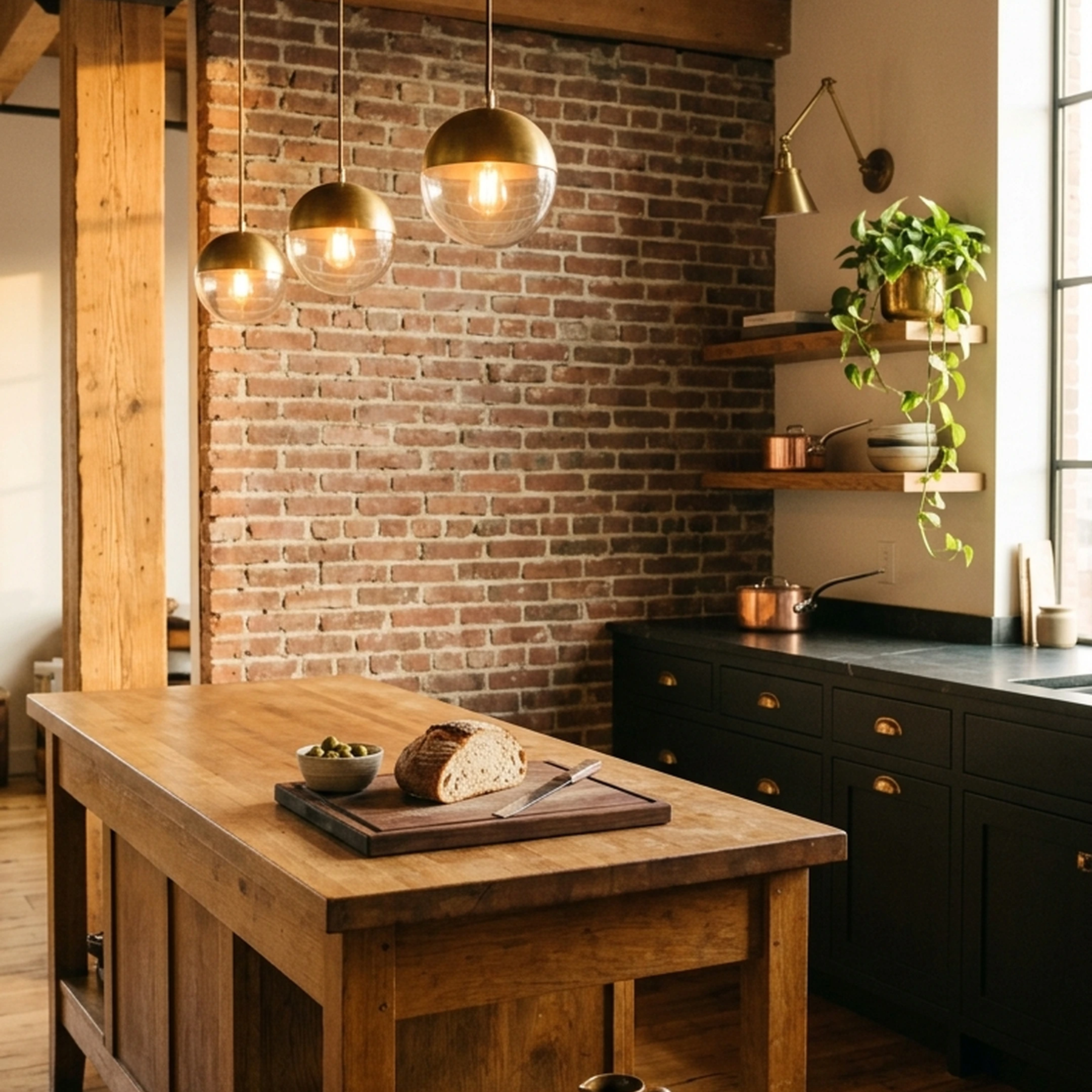
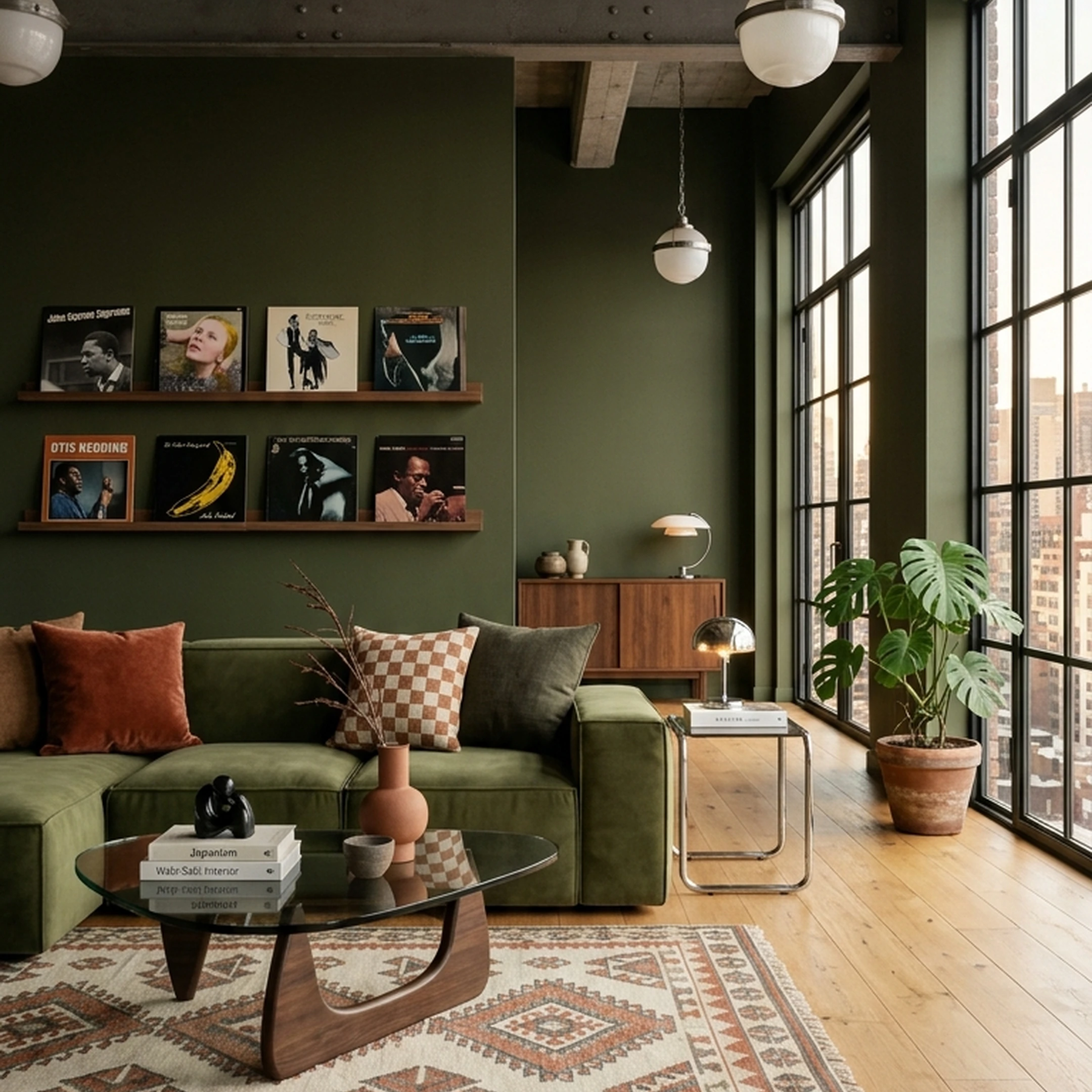
Here's the uncomfortable truth about most AI interior design renders: the furniture doesn't exist. That gorgeous mid-century sectional with the walnut legs and performance velvet upholstery? AI-generated. The brass floor lamp casting perfect light in the corner? Fabricated. The rug that ties the room together? A mathematical approximation of what a rug might look like.
This creates a specific problem for anyone trying to actually furnish a space. You see a render you love, then spend hours trying to find pieces that look similar. The Article sofa you find has different proportions. The CB2 lamp has a different base. The Lulu and Georgia rug comes in different dimensions. The cohesive look from the render falls apart when translated to real products.
Real estate agents don't have this problem because they're not buying the furniture. The render serves its purpose when a buyer walks through and can imagine the space furnished.
Collov AI's Place Among Shoppable Design Platforms
The shoppable interior design category barely existed when Collov launched in 2019. Today, it's a distinct market segment with different economics and use cases.
Collov's approach reflects its intended audience: real estate agents staging multiple listings. The tool is optimized for speed and volume rather than creating purchasable room concepts.
Shoppable platforms operate on different models. You're not paying for renders. You're getting room concepts with pieces you can buy, often at better-than-retail prices.
- After a Collov render: Screenshot it, identify pieces that look similar, open tabs for West Elm, CB2, Article, Crate and Barrel, try to match proportions, hope the colors work together, second-guess everything
- After a shoppable design concept: Add to cart
If furniture shopping behavior tells us anything, it's that the gap between inspiration and purchase is where most people get stuck. Collov extends that gap. Shoppable tools close it.
Beyond Renders: Collov AI for Planning and Layout
Collov doesn't do space planning in the traditional sense. If you need to figure out whether a 90-inch sofa fits in your 12-foot living room with clearance for the coffee table and pathway to the kitchen, Collov won't help. It transforms photos, not floor plans.
For dimensional planning, tools like Planner5D, Floorplanner, and HomeByMe remain the standard. They let you input room measurements, place furniture with specific dimensions, and verify that pieces actually fit before you buy. Collov's sweet spot is transforming an empty room photo into a furnished-looking image. It assumes the room exists as photographed. It doesn't help you figure out furniture placement, traffic flow, or scale relationships.
This matters for homeowners because furniture that doesn't fit is furniture you'll return. And furniture return rates remain a significant pain point in the industry. Getting the visuals right means nothing if the 84-inch sectional blocks the doorway.
Collov AI: A Tool for Confident Design Decisions?
Confidence in furnishing decisions comes from knowing three things:
- The piece fits the space
- The piece works with other pieces
- The piece can actually be purchased
Collov addresses none of these directly. It shows you what a room could look like with furniture that may or may not exist, in arrangements that may or may not fit the actual dimensions.
For real estate staging, this is fine. The goal is aspiration, not accuracy. Buyers understand staged photos represent potential, not a purchasing guide.
For homeowners trying to stop overwhelming yourself, Collov can actually increase decision fatigue. You see a beautiful render, fall in love with the look, then face the daunting task of recreating it with real products. Each piece requires research. Each substitution risks breaking the cohesion.
Why First Chair
First Chair is built for the moment you're ready to stop collecting inspiration and start furnishing your home. Instead of generating rooms filled with imagined furniture, it creates cohesive room concepts using real pieces from West Elm, CB2, Crate & Barrel, Pottery Barn, Article, Lulu & Georgia, and other design-forward brands. Every recommendation is selected to work together, so you're not left guessing whether the sofa, rug, lighting, and coffee table will actually feel cohesive in your space.
Rather than asking you to choose from preset styles, First Chair interprets how people naturally describe their taste. Maybe you want Scandinavian with warm walnut tones, a lived-in modern living room with linen and oak, or a boutique hotel feel with rich textures and aged brass. First Chair translates that direction into a room you can actually recreate, with real furniture you can browse, compare, and buy.
That's the difference. Collov helps you imagine what your room could look like. First Chair helps you create the room you'll actually live in.
Frequently Asked Questions
Can I use Collov AI renders to create a shopping list for my own home?
Technically yes, but expect significant effort. The furniture in Collov renders is AI-generated, not sourced from real products. You'll need to screenshot renders, identify pieces that look similar across multiple retailers, compare dimensions and materials, and hope the assembled collection maintains the cohesion of the original render. Many homeowners find this reverse-engineering process frustrating, especially when substitutions don't quite match the original vision.
Does Collov AI work for rental apartments with specific landlord restrictions?
Collov doesn't account for rental constraints like paint restrictions, fixture limitations, or lease-specific rules about wall mounting. The renders show idealized versions of spaces without considering what changes are actually permitted. If you're working within rental limitations, you'll need to evaluate each element of a render against your specific lease terms before attempting to recreate anything.
What happens to my Collov subscription if I only need it for one project?
Collov operates on monthly subscription tiers with credit-based usage. Once you cancel, you lose access to unused credits. Some users report difficulty with the cancellation process and unexpected charges after attempting to end their subscriptions. If you're considering Collov for a single project, read the cancellation terms carefully and monitor your billing statements after you stop using the service.
How does Collov handle rooms with unusual layouts or architectural features?
The AI sometimes struggles with alcoves, angled walls, built-ins, and unusual window placements. Some users report the AI removing architectural features or altering room proportions in ways that misrepresent the actual space. For rooms with distinctive layouts, preview renders carefully before using them professionally.
Is Collov AI appropriate for commercial interior design projects?
Collov includes commercial licensing in all tiers, making it technically suitable for professional use. However, the tool is optimized for residential real estate staging rather than commercial interior design. Restaurants, retail spaces, and offices have different requirements around durability, traffic flow, and brand alignment that Collov's residential-focused presets don't address.
Can Collov AI help me visualize renovations before I commit to construction?
Collov can show different finishes, materials, and furniture arrangements, but it doesn't handle structural changes or construction planning. If you're considering knocking down walls, adding windows, or changing the room's footprint, you'll need CAD software or architectural tools. Collov works best for visualizing how to style existing spaces, not how to rebuild them.
Does Collov AI work with photos taken on my phone, or do I need professional photography?
Collov accepts phone photos, but image quality affects results. Well-lit photos taken from appropriate angles produce better renders. Extremely dark images, photos with heavy distortion, or shots taken from awkward angles may confuse the AI and produce unrealistic results. For best outcomes, take photos in good lighting with the camera at eye level, capturing the full room without extreme wide-angle distortion.