Data on why furniture gets returned, what it costs, and how visualization tools are changing the odds
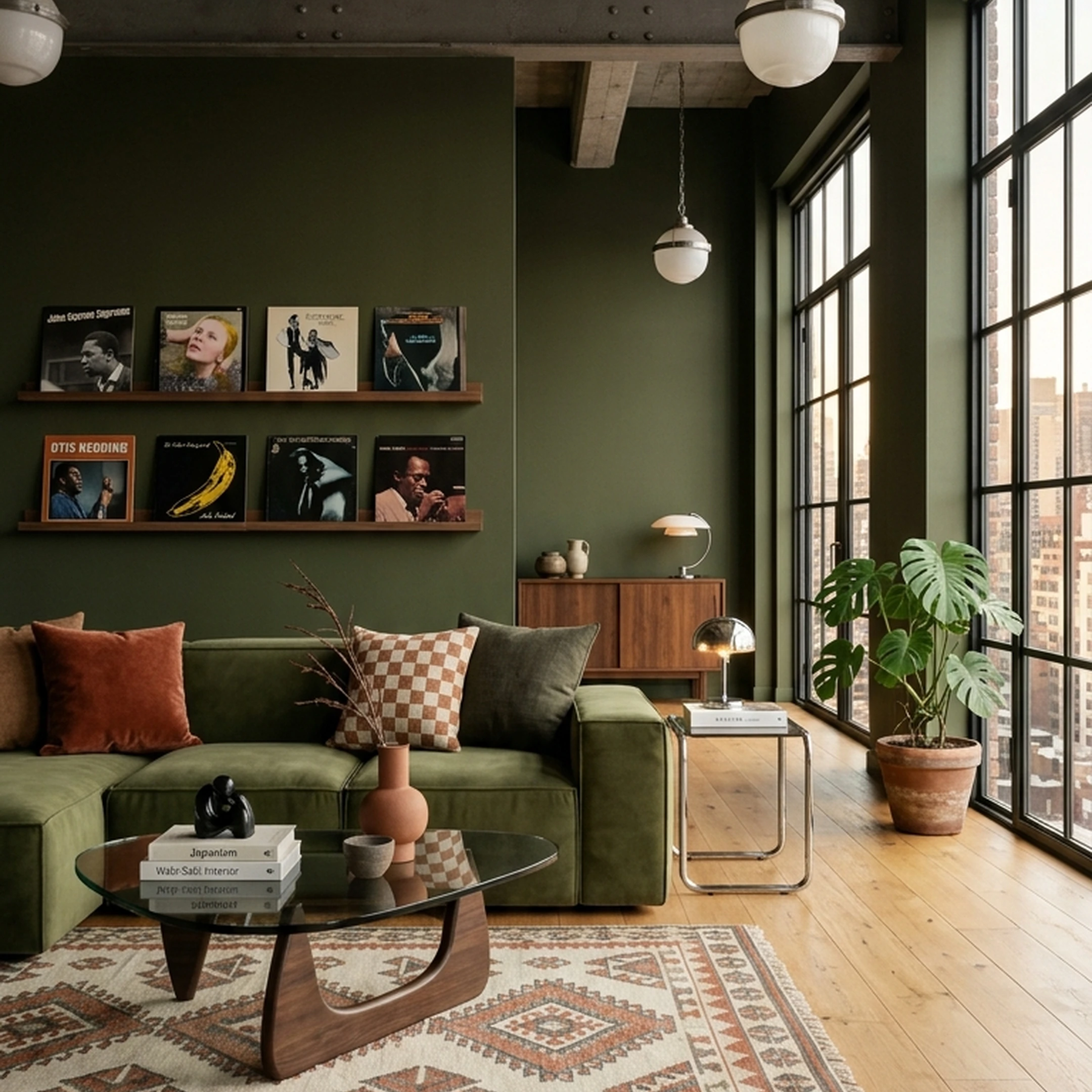
Three months after moving to Denver, the apartment still looks temporary. The art is leaning against the wall instead of hung, the Facebook Marketplace coffee table never quite worked with the rug, and every night you end up back on Pinterest saving the same warm, collected living rooms you still haven't figured out how to recreate. Meanwhile, there's a CB2 media console sitting in your cart and a low-level fear that it's either going to arrive way too small or completely block the walkway to the kitchen. You're not overthinking it. Online furniture returns run between 19% and 20.5%, and most of them come down to one thing: people couldn't actually picture how the piece would work in their space. First Chair exists to close that gap, turning inspiration into real, shoppable concepts with pieces from West Elm, Crate & Barrel, Lulu & Georgia, Pottery Barn, and the brands you already trust enough to keep reopening in new tabs.
Key Takeaways
- Returns cost more than you think. Processing a single furniture return can cost 20-65% of value, and those costs get baked into retail pricing.
- Bad return experiences kill loyalty. About 80% of shoppers say they won't return to a retailer after a disappointing returns process.
- Mobile discovery creates desktop decisions. 58% of shoppers browse furniture on their phones but finish purchases on larger screens.
- Most furniture returns have nothing to do with quality. They happen because scale, proportion, and layout feel different once the piece is actually in the room.
- The real friction in online furniture shopping is not lack of inspiration. It’s the gap between “I like this room” and “I know exactly what to buy.” Tools that connect inspiration directly to real, purchasable pieces are closing that gap faster than traditional browsing workflows.
How Often Furniture Actually Gets Returned
1. U.S. retailers processed over $890 billion in returns in 2024
The National Retail Federation reports that total retail returns hit $890 billion in 2024, representing 16.9% of all retail sales. Furniture accounts for a disproportionate share of that cost due to size, weight, and shipping complexity. Tools like First Chair help reduce this by showing you exactly how pieces work together before you buy.
2. Ecommerce return rates average 20.4%, projected to hit 24.5% by 2025
The average ecommerce return rate reached 20.4% in 2024, with projections pushing toward 24.5% by 2025. Furniture sits right in that range, and the trend line keeps climbing.
3. Online furniture return rates jump to 18-25%
When the same furniture gets bought online, return rates climb to 18-25%. That gap between 5% and 25% represents the cost of buying something you've never seen in person. First Chair bridges this gap by letting you see real furniture in room concepts before you commit to anything.
4. Over 71% of U.S. consumers buy at least one furniture piece online annually
Despite the return risk, 71% of U.S. consumers now purchase furniture online each year. The convenience wins, even when the uncertainty costs. Most shoppers would rather gamble on color, scale, and comfort than spend another weekend driving between showrooms.
5. Furniture e-commerce penetration sits at 33% of total transactions
Online channels now account for 33% of furniture transactions in the United States. That share continues growing, making return management increasingly critical for the industry. The more furniture shopping shifts online, the more expensive bad fit, wrong scale, and style mismatch become for both brands and consumers.
6. 67% of consumers feel uncertain about furniture purchases made online
Without the ability to see and touch furniture in person, 67% of online shoppers report feeling uncertain about their purchases. This uncertainty directly correlates with higher return rates and explains why visualization matters.
Why Furniture Gets Returned

7. 12% of returns aren't caused by defects
Here's the uncomfortable truth: 12% of returns stem from over-purchasing or mismatched expectations, not broken products. People buy things they're not sure about, then change their minds. This is exactly the problem First Chair solves by showing you complete room concepts with real furniture before you buy anything.
8. Product damage during transit affects 31% of furniture returns
Logistics creates real problems. 31% of return cases involve damage during shipping. That West Elm sectional may leave the warehouse perfect and arrive with a crushed corner. Once bulky pieces move through multiple warehouses, trucks, and delivery teams, even a small mistake can turn into an expensive return.
9. Limited tactile evaluation concerns 28% of hesitant buyers
About 28% of buyers hesitate because they can't touch fabrics or test cushions online. Upholstery purchases feel particularly risky. Performance velvet sounds great in a product description, but you want to feel it before putting $2,000 on a sofa.
10. Approximately 20% of returns stem from shipping damage alone
Beyond the broader transit damage figure, roughly 20% of all furniture returns trace specifically to pieces damaged during shipping. The last mile is expensive and accident-prone. A scratched dining table or cracked marble top can turn a successful sale into a costly reverse-logistics problem overnight.
What Returns Actually Cost
11. Processing a return costs 20-65% of the piece's value
Forget the sticker price. Handling a single return costs retailers 20-65% of value. For a $1,200 Article sofa, that's $240 to $780 in processing costs before resale even becomes an option. By the time pickup, inspection, repackaging, warehousing, and markdowns enter the picture, even one return can erase the original margin entirely.
12. Direct costs can reach €100 per returned furniture piece
In European markets, transport, handling, and repackaging costs hit up to €100 per piece. That's roughly $110 gone before the furniture even gets inspected. For oversized pieces like dining tables, sectionals, and bed frames, reverse logistics can become almost as expensive as the original delivery itself.
13. U.S. retailers expect to lose over $100 billion annually to return costs
The total financial impact keeps growing. U.S. retailers anticipate losing over $100 billion annually to return-related expenses. Someone pays for that. Usually, it's you. Higher markups, stricter return policies, and rising delivery fees are often the downstream cost of a system flooded with expensive reverse logistics.
14. Returns and unsold stock account for up to 10% of lost revenue for furniture brands
Returns represent just one piece of the waste. Combined with unsold inventory and imperfect products, furniture brands lose up to 10% of potential revenue to these inefficiencies. The result is an industry constantly absorbing the cost of overproduction, failed purchases, and products that never quite make it from warehouse to long-term home.
15. Return merchandise value more than doubled between 2019 and 2024
The problem is accelerating. Total returned merchandise value more than doubled over five years, putting increasing cost pressure on retailers and manufacturers. Better visualization tools help slow this trend by reducing preventable returns.
Online vs. In-Store: The Channel Gap
16. Ecommerce return rates run 21% higher than overall retail
Online channels consistently underperform on returns. Ecommerce return rates sit 21% higher than overall retail averages, making digital-first furniture companies particularly vulnerable. When shoppers cannot test comfort, scale, texture, or color in person, expensive second-guessing becomes part of the business model.
17. Online returns hit 20-24% while in-store purchases see 8.72%
The channel split is stark: 20-24% online versus 8.72% in-store. Walking into a Crate & Barrel or Pottery Barn and sitting on furniture still produces better outcomes than clicking through product photos. Unless you're using tools that show you complete styled rooms with real furniture.
18. Home goods and furniture returns fall in the 15-20% range for fulfillment specialists
Industry fulfillment data shows home goods averaging 15-20% return rates. That's lower than apparel but significantly more expensive per return due to logistics complexity. Returning a sofa is not like mailing back a sweater. Every pickup requires scheduling, freight coordination, warehouse space, and often a product that can no longer be sold as new.
19. 72% of consumers prefer digital channels for discovery and comparison
Despite return challenges, 72% of consumers prefer browsing and comparing furniture online. The research happens digitally even when the purchase happens in person. First Chair meets people where they already are, turning that digital discovery into confident purchases.
How Visualization Technology Changes the Math
20. In 2019, Macy's reported VR-assisted furniture returns dropped to under 2%
In 2019, Macy's reported that furniture return rates fell to less than 2% for purchases made with VR assistance. That's a fraction of the industry average and shows what's possible when people can visualize before buying.
21. 41% of shoppers now use virtual room visualization tools
Adoption is growing fast. 41% of furniture shoppers already use virtual visualization tools, and those tools reduce product mismatch returns by 27%. The difference? First Chair uses real furniture from actual retailers instead of generic 3D models.
22. Virtual and augmented reality reduces return likelihood by 64%
When shoppers engage with VR or AR before buying, return likelihood drops by 64%. They're not just looking at a sofa, they're seeing it in their living room.
This is exactly where First Chair delivers. Instead of generating fantasy renders with fake furniture, First Chair creates room concepts using real, purchasable pieces from actual retailers. You see pieces that work together spatially and stylistically before committing to anything.
23. Retailers using AR see 40% higher conversion rates
Beyond reducing returns, visualization drives sales. Retailers implementing AR see 40% higher conversion rates because shoppers feel more confident clicking "buy" when they can see how pieces work in their space.
Consumer Behavior and Decision Patterns
24. 62% of consumers rely on images, dimensions, and reviews for decisions
Product photos, accurate measurements, and customer reviews drive 62% of purchase decisions. When any of those elements fall short, return rates climb. A sofa that looked warm beige online but arrives gray, or a dining table that technically fits but overwhelms the room, quickly becomes a return waiting to happen.
25. Customer reviews influence 67% of furniture purchase decisions
Reviews matter more than most marketing. 67% of purchase decisions hinge on what previous buyers say about scale, color accuracy, and quality. People trust someone who already wrestled the sectional through a Brooklyn walk-up more than a polished product description written by the brand itself.
26. Return policies impact 41% of buyer confidence
A clear, fair return policy influences 41% of buyer confidence when shopping online. Generous policies reduce hesitation but increase actual returns. It's a balance. The easier a brand makes returns feel upfront, the more willing shoppers become to take a chance on a large purchase they have never seen in person.
27. 80% of consumers won't return after a bad returns experience
Loyalty evaporates after difficult returns. 80% of online shoppers say they're less likely to purchase again from retailers that made returns painful. The return experience shapes the relationship.
28. 58% of shoppers browse on mobile but purchase on desktop
The buying journey is split across devices. 58% of shoppers browse furniture on their phones but finish purchases on larger screens where they can see details more clearly. First Chair works seamlessly across both.
What This Means for Your Next Furniture Purchase
The data points to a straightforward conclusion: buying furniture online carries real risk, but that risk is mostly about uncertainty rather than product quality. You're not worried the sofa will fall apart. You're worried it'll look smaller than expected, clash with your rug, or arrive in a shade that reads entirely different from the photos.
Visualization closes that gap. Seeing pieces in context, scaled to your actual room dimensions, reduces the guesswork that leads to returns. First Chair approaches this differently than most AI room tools. Instead of generating pretty pictures with furniture that doesn't exist, First Chair pulls real pieces from West Elm, CB2, Pottery Barn, Lulu & Georgia, Rejuvenation, and Article into cohesive room concepts you can actually purchase.
The result is fewer tabs, less second-guessing, and rooms that come together the way you imagined them. That's the point of these statistics: returns are expensive, common, and almost always preventable with better visualization upfront.
Frequently Asked Questions
What is the average return rate for online furniture purchases?
Online furniture return rates typically range from 18% to 25%, compared to 5-10% for traditional in-store purchases. The gap reflects the difficulty of judging scale, color, and material quality from product photos alone.
How can I minimize the risk of returning furniture bought online?
Start by measuring your space precisely, including doorways and hallways the furniture needs to pass through. Read reviews for insights on color accuracy and scale. Most importantly, use visualization tools that show pieces in room context before buying. First Chair generates concepts with real furniture from multiple retailers, helping you see how pieces work together before committing.
Do AI interior design tools help reduce furniture returns?
Visualization technology consistently reduces furniture returns by up to 40%. The key difference is whether the tool shows real, purchasable furniture or generates fantasy pieces that don't exist. Tools using real products from actual retailers, like First Chair, provide actionable guidance that generic AI renderers can't match.
Why do so many people return furniture they bought online?
About 80% of returns happen because of mismatched expectations rather than defects. People misjudge scale, colors look different in person, or pieces don't work with existing furniture. Damage during shipping accounts for another 20-31% of returns. Better visualization before purchase addresses the first problem; careful retailer selection addresses the second.