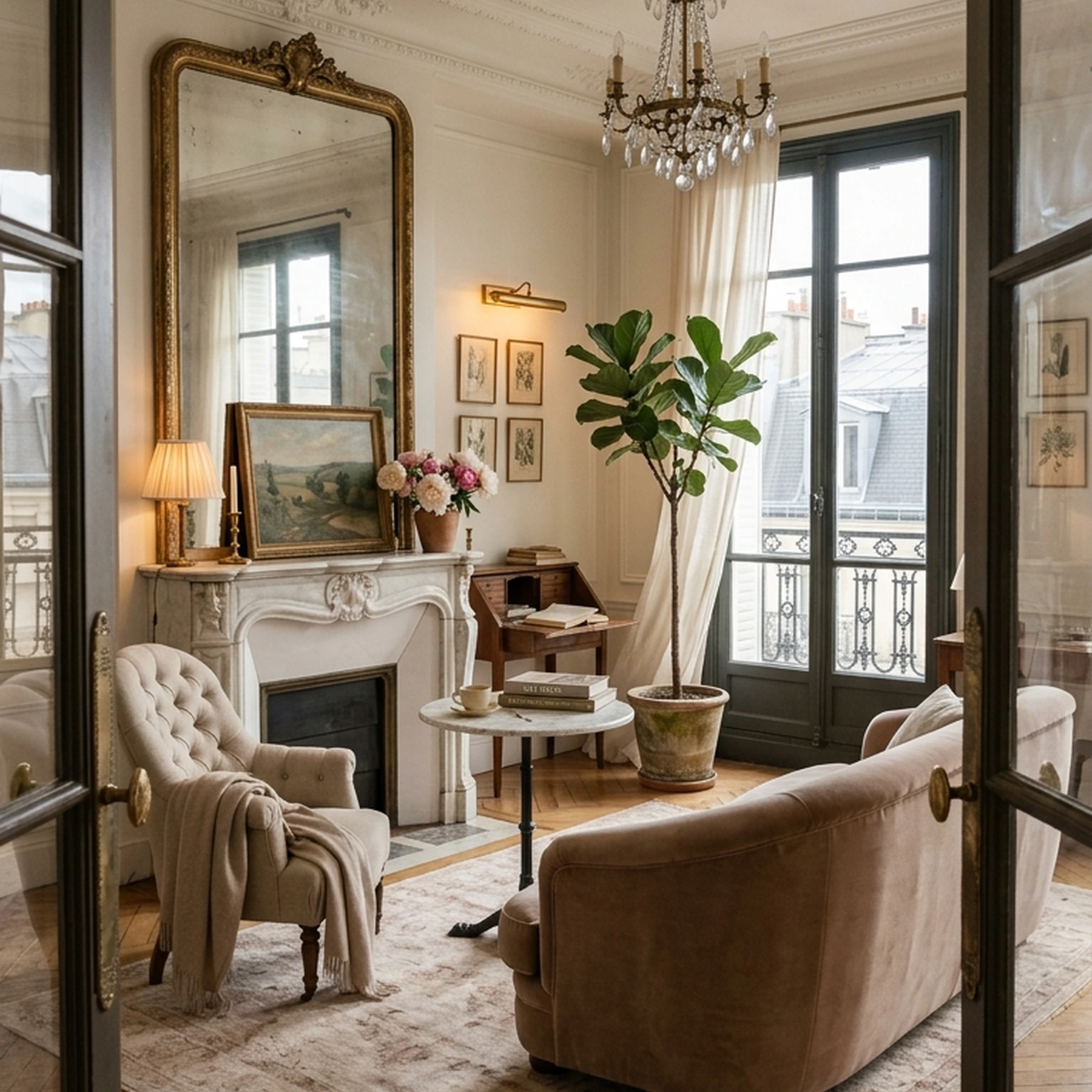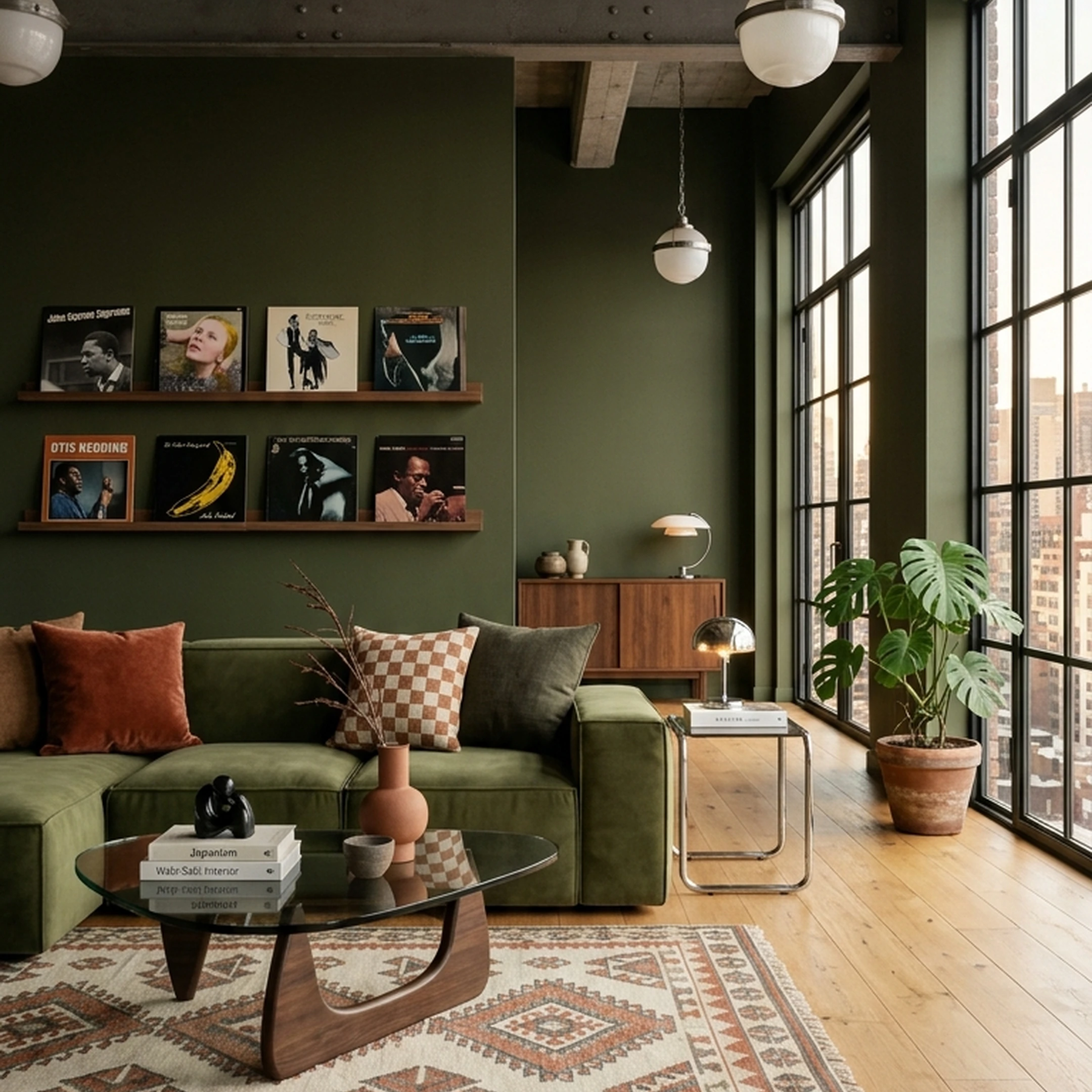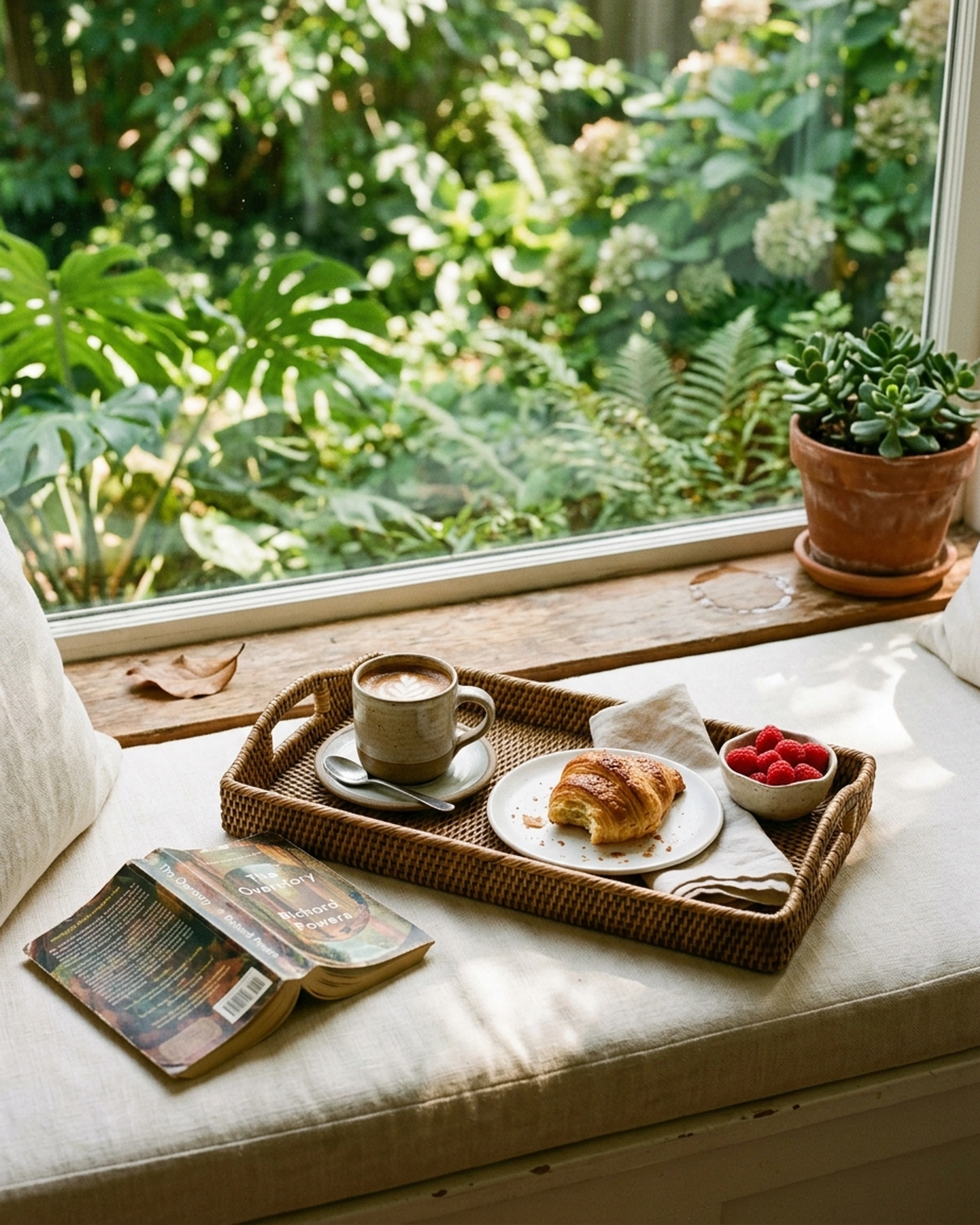

You watched the Owens sisters move through that Victorian in Salem, and somewhere between the overgrown garden and the kitchen full of glass jars and copper pots, you stopped watching the movie and started mentally rearranging your living room. That feeling is specific, and it is not about architecture. It is about the accumulated weight of objects that look like they belong, light that comes from everywhere except the ceiling, and walls that have clearly been lived against for decades. The house works because it feels inhabited, not decorated.
The good news is that almost none of what makes that house feel the way it does requires a contractor. The moody colors, the layered lighting, the apothecary kitchen, the slightly overgrown garden: these are cosmetic choices, not structural ones. Homeowners in 2026 are budgeting around $2,771 for cosmetic projects on average, compared to $5,933 for structural work. The Practical Magic aesthetic lives almost entirely in that first category.
This guide breaks down the house element by element, with specific, actionable ideas you can execute in a real apartment or home on a real budget. No turrets required.
What you will learn in this guide:
- Which exterior paint combinations read Victorian without a full repaint
- How to build a slightly wild, overgrown garden with $200 and a local nursery
- Which interior color directions work room by room
- Where to source authentic vintage pieces without paying antique-shop prices
- How to build a layered lighting scheme that eliminates harsh overhead light
- How to recreate the apothecary kitchen through organization, not renovation
- Which DIY trim projects deliver the highest visual impact for under $300
- How to transform an entry or porch for under $500 total
Key Takeaways
- The Practical Magic aesthetic is achievable almost entirely through cosmetic changes: paint, lighting, plants, and thrifted decor rather than structural renovation.
- Average cosmetic renovation budgets sit around $2,771 in 2026, which covers most of what this style requires.
- Layered warm lighting (multiple small sources instead of one overhead fixture) is the single highest-impact change you can make to any room.
- Thrift stores, Etsy, and post-Halloween clearance sales are the most efficient sourcing channels for authentic vintage pieces on a budget.
- The apothecary kitchen look comes down to open shelving, glass jars, clear canisters, and herbs in clay pots, not a full kitchen remodel.
- Leaving roughly 40% of wall space open prevents the layered aesthetic from tipping into visual clutter.
- Full home remodels in 2026 typically run $150,000 to $350,000+, which is precisely why this guide focuses on the cosmetic layer.
- Start with one room or corner, build the feeling there first, then expand gradually.
What the Practical Magic Aesthetic Actually Is
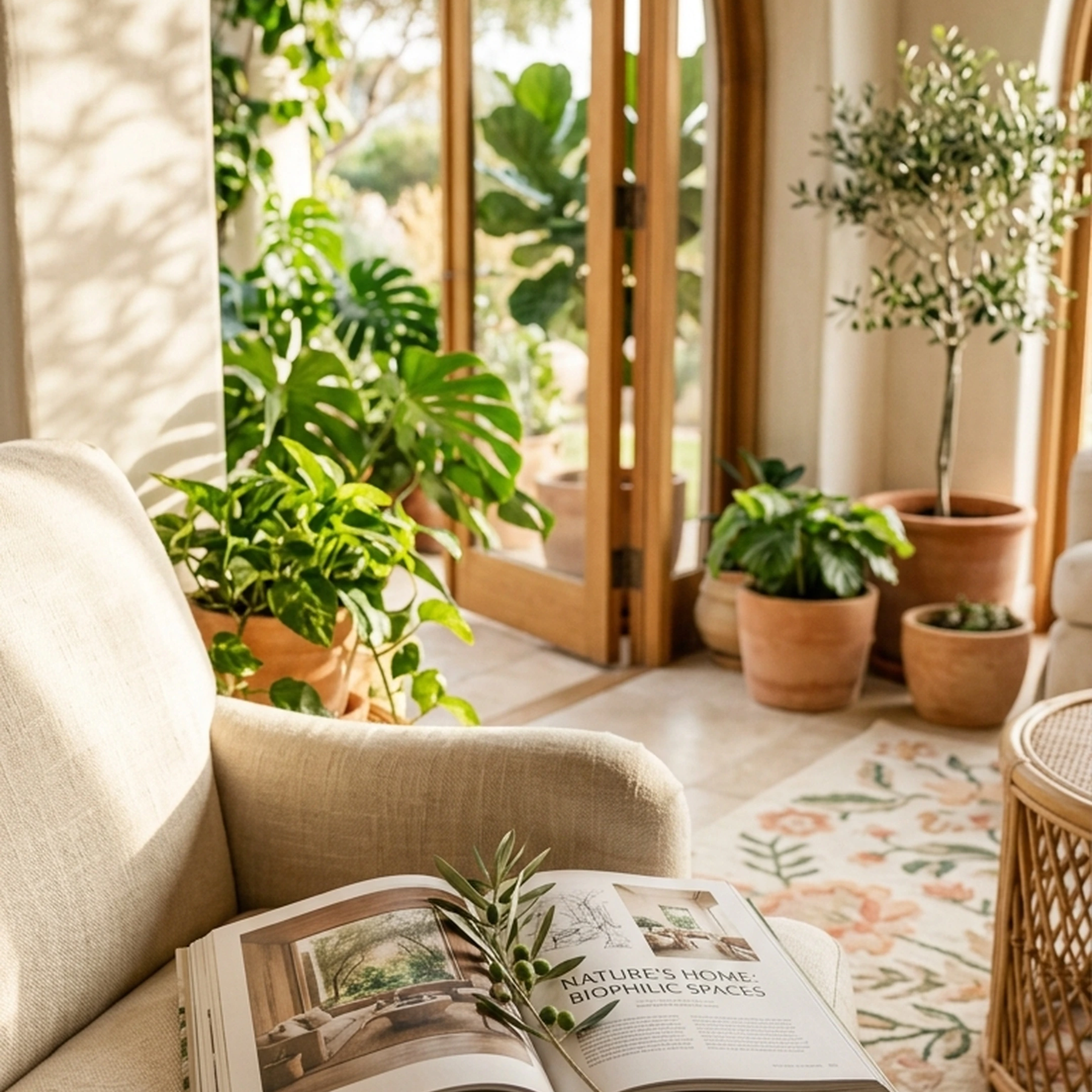
The Practical Magic house aesthetic is a layered, romantic interior style combining Victorian architectural references, apothecary-inspired organization, warm moody color palettes, and an abundance of natural elements to create spaces that feel accumulated over generations rather than purchased in an afternoon.
It sits at the intersection of cottagecore, witchcore, and vintage Victorian design. The defining characteristics are not any single element but the relationship between them: worn rugs under newer furniture, botanical prints alongside antique portraits, herbs in clay pots next to copper kitchen tools, and light that comes from a dozen small sources rather than one bright overhead fixture.
Design breakdowns of the film consistently identify the same core elements: beadboard walls, library-style lighting, stained glass fixtures, open shelving with glass jars, and a garden that looks tended but not manicured. None of these require structural renovation. All of them can be approximated through cosmetic choices, smart sourcing, and patient thrifting.
Why This Aesthetic Is Having a Moment Right Now
Cottagecore design trends in 2026 have moved decisively away from cool grays toward warm earthy neutrals: sage green, dusty rose, and terracotta. This shift aligns almost exactly with the Practical Magic color palette, which means the pieces and paint colors that recreate this look are currently easier to find than they have been in years.
The broader witchcore aesthetic emphasizes earthy outdoor colors, antique rustic furniture, and botanical or celestial wall art as its core vocabulary. These are all elements that translate directly from the film's interiors into real rooms.
There is also a practical dimension. Rising renovation costs have pushed design-minded homeowners toward surface-level upgrades rather than structural changes. A full home remodel in 2026 typically costs between $150,000 and $350,000+, with per-square-foot costs running $200 to $400 or more. That price range makes the cosmetic-first approach not just appealing but necessary for most people in the 25 to 45 age range.
UK housing design guidelines now explicitly state that green space access should be the norm for all new housing developments, linking nature integration to health and wellbeing. The Practical Magic garden is not just an aesthetic choice. It is aligned with a broader shift toward nature-connected living.
The timing is right. The materials are available. The budget threshold is achievable. What follows is how to actually do it.
Exterior Paint Colors and Curb Appeal: Achieving the House's Signature Look
The exterior of the Practical Magic house reads as a deep, slightly weathered Victorian with warm undertones. It is not a bright white farmhouse and it is not a stark gray contemporary. The palette sits somewhere between aged cream, dusty sage, and warm taupe, with darker trim that makes the architectural details pop.
Choosing the Right Exterior Color Combination
The house works because of contrast between body and trim. A warm taupe or dusty sage body with a deeper, slightly darker trim in the same color family creates the layered, Victorian-adjacent look without requiring new siding or architectural changes.
Benjamin Moore's historical color collections and Sherwin-Williams' earthy palettes both carry the muted, slightly faded tones that make a house look like it has been standing for a century. Look for colors described as "aged," "dusty," or "antique" rather than "bright" or "crisp."
A few combinations worth testing before committing:
Test paint samples in large swatches (at least 12 by 12 inches) on the actual exterior before committing. Colors shift dramatically between a paint chip and a full wall in natural light.
Small Exterior Details That Read Victorian
You do not need to add a turret to get the right feeling. A few targeted details carry significant visual weight:
- Replace standard house numbers with brass or aged bronze versions
- Add window boxes and fill them with trailing herbs or dark-leafed plants
- Swap a flat modern front door for one with glass panels or a more ornate profile, or simply paint the existing door a deep, unexpected color like plum, forest green, or near-black
- Install a simple iron or aged wood gate at the property line if your layout allows
These are all budget curb appeal moves that cost under a few hundred dollars total and shift the entire read of the house from the street.
Garden and Landscape Design: Creating the Overgrown, Magical Garden Aesthetic
The Owens garden is not a tidy suburban lawn. It is lush, slightly wild, and clearly tended by people who know their plants. Lavender grows in abundance. Roses climb. Herbs spill over stone paths. The overall effect is a garden that looks like it has its own intentions.
Plants That Carry the Practical Magic Feeling
Design breakdowns of the film's exterior consistently identify lavender, rosemary, thyme, and climbing roses as the core of the Owens garden. These are all relatively low-maintenance, widely available at local nurseries, and deeply evocative of the aesthetic.
A starter plant list for the Practical Magic garden:
- Lavender: Plant in clusters near pathways or the front entry. It smells extraordinary and looks romantic even when slightly overgrown.
- Climbing roses: Train along a fence, trellis, or porch railing. Deep pink or red varieties read more Victorian than pale blush.
- Rosemary and thyme: Plant in terracotta pots near the door or along a low border. They are functional and beautiful.
- Foxglove: Tall, dramatic, slightly ominous. Perfect.
- Dark dahlias or black-eyed Susans: Add depth and a slightly witchy color palette to the garden.
- Trailing ivy or Virginia creeper: Let it climb a fence or low wall. Nothing says "this house has been here a long time" like climbing vines.
Making a Small Garden Feel Overgrown and Intentional
The key is density. Plant in clusters rather than rows. Let herbs spill slightly over their containers. Use mismatched terracotta pots of different sizes grouped together rather than uniform planters in a straight line. Add a stone birdbath, a weathered wooden bench, or a simple iron lantern to create focal points that feel collected rather than purchased as a set.
For renters or apartment dwellers, a container garden on a balcony or stoop accomplishes most of the same effect. Five or six terracotta pots of varying sizes, planted with lavender, rosemary, trailing ivy, and one climbing rose trained up a simple trellis, creates the feeling of the Owens garden in a 4-by-6-foot space.
Interior Color Palettes and Wall Treatments: Moody Tones and Vintage Finishes
Inside the Practical Magic house, the walls are not white. They are warm, layered, and slightly moody without being dark enough to feel oppressive. The palette reads as aged cream in lighter rooms, warm sage or dusty green in others, with deep wood tones anchoring everything.
Color Directions by Room
Not every room needs to be the same tone. Part of what makes the Practical Magic house feel so layered is that each space has its own personality within a coherent overall palette.
A design analysis of the Practical Magic house specifically recommends painting a small space (like an entry or powder room) floor to ceiling in one shade as a low-risk way to test moody color before committing to a larger room. This is good advice. The entry is the right place to be brave.
Renter-Friendly Wall Treatments
If you cannot paint, peel-and-stick wallpaper has become genuinely good. Brands like WallPops and RoomMates Decor carry Victorian-inspired floral and botanical patterns that work well in small spaces like powder rooms, reading nooks, or accent walls. The key is restraint: one patterned wall in a room, not four.
Beadboard panels (available at Home Depot and Lowe's as paintable MDF sheets) can be installed with construction adhesive and painted to create the Victorian wainscoting look without permanent structural changes. This is one of the highest-impact DIY home improvement moves you can add to a room for under $200.
Vintage and Thrifted Decor: Finding Authentic Pieces on a Budget
The Practical Magic house does not look like it was furnished in a single afternoon. It looks like objects have been accumulating there for generations. That feeling is almost impossible to buy new and very easy to find secondhand.
As design guides for this aesthetic consistently note, the key is layering modern and vintage pieces together. You do not need everything to be antique. You need the vintage pieces to be specific and real enough that they anchor the newer ones.
What to Look for When Thrifting for This Aesthetic
Witchy decor sourcing guides identify a few categories of objects that carry the most visual weight in this style:
- Apothecary bottles and glass vessels: Clear, amber, or dark green glass. Old medicine bottles, vintage perfume bottles, and antique canning jars all work.
- Antique portraits and botanical prints: Oil portraits of unknown people, framed botanical illustrations, and vintage landscape paintings. These are the walls of the Practical Magic house.
- Candlesticks and candelabras: Brass, iron, or silver-toned. Mismatched heights grouped together.
- Vintage textiles: Velvet throw pillows, worn Persian-style rugs, lace curtains, and embroidered table runners.
- Wooden objects: Carved boxes, old frames, turned wooden candlesticks, and small decorative bowls.
Post-Halloween clearance sales are genuinely underrated for this aesthetic. Candlesticks, glass vessels, dark velvet textiles, and botanical prints all appear in abundance in late October and sell for almost nothing in early November.
Rugs as the Room's Foundation
Worn-looking rugs with muted reds, dusty blues, and warm creams do more work in this aesthetic than almost any other single piece. Brands creating rugs that look aged but have modern durability are worth the investment because the rug is anchoring everything else in the room.
For furniture that fits smaller spaces, rug size matters as much as pattern. In a smaller apartment, a rug that is too small makes the room feel disconnected. Go larger than feels intuitive, and let it run under the front legs of the sofa.
Lighting Design: Creating Atmospheric Ambiance with Practical Fixtures
If there is one single change that will move your space closer to the Practical Magic aesthetic faster than anything else, it is your lighting. The house in the film does not use overhead lighting. It uses dozens of small, warm sources: table lamps with fabric shades, library lights, beeswax tapers, sconces, and string lights layered throughout every room.
A detailed breakdown of the film's interiors describes the house as one that "prefers lamps to overheads," relying on shaded bulbs and small desk lamps to create cozy, non-spooky pools of light. This is the single most replicable element of the entire aesthetic, and it costs less than most people expect.
Building a Layered Lighting Scheme
Layered lighting means using multiple small, warm light sources at different heights instead of one bright ceiling fixture. The goal is to eliminate harsh overhead light entirely, or at least to make it irrelevant by filling the room with warmer alternatives.
A practical layered lighting plan for a living room:
- Replace any overhead bulbs with warm-toned LEDs (around 2700K color temperature)
- Add a floor lamp in one corner with a fabric or linen shade
- Place a table lamp on any side table or console
- Add a small lamp or candle grouping on the coffee table or mantle
- Use string lights or battery-operated fairy lights along a bookshelf or window frame
- Add real or high-quality electric candles in clusters on surfaces
The result is a room that feels lit from within rather than illuminated from above.
Fixture Choices That Read Victorian
For ceiling fixtures you cannot remove, replace the bulb with a warm Edison-style LED and add a fabric or rattan shade that diffuses the light. Stained glass pendant lights, brass sconces, and library-style desk lamps all carry the Victorian-adjacent feeling the house has. IKEA carries budget versions of most of these. Etsy and Chairish are better sources for pieces with actual character.
For renters who cannot hardwire anything, plug-in sconces (available on Etsy and Amazon) mounted on either side of a bed or fireplace create the same effect as hardwired versions. The cord can be run along the wall and painted to match, or tucked behind furniture.
Witchy Kitchen and Pantry Organization: Functional Styling Ideas
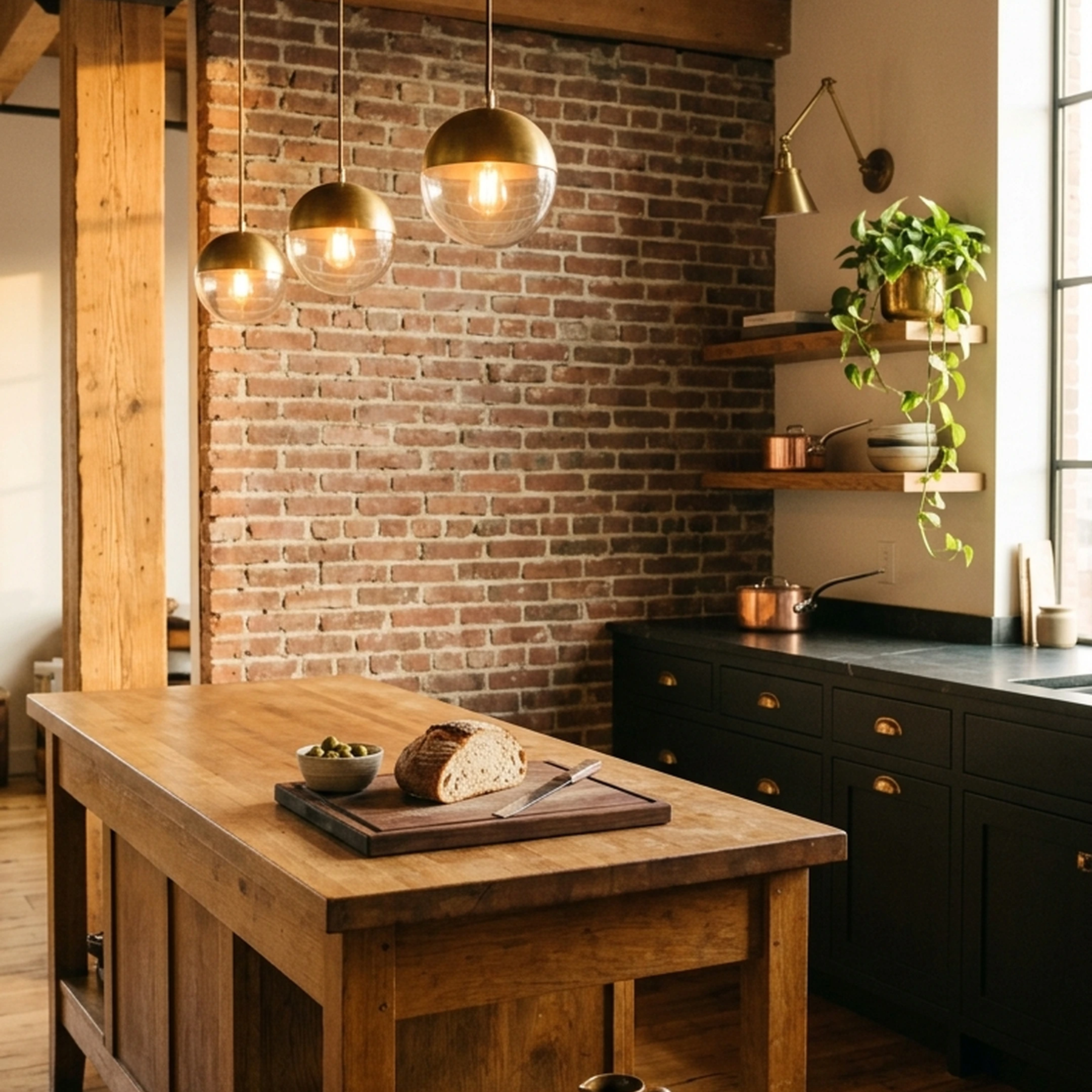
The Practical Magic kitchen is one of the most referenced rooms in the film. It is functional and beautiful at the same time: open shelving, glass jars, herbs in clay pots, copper pots hanging overhead, and a general sense that cooking here is a ritual rather than a chore.
This look is almost entirely about organization and styling, not renovation. You do not need new cabinets. You need to change what is visible and how it is displayed.
The Apothecary Pantry Setup
The kitchen breakdown advises mixing "clear and reeded glass, adding simple brass turns or latches, and leaving the prettiest kitchen tools in plain sight." The specific elements that create the apothecary feeling:
- Clear glass canisters with handwritten labels: Store dry goods (flour, sugar, rice, lentils, dried herbs) in matching glass jars. Label them by hand with a paint pen or small paper tags.
- Herbs in small clay pots: Line a windowsill or open shelf with rosemary, thyme, basil, and lavender in terracotta pots.
- A narrow metal or wooden étagère: Use it to display jars, small plants, and vintage kitchen objects rather than hiding everything in cabinets.
- Copper or brass hardware: Replace standard cabinet pulls with aged brass versions. This is a $50 to $150 change that shifts the entire feeling of a kitchen.
- Open shelving for the most beautiful objects: Hang one or two open shelves and use them to display the things worth looking at: vintage plates, glass vessels, copper pots, and small plants.
For apartment kitchen ideas that work in smaller spaces, the principle is the same: make the functional things beautiful and put the beautiful things where they can be seen.
DIY Architectural Details: Molding, Trim, and Structural Accents
The Practical Magic house has architectural bones that most modern apartments and suburban homes do not: high ceilings, ornate moldings, beadboard walls, and stained glass windows. You cannot add high ceilings. You can add almost everything else.
Full home remodels in 2026 typically run $150,000 to $350,000+. The architectural details that define the Practical Magic aesthetic can be approximated for a fraction of that through targeted cosmetic additions.
DIY Trim and Molding Projects Worth Doing
These are the highest-impact, lowest-cost architectural additions available to most homeowners and renters:
- Crown molding: Pre-primed MDF crown molding from Home Depot or Lowe's can be installed with construction adhesive and finishing nails. A single room typically costs $100 to $300 in materials.
- Beadboard wainscoting: Paintable beadboard panels installed to chair-rail height transform a flat wall into something that reads Victorian immediately. Install with adhesive, caulk the seams, and paint.
- Picture rail molding: A simple horizontal molding installed near the ceiling creates a period-appropriate detail and allows you to hang art without putting holes in the wall.
- Door and window casing upgrades: Replace flat modern casing with more ornate profiles. This is a straightforward swap that dramatically changes the character of a room.
Stained Glass Without the Renovation
Stained glass window film (available through Etsy and specialty home stores) can be applied to existing windows to create the colored light effect without replacing the glass. It is removable, renter-safe, and surprisingly convincing in the right light. Pair it with a warm light source behind the window at night for the full effect.
Outdoor Porch and Entryway Transformations: First Impression Updates
The entry of the Practical Magic house sets the tone for everything inside. It is layered, slightly overgrown, and immediately signals that something interesting is happening here. The cozy witch aesthetic breakdown relies on a few specific entry elements: climbing plants, a welcoming but slightly mysterious door, layered lighting, and objects that feel intentional rather than default.
Entry Updates That Cost Under $500 Total
- Paint the front door: A deep, unexpected color (forest green, near-black, deep plum) signals immediately that this is not a default house.
- Add a vintage-style door knocker or house numbers: Aged brass or iron versions are available on Etsy for $20 to $60.
- Install a porch light with character: A lantern-style fixture with warm bulbs replaces a flat builder-grade light and changes the entire entry feeling.
- Layer a doormat with a potted plant grouping: A simple coir mat with a cluster of terracotta pots (herbs, trailing ivy, a small rosemary topiary) creates an entry that feels tended and intentional.
- Add a small bench or chair if space allows: Even a single vintage wooden chair on a porch signals that this is a place where people linger.
For renters who cannot paint or install fixtures, a large potted plant grouping, a layered doormat, and a string of warm outdoor lights along the porch railing accomplish most of the same effect.
Tools and Solutions for Recreating This Aesthetic
Getting the Practical Magic look together requires sourcing across several categories. Here is where to look, organized by what you are trying to accomplish.
Paint and Surface Treatments
The right paint makes or breaks this aesthetic. These brands carry the muted, historically-informed palettes the look requires:
- Benjamin Moore: Historical color collections with rich, muted tones. The "Williamsburg" and "Historical" collections are particularly useful.
- Sherwin-Williams: Earthy palettes with good depth. Look at the "Living Well" and "Timeless" collections for sage, taupe, and dusty rose directions.
- Behr: More accessible price point, widely available at Home Depot. The "Marquee" line has good coverage for darker colors.
For renter-safe wall treatments, WallPops and RoomMates Decor both carry Victorian-inspired peel-and-stick patterns. Quality has improved significantly in recent years.
Lighting and Ambiance
- IKEA: Budget table lamps, sconces, and warm LED bulbs. The "Ranarp" and "Hektar" lines work well for this aesthetic.
- Etsy: The best source for vintage and vintage-style lighting with actual character. Search for "brass library lamp," "stained glass pendant," and "Victorian sconce."
- Chairish: Higher-end vintage lighting. Worth browsing for statement pieces like a chandelier or a pair of matching sconces.
Vintage and Secondhand Decor
- Etsy: Primary marketplace for apothecary bottles, vintage prints, handmade witchy items, and antique-style accessories. Frequently cited as the best budget source for authentic pieces.
- Goodwill and Habitat for Humanity ReStore: Consistent sources for vintage furniture, frames, candlesticks, and glass vessels. Visit regularly rather than expecting to find everything in one trip.
- Chairish and 1stDibs: Better quality vintage furniture and art. Worth the higher price point for anchor pieces like a rug or an armchair.
Plants and Garden Supplies
- Local nurseries: The best source for lavender, rosemary, climbing roses, and foxglove. Staff can advise on what will thrive in your specific climate.
- The Sill and Bloomscape: Online plant shops for indoor plants. Good for pothos, rubber plants, and trailing varieties that work well in witchy interiors.
DIY Carpentry and Trim
- Home Depot and Lowe's: Primary sources for beadboard panels, crown molding, door casing, and basic tools. Both carry pre-primed MDF versions that are easier to work with than raw wood.
Kitchen and Pantry Organization
- OXO and The Container Store: Airtight glass jars, clear canisters, and labeling systems. The apothecary pantry look described in Practical Magic breakdowns centers on clear canisters with handwritten labels.
Room Design and Furniture Curation
Pulling the full room together (furniture placement, piece selection, cohesion across the whole space) is where most people get stuck. First Chair helps design-minded homeowners move from inspiration images to real, shoppable room concepts built around actual in-stock pieces. Upload a photo of the Practical Magic house, describe your aesthetic direction ("Victorian but livable," "witchy but warm"), and get back a curated room concept with real furniture from brands like CB2, Crate and Barrel, Lulu and Georgia, and Anthropologie Home. It is particularly useful for the moments when you have the feeling right but cannot figure out which specific sofa or rug actually executes it.
Best Practices for Getting This Right
These are the moves that consistently work across different spaces and budgets.
1. Layer modern and vintage pieces rather than buying everything new or everything old. The Practical Magic house works because it mixes newer functional furniture with thrifted rugs, portraits, and oddities. A new sofa with a vintage armchair and a thrifted rug reads as collected. Three matching pieces from the same retailer reads as a showroom.
2. Replace overhead lighting before you do anything else. This is the single highest-impact change available. The Practical Magic house relies on multiple small warm sources rather than overhead fixtures. Layered lamps at different heights transform a room's feeling faster than any paint color.
3. Anchor the room with a worn-looking rug, even if everything else is new. A faded, vintage-style rug grounds the room and makes newer pieces look more intentional. Lighter, worn-looking rugs work particularly well in darker living rooms because they add contrast without competing with the walls.
4. Emphasize natural elements throughout: plants, dried herbs, and wood. Natural elements (crystals, plants, dried herbs, and wood) form the foundation of any witchy space. In practical terms: terracotta pots on every windowsill, a cluster of plants in the corner, dried lavender hanging in the kitchen, and wood surfaces wherever possible.
5. Build the apothecary kitchen through organization, not renovation. Glass jars, clear canisters with handwritten labels, herbs in clay pots, and brass hardware are all you need. None of this requires new cabinets or a contractor.
6. Curate walls with botanical prints, antique portraits, and mixed-frame gallery compositions. The Practical Magic house has paintings throughout: botanical prints, antique portraits, and landscapes. A gallery wall mixing different frame styles, vintage mirrors, and eclectic art creates the collected-over-time look. Thrift stores and Etsy are the right sourcing channels for this.
7. Start small and build outward from one room or corner. Pick one room or even one corner and get the feeling right there first. Witchy decor guides consistently recommend beginning with a few key elements (candles, plants, deeper colors, one strong vintage piece) and expanding gradually. This approach also prevents the common mistake of buying everything at once and ending up with a room that feels costume-like rather than lived-in.
8. Leave breathing room on walls and surfaces. Cottagecore design guidance recommends leaving roughly 40% of wall surface as open space to prevent visual overwhelm. The Practical Magic house is layered, not chaotic. Every object should feel chosen.
Common Mistakes to Avoid
Relying on a single bright overhead light. This is the fastest way to undermine everything else you have done. Overhead lighting makes spaces feel functional rather than atmospheric. Add layered lamps before you do anything else, and consider putting overhead fixtures on a dimmer if you cannot remove them.
Buying a matching furniture set. The Practical Magic house does not have a matching sofa-and-loveseat set from a single retailer. It has pieces that feel like they arrived at different times from different places. Mix a newer sofa with a thrifted armchair. Buy the coffee table separately from the side tables. The mismatch is the point.
Over-cluttering without breathing room. Leaving roughly 40% of wall surface as open space prevents visual overwhelm, particularly in smaller rooms. The Practical Magic house is layered, not chaotic. Every object should feel chosen, not accumulated by accident.
Buying new versions of things that should look old. New apothecary bottles from a big-box store read as costume props. Old ones from a thrift store or Etsy read as real. The difference is visible immediately. For objects that carry the most visual weight in this aesthetic (glass vessels, candlesticks, frames, portraits), always source secondhand if possible.
Treating the garden as an afterthought. The exterior and garden do as much work as the interior in this aesthetic. A tidy suburban lawn with a few potted plants does not create the Owens feeling. Density, climbing plants, mismatched terracotta, and a slightly wild quality are all necessary.
Going too dark too fast. Deep, moody colors work beautifully in this aesthetic, but painting every room a near-black green before you have tested it in one small space is a common and expensive mistake. Start with the entry or a powder room. Build confidence before committing to larger rooms.
Skipping the hardware. Cabinet pulls, door knobs, light switch plates, and house numbers are all small details that most people leave in their builder-grade defaults. Swapping these for aged brass or iron versions is a $50 to $200 change that reads as intentional throughout the whole house.
Expecting to finish in one shopping trip. This aesthetic requires patience. The pieces that make the Practical Magic house feel the way it does were not purchased on a single Saturday afternoon. Visit thrift stores regularly. Check Etsy often. Let the room build over time. Rooms that feel collected cannot be rushed.
Frequently Asked Questions
How much does it actually cost to recreate the Practical Magic house aesthetic?
Most of the work happens in the cosmetic layer, which averages around $2,771 for homeowners in 2026. A realistic budget for a single room (paint, lighting, thrifted decor, plants, and a rug) runs $500 to $1,500 depending on what you already own and how patient you are with secondhand sourcing. The entry and exterior can be transformed for under $500 total.
Can renters recreate this aesthetic without painting or making permanent changes?
Yes. Peel-and-stick wallpaper, plug-in sconces, battery-operated candles, string lights, and removable beadboard panels (installed with construction adhesive that can be removed) all create the core elements of this aesthetic without permanent modifications. The lighting and plant changes alone will move a rental apartment significantly closer to the feeling.
What is the single most important change to make first?
Lighting. Replace overhead fixtures with layered lamps, add candles, and switch all bulbs to warm-toned LEDs around 2700K. This change costs under $200 for most rooms and has a larger impact on the overall feeling than any paint color or piece of furniture.
Where is the best place to find authentic vintage pieces on a budget?
Thrift stores (Goodwill, Habitat for Humanity ReStore), Etsy, and post-Halloween clearance sales are the most efficient sourcing channels for this aesthetic. Visit thrift stores regularly rather than expecting to find everything in one trip. Post-Halloween clearance in early November is particularly good for glass vessels, candlesticks, and dark velvet textiles.
Does this aesthetic work in small apartments, or does it require a large Victorian house?
It works in small spaces, sometimes better than in large ones. The layered, intimate quality of the Practical Magic aesthetic is actually easier to achieve in a smaller room because you need fewer pieces to create the feeling of density. A studio apartment with the right lighting, one strong vintage rug, open shelving with glass jars, and plants in terracotta pots can read as deeply witchy and romantic without any architectural help.
What paint colors are closest to the Practical Magic interior palette?
Look for warm sage greens, dusty roses, aged creams, warm taupes, and deep forest greens. Specific directions: Benjamin Moore's "Newburyport Blue" reads as a dusty sage-green that works well in kitchens; Sherwin-Williams' "Accessible Beige" and "Antique White" are good starting points for living room walls that need to feel warm without being yellow. For moody accent rooms, Benjamin Moore's "Black Forest Green" and Sherwin-Williams' "Cascades" are both worth testing.
Conclusion: The Room You Have Been Imagining
The Practical Magic house is not a renovation project. It is a feeling, and feelings are built from the accumulation of specific, considered choices: the right rug under a thrifted armchair, herbs in terracotta pots on a windowsill, a dozen small warm light sources instead of one overhead fixture, and walls that have something interesting to look at from every angle.
None of this requires a contractor. Most of it can be done for under $2,000 spread across a room or two. The work is in the sourcing, the patience, and the willingness to let the room build over time rather than trying to finish it in a single afternoon.
Start with the lighting. Add a rug. Find one good vintage piece that feels like it has a history. Plant something. The rest follows.
If you are trying to move from the feeling you want to the specific pieces that will actually create it, First Chair can help you get there. Upload your Practical Magic inspiration, describe your aesthetic direction, and get back a curated room concept built around real, in-stock furniture from brands that understand this kind of layered, intentional design. The room you have been imagining is closer than you think.