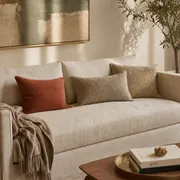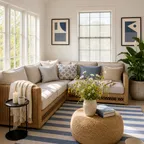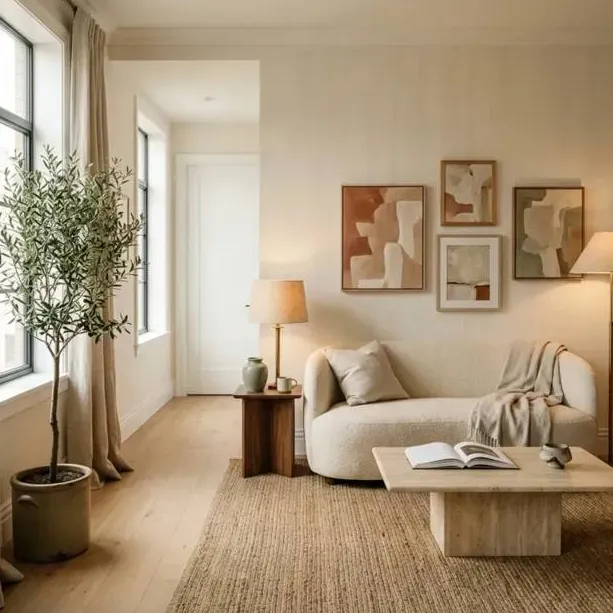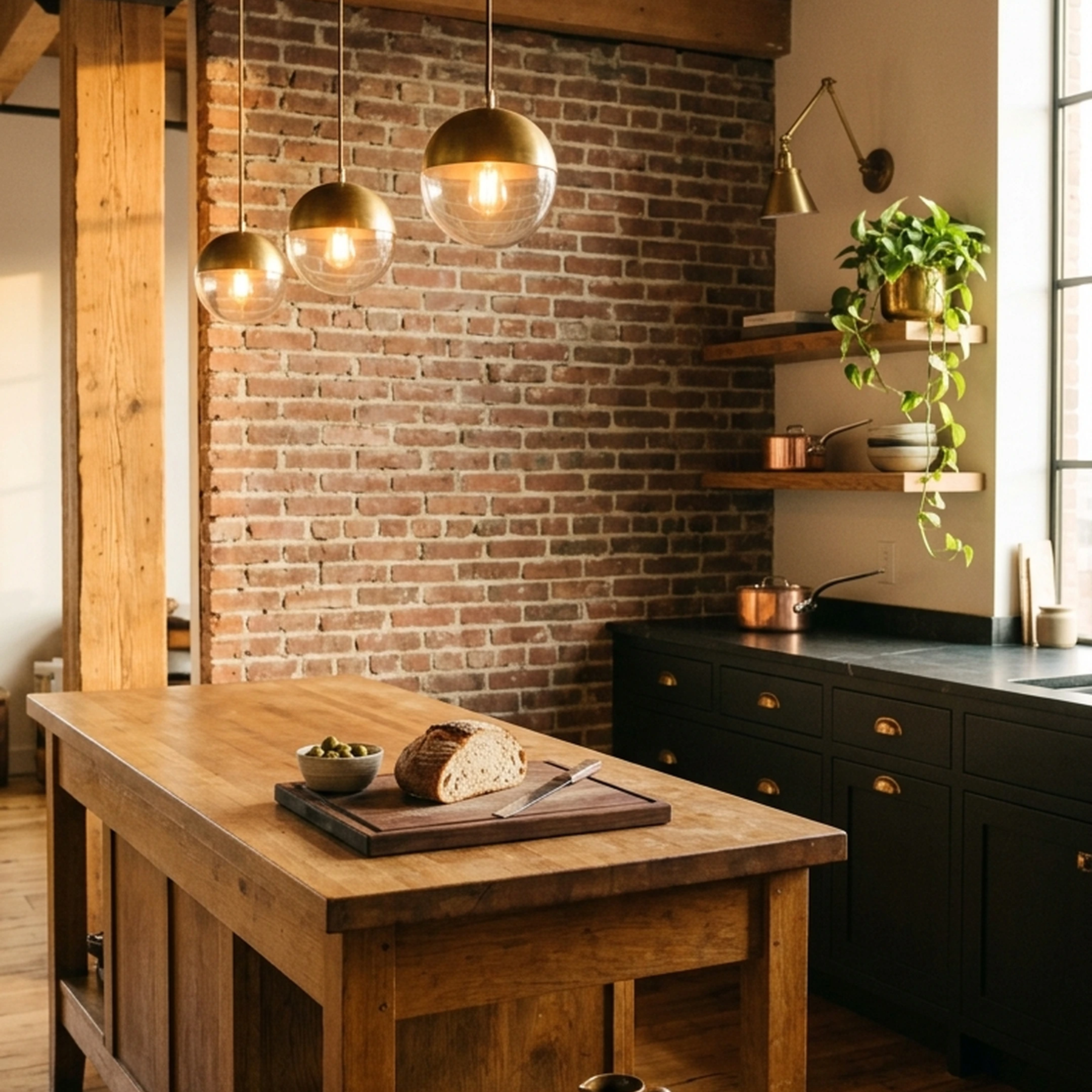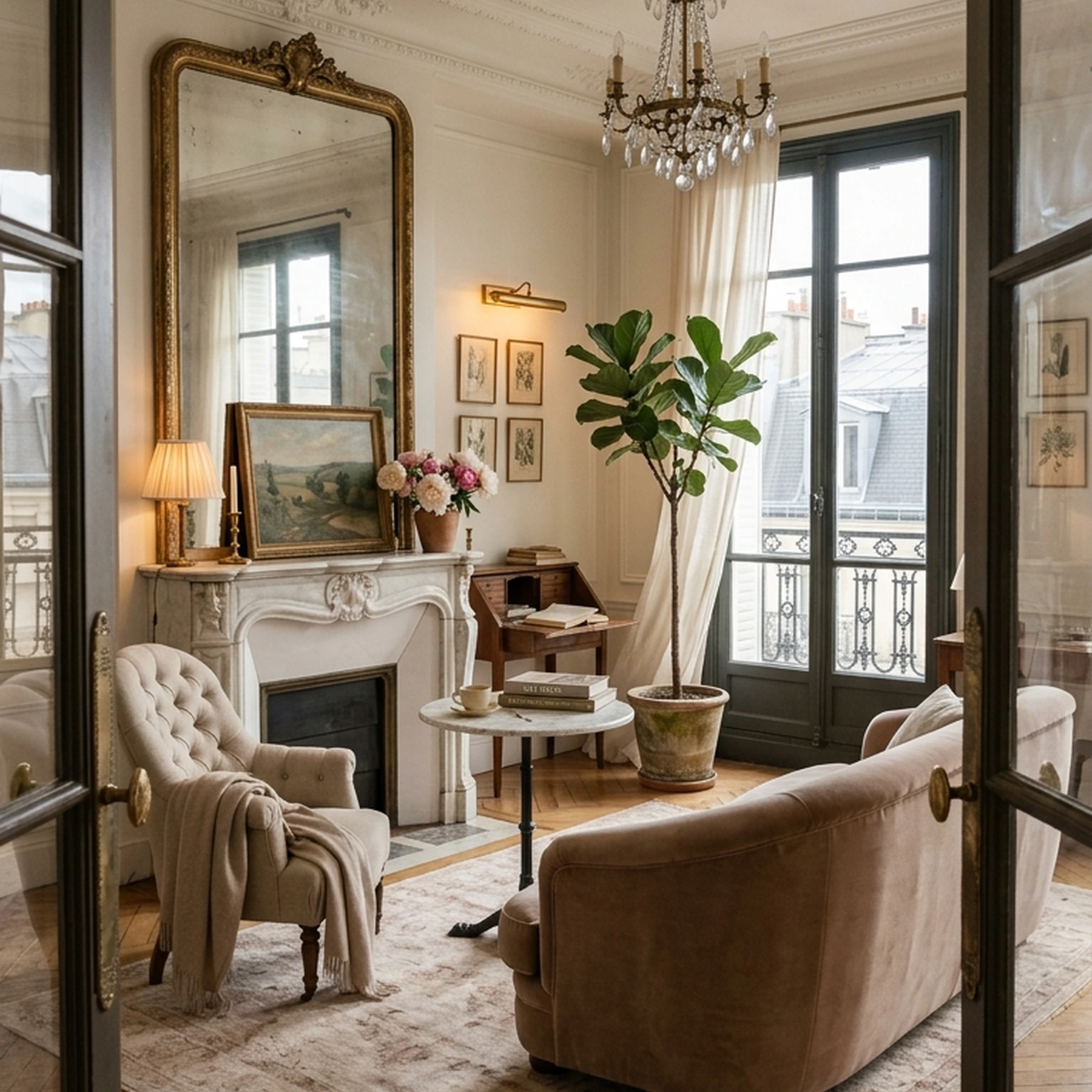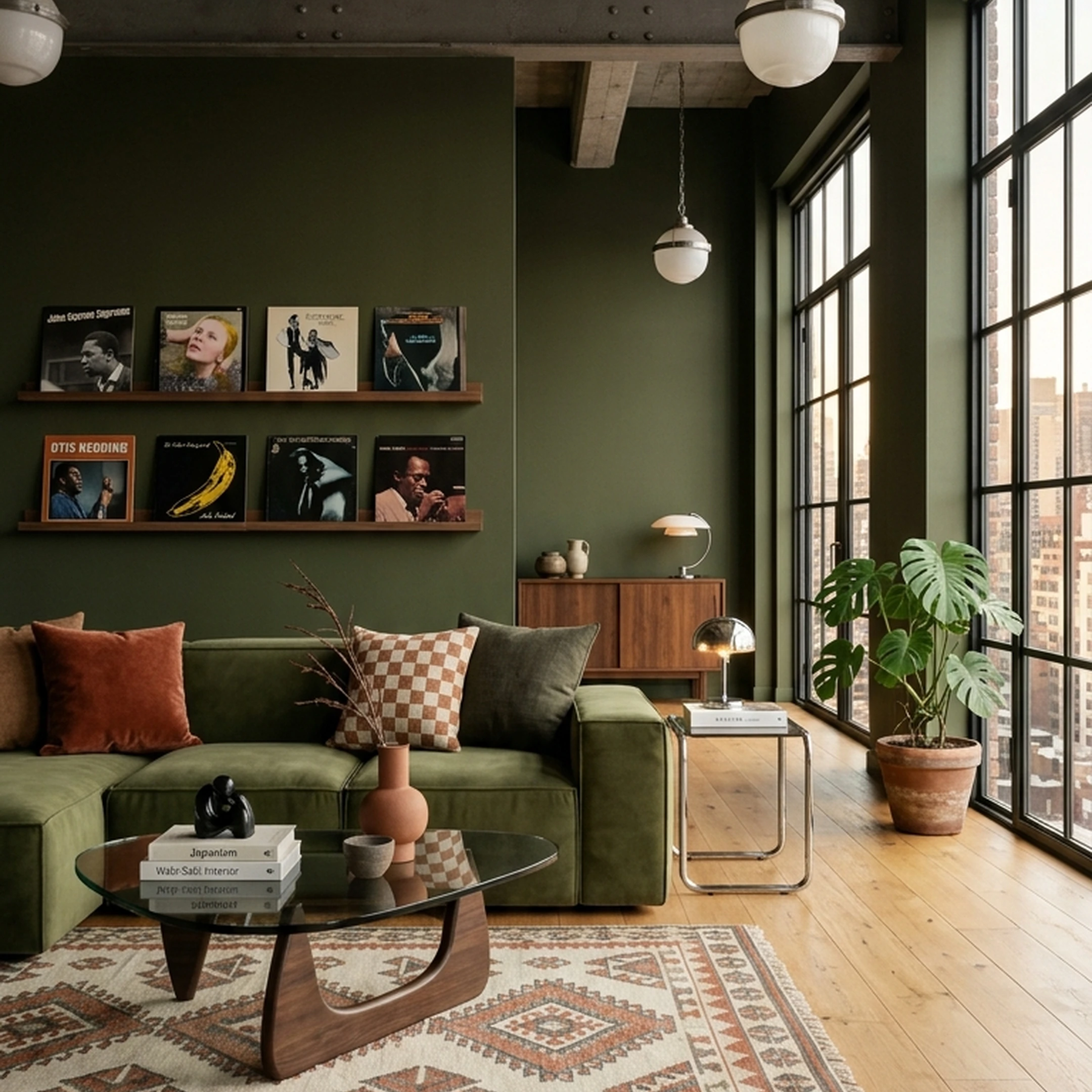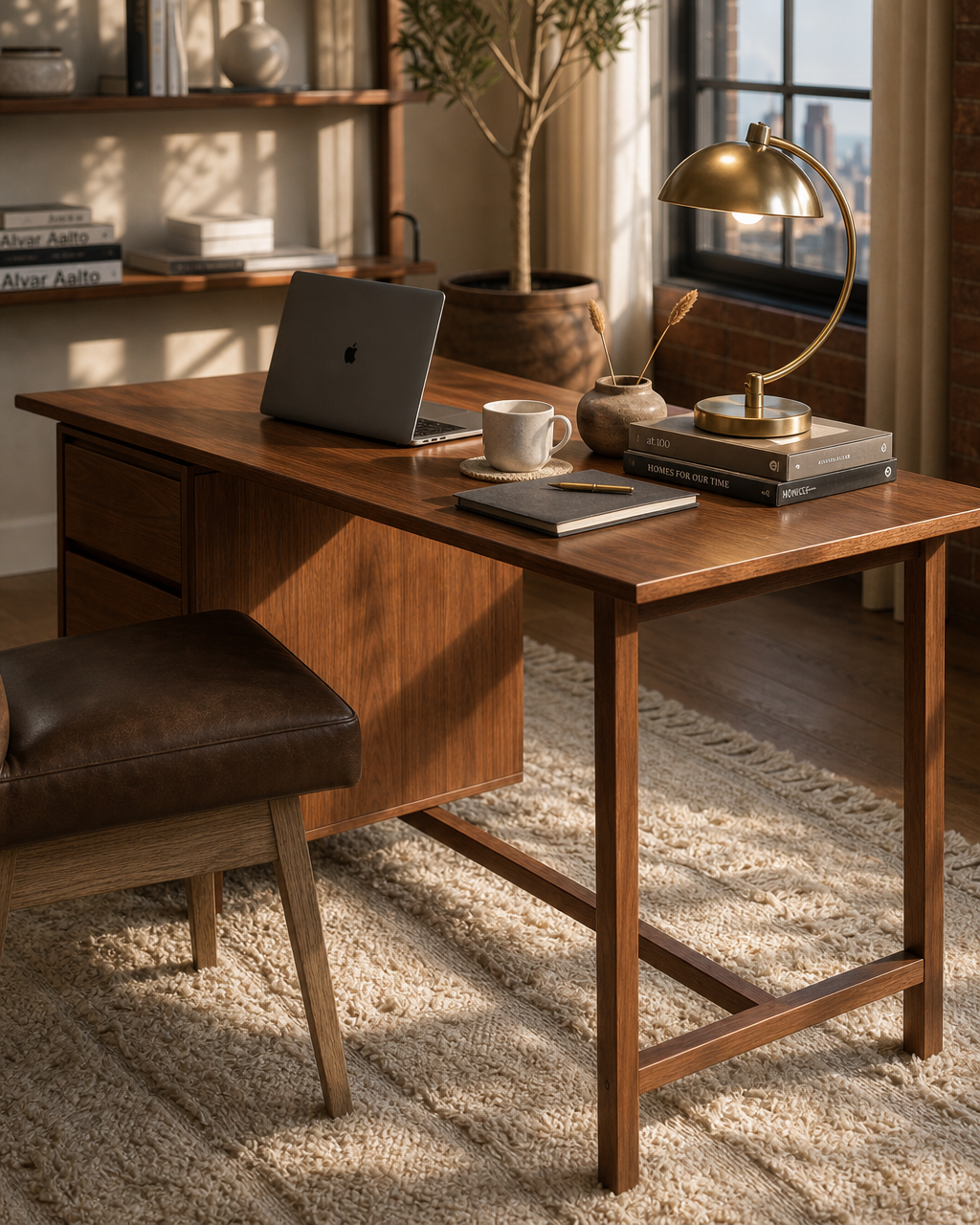
If you moved into a new place in Portland or Seattle this year and immediately started saving moody, forest-adjacent living rooms to your phone, you already know the feeling. The rooms you keep returning to share something specific: warm wood tones that look like they came from an actual forest, lighting that creates shadow rather than eliminating it, and a layered, collected quality that no single furniture catalog can replicate. That aesthetic has a name now. People call it the Twilight House look, and the good news is that almost none of it requires a renovation.
The Twilight House aesthetic is built on atmosphere, not architecture. The cinematic, cozy-but-considered quality that defines it comes from decisions about light, color, material, and arrangement, not from structural features most renters and budget-conscious homeowners cannot touch. A few targeted moves, applied in the right order, can shift a generic apartment or builder-grade home into something that feels genuinely considered.
This guide covers the specific choices that create the look: the color palette, the lighting system, the furniture silhouettes, the textiles, and the accessories. It also covers what to skip, where to spend, and how to avoid the most common mistakes people make when they try to recreate an aesthetic they love but cannot quite land.
What you will learn:
- The exact color palette and lighting system that define this aesthetic
- Which furniture silhouettes and materials work and which undermine the look
- How to add architectural character without structural changes
- Where to spend and where to save on a constrained budget
- How to layer textiles without tipping from rich into cluttered
- The accessory choices that make a room feel collected rather than decorated
- How to move from saved inspiration to a shoppable room you can actually build
Key Takeaways
- The Twilight House aesthetic is built on layered mood lighting, woodland color palettes, warm medium-dark wood tones, and curated vintage pieces. None of these require structural changes to execute.
- Lighting is the single highest-impact, lowest-cost lever in any room. A three-layer lighting system on dimmers does more for atmosphere than any paint color or furniture purchase.
- Dominant palette directions in 2026 include terra cotta, sage, olive, dusty blue, and warm medium woods replacing pale oak, which maps almost exactly onto the Twilight palette.
- Consumer spending is shifting away from large furniture purchases and holding stronger on decor, textiles, and accessories, making a decor-first approach both practical and well-timed.
- Vintage and second-hand furniture is not a budget compromise for this aesthetic. It is the correct design choice. The look depends on patina and character that new flat-pack furniture cannot replicate.
- Natural fibers are non-negotiable. Wool, linen, and velvet absorb light differently than synthetics and create the organic, grounded quality this aesthetic depends on.
- Storytelling decor, defined as color, sentiment, and curated mixes that create emotionally resonant spaces, is a confirmed 2026 consumer trend. The Twilight aesthetic is a direct expression of that direction.
- Two-thirds of homeowners who take on DIY projects cite cost savings as a motivator, but the primary driver has shifted to capability and confidence. Most of the moves in this guide are genuinely achievable without professional help.
What the Twilight House Aesthetic Actually Is
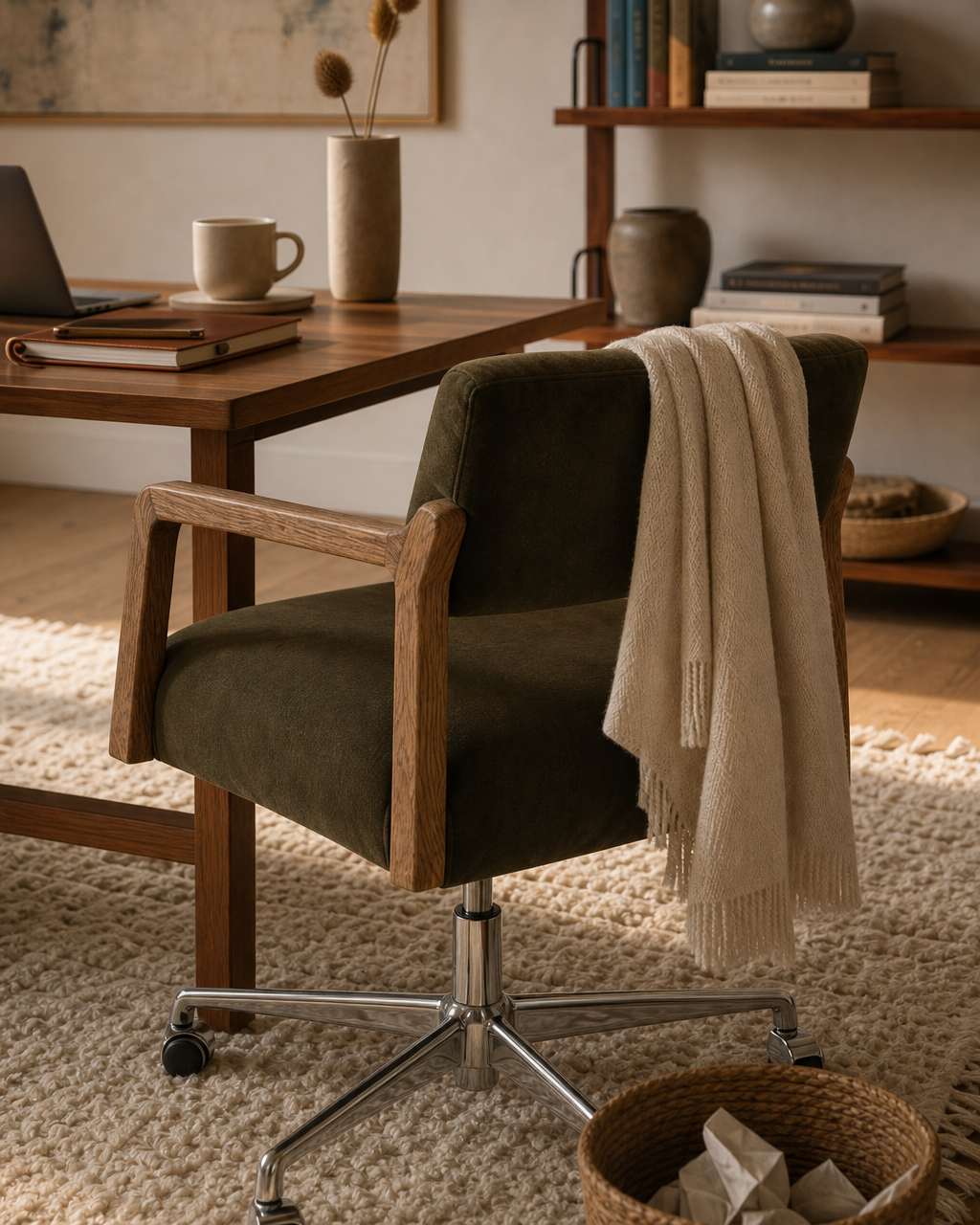
The Twilight House aesthetic is a design direction defined by atmospheric layering, woodland-adjacent color, warm organic materials, and a collected, narrative quality that makes a room feel inhabited rather than decorated. It draws on Pacific Northwest interiors, moody European farmhouses, and the kind of cinematic coziness associated with spaces that feel like they have a history.
The aesthetic is not dark for the sake of darkness. It is warm, grounded, and intentional. The rooms that define it share a few consistent qualities: light that creates shadow rather than flooding the space, wood tones that read as natural rather than manufactured, textiles with visible texture, and objects that feel found rather than purchased as a set.
What makes it achievable for most homeowners is that its defining elements are choices, not construction. Lighting, color, material, and arrangement account for the vast majority of the effect. The architecture is almost incidental.
Why This Aesthetic Fits 2026 Perfectly
The timing for pursuing this look is genuinely good. Several converging trends in consumer behavior and design direction align with exactly what the Twilight aesthetic requires.
The Shift Toward Sanctuary Homes
The home-as-sanctuary direction has moved from trend language into measurable consumer behavior. Shopify's 2026 home furnishing analysis identifies "the home is the sanctuary" as a primary driver of purchasing decisions, with consumers choosing spaces built for how they feel rather than how they photograph. The Twilight aesthetic, with its emphasis on warmth, texture, and atmosphere, is a direct expression of that shift.
Mintel's 2026 US home shopping report identifies storytelling decor as a rising trend, defined as color, sentiment, and curated mixes that create emotionally resonant spaces. A Twilight-inspired room is essentially a physical expression of that concept.
Palette Directions Confirm the Timing
The color directions dominating residential design in 2026 align almost exactly with the Twilight palette. Houzz's 2026 trends report cites terra cotta, sage, olive green, dusty blue, muted pastels, creamy beiges, and warm medium wood tones as dominant interior directions, with warm and medium woods replacing very light oak. These are not adjacent to the Twilight palette. They are the Twilight palette.
Spending Patterns Favor a Decor-First Approach
The current consumer spending environment actually supports the right approach to this aesthetic. Large, discretionary furniture purchases are softening in 2026, while spending on decor, textiles, and accessories is holding up better. That pattern maps directly onto how the Twilight aesthetic is best built: start with lighting and textiles, add vintage or second-hand anchor pieces, and layer in accessories over time.
Sustainability and Natural Materials Are Now Baseline Expectations
The materials that define this aesthetic, including solid wood, wool, linen, and natural finishes, align with where sustainable design has moved. Dwell's 2026 design coverage describes a shift toward material intelligence and long-term resilience, with an emphasis on materials that age well and can be repaired or repurposed. Vintage furniture and natural fibers are not just aesthetically correct for this look. They are the responsible choice.
Color Palettes and Mood Lighting for Twilight-Inspired Interiors
Atmosphere is the foundation of this aesthetic. Before buying a single piece of furniture, get the light and color right. Everything else depends on it.
The Woodland Color Palette
Twilight-inspired interiors work within a specific tonal range: deep forest greens, dusty slate blues, warm charcoals, soft creams, and occasional terra cotta or amber accents. These are not dark rooms. They are rooms where color has weight and warmth rather than brightness.
Practical guidance for choosing and applying paint:
- Use your deepest color on one wall or in a recessed alcove, not across all four walls
- Keep ceilings at least two shades lighter than your walls to avoid the room feeling compressed
- Pair deep greens or blues with warm cream trim, not bright white. Bright white fights the mood.
- Mineral and plant-based paints offer better depth of color and lower VOC levels. Elite Traveler's 2026 sustainable design report specifically highlights mineral and plant-based paints as key choices for rooms that are meant to feel like sanctuaries.
Three-Layer Lighting: The Most Important Move You Can Make
Overhead lighting is the enemy of atmosphere. A single ceiling fixture, even a beautiful one, flattens a room and eliminates the shadow play that makes this aesthetic work.
The correct approach uses three distinct layers:
- Ambient lighting: A ceiling fixture or large pendant on a dimmer. This sets the base level and should be used sparingly in the evening.
- Task lighting: Reading lamps, desk lights, and under-shelf lighting. These create functional pools of light at human scale.
- Accent lighting: Wall sconces, picture lights, candles, and small table lamps. These create depth, warmth, and the shadow that defines the aesthetic.
All three layers should be on separate dimmers. The goal is to move the room from "bright enough to read" to "cinematic evening" without changing a single bulb.
For this aesthetic specifically: warm white bulbs in the 2700K to 3000K range, aged brass or matte black fixtures, and at least one light source placed below eye level. Floor lamps and low table lamps do more for this look than any overhead fixture.
Furniture Selection and Layout for a Twilight-Inspired Room
The furniture in a Twilight-inspired room should feel collected over time, not ordered from a single catalog. That is not a stylistic preference. It is the actual design principle that makes the aesthetic work.
Silhouettes and Materials That Work
Twilight-style furniture leans toward specific qualities that distinguish it from contemporary-minimal or Scandinavian-light aesthetics:
- Warm, medium-dark woods: Walnut, cherry, elm, and hickory. Not pale oak, not black-stained veneer. The wood should look like it came from a forest.
- Rounded or organic silhouettes: Sofas with curved backs, chairs with soft arms, tables with irregular or live-edge surfaces. Sharp, angular furniture reads as contemporary-minimal, which is the opposite of this aesthetic.
- Upholstery with texture: Bouclé, velvet, linen, and wool. Avoid smooth, tight weaves. The room should feel touchable.
- Mixed metals: Aged brass, oxidized bronze, and matte black can coexist in the same room. Matching all hardware and fixtures reads as showroom, not collected.
Skip the matching five-piece living room set. A sofa from West Elm, a chair from Chairish, and a side table from a local estate sale will look more intentional than anything sold as a coordinated collection.
Layout Principles for an Intimate Room
The Twilight aesthetic favors intimacy over openness. Furniture should create zones, not maximize floor visibility.
- Pull seating away from walls. Floating furniture in the center of a room creates a more intimate conversation area and makes the space feel designed rather than arranged.
- Create at least one reading nook or quiet corner. A single chair, a floor lamp, and a small side table in a corner does more for the atmosphere of a room than almost any other single move.
- Use rugs to define zones. A large, textured rug anchors the seating area and separates it visually from the rest of the space.
- Leave some surfaces empty. The Twilight aesthetic is layered, not cluttered. Every surface does not need to be filled.
For small apartment furniture decisions specifically, track-arm sofas tend to work better than rolled or English arms because they buy back visual and physical space without sacrificing comfort.
Budget-Friendly Decor Swaps and Styling Hacks
The Twilight House aesthetic is genuinely well-suited to a constrained budget. The look depends on patina, texture, and layering, not on expensive new pieces.
Where to Spend and Where to Save
The right spending strategy for this aesthetic prioritizes quality on a few anchor pieces and restraint everywhere else.
Spend on:
- One quality sofa with good bones and natural upholstery
- A real wood coffee table or side table (second-hand is better than new flat-pack)
- Lighting fixtures with visual weight and warm metal finishes
Save on:
- Throw pillows and blankets (these can come from anywhere)
- Decorative objects (thrift stores, estate sales, and Chairish are the correct sources)
- Plants (a large fiddle-leaf fig or a trailing pothos costs almost nothing and does significant atmospheric work)
The Highest-Impact Low-Cost Moves
These changes cost under $200 each and shift the feel of a room more than most furniture purchases:
- Replace all overhead bulbs with warm-white dimmable LEDs at 2700K
- Add a dimmer switch to your main overhead fixture
- Layer a second rug over a larger base rug for texture and depth
- Replace builder-grade curtain rods with aged brass or matte black hardware
- Hang curtains from ceiling height, not from the window frame. This makes ceilings feel taller and windows feel larger.
- Add one large-scale piece of wall art. A single oversized print does more than a gallery wall of small frames.
For more guidance on decorating a new apartment without overspending, the principle is the same: a few considered moves beat a room full of placeholder pieces.
Architectural Details You Can Add Without Renovating
You do not need to renovate to add architectural character. Several details associated with this aesthetic can be added to a rental or a builder-grade home without structural work.
Achievable Architectural Moves
Molding and trim: Simple picture rail molding or board-and-batten paneling on a single wall adds depth and shadow that makes a room feel older and more considered. Paint it the same color as the wall for a tonal, enveloping effect. This is a weekend project with a miter saw and a nail gun.
Faux beams: Hollow, lightweight faux wood beams can be installed on a ceiling without structural modification. In a room with a Twilight palette, a dark walnut-stained beam adds exactly the right kind of weight without requiring a contractor.
Window treatments: Replacing standard blinds with floor-to-ceiling linen or velvet curtains in a deep color is one of the most dramatic architectural moves available without touching a wall. The curtains do not need to cover the window. They need to frame it.
Open shelving: Shelving with visible wood brackets, styled with books, plants, and objects, reads as architectural detail rather than storage. This is especially effective in a living room or bedroom where a built-in bookcase would be ideal but is not possible.
Houzz's 2026 report emphasizes heritage-inspired details and rich materials as key residential design directions, which confirms that these kinds of additions are aligned with where design is moving broadly, not just within this specific aesthetic.
Textiles, Fabrics, and Soft Furnishings for Ambiance
Textiles are where the Twilight aesthetic becomes tactile. The room should feel as good as it looks.
The Right Fabrics for a Woodland Interior
Natural fibers are non-negotiable for this aesthetic. Synthetic textiles reflect light differently and feel wrong in a room that is supposed to feel organic and grounded.
Prioritize these materials:
- Wool: For throws, rugs, and upholstery. Wool has natural depth of color and a matte finish that reads as warm rather than shiny.
- Linen: For curtains and pillow covers. Linen wrinkles, which is correct. The slight imperfection is part of the aesthetic.
- Velvet: For accent chairs and throw pillows. Use velvet in deep jewel tones (forest green, dusty plum, slate blue) rather than bright colors.
- Cotton canvas: For slipcovers and casual upholstery. A natural, undyed cotton canvas sofa cover reads as intentional in this context.
Wool, linen, and natural fibers are identified as key sustainable luxury choices for 2026, which means sustainability and style are pointing in the same direction for this aesthetic.
Layering Textiles Without Creating Visual Noise
The risk with this aesthetic is tipping from layered into cluttered. The rule is to vary texture, not pattern.
- Use one or two patterns maximum: a subtle stripe, a small geometric, or a botanical print
- Let texture do the work. A chunky wool throw next to a smooth velvet pillow next to a linen cushion reads as rich without being busy.
- Keep your largest textile (the rug) in a solid or near-solid. A heavily patterned rug competes with everything else in the room.
Wall Treatments and Paint Techniques That Create Depth
Paint is the most cost-effective design decision in any room. For the Twilight aesthetic, the technique matters as much as the color choice.
Paint Approaches Worth Knowing
Tonal layering: Paint walls, trim, and ceiling in the same color family but different values. A deep sage wall with a medium sage trim and a pale sage ceiling creates depth without contrast. This is more sophisticated than white trim and feels more enveloping.
Limewash and textured finishes: Limewash paint creates a mottled, aged surface that absorbs light rather than reflecting it. This is the correct finish for a Twilight-inspired room. Several mainstream paint brands now offer limewash-effect formulas that do not require professional application.
Accent wall strategy: If you are not ready to commit to a full-room dark color, paint the wall behind your sofa or bed. This creates a backdrop that makes the furniture feel intentional and adds depth without overwhelming the space.
Ceiling color: Painting the ceiling a shade darker than the walls is counterintuitive but effective in rooms where you want a cocooning, intimate feeling. This works especially well in bedrooms and reading rooms.
The rise of storytelling decor as a consumer trend, confirmed in Mintel's 2026 home shopping report, means that a considered paint choice is not just an aesthetic decision. It is the foundation of the narrative the room tells.
Accessorizing and Decorative Elements on a Budget
Accessories are where the Twilight aesthetic becomes personal. The goal is a room that looks collected, not decorated.
Objects That Work in a Twilight-Inspired Room
The right accessories for this aesthetic share a few qualities: they have age or patina, they reference nature or craft, and they feel found rather than purchased as a set.
- Vintage books: Stacked horizontally on shelves or used as risers under objects. The worn spines add color and texture without any effort.
- Ceramic vessels: Handmade or vintage ceramics in earthy tones. Avoid anything that looks mass-produced or overly uniform.
- Botanical elements: Dried botanicals, pressed ferns in frames, or a single large plant. The Twilight aesthetic is adjacent to biophilic design, and natural elements are essential to the look.
- Forest photography or landscape art: A single large-scale print of a forest, a misty landscape, or an overcast sky does more for this aesthetic than any decorative object.
- Candles: In ceramic or stone holders. Candles function as both decorative objects and a fourth layer of lighting in a room built around atmosphere.
Rising appreciation for artisan-crafted wood furniture, hand-painted ceramics, and handmade art is a confirmed 2026 consumer direction. These are exactly the categories that define this aesthetic and are widely available at estate sales, thrift stores, and platforms like Chairish and 1stDibs.
What to Avoid
- Matching accessory sets sold as collections
- Anything with visible branding or logos
- Overly symmetrical arrangements (one candlestick, not two)
- Faux plants (real or dried only)
- Anything that reads as trend-driven rather than timeless
For more on reducing furniture decision fatigue, the same principle applies to accessories: fewer, better pieces do more than a room full of filler objects.
Tools and Platforms for Planning and Shopping This Aesthetic
Getting the pieces right individually is only half the challenge. Knowing whether they will work together in your specific room, at your specific scale, with your existing pieces, is where most people get stuck.
Visualization and AI Design Tools
Several platforms allow you to test color palettes, furniture arrangements, and lighting concepts before committing to purchases. The category is growing quickly: the global AI interior design industry is projected to grow at a 20.9% CAGR from 2026 to 2033, and the tools are becoming meaningfully more useful for non-professionals.
For Twilight-style projects specifically, visualization tools are most valuable for testing dark palettes and warm wood combinations in your actual room before buying paint or furniture. Upload a photo of your space, apply a deep sage or dusty blue, and see whether the room reads as atmospheric or just dim.
First Chair is built specifically for the moment when you have the right references saved but cannot figure out how to make them work together in a real room. You can upload a photo of a Twilight-inspired interior you love, describe the direction you want ("moody but warm," "forest-adjacent but livable"), and receive a curated room concept built with real, in-stock pieces from actual retailers including West Elm, CB2, Crate and Barrel, Pottery Barn, and Lulu and Georgia. Every recommendation is a piece you can actually buy, not a render of furniture that does not exist. The platform pulls across multiple retailers rather than pushing inventory from a single catalog, which matters for this aesthetic specifically. A Twilight-inspired room should not look like it came from one store.
Other AI visualization tools in the category include platforms focused on sustainable design concepts and room rendering. Most are useful for testing color and layout. Fewer bridge the gap between visualization and actual purchase.
Inspiration and Trend Platforms
Houzz and Dwell both carry strong editorial coverage of the material-intelligent, heritage-detail direction that defines 2026 residential design. For Twilight-style references specifically, search for "warm woods," "moody living room," and "Pacific Northwest interior" rather than "Twilight aesthetic," which will surface more actionable results.
Shopping Sources for Twilight-Style Pieces
Source TypeBest ForPrice RangeChairishVintage wood furniture, ceramic vessels, lightingVariable1stDibsHigher-end vintage and antique anchor piecesPremiumEstate salesBooks, ceramics, textiles, artLowWest ElmNew sofas, rugs, lighting with warm finishesMidCB2Modern pieces with organic silhouettesMidArticleSolid wood furniture, upholstered seatingMidThrift storesAccessories, vessels, frames, booksLow
Best Practices for Recreating the Twilight House Aesthetic
These are the moves that consistently work, drawn from the design principles and material directions confirmed across 2026 trend research.
- Start with lighting before anything else. Replacing overhead-only lighting with a three-layer system on dimmers is the single highest-impact change available in any room. Do this before buying paint, furniture, or accessories.
- Choose one anchor piece with real presence. A deep-colored sofa, a dark wood bookcase, or a large vintage rug gives the room a center of gravity. Everything else can be built around it.
- Use vintage and second-hand for character pieces. New furniture can anchor the room (a quality sofa, a solid wood table), but the objects that make the room feel collected should have age. Thrift stores, estate sales, and Chairish are the correct sources for this aesthetic.
- Vary texture, not pattern. A chunky wool throw, a smooth velvet pillow, and a linen cushion together read as rich and layered. Three different patterns in the same space read as busy. Let texture carry the visual interest.
- Paint one wall before committing to four. Test your deep color on the wall behind your sofa or bed first. Live with it for a week. If it reads as atmospheric rather than oppressive, proceed. If it feels too heavy, go one shade lighter.
- Prioritize natural materials over synthetic alternatives. Wool, linen, solid wood, and ceramic do not just look better in this aesthetic. They age better, feel better, and align with the material intelligence direction that defines responsible design in 2026.
- Mix your sources intentionally. A room that came entirely from one retailer reads as decorated. A room that mixes a West Elm sofa, a Chairish side table, and a vintage rug from an estate sale reads as collected. The Twilight aesthetic requires the latter.
- Leave negative space. The temptation when building a layered aesthetic is to fill every surface. Resist it. Empty space makes the pieces you have chosen feel more intentional.
Common Mistakes That Undermine the Twilight Aesthetic
These are the pitfalls that consistently flatten the look, even when the individual pieces are right.
- Buying a matching furniture set. A coordinated five-piece living room collection from a single retailer will always read as showroom, not collected. The aesthetic depends on pieces that feel like they arrived at different times from different places.
- Using cool-white bulbs. Cool-white or daylight bulbs (4000K and above) fight every warm material in the room. Even beautiful warm wood tones look flat and cold under the wrong light. Replace every bulb with warm white (2700K) before making any other change.
- Painting all four walls the same deep color without adjusting the ceiling. A dark color on all four walls with a white ceiling creates a jarring contrast that makes the room feel unfinished rather than atmospheric. Either paint the ceiling a lighter version of the wall color, or keep one wall as an accent.
- Using faux plants. Faux plants read as faux. In a room built around organic, natural materials, a plastic plant undermines the entire premise. Use real plants or high-quality dried botanicals.
- Over-accessorizing. The Twilight aesthetic is layered, not maximalist. A room full of objects at the same scale and density reads as cluttered. Edit down to the pieces that have genuine presence and leave the rest out.
- Choosing furniture that is too low-contrast with the walls. A medium-brown sofa against a medium-brown wall disappears. The room needs contrast between its anchor pieces and its backdrop. A deep green wall behind a warm cream sofa works. A warm beige wall behind a warm beige sofa does not.
- Skipping the rug. A room without a rug reads as unfinished regardless of how good the other pieces are. The rug anchors the seating area, adds texture, and separates zones. It is not optional.
- Relying on symmetry. Symmetrical arrangements (matching lamps on matching side tables, identical pillows on both sofa ends) read as formal and staged. The Twilight aesthetic is asymmetrical and slightly imperfect. One lamp, one side table, one candlestick.
Frequently Asked Questions
What colors define the Twilight House interior aesthetic?
The Twilight House palette centers on deep forest greens, dusty slate blues, warm charcoals, soft creams, and amber or terra cotta accents. The key is using colors with weight and warmth rather than brightness or saturation. Houzz's 2026 trends report confirms sage, olive, dusty blue, and warm medium woods as dominant interior directions this year, which aligns closely with this aesthetic. Avoid anything that reads as cool, bright, or highly saturated.
Can I recreate this look in a rental apartment?
Yes. The core elements of this aesthetic, including lighting, textiles, furniture arrangement, and accessories, do not require structural changes. Layered lighting on dimmers, floor-to-ceiling curtains, natural fiber textiles, and warm wood furniture pieces can transform a rental without permanently altering any wall. For paint, either get landlord permission for a single accent wall or use removable wallpaper in a textured or botanical pattern.
What is the single most important design change for a Twilight-inspired room?
Lighting. Replacing overhead-only lighting with a three-layer system (ambient, task, and accent) on dimmers is the highest-impact change available in any room. It costs less than most furniture purchases and does more for atmosphere than any paint color or accessory. Start here before making any other decision.
Where should I shop for Twilight-style furniture on a budget?
Second-hand and vintage sources are the correct starting point for this aesthetic. Chairish, 1stDibs, and local estate sales offer the patina and character that define the look. For new pieces, West Elm, CB2, and Article carry warm wood tones and natural upholstery options at accessible price points. Avoid buying a complete matching set from any single retailer.
How do I avoid making the room feel too dark or heavy?
Keep ceilings lighter than walls, use warm-white bulbs rather than cool-white, and leave some surfaces empty. One strong anchor piece (a deep-colored sofa or a dark wood bookcase) does more than filling every surface with dark elements. Maximize natural light during the day and create the moody atmosphere through layered artificial lighting in the evening.
What textiles work best for this aesthetic?
Natural fibers are essential: wool for throws and rugs, linen for curtains and pillow covers, and velvet for accent pieces in deep jewel tones. Vary texture rather than pattern. A chunky wool throw, a smooth velvet pillow, and a linen cushion together read as rich and layered without visual noise. Avoid synthetic textiles, which reflect light differently and undermine the organic, grounded quality this aesthetic depends on.
Conclusion: From Saved Inspiration to a Room You Can Actually Live In
The Twilight House aesthetic is achievable. Most of what makes it work is accessible, incremental, and reversible. Start with lighting. Add a rug. Paint one wall. Find one vintage piece with real character. Layer in natural textiles. The room builds itself from there.
The hardest part is not finding individual pieces. It is knowing whether they will work together in your specific room, at your specific scale, with your existing furniture. That is where most people get stuck, and where the gap between a saved inspiration photo and a finished room feels widest.
First Chair is built for exactly that moment. Upload a photo of the Twilight-inspired room you keep returning to, describe the direction you want, and get a curated room concept built with real, in-stock pieces from actual retailers. Not a render of furniture that does not exist. A room you can actually build.
If you are working through interior design app options and want something that bridges inspiration and purchase rather than just generating images, that is where to start.