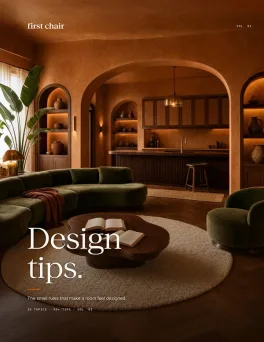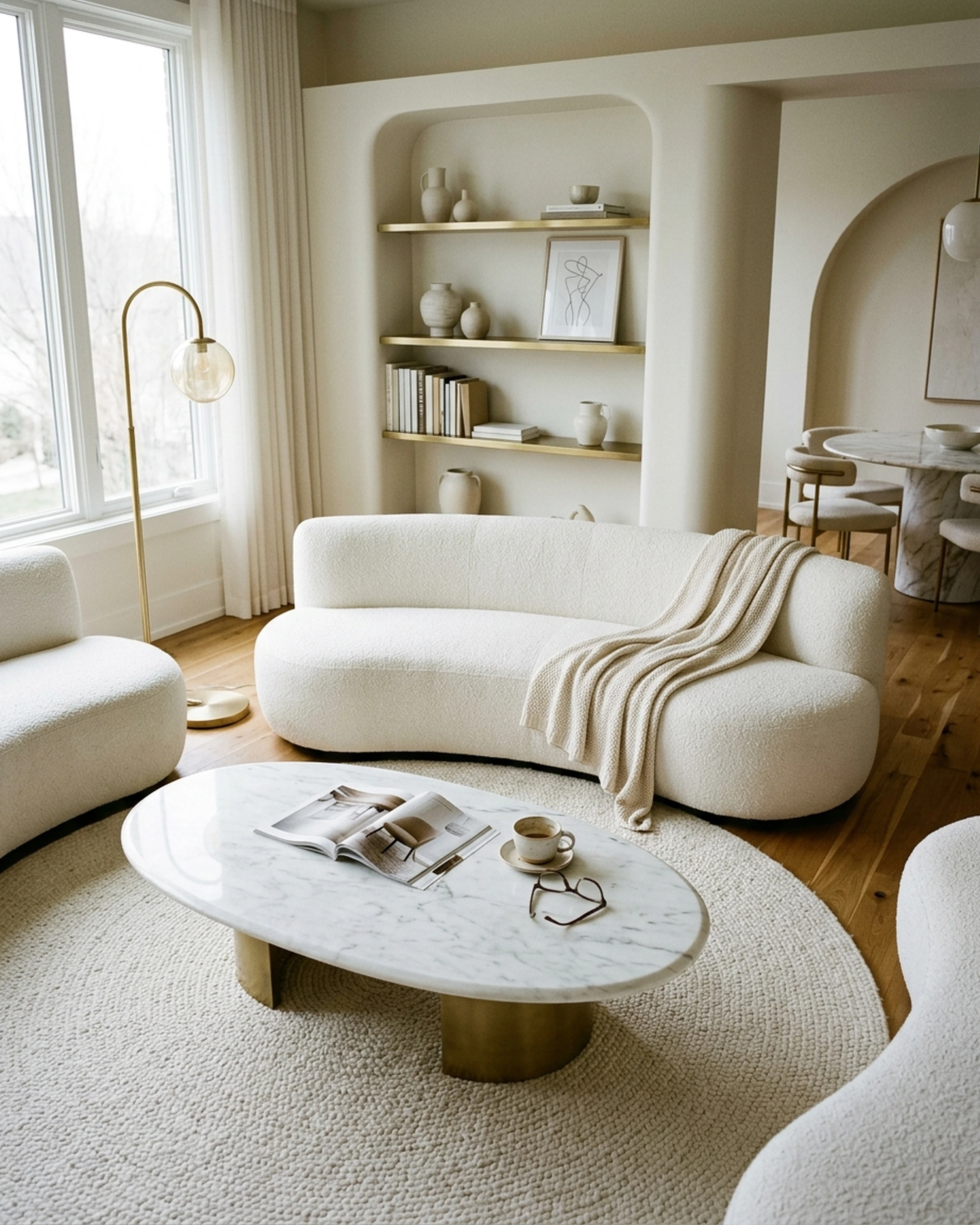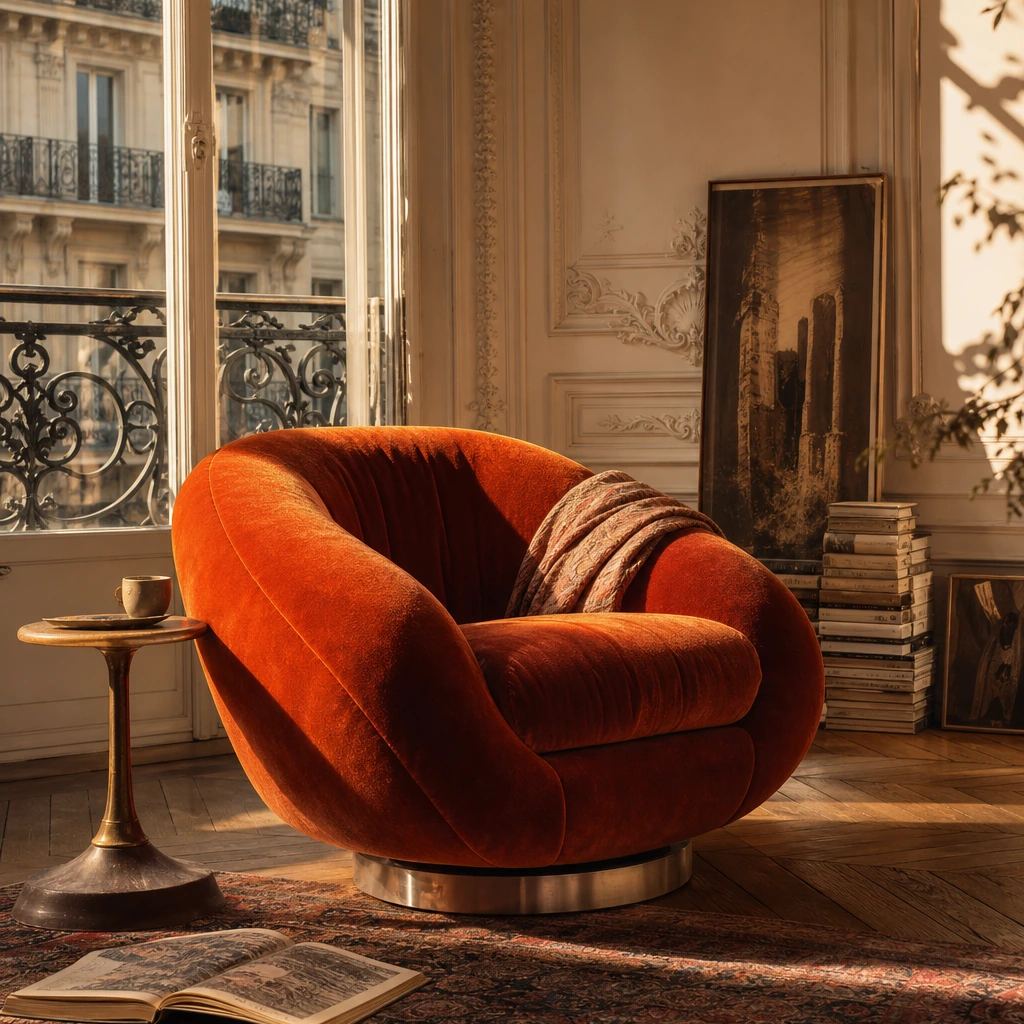
Three weeks after closing on her first condo in Denver, the sectional finally arrives. It looked perfect online. In person, it extends 18 inches into the only path between the living room and kitchen. The dimensions were listed. The floor plan was saved. Somehow the room still feels smaller than before. The return policy requires original packaging, which went out with recycling the week she moved in.
This is how furniture mismatch costs accumulate. Not in dramatic disasters, but in a sofa that's slightly too deep, a rug that pulls warm against cool-toned floors, a dining table that crowds the kitchen doorway. Each piece made sense individually. Together, they create a room that never quite works.
First Chair exists because most people already have taste. The problem isn't knowing what looks good. It's translating saved inspiration into a room you can actually live in, with pieces that work together from retailers like West Elm, CB2, Crate & Barrel, and Pottery Barn, without the $55-90 lesson when something doesn't fit.
Key Takeaways
- Furniture returns cost far more than refunds suggest. Processing a single large furniture return runs $55-90+ per piece, and that's before restocking, inspection, or disposal fees enter the picture.
- Size and style mismatches drive the majority of furniture returns. Return rates for furniture sit between 8-15%, with color, material, and scale issues as the primary causes.
- Damaged deliveries erode trust permanently. When 7.6% of furniture arrives damaged, 51% of affected customers won't repurchase from that retailer.
- Visualization tools dramatically reduce costly mistakes. Shoppers who can see furniture in context before buying can reduce returns by 40-64%, with a 71% reduction in size-related issues specifically.
- The real expense isn't the furniture you return. It's the room that never comes together. Clearance impulse buys, mismatched finishes, and pieces that looked different online add up to spaces that feel temporary years after move-in.
1. Furniture Return Processing Costs: $55-90+ Per Piece
Processing a single large furniture return runs $55-90+ per piece, and that's before restocking, inspection, or disposal fees enter the picture. This cost represents the logistics, labor, and administrative overhead retailers absorb every time a customer sends back a sofa, dining table, or bookshelf.
The sticker price on furniture tells maybe half the story. What you pay at checkout bears little resemblance to what mismatched pieces actually cost over time. Each large piece costs retailers significant operational expenses per return, making furniture one of the most expensive categories to handle in reverse logistics.
2. Industry Return Rates: 8-15% for Furniture
Return rates for furniture sit between 8-15%, with color, material, and scale issues as the primary causes. A coffee table that's 4 inches too wide for comfortable traffic flow doesn't get returned immediately. It just makes the living room feel cramped for months until frustration overcomes the hassle of coordinating a return.
3. Total Retail Returns: $890 Billion in 2024
Retailers processed $890 billion in returns in 2024, representing 16.9% of total retail sales. The lifecycle cost of furniture extends well beyond returns. A dining set with a walnut finish that clashes with oak floors creates low-grade visual friction every day. These costs don't show up on credit card statements, but they're real.
4. Home Goods Handling Fees: 17% of Order Value
Home goods handling fees represent 17% of order value, the highest of any vertical tracked. That $1,200 sectional carries roughly $200 in handling costs built into the system before anything goes wrong. On the customer side, return shipping for an 85-pound sofa ranges from inconvenient to impossible. Return shipping fees for oversized furniture often run $100-200+ when retailers don't offer free returns, adding another layer of cost to an already expensive mistake.
5. Ecommerce Return Rates: 20.4% in 2024
Ecommerce return rates reached 20.4% in 2024, nearly tripling from 8.1% in 2019. This dramatic increase reflects the shift to online shopping without the ability to see, touch, and properly scale furniture before purchase. Impulse clearance buys likely account for a disproportionate share, since these purchases happen fast, with limited consideration of existing pieces or room dimensions. The 60% discount on that accent chair feels urgent, but clearance purchases made in isolation often become the most expensive pieces in a room.
6. Return Processing: 20-65% of Item Value
The cost of processing a return ranges from 20 to 65% of the piece's value. For that $400 clearance chair, the retailer absorbs $80-260 if you return it. For you, the cost is the time, the hassle, and often the non-refundable shipping.
7. Delivery Damage Rate: 7.6% of Furniture
Furniture tops delivery damage charts, with 7.6% of pieces arriving scuffed, scratched, or broken. For an $1,800 sofa, that damage rate means significant risk on the most expensive piece in most homes. When furniture arrives broken, over half of affected customers change their purchasing behavior with that retailer. The impact extends beyond the immediate replacement cost to long-term customer relationships.
8. Customer Loss After Damage: 51% Won't Repurchase
51% of consumers won't repurchase from a retailer after receiving a damaged product. This statistic reveals the permanent reputational cost of delivery failures. A single damaged sofa doesn't just cost the replacement value, it costs every future purchase that customer would have made.
9. Repair and Replacement Costs: £700 ($885 USD) Average
Average repair or replacement costs run £700 (approximately $885 USD) per damaged piece. This figure includes the labor for inspection, repair attempts, and ultimately replacement when repair isn't viable. These costs accumulate quickly across a retailer's inventory. The industry expects $4 billion in lost goods and claims in 2025, a cost that gets distributed across all furniture purchases through higher prices and more conservative return policies.
10. Global Furniture Market: $597.71 Billion in 2025
The global furniture market reached $597.71 billion in 2025, projected to hit $996.38 billion by 2034. That growth comes partly from replacement purchases when initial selections don't work together. Furnishing a three-bedroom house runs anywhere from $15,000 to $50,000+ depending on quality and style. But the initial investment tells you less than how those purchases coordinate over time. Finish conflicts between pieces create rooms that feel cobbled together rather than curated.
How First Chair Reduces Mismatch Costs
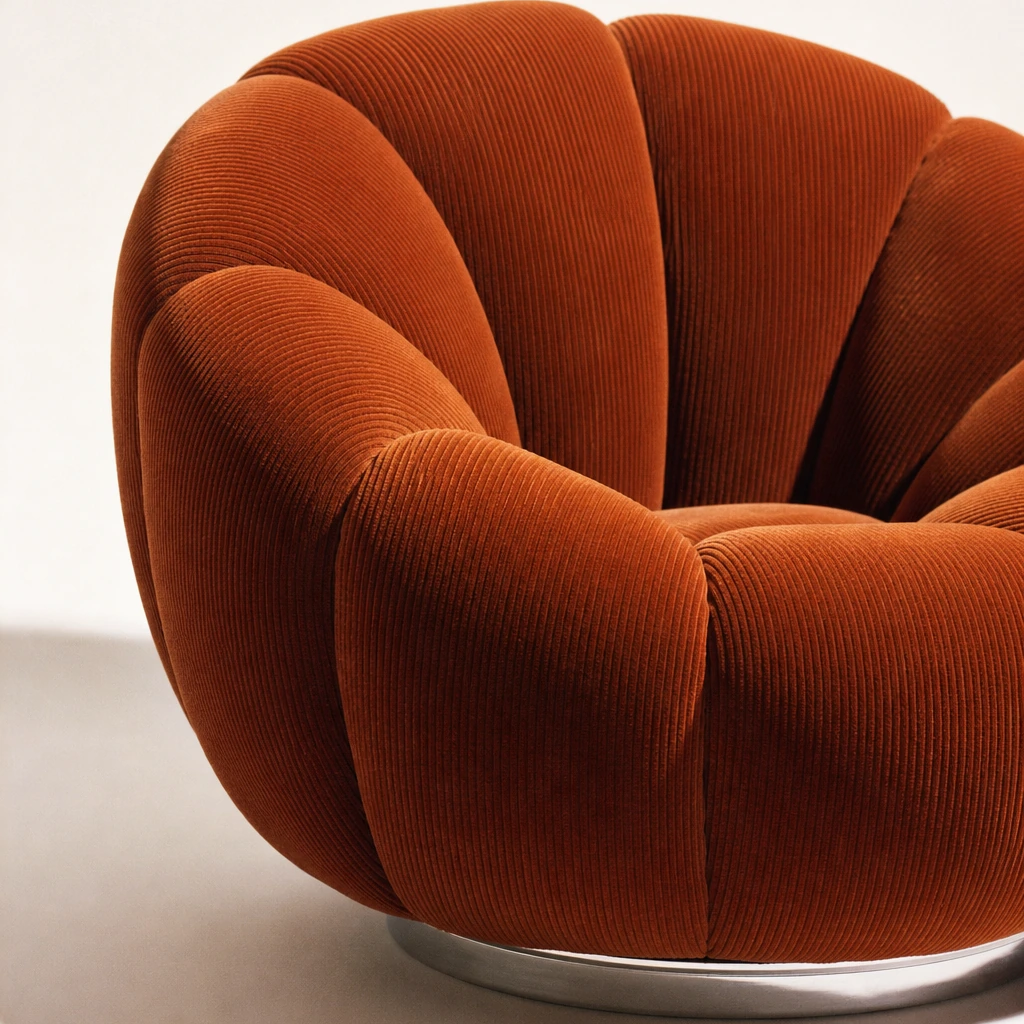
First Chair pulls across brands to find pieces that work together. Rather than scrolling through clearance sections hoping something fits, you get concepts built around actual room needs with insider pricing on most pieces. The platform interprets nuanced direction like "mid-century modern with walnut warmth, deep seats, aged brass" and generates concepts using actual purchasable pieces from West Elm, CB2, Crate & Barrel, and Pottery Barn.
11. Visualization Demand: 67% of Shoppers Want It
67% of furniture shoppers want visualization capabilities before buying. Decision fatigue has a measurable financial cost. Every hour spent with 27 furniture tabs open is an hour not spent on work, relationships, or rest. The mental load of trying to visualize whether that rug works with the sofa in your specific lighting compounds over weeks and months.
12. Size Return Reduction: 71% with Visualization
71% reduction in size-related returns occurs when shoppers can see scale before purchasing. Track arms save 4-6 inches per side compared to rolled arms. In tight living rooms, that's the difference between comfortable circulation and squeezing past furniture. Furniture with visible legs keeps more floor in view, which makes small rooms feel larger.
13. Color and Style Return Reduction: 58% with Visualization
58% reduction in color and style mismatch returns when pieces appear in room context. Seeing how a coffee table's walnut finish relates to existing flooring or how a velvet sofa reads in afternoon light prevents expensive mistakes.
14. Conversion Rate Lift: 40% Higher with Visualization
40% higher conversion rates when shoppers can visualize outcomes. This isn't manipulation. That's confidence. Seeing how a coffee table relates to your existing sofa removes the uncertainty that causes hesitation. Where visualization closes the confidence gap, customers buy with more conviction and return less often. The ability to preview outcomes before purchasing transforms the decision-making process from anxious guessing to informed selection.
15. Overall Return Reduction: 40-64% with Visualization Tools
Shoppers who can see furniture in context before buying drive 40% reduction to 64% reduction in return rates. This range reflects different implementation approaches and product categories, but the pattern is consistent across studies. Visualization technology addresses the fundamental challenge of online furniture shopping: translating two-dimensional product images into three-dimensional room realities. When that gap closes, expensive mistakes decrease dramatically.
16. Industry Adoption: 59% Expanding 3D Visualization
59% of furniture businesses are expanding 3D visualization, partly because trend cycles have accelerated. What feels fresh in spring can feel overdone by fall. Seeing pieces in context before purchasing helps distinguish between "on trend" and "actually works for my life."
17. Customer Acquisition Cost: $129 Per Furniture Customer
Customer acquisition cost for furniture businesses averages $129 per customer, reflecting the marketing required to convert browsers into buyers through an extended consideration process. That $129 CAC reflects the reality of furniture shopping: people hesitate. They compare. They second-guess. They open 47 tabs, save 23 pieces to wishlists across 8 retailers, and still aren't sure what works together.
18. Purchase Abandonment After Bad Returns: 67% Avoid Retailer
67% avoid future purchases after negative return experiences. The difficulty of returning an 85-pound sectional or navigating a confusing restocking fee policy creates lasting negative associations. The hidden costs of unstructured furniture shopping include time investment measured in hours per purchase decision, opportunity cost of mental energy spent on furniture research rather than other priorities, and decision anxiety that delays purchases and extends the "temporary apartment" feeling.
19. Lost Goods and Claims: $4 Billion Expected in 2025
The industry expects $4 billion in lost goods and claims in 2025. That cost gets distributed across all furniture purchases through higher prices and more conservative return policies. This massive figure represents damaged inventory, shipping errors, and fraudulent returns across the industry. Every furniture buyer effectively subsidizes this loss through built-in price premiums.
20. Sales Confirmation: 96% of Leaders See Visualization Impact
96% of furniture leaders confirm that visualization tools have increased sales. The correlation is straightforward: when people can see outcomes before purchasing, they buy with more confidence and return less often.
21. Purchase Likelihood: 11x Higher with Visualization Features
Customers who interact with visualization features are 11x more likely to purchase. That dramatic multiplier reflects the confidence gap that visualization tools close.
Confidence in furniture purchases comes from clarity about what works together. When shoppers can see how a sofa fits their specific living room dimensions, how a coffee table's height relates to seating, and how finishes coordinate, the path from browsing to buying shortens dramatically.
Frequently Asked Questions
How long should quality furniture last before replacement becomes reasonable?
Quality case goods in solid wood should last 15-25 years with normal use. Well-constructed upholstery with hardwood frames and eight-way hand-tied springs typically lasts 10-15 years before cushions need replacing or reupholstering. Budget furniture with particleboard construction and stapled joints often shows significant wear within 3-5 years, making the cost-per-year calculation favor higher initial investment for pieces you'll keep.
What's the best strategy for furnishing a rental where I might move in 1-2 years?
Prioritize pieces that work across multiple layouts and room sizes. Apartment-scale sectionals with reversible chaises adapt to different floor plans. Rugs in standard sizes like 8x10 or 9x12 fit most living rooms. Avoid built-ins or pieces customized to specific architectural features. Invest in quality for pieces you'll definitely keep like bed frames and sofas, and use lower-cost solutions for pieces specific to the current space like bookcases fitted to awkward alcoves or window treatments.
How do I mix furniture from different eras without the room looking like a thrift store?
Cohesion comes from consistent undertones more than matching periods. A mid-century walnut credenza, contemporary oak dining table, and vintage brass floor lamp can work together if the wood tones share warm undertones and the metal finishes coordinate. Limit yourself to 2-3 wood tones and 1-2 metal finishes. Let one era dominate, usually 60-70% of pieces, with others as accents rather than trying to balance equally between periods.
When is it worth paying for white-glove delivery versus standard shipping?
White-glove delivery makes financial sense for pieces over $800-1000, anything requiring assembly you can't confidently handle, and furniture going to upper floors without elevators. The $150-300 premium for white-glove service costs less than repairing damage from standard shipping (7.6% damage rate) or the physical therapy bills from wrestling a sectional up three flights of stairs. For smaller pieces under $500 with manageable assembly, standard delivery usually works fine.
How do I know if a furniture piece is actually well-constructed before buying online?
Look for hardwood frames like kiln-dried oak, maple, or ash rather than engineered wood or metal. Check for reinforced corner blocks and doweled or mortise-and-tenon joinery rather than staples alone. For upholstery, eight-way hand-tied springs indicate quality, though sinuous springs in well-designed configurations work well for lighter use. Read reviews specifically mentioning construction and longevity rather than just appearance. Brands like West Elm, CB2, and Crate & Barrel generally publish construction details. Avoid retailers that don't specify frame materials.