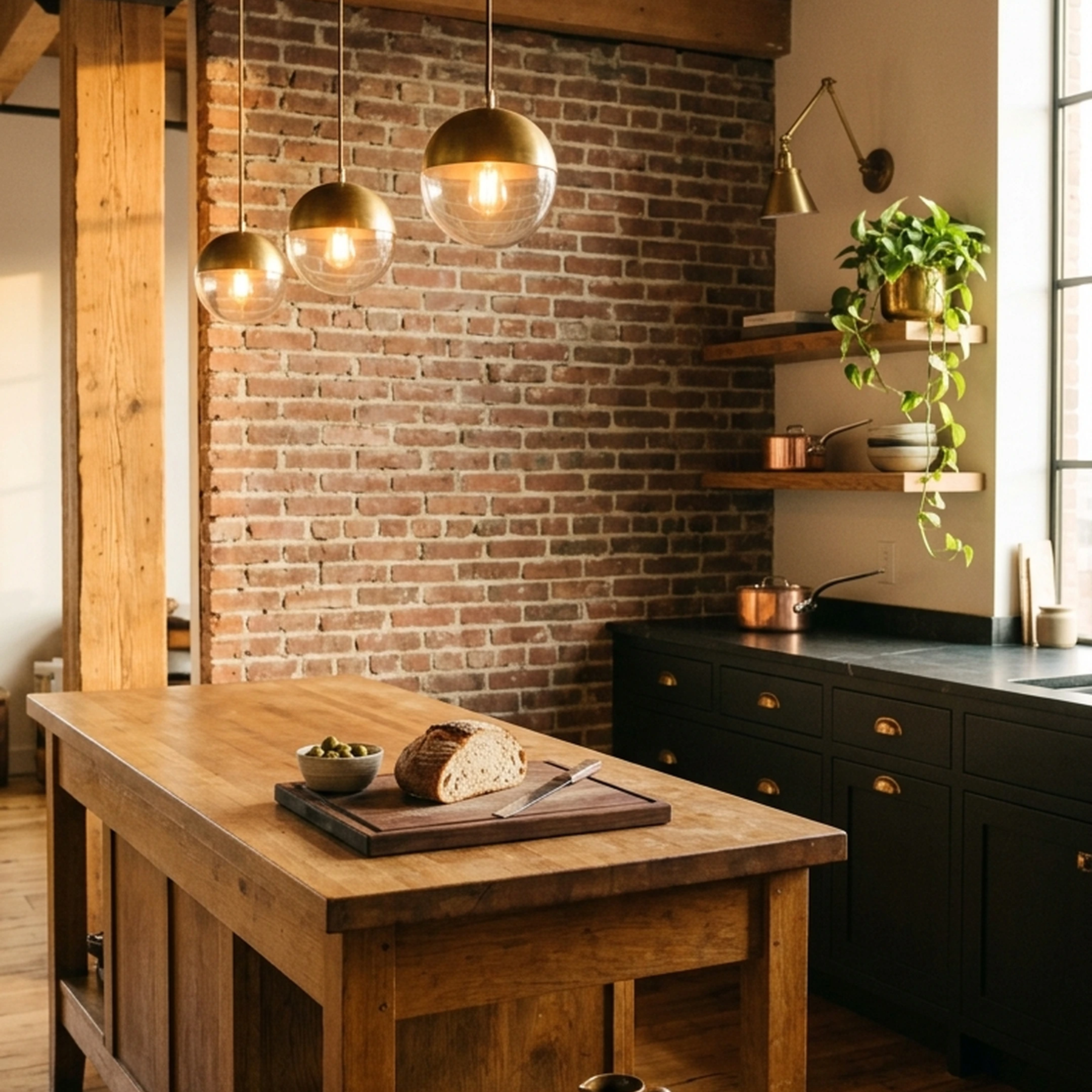
Data-backed insights on which projects recover their cost at resale, and how to furnish the spaces that matter most
You just closed on a 1920s bungalow in Austin. The Pinterest board titled "someday house" is finally relevant. The kitchen needs work. The bathroom tile dates itself. The garage door looks like it survived three decades of Texas summers. But with a limited budget and competing priorities, which project actually moves the needle on home value?
Americans spent an estimated $603 billion on remodeling in 2024, yet most homeowners have no idea which dollars come back at resale. First Chair helps you visualize finished rooms with real, shoppable furniture once the renovation dust settles, but the renovation decisions themselves deserve the same level of clarity.
Key Takeaways
- Exterior projects dominate ROI rankings. Eight of the top ten highest-return improvements are exterior replacements, not interior remodels.
- Garage doors deliver the highest return. At 267% ROI in 2025, garage door replacement outperforms every other project category.
- Minor kitchen remodels outperform major ones. A midrange kitchen update returns 113% ROI. Ultra-high-end finishes rarely pay dollar-for-dollar premiums.
- Most homeowners renovate for themselves, not resale. Only 18% remodel in preparation to sell within two years.
- Personal savings fund most projects. Most homeowners pay out of pocket rather than financing.
Understanding Home Improvement ROI: What It Is and Why It Matters
1. The U.S. home remodeling market continues massive growth
The scale of homeowner investment in their properties keeps climbing. Spending surged from $404 billion to $611 billion between 2019 and 2022. This surge reshaped buyer expectations and raised the baseline for what counts as move-in ready.
2. Homeowners feel more attached to their homes after remodeling
Beyond financial returns, 64% of homeowners reported increased desire to spend time at home post-renovation. This emotional ROI matters, especially when most people renovate for livability rather than immediate resale. The space becomes yours in a way it wasn't before.
3. Homeowners spent roughly $603 billion on remodeling projects in 2024
Renovation has become a mainstream financial priority, especially among homeowners trying to make smaller spaces work harder or finally turn transitional homes into places that feel intentional. The scale of spending also explains why ROI matters so much now.
4. The average homeowner “Joy Score” across remodeling projects is 8.2 out of 10
Not every renovation pays off the same way financially, but the emotional return is often immediate. Projects that improve light, flow, storage, or the overall feeling of a room consistently rank highest in homeowner satisfaction.
What Are the Highest ROI Home Improvements?

5. Garage door replacement delivers 268% ROI
The highest-performing project in 2025 is garage door replacement, returning 268% of cost at resale. This represents a 74% increase from 2024, making it the most dramatic year-over-year improvement in the Cost vs. Value Report. The combination of curb appeal and functionality makes this a no-brainer.
6. Steel entry door replacement returns 216% ROI
A new steel front door ranks second nationally, delivering 216% ROI on an average cost of just $2,435. The combination of curb appeal, security, and energy efficiency makes this a high-impact, low-cost improvement that buyers notice immediately.
7. Manufactured stone veneer achieves 207% ROI
Adding stone veneer to a portion of exterior siding returns 207% of investment, up 55% from the prior year. This project transforms street presence without the cost of full masonry work.
8. Eight of the top ten projects are exterior replacements
The data makes it clear. Eight of ten highest-ROI projects involve exterior improvements rather than interior remodels. Curb appeal drives buyer perception faster than almost any interior upgrade.
9. Fiber-cement siding replacement hits 113% ROI
Replacing aging siding with fiber-cement material now returns 113% of cost, a 26% improvement from 2024. The durability and low maintenance appeal strongly to buyers evaluating long-term ownership costs. Fresh siding signals a well-maintained home.
10. Backup power generators entered the top ten for the first time
Climate concerns pushed generators into the top ten, delivering 95.3% ROI nationally and exceeding 100% in hurricane-prone regions. This marks a real shift in what buyers prioritize when extreme weather becomes routine.
11. Garage door replacement ranked #1 for ROI in all nine U.S. regions evaluated
A garage door sounds boring until you realize how much visual weight it carries. In many homes, especially suburban builds, it’s one of the largest surfaces visible from the street. Replacing an outdated door instantly sharpens curb appeal, which explains why this project consistently outperforms trendier upgrades on resale value.
12. Manufactured stone veneer ROI increased 54.8% year over year to 207.9%
Exterior upgrades are pulling more weight as buyers become increasingly sensitive to first impressions. Manufactured stone veneer adds texture, contrast, and architectural depth without the cost of a full exterior overhaul. Done well, it gives builder-grade facades a more considered, high-end feel, especially alongside warm wood tones, matte black lighting, and cleaner landscaping.
13.19 of the 28 remodeling projects analyzed improved ROI in 2025 versus 2024
The broader trend is clear: homeowners are spending more carefully, but they’re still spending. Projects that improve function, energy efficiency, curb appeal, or everyday livability continue to outperform cosmetic-only updates.
Cost, Value, and Trends
14. Minor kitchen remodel offers 113% ROI in 2025
A midrange kitchen update returns 113% of cost at resale, making it the highest-ROI interior project in the 2025 report. This includes cabinet refacing, new countertops, updated appliances, and refreshed flooring without full layout changes. You get the impact without the six-figure price tag.
15. Kitchen upgrades are the remodeling category seeing the greatest increase in buyer demand
REALTORS® consistently report rising demand for kitchen upgrades because kitchens now carry more emotional weight than almost any other room. It’s where people work, gather, host, and spend most of their time. Even smaller updates like warmer wood tones, better lighting, deeper drawers, or replacing upper cabinets with cleaner storage solutions can completely shift how the home feels.
16. Average minor kitchen remodel costs $28,458
The typical minor kitchen project runs about $28,458 and returns $32,141 in value at sale. This price point allows meaningful transformation without committing to a full gut renovation.
17. A new steel front door delivers 100% cost recovery according to NAR/NARI estimates
Front doors set the tone for the entire home before anyone steps inside. Compared to larger renovations, it’s a relatively low-cost project with an outsized effect on curb appeal, especially when paired with better exterior lighting, fresh hardware, and warmer paint tones around the entryway.
18. Kitchen upgrades achieve a perfect 10/10 joy score
Beyond financial returns, kitchen renovations deliver the highest satisfaction scores among homeowners. The NAR/NARI report shows kitchen upgrades earn a perfect joy score of 10 out of 10. You use the space every single day.
When your kitchen remodel wraps up, the real question becomes what goes in it. A CB2 marble-top island, West Elm counter stools, pendant lighting from Rejuvenation. First Chair generates cohesive kitchen concepts using real pieces you can actually purchase, so the renovation doesn't stall at the finish line.
Boosting Home Value: Strategic Renovation Planning
19. Most homeowners renovate to upgrade worn surfaces
The top motivation for renovating is refreshing worn-out finishes, cited by 27% of homeowners. Dated materials drag down perceived home value even when structural integrity remains sound. Fresh surfaces make everything feel new.
20. Only 18% remodel in preparation to sell
Most renovation activity happens for personal enjoyment rather than immediate resale. Just 18% of homeowners cite upcoming sale as their motivation. People renovate for themselves first.
21. 28% of homeowners say improved functionality and livability matter more than aesthetics or resale value
This is one of the clearest shifts in post-2020 renovation priorities. The strongest upgrades right now are the ones that reduce friction every single day, not just the ones that photograph well for listing photos or Pinterest boards.
22. 23% of homeowners prioritize durability of materials and appliances during renovations
People are renovating with a longer horizon now. Fast-trend finishes and disposable furniture are losing ground to materials that age well and hold up to daily use. Quartz over delicate marble. Performance fabrics over high-maintenance upholstery.
23. The appetite for improvement far exceeds budgets
92% of consumers say they would tackle more projects without financial constraints. This latent demand shapes what buyers expect in the homes they purchase. Expectations keep rising.
The gap between finished renovation and finished room is where most projects stall. Walls get painted, floors get refinished, then the space sits empty for months. First Chair interprets your aesthetic preferences and generates room concepts using pieces from West Elm, CB2, Article, Lulu & Georgia, and other retailers. Real furniture, real rooms, no more open tabs.
Step-by-Step Home Renovation Checklist for Maximum Value
24. Half of Realtors recommend painting before listing
50% of agents advise sellers to repaint throughout before putting a home on market. Fresh paint delivers outsized perception impact relative to cost. It's the easiest way to make everything look cared for.
25. Kitchen upgrades see the greatest demand increase
48% of agents report kitchen improvements as the category seeing the greatest buyer demand growth. This aligns with kitchen ROI data and buyer preference surveys. Kitchens sell homes.
26. Improved functionality matters most to homeowners
When asked what matters most, 28% of homeowners prioritize functional improvements over aesthetics or resale value. Livability drives decisions more than investment calculations. Make the space work better for how you actually live.
Why First Chair
Most renovation projects end in a weird limbo. The walls are painted. The floors are finished. The contractors are gone. And then the room sits half-done for another six months because furnishing it turns into a second full-time project.
First Chair helps you move from finished renovation to finished room without the endless second-guessing. Upload your space, describe the direction you want, or reference a room you love. We turn that into cohesive, shoppable concepts built from real pieces you can actually purchase.
Frequently Asked Questions
What is a good ROI for a home improvement project?
Any project returning above 74% qualifies as strong. Exterior replacements like garage doors and entry doors now exceed 200% ROI, while interior projects typically range from 50% to 115% depending on scope and market conditions.
Which home improvements add the most value to a property?
Garage door replacement leads at 267% ROI, followed by steel entry doors at 216% and manufactured stone veneer at 208%. For interior projects, minor kitchen remodels return the highest at 113%.
Should I prioritize kitchen or bathroom remodels for the best return?
Minor kitchen remodels outperform bathroom renovations, returning 113% versus about 74%. However, both spaces rank among the most important to buyers, so the right choice depends on which room needs more attention in your specific home.
What home improvement projects should I avoid if I want a high ROI?
Over-improving beyond neighborhood norms rarely recovers cost. Major additions and ultra-luxury finishes tend to underperform. Focus on projects that bring your home up to neighborhood standards rather than making it the most expensive house on the block.
Does furnishing a renovated home affect resale value?
Absolutely. Empty renovated rooms often feel smaller and harder to emotionally connect with. Cohesive furnishing helps buyers understand scale, layout, and how the home actually lives day to day. A properly scaled sofa, warmer lighting, textured rugs, and thoughtful dining layouts make renovated spaces feel finished instead of staged halfway through the process.
Can interior design choices impact my home's resale value?
Absolutely. Cohesive, well-furnished spaces help buyers visualize living in a home. Staging and intentional furnishing decisions support faster sales and stronger offers. After renovation, pieces from brands like West Elm, CB2, and Pottery Barn signal quality without requiring custom budgets.
Do renovation projects increase home value immediately?
Usually, yes, but not always dollar-for-dollar. The projects that create the strongest immediate value are the ones buyers notice instantly or assume they’ll have to pay for themselves later. Fresh siding, new garage doors, updated kitchens, modern windows, and better exterior finishes all signal a home that feels maintained rather than deferred. Cosmetic upgrades with broad appeal tend to outperform highly personalized renovations.