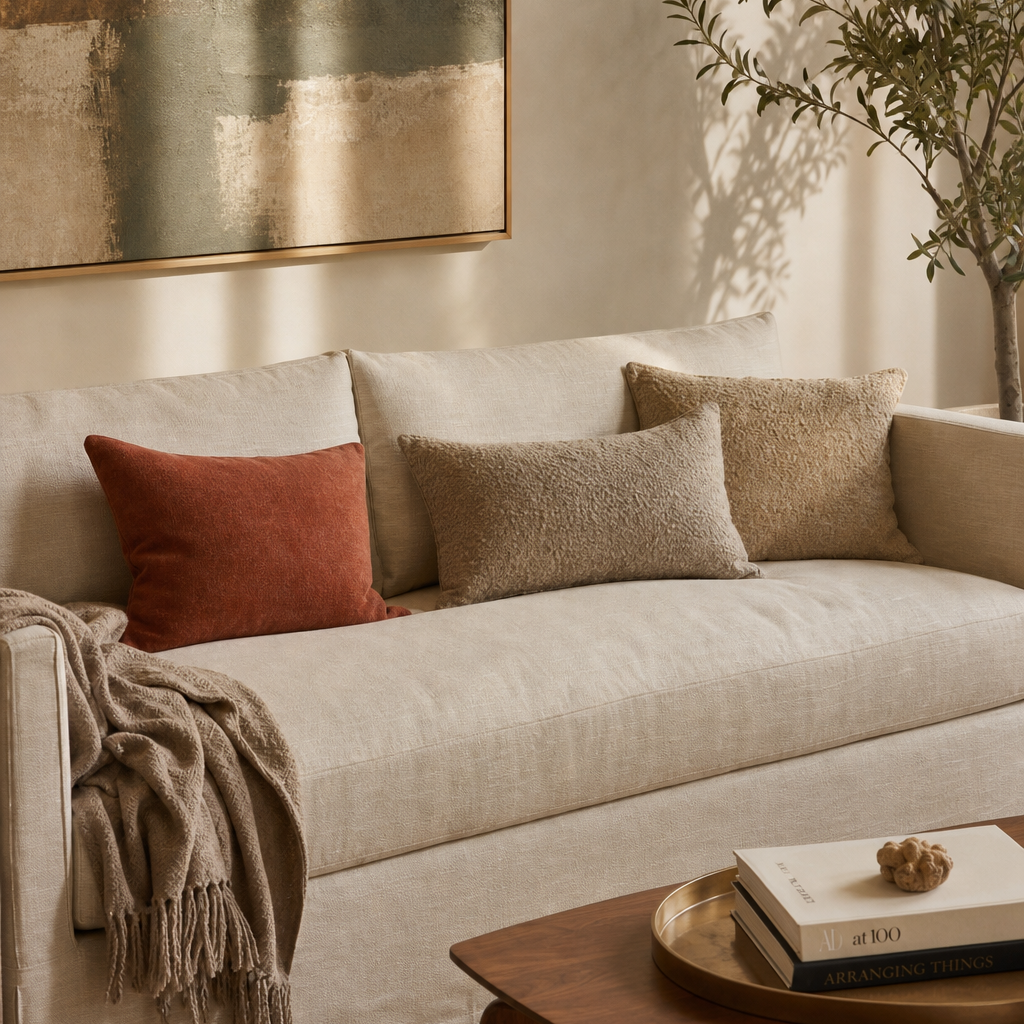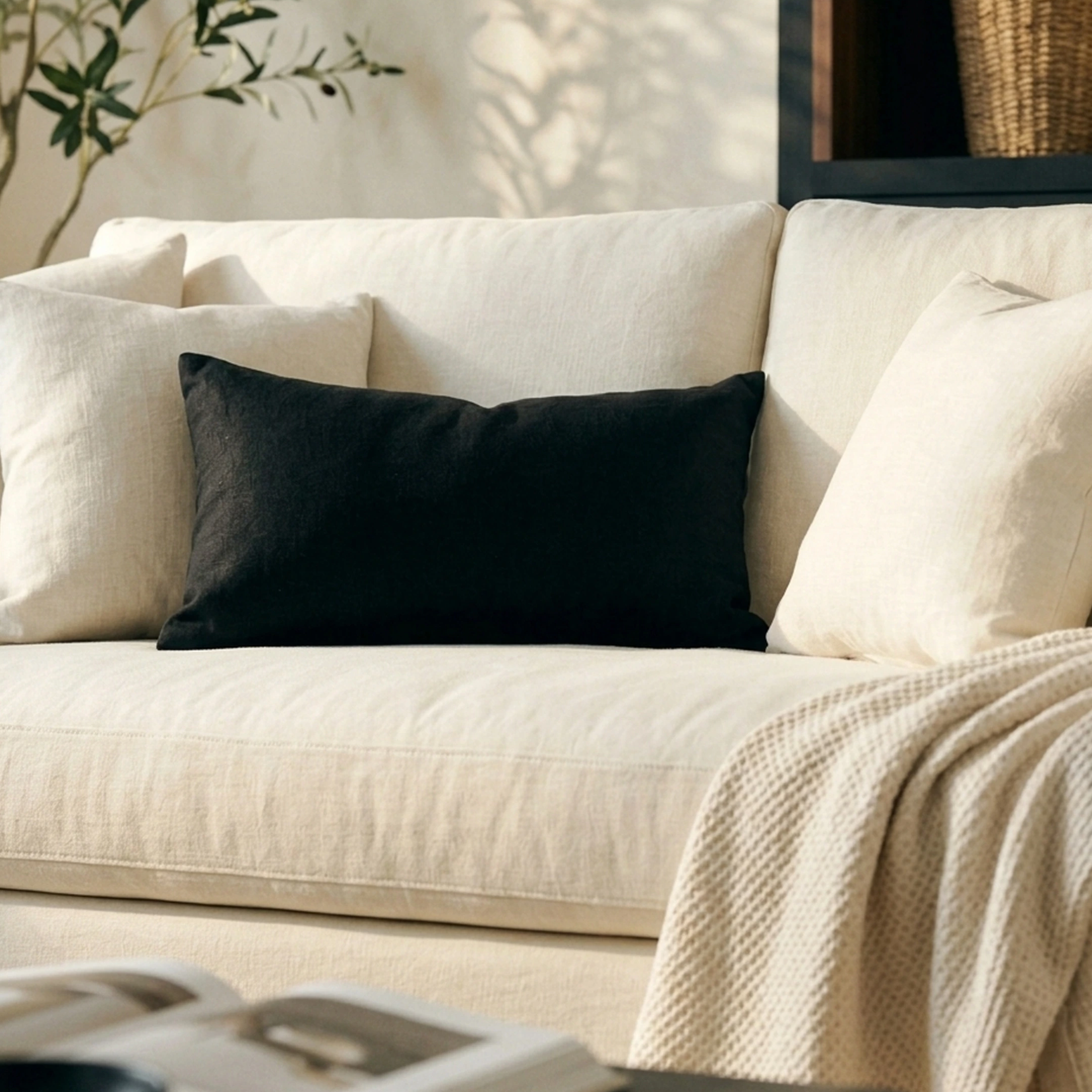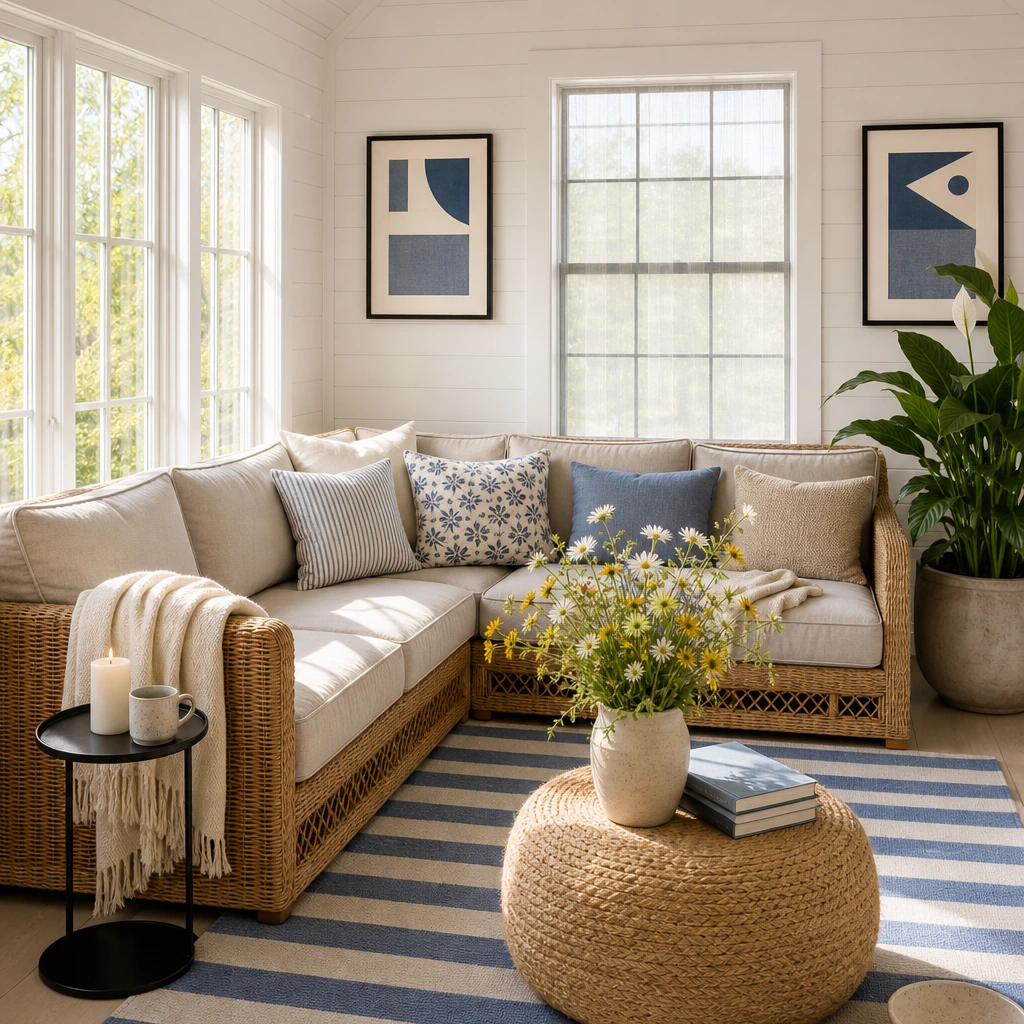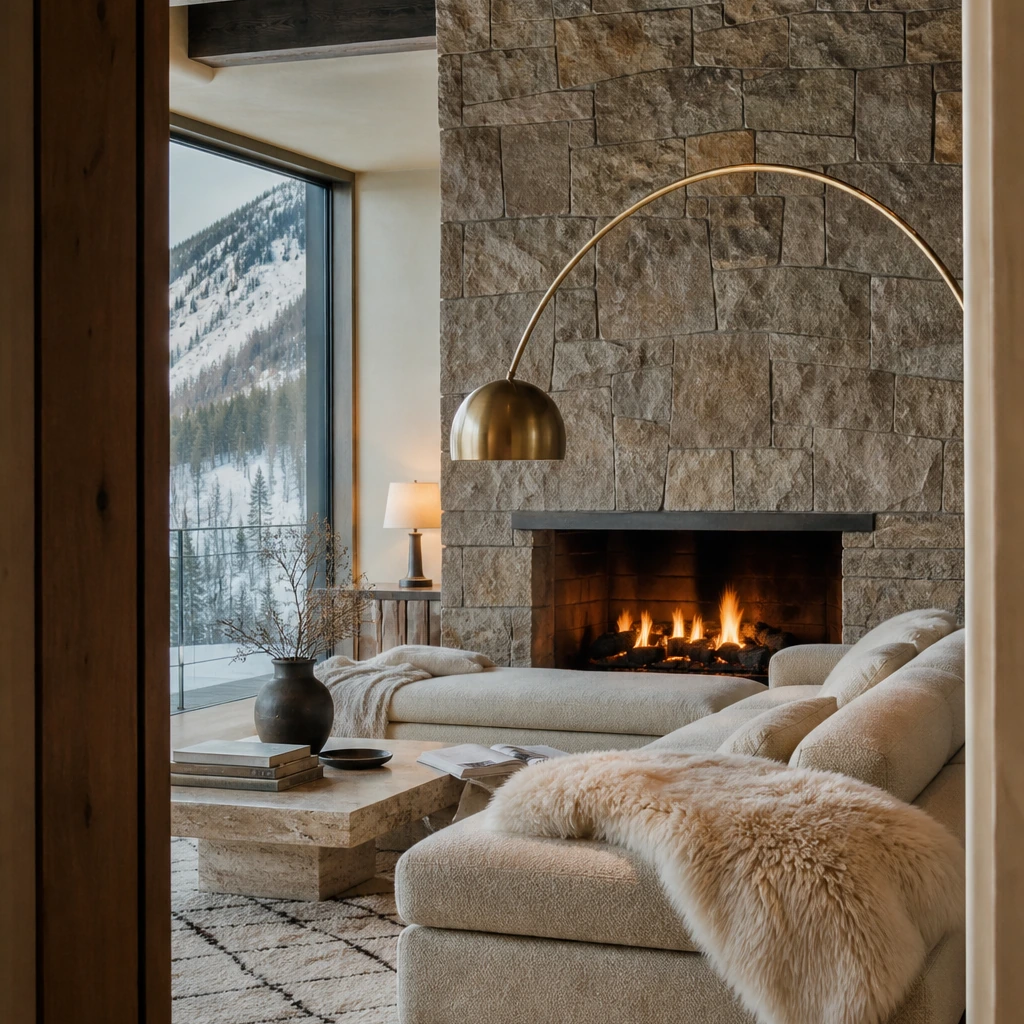

There is a specific kind of frustration that comes from touring a celebrity estate online, whether it is the Highland Park compound or Jordan's completed Florida property, and realizing that the gap between what you are looking at and what you can actually build feels enormous. The scale is different. The budget is different. The seven-acre lot is definitely different.
But here is what those walkthroughs consistently obscure: the design moves that make those spaces feel extraordinary are not primarily about size or budget. They are about discipline. Material coherence. Spatial programming. The decision to design a home around how you actually live rather than around a catalog of conventional room types. Those principles are completely transferable, and they are what this guide is about.
Jordan's residences are worth studying not because they are aspirational in a vague, lifestyle-magazine sense, but because they are case studies in a specific design philosophy: every major space serves a clearly defined purpose, materials are selected for coherence across the whole rather than room by room, and the relationship between interior and exterior is treated as a primary design problem rather than an afterthought. The Highland Park estate also offers one of the most instructive cautionary tales in luxury residential design, a lesson in what happens when personalization overtakes livability.
This guide breaks down the architectural and interior logic behind Jordan's most significant properties and maps each principle to practical, high-end execution. You will learn:
- How lifestyle-based spatial programming works and how to apply it before selecting a single finish
- Which material choices create the warm-modern coherence visible in Jordan's interiors
- How to approach kitchen and bathroom renovations at a level that justifies serious investment
- What layered lighting actually means in practice and which systems deliver it
- How to design a home gym and entertainment space that performs without becoming a maintenance burden
- How to create genuine indoor-outdoor flow rather than just adding a patio
- Which smart home platforms are worth specifying and when to bring them in
Key Takeaways
- Jordan's Highland Park estate sat on the market for over twelve years before selling at a significant discount, largely because hyper-specific personalization (the "23" gate, custom basketball branding throughout) made the home difficult for other buyers to inhabit. Concentrate signature moments in one or two spaces.
- Kitchens and bathrooms remain the highest-priority renovation targets among affluent homeowners. Top-spending homeowners invested a median of $140,000 in renovation projects, with 28% prioritizing kitchens and 25% prioritizing bathrooms.
- Smart home infrastructure should be planned during construction or major renovation. Platforms like Crestron, Control4, and Savant are now accessible to high-end residential projects, but retrofitting is significantly more expensive than planning ahead.
- Biophilic design, which incorporates natural materials, daylight, views, and organic forms, is among the top five interior design trends, with 70% of surveyed designers expecting continued growth.
- Outdoor living spaces are a primary purchase driver for affluent buyers. 73% of affluent buyers value terraces, pools, and outdoor kitchens as a primary feature when purchasing luxury property.
- Wellness spaces are no longer optional in serious luxury design. The American Institute of Architects' 2023 Home Design Trends Survey found that 52% of architect respondents reported increased client interest in home gyms and exercise rooms.
- The most transferable lesson from Jordan's homes is not the scale. It is the commitment to designing around how you actually live before choosing a single finish.
What Makes Michael Jordan's Homes Architecturally Significant

Michael Jordan's residences represent a specific category of luxury residential design: large-scale modern estates built around a clearly defined lifestyle rather than generic luxury signifiers. The Highland Park, Illinois property, a seven-acre estate that Jordan listed for $29 million and eventually sold for $9.5 million, is the most studied example. His Florida compound, completed more recently, reflects a more contemporary approach to indoor-outdoor living in a warm climate.
What distinguishes these properties from generic luxury real estate is intentionality. Every major space, from the professional-grade gym to the paneled cigar lounge to the club-style entertaining areas, was designed around a specific activity. That programming logic is the first and most important principle to borrow.
The Highland Park Estate: Scale, Branding, and the Resale Lesson
The Highland Park mansion is a cautionary tale as much as a design inspiration. The property features custom millwork, a full basketball court, a putting green, a cigar room, and the now-famous "23" rendered into the front gate. It is a masterclass in personalized design. It is also the reason the home sat unsold for over twelve years before finally changing hands.
The lesson is not to avoid personalization. It is to concentrate signature moments in one or two spaces while keeping the rest of the home broadly livable. A custom bar or a dedicated wellness suite reads as a premium amenity. A "23" gate reads as someone else's identity.
The Florida Compound: Modern Luxury Done Right
Jordan's Florida property, designed with architect-level attention to indoor-outdoor flow, reflects a more transferable design philosophy. Clean lines, expansive glazing, seamless transitions between interior entertaining spaces and exterior pool and terrace areas, and a material palette that reads consistently from inside to outside. This is the version worth studying closely.
Lifestyle-Based Spatial Programming: Design Around How You Live
Lifestyle-based spatial programming is the practice of allocating square footage and design investment based on how a household actually spends time, rather than defaulting to conventional room types. It is the foundational principle behind every well-executed estate, and it is the first thing to get right before selecting a single finish or fixture.
The American Institute of Architects' 2023 Home Design Trends Survey found that 65% of architect respondents reported increased client interest in home offices, and 52% in exercise rooms. These are not trend-chasing additions. They reflect a genuine shift in how affluent homeowners think about what a home should do for them on a daily basis.
How to Build Your Own Amenity List
Before selecting a finish or fixture, map the spaces that would genuinely improve your daily life. Jordan's list included a full basketball court, a professional gym, a cigar lounge, a theater, and extensive entertaining areas. Your list will look different, but the process is the same.
A practical framework for high-end homeowners:
- List the five activities you do most at home: cooking, working, exercising, entertaining, recovering.
- Identify which of those activities currently lacks a dedicated, well-designed space.
- Allocate square footage to those gaps before finalizing any renovation scope.
- Treat specialty rooms (gym, wine room, media lounge) as primary design investments, not afterthoughts.
- Assign a maintenance budget to each specialty space before committing to it.
Zoning Large Spaces Without Losing Intimacy
Jordan's Highland Park home uses large open volumes for public entertaining while reserving more enclosed, wood-paneled rooms for private use. This contrast between scale and intimacy is what makes the home feel layered rather than simply large.
You can achieve this without a seven-acre estate. Open living, dining, and kitchen areas create the sense of generous scale. A paneled library, a snug reading room, or a dedicated study creates the counterpoint. The combination is what makes a home feel designed rather than just spacious.
If your renovation leans toward open-plan living, consider adding at least one enclosed retreat: a proper study with floor-to-ceiling built-ins, a reading room with upholstered walls, or a wine room with a tasting table. The contrast does more for the perceived quality of the home than almost any finish upgrade.
High-End Interior Design Elements: Materials, Millwork, and Finish Selection
High-end interior design is defined less by price point than by material coherence: the discipline of selecting finishes that work together across a home rather than room by room. Jordan's residences demonstrate this through consistent use of warm woods, natural stone, and metal accents that read as a unified palette rather than a collection of individual choices.
Biophilic design, which connects occupants to nature through natural materials, daylight, views, and organic forms, is among the top five interior design trends, with 70% of surveyed designers expecting continued growth. Jordan's homes lean heavily into this direction, particularly in the use of wood paneling, stone surfaces, and the visual connection to landscaped grounds.
Custom Millwork: The Detail That Separates Good from Great
Custom millwork is tailor-made woodwork, including paneling, built-ins, cabinetry, and staircases, designed specifically for a space rather than sourced from a catalog. It is one of the clearest markers of luxury residential design, and it appears throughout Jordan's properties in the form of paneled offices, fitted bar areas, and bespoke storage.
For homeowners investing in a serious renovation, built-in cabinetry in living rooms, home offices, and primary dressing rooms delivers both functional and visual returns. Integrated lighting within millwork, display niches, and concealed storage elevate the result significantly. The key is working with a millwork specialist rather than adapting off-the-shelf cabinetry.
Use personal branding carefully. A monogram or subtle motif in one key space, perhaps a custom bar or a study, reads as considered. The same motif repeated throughout the home reads as a theme park.
Premium Surfaces: Stone, Engineered Wood, and Large-Format Porcelain
The surface selections in Jordan's homes follow a consistent logic: natural or natural-looking materials in large formats, with minimal grout lines and maximum visual continuity. This approach makes spaces feel larger and more cohesive.
Practical surface choices for high-end renovations:
Surface TypeBest ApplicationKey BrandsNatural stone slabKitchen countertops, primary bath wallsSpecify through stone yardsEngineered stone (Dekton, Silestone)High-use countertops, outdoor surfacesCosentinoLarge-format porcelainFlooring, shower walls, feature wallsPorcelanosaEngineered hardwoodLiving areas, bedrooms, officesListone GiordanoHoned marblePrimary bath floors, vanity topsSpecify through stone yards
The consistent principle: choose fewer materials and use them more extensively. A single stone carried from the kitchen island to the backsplash to the adjacent bar creates cohesion that no amount of mixing and matching can replicate.
Warm Wood Tones and the Case Against Cold Minimalism
One of the most transferable lessons from Jordan's interiors is the use of warm wood tones to prevent large, well-lit spaces from reading as cold or clinical. Paneled walls in dark walnut or white oak, wood-framed windows, and timber ceiling details all serve this function.
If your renovation leans toward clean lines and neutral palettes, introduce warmth through material rather than color. A white oak built-in, a walnut dining table, or a timber-clad ceiling beam does more to make a space feel livable than any paint choice. This is the move that separates rooms that photograph well from rooms that actually feel good to be in.
Premium Kitchen and Bathroom Renovations Inspired by Jordan's Estates
Kitchens and bathrooms are where luxury design investment delivers the most visible return, both in daily experience and at resale. The renovation data is consistent: these are the two spaces where affluent homeowners concentrate the most investment, and where the experiential gap between a well-designed room and a poorly designed one is most immediately felt.
The vs. Value report shows that a midrange bathroom remodel recoups approximately 66.7% of cost at resale, while a major kitchen remodel recoups around 41.8%. The financial return is partial, but the lifestyle return is immediate and daily.
Kitchen Design Principles from Jordan-Level Estates
A Jordan-inspired kitchen is not about size alone. It is about the combination of a strong material anchor, a clear workflow, and the kind of statement lighting that signals the room was designed rather than assembled.
Key elements to prioritize:
- Waterfall island: A large island with a stone waterfall edge creates a visual anchor and provides counter-height seating for casual entertaining. Specify a stone with strong veining for maximum impact.
- Integrated appliances: Panel-ready refrigerators, dishwashers, and wine storage maintain the visual continuity of the cabinetry run. Sub-Zero, Wolf, and Miele are the standard references at this level.
- Statement pendants: Two or three oversized pendants above the island do more for the room's perceived quality than almost any other single lighting decision.
- Warm wood cabinetry: White oak or walnut cabinetry paired with stone countertops creates the warm-modern combination that reads as both current and durable.
Spa Bathroom Design: The Primary Suite as a Wellness Destination
A spa bathroom is a primary bath designed to replicate the experience of a high-end hotel or wellness facility, incorporating a walk-in shower, soaking tub, heated floors, premium stone surfaces, and layered dimmable lighting. This category has become the single most requested luxury renovation among affluent homeowners. The ASID's 2022 report found that 86% of designers noted increased client interest in wellness-oriented spaces.
The execution checklist for a Jordan-caliber primary bath:
- Walk-in shower with a full stone surround, linear drain, and a rain head plus handheld configuration.
- Freestanding soaking tub positioned as a visual focal point, ideally near natural light.
- Heated stone or porcelain floors (Nuheat or Warmup systems integrate cleanly with most tile installations).
- Dimmable layered lighting: recessed downlights, backlit mirrors, and a decorative pendant or chandelier.
- Double vanity with integrated storage, undermount sinks, and a stone top that continues the material palette from the shower surround.
Fixture brands worth specifying at this level include Kohler's luxury lines, Duravit for minimalist European ceramics, and Grohe for digital shower controls.
Luxury Flooring and Lighting Solutions That Define the Space
Lighting and flooring are the two elements that most determine how a room feels, yet they are consistently under-budgeted in renovation projects. Jordan's estates demonstrate both at a high level: wide-plank hardwood or large-format stone underfoot, and a layered lighting strategy that shifts the mood of a space from day to evening.
LED technology has now caught up to the aesthetic requirements of luxury design, accounting for over 70% of new residential lighting sales by 2022, driven by efficiency, controllability, and design flexibility.
Layered Lighting: The Three-Level System
Layered lighting is the practice of combining ambient, task, and accent light sources in a single space to create depth, flexibility, and visual interest. It is the standard approach in any well-designed luxury interior and the primary reason professionally designed rooms look different from rooms that simply have good fixtures.
The three levels:
- Ambient: Dimmable recessed LED downlights or cove lighting that provides general illumination. Lutron's Caseta or RadioRA systems allow full scene control from a single interface.
- Task: Under-cabinet lighting in kitchens, vanity lighting in baths, and reading lights in bedrooms and studies.
- Accent: Wall-wash lighting for art, cove lighting for architectural features, and landscape lighting for exterior spaces.
Statement fixtures, including chandeliers in entry halls, oversized pendants in dining rooms, and sculptural sconces in primary suites, function as a fourth layer: decorative lighting that contributes to the room's visual identity rather than its illumination levels. Flos and Visual Comfort Group are the standard references for contemporary residential applications.
Flooring Choices That Anchor a Luxury Interior
Wide-plank hardwood in warm tones (white oak, walnut, or European oak) is the most versatile flooring choice for luxury residential interiors. It reads as warm, natural, and durable, and it works across a range of aesthetic directions from modern to transitional.
For kitchens, baths, and entry halls, large-format porcelain or natural stone in a honed finish provides the visual continuity and practical durability that polished surfaces cannot. The key specification detail: minimize grout lines by using large-format tiles (24x48 or larger) and a matching grout color. The visual effect is a continuous surface rather than a tiled floor.
Home Gym and Entertainment Space Design for Serious Homeowners
Dedicated wellness and entertainment spaces are no longer optional in serious luxury design. The AIA's 2023 survey found that 52% of architect respondents reported increased client interest in exercise rooms and home gyms. For Jordan's properties, the gym is not an amenity. It is a primary design investment, built to professional standards with commercial-grade equipment, resilient flooring, mirrored walls, and integrated AV.
You do not need a full basketball court to achieve the same functional quality. What you need is a dedicated space designed from the floor up for its intended use, rather than a spare bedroom with a treadmill added.
Designing a Home Gym That Performs
A well-designed home gym requires four elements working together: the right flooring, adequate ceiling height (minimum 9 feet, ideally 10 or more), proper ventilation, and integrated AV. Everything else is equipment selection.
Flooring options by use case:
Use CaseRecommended FlooringNotesFree weights and strength trainingRubber tile or rolled rubberProtects subfloor; absorbs impactCardio equipmentEngineered wood or rubberStable surface; easier on jointsYoga and stretchingCork or foam tileCushioning and gripMulti-useRubber base layer with removable matsMaximum flexibility
Technogym, a commercial-grade fitness equipment brand, is the standard reference for luxury residential gyms. Life Fitness and Peloton cover strength and connected cardio respectively. For AV integration, work with a home automation specialist to ensure the gym is wired into the same control system as the rest of the house.
Media Rooms and Entertainment Spaces: Scale Appropriately
Jordan's Highland Park estate includes a dedicated theater, a feature that reads as a luxury amenity but can become an underused maintenance burden if oversized. The design analysis of the property notes that the scale of specialty rooms contributed to the difficulty of resale.
The practical alternative is a media lounge rather than a dedicated theater. A well-designed media room with acoustic treatment, blackout shades, a high-quality projection or large-format display system, and comfortable seating delivers the same experiential quality at a fraction of the footprint and cost. It also reads as a flexible entertaining space rather than a single-use room.
If you are designing a room that will be used primarily for film and television, invest in acoustic wall panels, a quality projection system, and seating that is genuinely comfortable for two-hour sessions. Those three decisions matter more than room size.
Outdoor Living and Landscape Design for Estate-Scale Properties
Outdoor living spaces are a primary purchase driver for affluent buyers. 73% of affluent buyers value terraces, pools, and outdoor kitchens as a primary feature when purchasing luxury property. Jordan's Florida compound is the clearest example of this principle executed at the highest level: seamless transitions between interior entertaining spaces and exterior pool, terrace, and landscape areas.
Creating Indoor-Outdoor Flow
The key to successful indoor-outdoor design is alignment: the interior entertaining spaces should open directly onto the exterior living areas, with consistent material palettes connecting the two. Large sliding or folding glass doors, flush thresholds, and continuous flooring materials (stone or porcelain that works in both contexts) are the primary tools.
Practical elements for a Jordan-caliber outdoor living space:
- Outdoor kitchen: A modular outdoor kitchen with a built-in grill, refrigeration, and a bar counter creates a functional entertaining hub. Brown Jordan Outdoor Kitchens produces weather-resistant cabinetry at the appropriate quality level.
- Fire feature: A gas fire pit or linear fire table extends the usability of outdoor spaces into cooler months and creates a natural gathering point.
- Covered lounge area: A pergola or covered terrace with ceiling fans, outdoor-rated lighting, and weather-resistant upholstered seating functions as a true outdoor room.
- Pool surround: Large-format porcelain or natural stone pool coping and surround in a consistent material with the interior flooring creates visual continuity.
Landscape Design at Scale
Estate-scale landscape design is a separate discipline from garden design, and it requires a landscape architect rather than a landscaping contractor. The distinction matters at the level of investment Jordan's properties represent.
Key principles for high-end landscape design:
- Establish a clear structure of lawn, planting beds, and hardscape before selecting plants.
- Use evergreen structure plants (boxwood, yew, hornbeam) to maintain year-round form.
- Invest in mature specimen trees rather than small nursery stock. The visual impact is immediate and the cost is justified at this level.
- Integrate irrigation from the outset. Rain Bird produces estate-scale systems that can be integrated with smart home platforms.
- Treat lighting as part of the landscape design, not an add-on. Path lighting, uplighting for specimen trees, and pool lighting all require design coordination with the interior lighting scheme.
Smart Home Technology Integration for Luxury Residences
Smart home technology is the integration of lighting, climate, security, audio-visual, and shade systems into a centrally controlled platform that can be operated via touchscreen, app, or voice. The global smart home market was valued at $80.21 billion in 2022 and is projected to reach $338.12 billion by 2030, reflecting mainstream adoption of technology once reserved for ultra-luxury estates.
Jordan's properties feature the kind of integrated systems that were, a decade ago, only accessible at the highest price points. The platforms themselves are now within reach of any serious high-end renovation.
Choosing the Right Integration Platform
The three primary platforms for luxury residential automation are Crestron, Control4 (now Snap One), and Savant. Each has a different profile:
PlatformBest ForPrice PointNotesCrestronLarge estates, maximum customizationUltra-premiumRequires certified integrator; most powerfulControl4Mid-to-large luxury homesPremiumWider installer network; strong AV integrationSavantAV-focused luxury homesPremiumStrong emphasis on audio-visual; clean interfaceLutron (lighting only)Any luxury renovationAccessibleBest-in-class lighting control; integrates with all platforms
The most important rule in smart home design: plan the infrastructure during construction or major renovation, not afterward. Conduit runs, network cabling, and control panel locations are far more expensive to add retroactively than to build in from the start.
Smart Home Integration Priorities by Room
Not every room needs the same level of automation. A practical prioritization:
- Primary suite: Lighting scenes, motorized shades, climate control, and security monitoring are the core requirements.
- Main living and entertaining areas: Lighting control, AV integration, and climate are the priorities.
- Kitchen: Under-cabinet lighting control and integrated speakers are the highest-value additions.
- Exterior: Security cameras, landscape lighting control, and gate access are the foundation.
- Home gym: AV integration and climate control are the primary requirements.
Tools and Solutions for Jordan-Inspired Luxury Design
Executing a renovation at this level requires the right vendors across multiple categories. The landscape below reflects the platforms and brands most commonly specified in high-end residential projects.
Smart Home and Integration Platforms
- Crestron Home: Enterprise-grade automation used in many high-end estates; controls lighting, AV, climate, and security in integrated systems. Best suited to large-scale projects with a dedicated integrator.
- Control4 (Snap One): Widely used residential platform providing centralized control and scene management. Broader installer network than Crestron.
- Savant: Premium home automation with emphasis on audio-visual integration and luxury residential applications.
High-End Kitchen and Bath Fixtures
- Kohler: Offers luxury lines including Kohler Konnect smart products and high-end spa features. Wide range from accessible to ultra-premium.
- Duravit: Known for modern, minimalist bathroom ceramics and fixtures used in luxury projects across Europe and the U.S.
- Grohe: High-quality faucets and shower systems with European design and digital shower controls.
Premium Surfaces and Flooring
- Cosentino (Silestone, Dekton): Engineered stone and ultra-compact surfaces used for high-end countertops, flooring, and cladding. Dekton is particularly suited to outdoor applications.
- Porcelanosa: Large-format porcelain slabs, wood-look ceramics, and bath collections common in modern luxury interiors.
- Listone Giordano: High-end engineered wood flooring used in premium European and U.S. residences.
Architectural and Decorative Lighting
- Lutron: Advanced lighting controls and automated shades; widely specified in luxury homes across all price points. Integrates with all major automation platforms.
- Flos: Architectural and decorative fixtures with contemporary Italian design. Strong for statement pieces in living and dining areas.
- Visual Comfort Group (Tech Lighting): Modern fixtures suitable for kitchens, baths, and circulation spaces.
Home Gym and Wellness Equipment
- Technogym: Commercial-grade equipment tailored for luxury residential gyms and wellness suites. The standard reference for Jordan-level home fitness spaces.
- Life Fitness: Professional equipment frequently specified in custom home gyms.
- Peloton: Connected fitness bikes and treadmills used in premium home gyms.
Outdoor Living and Landscape Solutions
- Brown Jordan Outdoor Kitchens: High-end, weather-resistant modular outdoor kitchen cabinetry designed for serious outdoor entertaining.
- Trex: Composite decking used for durable terraces and pool surrounds.
- Rain Bird: Irrigation systems for estate-scale landscapes, with smart home integration capability.
Design Visualization and Planning Tools
- First Chair: For homeowners working through the design direction before engaging contractors and vendors, First Chair translates inspiration imagery and aesthetic preferences into cohesive room concepts built from real, purchasable furniture and decor. It pulls across West Elm, CB2, Crate and Barrel, Pottery Barn, and Lulu and Georgia, which matters when the right room rarely comes from a single catalog. Useful for establishing material palettes, furniture selections, and overall design direction before committing to renovation scope. Member pricing is built in.
- SketchUp: Widely used for 3D visualization of interior layouts and millwork details.
- Houzz Pro: Project management and mood-board tools for designers and luxury clients.
Best Practices for Jordan-Inspired Luxury Home Design
These practices are drawn from industry research, architectural guidance, and the documented lessons of Jordan's own renovation history.
- Program before you design. Map your amenity list and allocate square footage before selecting a single finish. The rooms that get designed last, specialty spaces like gyms and wine rooms, should be planned first.
- Choose a material palette and commit to it. Select three to four primary materials (a stone, a wood, a metal finish, and a textile) and use them consistently across the home. Coherence is what separates a designed home from a decorated one.
- Invest in custom millwork in at least two spaces. Built-in cabinetry in a living room and a primary dressing room delivers more perceived quality per dollar than almost any other renovation investment.
- Layer your lighting before you choose fixtures. Plan ambient, task, and accent lighting for each room before selecting a single fixture. The fixture choices follow from the lighting plan, not the other way around.
- Plan smart home infrastructure during construction. Conduit, cabling, and network infrastructure cost a fraction of what they cost to retrofit. Even if you are not ready to install a full automation system, run the infrastructure now.
- Align indoor and outdoor entertaining spaces. The most transferable lesson from Jordan's Florida compound is the seamless connection between interior and exterior. Large doors, flush thresholds, and consistent materials do more for this than any individual outdoor furniture choice.
- Scale specialty rooms to actual use. A media lounge you use three times a week is a better investment than a dedicated theater you use three times a year. Design for how you actually live, not for how the listing will read.
- Concentrate personalization. One signature space, a custom bar, a dedicated study, a wine room with a tasting table, reads as a premium amenity. Personalization distributed throughout the home reads as a resale liability.
Common Mistakes to Avoid When Emulating Celebrity Home Design
These pitfalls are repeatedly documented in practitioner articles, real estate analyses, and the specific case history of Jordan's Highland Park estate.
1. Over-personalization that eliminates other buyers. Jordan's Highland Park estate is the definitive case study. The "23" gate, custom basketball branding, and highly specific program made the home difficult to sell for over a decade, ultimately selling at a significant discount from the original asking price. Keep signature moments to one or two spaces.
2. Oversizing amenities without considering use frequency. A full basketball court, a twelve-seat theater, and a regulation-size putting green are extraordinary amenities. They are also expensive to maintain and difficult to repurpose. Scale specialty rooms to realistic use patterns.
3. Selecting materials room by room rather than across the home. The most common mistake in high-end renovations is treating each room as a separate design problem. The result is a home that feels like a collection of nice rooms rather than a cohesive residence. Establish the palette first, then apply it.
4. Retrofitting smart home technology. Pulling wire through finished walls is expensive and disruptive. The infrastructure decisions, conduit runs, network cabling, control panel locations, should be made during construction or major renovation. Doing this afterward costs three to five times more.
5. Under-investing in lighting design. Lighting is consistently under-budgeted relative to its impact. A room with a $50,000 sofa and inadequate lighting will feel worse than a room with a $5,000 sofa and well-designed layered lighting. Allocate at least 10% of a room's renovation budget to lighting.
6. Treating outdoor spaces as an afterthought. The outdoor living areas in Jordan's Florida compound are not an add-on. They are a primary design investment that drives the entire indoor-outdoor relationship. Plan exterior spaces in the same phase as interior spaces, not after the interior is complete.
7. Choosing trendy materials over durable ones. Luxury design should age well. Polished marble floors, high-gloss lacquer cabinetry, and ultra-white grout are all choices that look exceptional in photographs and require significant maintenance in daily life. Honed stone, matte finishes, and matching grout colors are more durable and more forgiving.
8. Skipping the landscape architect. At the level of investment Jordan's properties represent, landscape design is a professional discipline, not a contractor service. A landscape architect establishes the structure of the grounds; a landscaping contractor executes it. Engaging the wrong professional at the planning stage is an expensive mistake to correct.
Frequently Asked Questions
What are the most transferable design principles from Michael Jordan's homes?
The most transferable principles are lifestyle-based spatial programming (designing around how you actually live before selecting finishes), material coherence (choosing a palette and applying it consistently across the home), and the relationship between indoor and outdoor entertaining spaces. These principles apply regardless of scale or budget.
Why did Michael Jordan's Highland Park mansion take so long to sell?
The Highland Park estate sat on the market for over twelve years primarily because of hyper-specific personalization: the "23" gate, custom basketball branding throughout the property, and a program (full basketball court, cigar room, large-scale entertainment spaces) that was difficult for other buyers to inhabit or repurpose. It eventually sold for $9.5 million, significantly below the original $29 million asking price.
What is the best smart home platform for a luxury residential renovation?
The right platform depends on the scale of the project and the integrator network in your area. Crestron is the most powerful option for large estates with dedicated integrators. Control4 (Snap One) offers a broader installer network and strong AV integration for mid-to-large luxury homes. Savant is particularly strong for audio-visual focused applications. Lutron is the best-in-class choice for lighting control specifically and integrates with all three platforms.
How much should a luxury home gym cost to design and equip?
A well-designed home gym at the level Jordan's properties represent typically involves commercial-grade equipment (Technogym, Life Fitness), resilient rubber flooring, mirrored walls, proper ventilation, and integrated AV. Equipment alone for a serious multi-use gym can range from $50,000 to $200,000 or more. The room build-out, including flooring, mirrors, HVAC, and AV integration, adds significantly to that figure. The more important question is whether the space is designed from the floor up for its intended use, rather than adapted from an existing room.
What outdoor living features add the most value to a luxury property?
Outdoor living spaces are a primary purchase driver for affluent buyers, with 73% of affluent buyers valuing terraces, pools, and outdoor kitchens as a primary feature. The highest-value outdoor investments are a well-designed pool with quality coping and surround, a covered outdoor lounge area with weather-resistant upholstered seating, and an outdoor kitchen with a built-in grill and refrigeration. The key is treating these as designed spaces rather than assembled amenities.
How do I avoid the resale problems Jordan experienced with his Highland Park estate?
Concentrate personalization in one or two spaces rather than distributing it throughout the home. Keep specialty rooms (gym, wine room, media lounge) broadly functional rather than hyper-specific. Avoid exterior branding or architectural features that are difficult to remove or repurpose. The goal is a home that feels deeply personal to you while remaining genuinely livable for someone else.
Conclusion: From Jordan's Estates to Your Own
The design logic behind Michael Jordan's residences is more accessible than the scale suggests. The principles that make those spaces feel extraordinary, lifestyle-based programming, material coherence, layered lighting, genuine indoor-outdoor flow, and the discipline to concentrate personalization rather than distribute it, are principles any serious renovation can apply.
The Highland Park estate offers the most important lesson: a home designed exclusively around one person's identity is not a luxury asset. It is a liability. The Florida compound offers the more useful model: a clearly considered design philosophy executed with material discipline and a genuine commitment to how the space will actually be used.
Start with your amenity list. Establish your material palette. Plan your lighting before you choose a fixture. Run your smart home infrastructure before you close the walls. And if you are working through the design direction before engaging contractors and vendors, First Chair can help you move from inspiration imagery to a cohesive, purchasable room concept built from real furniture and decor, so the decisions you bring to your renovation team are already considered rather than still open.
The room you have been imagining is closer to buildable than it looks.