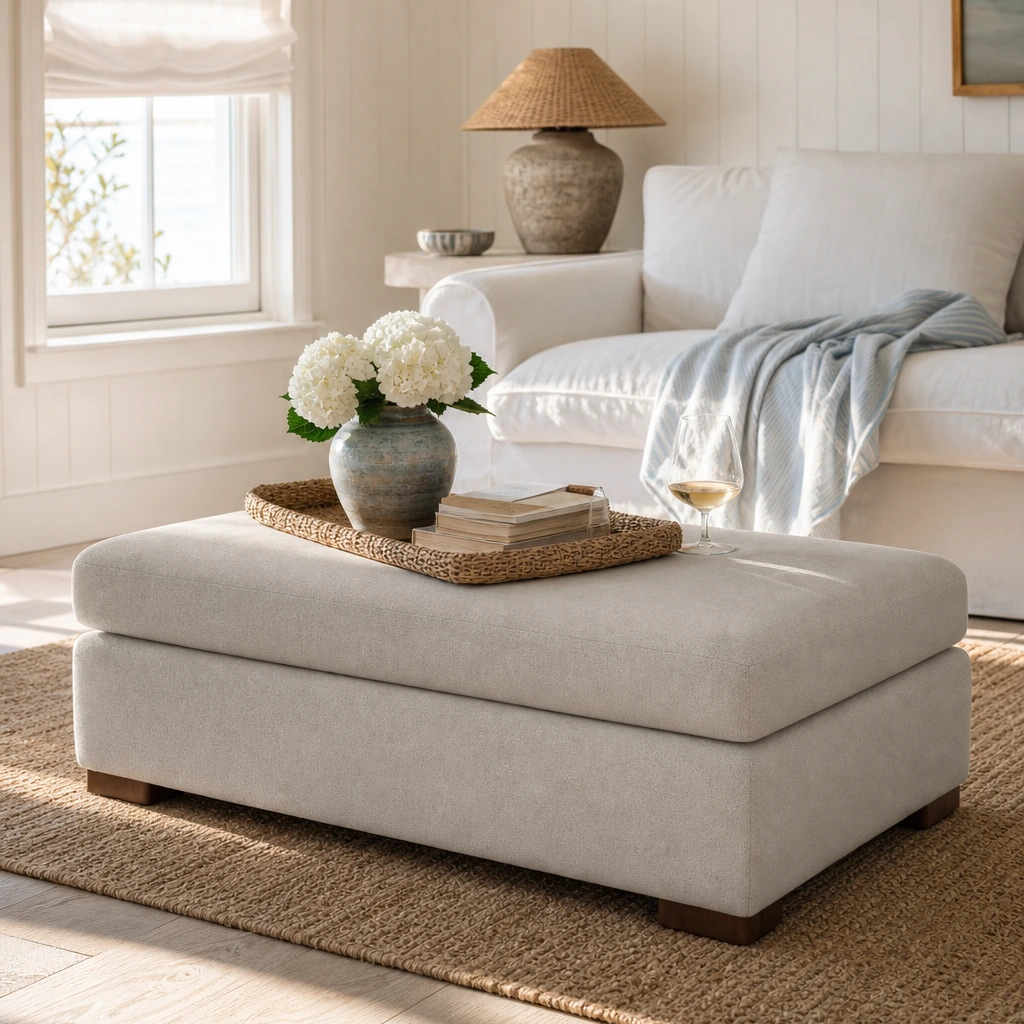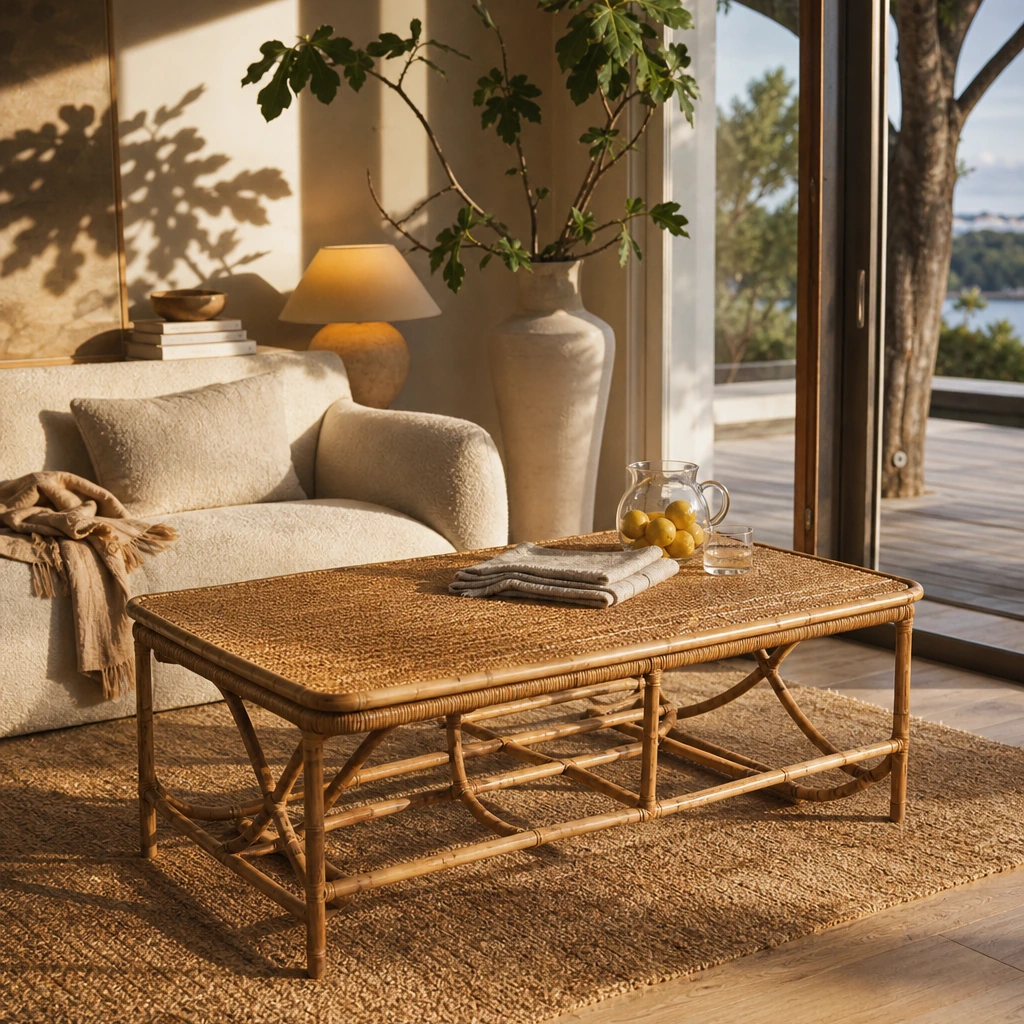
Your Upper West Side living room works perfectly at 10 a.m. By 8 p.m., it’s another story. The overhead light makes dinner feel like a waiting room, the pale rug disappears once the sun goes down, and the corner where you read somehow never feels as inviting as the one you saved from that Domino apartment tour.
You don’t dislike the room. You actually love most of what’s in it. The West Elm dining table stays. So does the vintage Chairish mirror and the sofa you spent three months choosing. What you want is for the same room to feel brighter on a Sunday morning, warmer when friends come over, and calmer when you’re home alone at night.
That doesn’t require starting over. Different room moods often come from changing the layers around your biggest pieces: warmer lighting, softer texture, a stronger rug, different pillows, art, or one piece that shifts the balance of the room. First Chair helps you figure out which changes will do the most work, then find real, shoppable pieces that fit what you already own.
Key Takeaways
- Color changes alone deliver 60-70% of your room's perceived transformation, making paint and textiles your highest-impact starting point
- Layered lighting with dimmable fixtures between 2700-3000K creates flexibility to shift mood throughout the day without buying new furniture
- Mixing three to five textures in a single room adds emotional depth and sophistication faster than any single large purchase
- Rearranging furniture delivers a psychological reset that reduces stress and creates a sense of forward momentum
- Plants and natural materials provide measurable stress reduction benefits, not just aesthetic appeal
- Artwork should cover 60-75% of available wall width and hang at 150-160cm from the floor for proper visual impact.
Redefine Your Living Room: Simple Decor Ideas for a New Vibe
The Power of a New Rug: Anchoring Your Space
Your rug sets the emotional foundation of the entire room. A warm, textured rug in terracotta or ochre grounds furniture and creates intimacy, while a cool, low-pile option in slate or cream opens up space visually.
The move that matters most:
- Size up, not down. A rug that's too small makes furniture float awkwardly. Aim for front legs of seating pieces resting on the rug at minimum.
- Prioritize texture over pattern. A chunky wool or jute rug from West Elm or Lulu & Georgia adds warmth without competing with existing pieces.
- Consider warmth literally. Warmer earth tones increase feelings of comfort by approximately 40% compared to stark neutrals.
Skip the 5x7 rug in a room that needs an 8x10. That extra footage anchors the conversation area and makes the whole space feel more intentional.
Lighting Layers: Setting the Atmosphere
One overhead fixture is the enemy of mood. Living rooms need at least three light sources at different heights: ambient, task, and accent.
Layer your lighting this way:
- Floor lamp in the corner for overall ambient glow
- Table lamp beside seating for reading and conversation
- Accent light on a bookshelf or art piece for depth and drama
Dimmers are non-negotiable. A room that feels energizing at noon should feel cozy at 9pm without changing a single piece of furniture.
Bedroom Bliss: Easy Makeover Ideas for a Serene or Energetic Space
Textile Transformations: Beyond the Duvet Cover
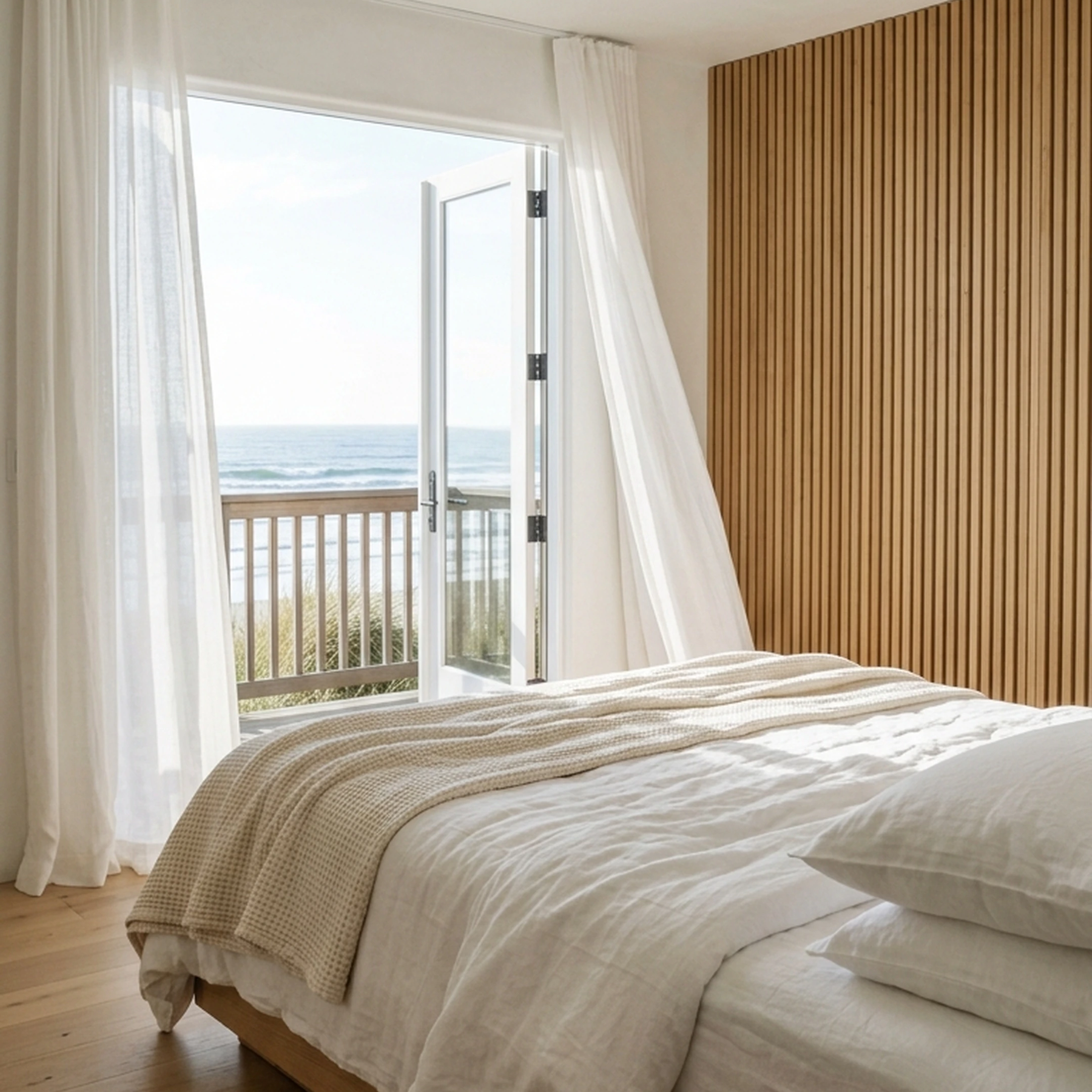
For a calming retreat, layer white linen sheets under a heavier textured coverlet in soft sage or warm gray. Add two to three throw pillows in complementary textures, not matching patterns. Include a chunky knit throw at the foot for visual weight.
For an energizing morning space, choose crisp cotton in brighter whites with high contrast accent pillows. Skip heavy drapes for light-filtering roman shades. Add a statement headboard from Article or Interior Define as your focal point.
Mixing three to five different textures in the bedroom creates emotional depth faster than any single expensive purchase.
Creating a Focal Point: Art and Headboards
Most people hang art too small and too high. Professional designers specify that artwork should cover 60-75% of available wall width and sit at 150-160cm from the floor to eye level.
A single large piece above the bed creates more impact than a scattered gallery wall. Look to Chairish or 1stDibs for original art that carries emotional weight, or commission a custom piece that means something to you personally.
Transforming Small Spaces: Clever Home Decor Ideas for Function and Feel
Small rooms punish bad choices harder than large ones. Every piece needs to earn its place.
The good news: small spaces also respond faster to thoughtful furniture selection.
Strategic Furniture Choices for Compact Areas
Skip the "small space" branded furniture from mass retailers when the construction feels short-lived. Instead, focus on pieces with visible impact.
- Choose visible legs. Furniture that shows floor beneath it makes rooms feel larger. A sofa with 6-inch legs opens up visual space compared to a platform style.
- Go for track arms over rolled arms. Track arms save 4-6 inches per side in tight living rooms.
- One properly-scaled sofa beats multiple small chairs. Fighting for space with competing pieces creates visual chaos.
Maximizing Light and Illusion in Small Rooms
Mirror placement multiplies natural light. Position mirrors opposite windows to bounce daylight deeper into the space.
A large leaning mirror from Rejuvenation or CB2 creates the illusion of a second window. Vertical storage draws the eye up and uses dead wall space. Floating shelves above seating or a tall bookcase in a corner add function without eating floor area.
Setting the Scene: Using Mood Lighting to Instantly Shift Atmosphere
Lighting affects mood restoration by approximately 30%. That's not marketing speak. Your space's lighting temperature and intensity directly influence how you feel in it.
The Layered Approach: A Brighter Outlook
The formula works across every room:
- Ambient light (2700-3000K for warm, 4000K+ for energizing) sets the base mood
- Task lighting where you actually need to see, angled properly
- Accent lighting on art, plants, or architectural features for depth
Smart bulbs with color-changing capabilities let you shift from productive daylight tones to evening warmth without touching a switch. Philips Hue or similar systems pay for themselves in flexibility.
Warm vs. Cool Tones: Impact on Room Feel
Warm lighting (2700K) reads as cozy, intimate, and relaxing. Cool lighting (4000K+) reads as alert, productive, and modern.
Most homes need both. Your living room at dinner time wants warm. Your home office during work hours wants cool.
Dimmable fixtures with adjustable color temperature solve this without owning two sets of lamps. Rejuvenation and Visual Comfort carry fixtures that don't sacrifice style for function. A well-designed sconce or pendant does both.
Decorating with Intention: Tips for Expressing Your Unique Style
Finding Your Aesthetic Language: Beyond Broad Categories
"Mid-century modern" and "farmhouse" are starting points, not destinations. Your actual style has layers.
Maybe it's mid-century modern with walnut tones, warm leather, and rounded arms. Maybe it's Scandinavian with deeper seats, softer textiles, and unexpected warmth.
The 2025 design consensus has moved decisively away from stark white minimalism. Designers report widespread embrace of color drenching, where a single rich hue covers walls, trim, and even ceilings. Burgundy, olive, ochre, and terracotta are defining this shift toward color confidence.
The Art of Accessorizing: Small Changes, Big Impact
Accessories tell the story of who actually lives in the space. But there's a hierarchy:
- One to two statement pieces per room maximum
- Odd numbers in groupings, almost always three or five
- Varied heights in any vignette, from short object to tall
- Personal meaning over pure aesthetics
A brass bowl from your travels, a stack of art books you actually reference, and a ceramic piece from a local artist create more mood than a perfectly styled tray of matching objects from the same store.
Curated Choices: How Design Tools Can Elevate Your Home's Mood
The gap between inspiration and execution is where most rooms stall. You know what you want it to feel like. You have Pinterest boards proving it.
But translating saved images into actual purchasable furniture pieces is a different skill entirely.
Design visualization tools help you see whether the pieces you're considering actually create the mood you're after. Upload an inspiration image, describe the direction you want, and see what a cohesive room could look like before you buy anything. The shift from endless browsing to confident decision-making usually requires outside perspective. Whether that's a friend with great taste, an interior designer, or an AI that interprets your aesthetic preferences into shoppable concepts.
Smart Shopping for Mood: How to Source Decor Without Overwhelm
Avoiding 'Endless Tab' Syndrome
Twenty-seven open tabs and nothing in your cart is the furniture shopping experience most people know. It's exhausting and counterproductive.
Studies confirm that decluttering and organization reduce stress by up to 40%, and that includes your browser.
The antidote is constraint:
- Set a budget range before you start, not after you fall in love with something
- Limit yourself to three retailers per shopping session
- Save everything to one place instead of scattered bookmarks
- Make a decision within 48 hours or delete the tab
Stop overwhelming yourself by shopping with intention instead of browsing endlessly.
Ensuring Cohesion in Your Purchases
Cohesion doesn't mean matching. It means pieces that share a conversation, usually through material, scale, or color temperature.
A room with a West Elm leather sofa, a CB2 glass coffee table, and a Lulu & Georgia wool rug can feel completely unified if the wood tones are consistent (all warm walnut vs. all cool oak) and the metal accents match (all aged brass vs. all chrome).
Beyond the Basics: Embracing Handcrafted and Unique Decor for Depth
Infusing Personality with Unique Pieces
Mass-produced rooms feel mass-produced. One vintage find or artisan piece breaks that spell entirely.
Look to:
- Estate sales and consignment shops for pieces with history
- Local ceramicists and textile artists for one-of-a-kind accessories
- Chairish or 1stDibs for vintage furniture with character
- Anthropologie Home for handcrafted accents
A hand-thrown pottery vase carries weight the mass piece never will.
The Charm of Imperfection: Adding Character
Perfect symmetry reads as staged. Intentional imperfection reads as lived-in.
A slightly worn leather club chair from a vintage dealer adds more character than its brand-new equivalent from any showroom.
Room Refresh: How to Create Impact
The Transformative Power of Paint and Plants
Rearranging furniture creates a sense of control, forward momentum, and reduces stress while boosting mood, even without purchasing anything new.
Move your sofa to face the window instead of the TV. Float it in the room instead of pushing it against the wall. See what happens.
Paint remains the highest-impact transformation available. One accent wall in a rich green or warm terracotta changes everything about how the room feels.
Indoor plants reduce stress levels, improve concentration, and enhance memory retention. Start with low-maintenance options like pothos, snake plants, or rubber trees. Group three varying heights together for visual impact.
Shopping Smart: High Impact
Prioritize your spending by impact:
- Lighting fixtures change mood instantly
- Textiles (pillows, throws, curtains) transform color and texture
- Art and mirrors create focal points without floor space
- Hardware swaps on existing furniture read as entirely new pieces
Skip the complete furniture replacement. A new lamp, fresh throw pillows, and properly hung art will shift your room's mood more than another sofa swap.
Why First Chair Makes Mood Transformation Feel Possible
Most people know what they like. The Pinterest board proves it. The problem is translating that inspiration into a finished room that actually exists, with furniture you can buy and pieces that work together.
First Chair interprets your inspiration images and style language into cohesive room concepts using real, shoppable furniture from West Elm, CB2, Crate & Barrel, Pottery Barn, Lulu & Georgia, and brands you haven't discovered yet.
No fake AI renders. No furniture that doesn't exist. Just clear direction on what to buy and why it works together. Every piece First Chair recommends is real and purchasable. The mood you're after becomes a room you can actually come home to.
Frequently Asked Questions
What are the quickest ways to change a room's mood?
Lighting and textiles deliver the fastest transformation. Swap out throw pillows, add a new lamp at a different height than your existing fixtures, and introduce a textured throw.
These changes take an afternoon and shift how the room feels immediately. Color changes through paint or large textiles like curtains create even more dramatic shifts over a weekend.
How can I make my living room feel cozier without buying new furniture?
Layer warm textiles throughout the space. Add a chunky knit throw over your sofa, introduce floor cushions or a pouf for additional seating texture, and swap bright bulbs for warm-toned dimmable options around 2700K.
Rearranging furniture to create a tighter conversation area also increases intimacy without purchasing anything new.
Is it possible to achieve a high-end look?
Yes, but it requires restraint. One quality piece surrounded by simpler supporting pieces reads as more elevated than many mediocre items.
Focus spending on visible statement pieces like lighting fixtures or a single piece of original art. Layer in vintage finds and handcrafted accessories to add depth that mass-produced rooms lack.
What is mood lighting and how can I implement it in my home?
Mood lighting refers to layered, adjustable light sources that allow you to shift atmosphere throughout the day.
Implement it by adding at least three light sources per room at different heights, all on dimmers. Use warm color temperatures (2700-3000K) for evening relaxation and cooler temperatures (4000K+) for productive daytime hours.
Can AI really help me design a room that feels personal and unique?
AI design tools work when they interpret your specific inspiration rather than generating generic suggestions.
Upload images of spaces you actually love, describe the nuances of your style preferences, and use the recommendations as a starting point for decisions. The personal element comes from your inputs and the final choices you make, while AI helps translate inspiration into purchasable, cohesive concepts.