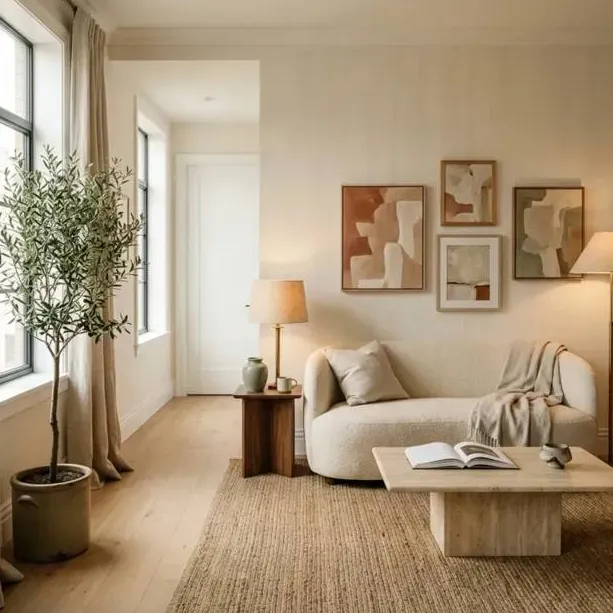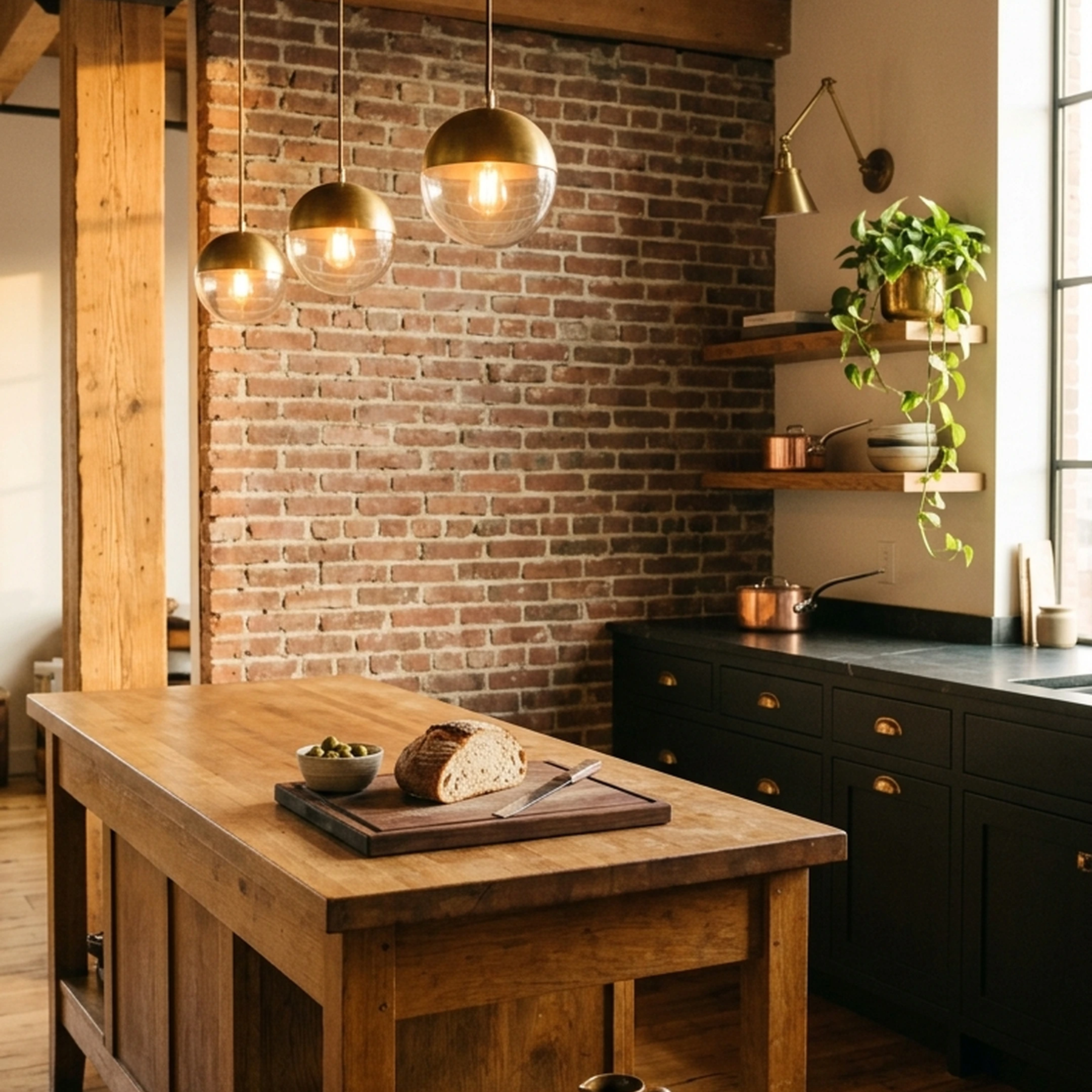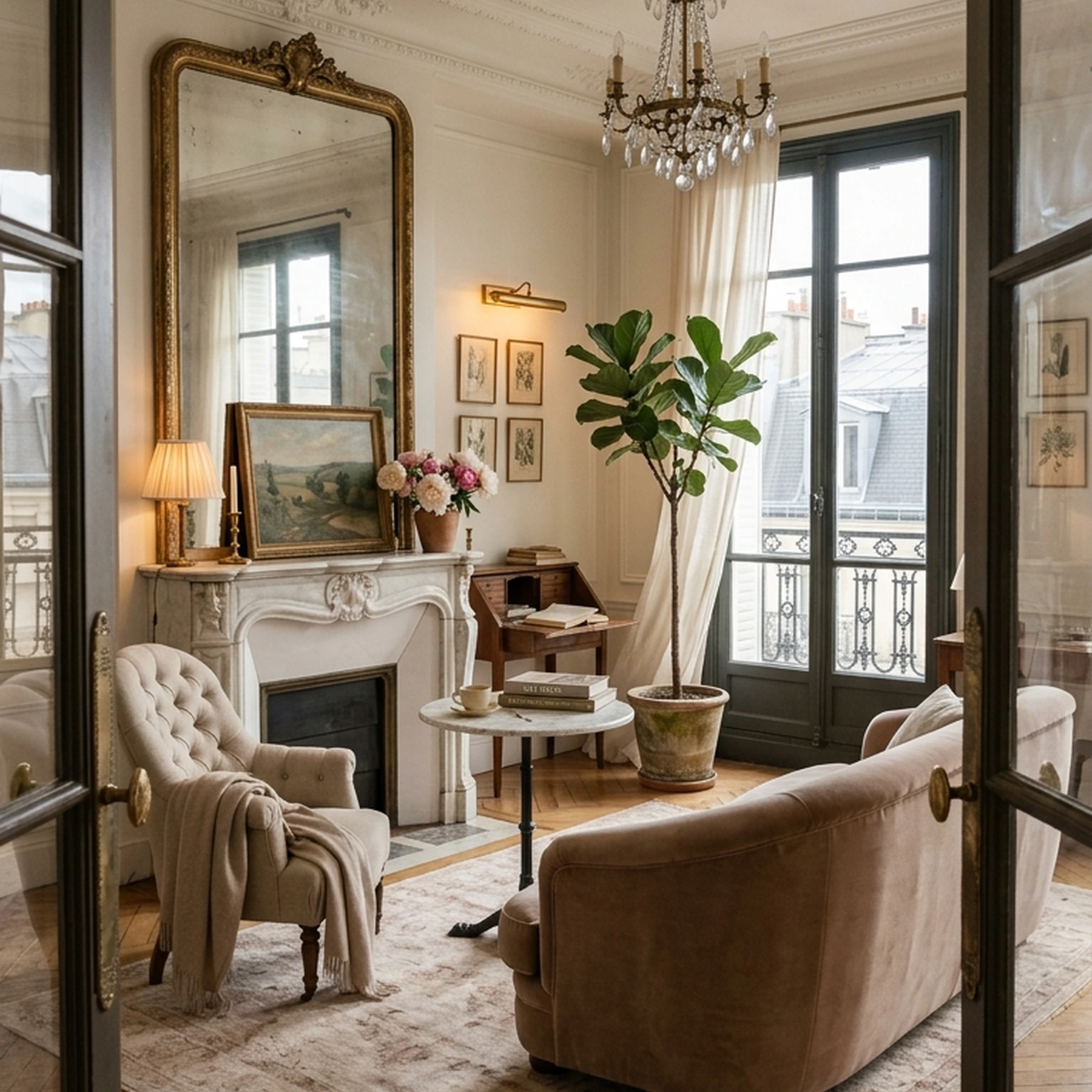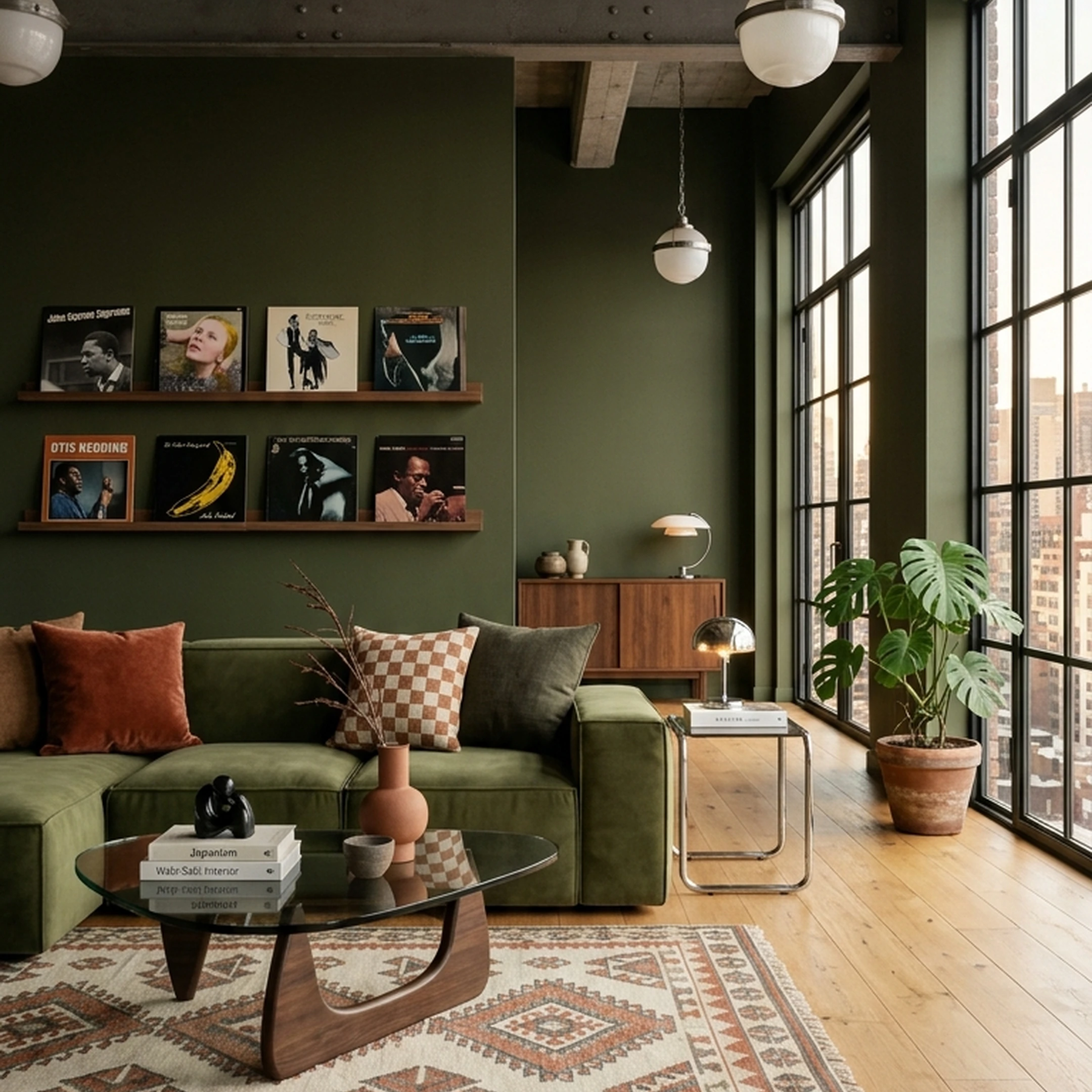
Data-driven insights revealing how often people actually update their living spaces, what drives the redesign cycle, and how to turn inspiration into a room you can finally live in
Your Miami apartment still looks more “just moved in” than “intentionally designed,” even though you’ve lived there for nearly a year. The dining chairs don’t match the table, the floor lamp leans too cold against the warm walls, and the Pinterest board labeled “minimalism with soul” keeps getting updated while the actual room stays exactly the same. That timeline is more normal than most people admit. Rooms rarely come together all at once. Most homeowners redesign spaces gradually, revisiting layouts, replacing furniture, and refreshing decor every few years as their taste, budget, or life changes. The U.S. home remodeling market hit $2,049 billion in 2025, proving that millions of people are actively trying to close the gap between inspiration and execution. The question is how often people actually redesign their spaces, what finally pushes them to commit, and why so many rooms stay stuck in the “almost finished” phase for months longer than expected. First Chair turns that inspiration into curated, shoppable room concepts using real furniture from retailers like CB2, Crate & Barrel, West Elm, and Lulu & Georgia.
Key Takeaways
- Most homeowners redesign every 3-5 years: U.S. consumers engage in renovation projects on this cycle, with younger demographics moving faster
- Living rooms take priority: 37% of buyers view living room staging as most important when evaluating spaces
- Budget overruns are nearly universal: 78% of homeowners exceeded their budget on their last renovation
- Mood drives more redesigns than damage: 34% redecorate to boost mood, outpacing wear and tear as a motivator
- Pinterest paralysis is real: 48% find inspiration from design websites, but the gap between saving and buying remains the core challenge
- Millennials spend more than any other generation: 23% more on decor than Baby Boomers annually
How Often Do People Actually Redesign Their Rooms?
1. U.S. consumers typically redesign every 3 to 5 years
The standard American renovation cycle runs 3 to 5 years. This timeline reflects major furniture purchases, room overhauls, and significant style shifts. Smaller refreshes happen more frequently, but the full redesign cycle follows this pattern for most households. First Chair helps you make those cycles count by ensuring each redesign delivers a cohesive result, not another half-finished experiment.
2. 54% of homeowners wait about 5 years between renovations
More than half of homeowners report a five-year gap between major home updates. This cadence often aligns with life transitions, accumulated savings, or simply reaching the point where the current setup no longer works. The five-year mark tends to be when furniture shows wear and style preferences have evolved enough to justify the investment.
3. 35% of homeowners wait about 10 years between renovations
A significant portion of homeowners stretch their timeline even further. 35% wait a decade between major home updates. This longer cycle typically involves larger budget projects like kitchen or bathroom overhauls rather than living room refreshes.
4. 25% of the UK population redecorates annually
Across the Atlantic, one in four Brits redecorates every year. This higher frequency often involves paint, textiles, and accent pieces rather than full furniture replacements. The annual refresh mindset keeps spaces feeling current without requiring major investment. First Chair makes this kind of frequent updating easier by giving you pre-styled concepts you can shop immediately instead of spending weeks browsing.
5. 28% of 25-34 year olds redecorate every six months
Younger adults move fastest. Nearly a third of Brits aged 25-34 refresh their spaces twice a year. This generation treats their living environment as an evolving expression of identity rather than a static setup. They swap art, rotate rugs, and experiment with new color palettes regularly.
6. 54% of U.S. homeowners completed a remodeling project in 2024
The renovation rate remains strong. More than half of American homeowners tackled at least one remodeling project last year. This includes everything from bathroom updates to full living room transformations. The market shows consistent engagement despite economic pressures. With First Chair, you can be part of that majority without the usual decision fatigue that stalls most projects.
Which Rooms Get Redesigned Most Often?
7. 37% of buyers view living room staging as most important
The living room wins. Over a third of home buyers consider it the most important room to have designed well. This makes sense since it handles the most daily use and creates the strongest first impression. A pulled-together living room with a well-proportioned sofa, proper scale coffee table, and intentional lighting anchors the entire home.
8. 34% prioritize the primary bedroom
Bedrooms rank second. 34% of buyers focus on the primary bedroom when evaluating spaces. This private retreat gets increasing attention as people invest in better sleep environments. First Chair's bedroom concepts balance comfort with visual cohesion, solving the common problem of mismatched furniture that just "kind of works."
9. Those 35+ focus on communal spaces while younger adults prioritize bedrooms
Age shapes room priorities. Adults over 35 tend to focus on living rooms and kitchens, while the 18-34 demographic prioritizes bedrooms. This split reflects lifestyle differences and where each group spends their time at home.
10. 24% of homeowners upgrade kitchens
Kitchens remain a renovation favorite. Nearly a quarter of homeowners invested in kitchen upgrades in 2024. The kitchen combines high visibility with heavy daily use, making it worth the investment for many households.
What People Spend on Room Redesigns

11. Median home renovation spending hit $20,000 in 2024
The median renovation project cost $20,000 last year, according to the Houzz and Home Study. This figure includes labor, materials, and furniture. Living room renovations typically fall below this median, while kitchens and bathrooms push above it. First Chair helps you allocate that budget smartly by showing you exactly what a cohesive room costs before you commit.
12. Average home decor purchase sits at $1,598
Not every refresh requires a five-figure budget. The average decor purchase runs $1,598, covering rugs, lighting, art, and accent furniture. This accessible entry point allows for meaningful updates without full room overhauls.
13. Millennials spend 23% more on home decor than Baby Boomers
Generation shapes spending. Millennials invest $1,771 annually on home decor, outpacing older generations by a significant margin. This cohort treats their living environment as a priority and shops across retailers like CB2, Lulu & Georgia, and Crate & Barrel. First Chair meets them where they already shop, just with better curation and zero guesswork.
14. 45% of homeowners have spent $5,000+ on renovations in 2024
Budgets are substantial. Nearly half of homeowners have already invested $5,000 or more this year. This spending level allows for significant upgrades like new sofas, dining sets, or bedroom transformations.
15. The global home renovation market reached $2.049 trillion in 2025
The scale is massive. Fortune Business Insights values the global market at over $2 trillion, with projections reaching $3 trillion by 2034. This growth reflects sustained consumer interest in home improvement across all demographics. It also means there's enormous demand for tools that actually simplify the design process instead of adding to the overwhelm.
Why Most Renovations Go Over
16. 78% of homeowners exceeded their budget on their last renovation
Budget overruns are the norm, not the exception. Nearly 8 in 10 homeowners spent more than planned. The gap between expectation and reality comes from unexpected costs, scope creep, and the temptation to upgrade once the project starts. First Chair gives you total transparency upfront, so you know exactly what a room will cost before buying a single piece.
17. 44% exceeded their budget by at least $5,000
The overruns are substantial. 44% blew past their budget by $5,000 or more. This kind of variance can derail financial plans and force compromises on other room updates. That’s usually the moment the “save now, upgrade later” plan disappears, and suddenly the rug, lighting, or dining table you were going to wait on ends up back in the cart anyway.
18. 59% cite budget as the key redecorating setback
Money remains the primary obstacle. 59% of consumers point to budget constraints as their main barrier to redecorating. This explains why so many rooms stay half-finished despite clear vision for what they should become. First Chair addresses this by curating pieces across price points with insider pricing built in.
19. 63% of homeowners have gone into debt to pay for a renovation
The financial pressure is real. Nearly two-thirds have taken on debt to complete home projects. This includes credit cards, home equity lines, and personal loans. The desire for a finished space often outweighs financial caution. Knowing your total room cost before you start prevents this kind of budget creep.
20. 87% of homeowners faced challenges during their renovation
Complications are nearly universal. 87% report significant challenges during their last renovation, from budget issues to contractor delays to difficulty finding the right pieces. The process rarely goes smoothly. First Chair eliminates at least one major pain point by solving the "what goes together" problem instantly.
What Actually Motivates a Room Redesign?
21. 34% redecorate to boost their mood
Emotional wellbeing drives redesigns. Over a third of people update their spaces specifically to improve how they feel. A living room with warm walnut tones, bouclé textiles, and proper lighting does more than look good. It changes how you feel when you walk through the door. First Chair understands this and designs rooms around feeling, not just function.
22. 31% redecorate to address wear and tear
Practical needs matter too. 31% cite interior damage and wear as their primary motivation. Sofas sag, rugs fade, and finishes wear down over time. Eventually, refreshing becomes necessary rather than optional.
23. 45% remodel because they want to, not because they have to
Choice beats necessity. 45% of homeowners renovate from desire rather than urgent need. They have the space to improve, the budget to act, and the vision to execute. These discretionary projects often produce the most satisfying results when you have the right tools to bring them to life.
24. 63% prefer to remodel their home rather than move
Staying put wins. Nearly two-thirds of homeowners would rather renovate than relocate. With high prices and rising interest rates, improving the current space makes more financial sense than buying something new.
Where People Find Design Inspiration
25. 48% find inspiration from interior design websites
Design websites lead. Nearly half of people turn to interior design sites when planning their redesign. These resources offer visual direction and product discovery, though the gap between inspiration and execution remains the core challenge. First Chair closes that gap by making every concept immediately shoppable.
26. 39% use YouTube for home improvement information
Video content ranks high. 39% of homeowners rely on YouTube for renovation guidance. DIY tutorials, room tours, and product reviews all influence purchasing decisions.
27. HGTV and Pinterest each reach 31% of homeowners
Traditional and digital media share the space. 31% turn to HGTV while an equal percentage uses Pinterest. The problem with Pinterest boards is they keep growing while the actual room stays empty. First Chair solves this by turning that saved inspiration into real, purchasable room concepts.
28. 31% prefer introducing a new color scheme as their redesign approach
Color leads the refresh. Nearly a third start their redesign by changing the color palette. This approach works well with existing furniture when paired with new textiles, art, and accent pieces in the updated tones. First Chair's concepts make it easy to explore color-driven redesigns without committing to pieces that might not work together.
Design Preferences and Style Trends
29. 59% of Americans favor clean and minimal designs
Minimalism dominates. Nearly 6 in 10 Americans prefer clean, minimal aesthetics. This translates to furniture with visible legs, neutral palettes, and uncluttered arrangements. Scandinavian influences with walnut warmth and linen textures continue to resonate.
30. 94% of homeowners have completed some form of home renovation or improvement project in the past five years
Experience is widespread. Nearly everyone has been through it. This shared experience means most people understand the challenges of redesigning a room and appreciate solutions that reduce the friction between inspiration and a finished space.
Why First Chair Works for Room Redesigns
The stats tell a clear story. People redesign rooms every few years, they struggle with budgets and decision fatigue, and they spend hours collecting inspiration they never act on. First Chair changes that equation.
Upload the room photo or the Pinterest reference. Describe what you want in language that makes sense to you. First Chair generates curated room concepts using real pieces from West Elm, CB2, Crate & Barrel, Pottery Barn, and Lulu & Georgia. Every recommendation is shoppable. No fake renders. No furniture that doesn't exist.
Join early access and turn that inspiration folder into a room you can actually live in.
Frequently Asked Questions
How often should I redesign my living room?
Most homeowners redesign every 3-5 years, though smaller refreshes with new textiles, art, or lighting can happen annually. The right timing depends on your budget, how much the space is used, and whether your style preferences have shifted significantly.
What triggers most room redesigns?
34% of people redecorate to boost their mood, making emotional wellbeing the top motivator. Wear and tear comes second at 31%, followed by life transitions like moving, partnering, or starting a family.
Which room should I redesign first?
The living room typically offers the highest impact. 37% of buyers consider it the most important room in a home. It handles daily use, hosts guests, and sets the tone for your entire space. A well-designed living room with proper scale furniture makes everything else feel more intentional.
How much should I budget for a room redesign?
The average decor purchase runs $1,598, while median full renovations hit $20,000. For a living room refresh focused on key furniture pieces, art, and lighting, expect to invest $3,000 to $8,000 for quality pieces that will last through the next cycle.
Why do most renovation budgets go over?
78% of homeowners exceed their budget due to unexpected costs, scope creep, and the temptation to upgrade mid-project. Working with curated concepts rather than open-ended browsing helps control spending by limiting choices to pieces that actually work together.