
If you've spent any time with Architectural Digest's coverage of Jeff Bezos' property portfolio, you already know the feeling. The spaces are calm, enormous, and somehow restrained. Nothing is trying too hard. The rooms feel expensive without announcing it. And somewhere between the gallery-white walls and the floor-to-ceiling glass, you start wondering whether any of it is achievable at a human scale.
The honest answer: more of it than you'd expect.
Bezos' homes, from the DC mansion with its interconnected entertaining spaces and grand circulation paths, to the Beverly Hills Warner Estate, to the Indian Creek Island compound in Miami, share a consistent design logic. Open, light-filled layouts. Restrained material palettes. Serious technology infrastructure. Outdoor spaces that feel like extensions of the interior. These are not arbitrary billionaire indulgences. They are design principles, and most of them translate directly into a $500K renovation budget with the right priorities.
This guide breaks down the core elements of Bezos-style residential design and maps each one to practical decisions affluent homeowners can make right now. You'll find specific guidance on architectural layout, smart home ecosystem design, sustainable materials, premium finishes, indoor-outdoor continuity, and the eight most expensive mistakes homeowners make at this budget level.
Key Takeaways
- Jeff Bezos has assembled a real estate portfolio worth roughly $500 to $769 million across Beverly Hills, Manhattan, DC, Maui, and Miami's Indian Creek Island.
- The defining design logic across his properties is restraint: neutral palettes, gallery-like interiors, and architecture that prioritizes light and volume over decoration.
- Smart home integration in Bezos' residences is whole-home and ecosystem-based. Business Insider reported that he keeps an Amazon Echo in every room of his house.
- Indoor-outdoor continuity is a structural priority in his waterfront and hillside properties, not a decorative afterthought.
- The Seattle Hunts Point estate sold for $63 million in April 2025, setting the record for the most expensive residential sale in Washington State history.
- Acoustics, lighting design, and network infrastructure are the three most consistently underbudgeted elements in high-end renovations.
- The biggest mistake affluent homeowners make is overdecorating spaces that would benefit from editing.
- A $500K budget applied first to architectural moves, then technology infrastructure, then finishes produces dramatically better results than the same budget spent primarily on decorative elements.
The Architecture First: Open Floor Plans and Volume
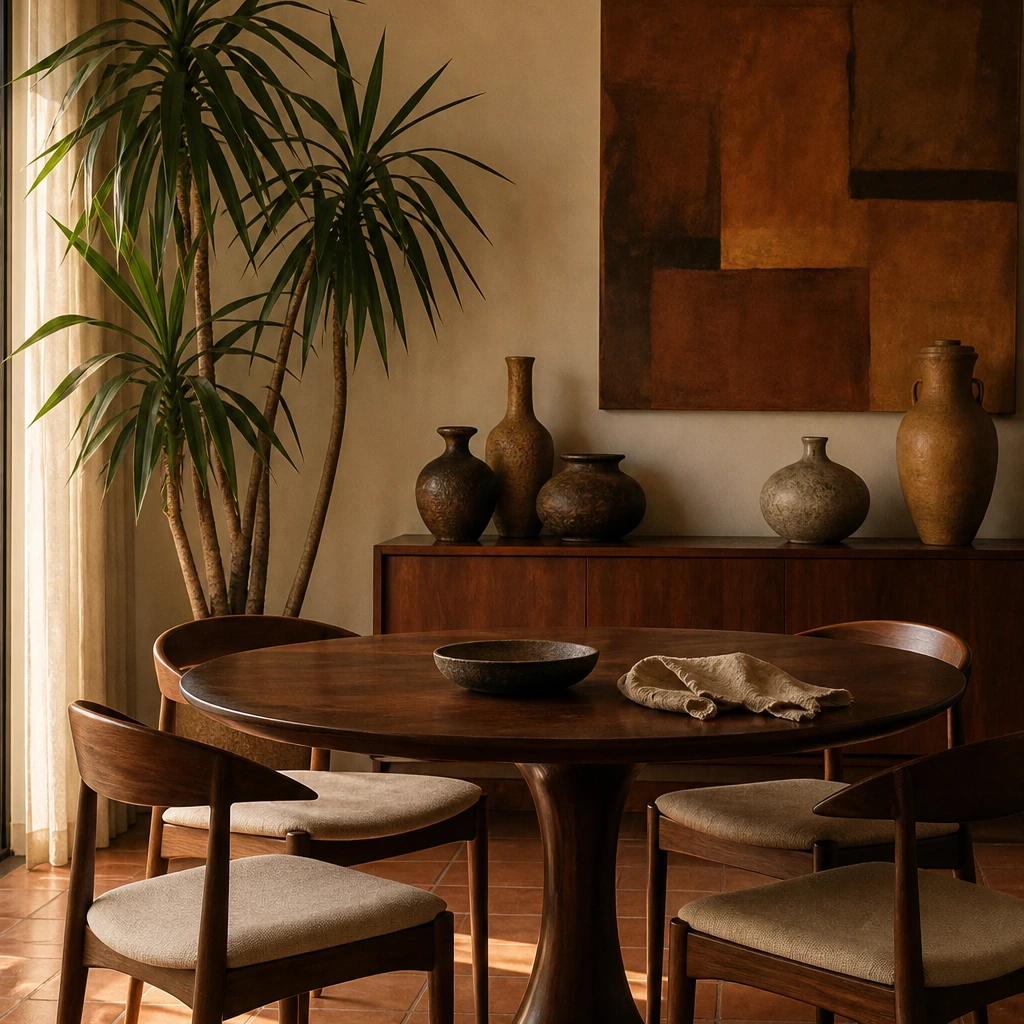
Open floor plan design is an architectural layout where primary living spaces, including kitchen, dining, and living areas, are minimally separated by walls or partitions, creating a sense of continuous volume and flexible flow.
This is the single most important design decision in any Bezos-adjacent renovation. The DC mansion floor plans show multiple interconnected entertaining spaces, grand circulation paths, and rooms scaled for movement rather than furniture arrangement. The Beverly Hills Warner Estate operates on similar logic: rooms that feel generous because of proportion and ceiling height, not because of what's in them.
The principle scales down. A $500K renovation budget applied to structural changes, ceiling work, and improved glazing will do more for a home's feel than the same budget spent on finishes and fixtures. This is the most counterintuitive insight in luxury residential design, and the one most homeowners get backwards.
What to Prioritize in Layout and Volume
The architectural moves that deliver the most impact at this budget level:
- Remove non-load-bearing walls between kitchen, dining, and living areas to create a single great room with distinct zones
- Raise ceiling heights where structurally feasible (even a 10-foot ceiling reads differently than a 9-foot one)
- Widen doorways and transition zones between rooms to improve circulation and visual flow
- Replace standard windows with larger fixed or multi-panel units to increase natural light and perceived volume
- Improve floor-to-ceiling proportions in primary entertaining spaces before addressing any decorative layer
What to Skip
Skip the matching five-piece furniture suite. Open floor plans read best when zones are defined by rugs, lighting, and furniture groupings rather than walls or matched sets. A single strong anchor piece, a well-proportioned sofa or a substantial dining table, does more work than a coordinated collection. If you're working through the furniture buying process for a newly opened floor plan, start with the anchor and build outward.
Why the Bezos Design Logic Matters Right Now
Several converging forces make this design approach particularly relevant for affluent homeowners in 2026.
The Architectural Digest portfolio coverage of Bezos' properties documents a consistent aesthetic across multiple climates, property types, and architectural contexts. This consistency is not accidental. It reflects a design philosophy that travels well because it is rooted in proportion and restraint rather than trend.
McKinsey's analysis of the global luxury market shows that experiential and lifestyle-focused luxury, including homes and hospitality-style amenities, is outpacing traditional product luxury. Affluent consumers are prioritizing wellness spaces, curated interiors, and technology-enabled convenience over decorative accumulation.
The NAHB identifies consistent high-end preferences in its buyer research: open floor plans, large kitchen islands, outdoor living spaces, and spa-like bathrooms rank among the most desired features for higher-income buyers. These preferences align precisely with the design principles visible across Bezos' portfolio.
Energy codes are also tightening. The U.S. Department of Energy reports that the majority of U.S. states have adopted or are transitioning to IECC-based residential energy codes, pushing builders and renovators toward better insulation, efficient windows, and high-performance HVAC. For homeowners planning major renovations, integrating these requirements into a holistic design strategy is both a regulatory necessity and a design opportunity.
Smart Home Technology Integration in Luxury Residences
A smart home ecosystem is a coordinated set of devices and systems covering lighting, HVAC, security, and entertainment that can be monitored and controlled through apps, voice assistants, or automated routines, typically built around a unified platform.
The approach visible in Bezos' residences is instructive precisely because it is not performative. The whole-home Echo setup illustrates a philosophy of ambient, always-available control rather than technology as spectacle. Gartner's research on smart home adoption confirms that security and energy management are the leading drivers of investment among higher-income households, with video security and smart thermostats as the most widely adopted categories.
The mistake most affluent homeowners make is buying impressive individual devices without designing an ecosystem. A Lutron lighting system that doesn't communicate with the HVAC. A security camera setup that operates on a separate app from the door locks. These disconnected systems create friction rather than eliminating it.
Building a Cohesive Smart Home System
The table below maps core system categories to representative platforms used in high-end residential installations.
System CategoryEntry-Level OptionLuxury-Grade OptionWhole-home controlControl4Crestron, SavantVoice ecosystemAmazon AlexaAmazon Alexa (integrated)Lighting and shadingLutron CasetaLutron HomeWorksClimate controlNest, ecobeeCrestron-integrated HVACSecurity and accessRing, ADTVivint, custom integratorsMulti-room audioSonosSonos plus specialist AV integrators
Infrastructure Before Devices
Professional integrators consistently identify the same failure point in luxury renovations: inadequate infrastructure. Robust structured wiring, enterprise-grade Wi-Fi access points distributed throughout the home, and sufficient electrical capacity are the invisible foundations that determine whether a smart home system actually works. Budget for these before specifying any devices.
The network is a critical system in a home where voice control operates in every room. Treat it as infrastructure, not an afterthought.
Voice Control as a Design Philosophy
The Echo-in-every-room approach works because it matches a specific household's habits. The technology is invisible in daily use. That invisibility is the goal. Luxury smart home design succeeds when residents stop thinking about the system and simply live in it.
Sustainable Architecture and Eco-Friendly Luxury Design
Sustainable luxury design integrates high-performance building envelope systems, efficient mechanical equipment, and water-conserving fixtures into residences that meet or exceed modern energy codes without compromising comfort or aesthetics.
Reports on Bezos' Maui and Seattle waterfront properties describe extensive glazing, landscape integration, and site-responsive design that introduces real environmental complexity, including shoreline regulations and stormwater management requirements. For most affluent homeowners, the sustainable design opportunity is more straightforward: a holistic approach to the building envelope and mechanical systems that reduces operating costs while meeting increasingly stringent energy codes.
NAHB's buyer research confirms that high-efficiency windows and Energy Star-rated appliances rank among the most desired features among move-up and luxury buyers, with a meaningful share willing to pay a premium for them. More than half of buyers in NAHB survey data rate a programmable thermostat as desirable or essential, reflecting mainstream interest in basic home automation and energy management.
Sustainable Features Worth the Investment
Prioritize these in order of compounding impact:
- High-performance windows: Triple-pane or high-performance double-pane units reduce heat loss and solar gain while supporting larger glazing areas. This is where sustainable design and the Bezos aesthetic converge most directly.
- Zoned HVAC with smart controls: Reduces energy consumption and improves comfort in large open-plan spaces where a single thermostat is inadequate.
- Programmable and learning thermostats: Nest and ecobee both deliver meaningful efficiency gains with minimal behavioral change required.
- Water-conserving fixtures: WaterSense-certified plumbing that meets conservation standards without perceptible performance loss.
- FSC-certified wood and sustainably sourced stone: Durable materials with documented supply chains that also satisfy increasing buyer scrutiny on material provenance.
The Integration Mistake to Avoid
Treating sustainability as an add-on rather than a design strategy consistently produces worse outcomes at higher cost. Retrofitting individual green elements, replacing only appliances or only windows, misses the compounding efficiency gains that come from addressing the building envelope, mechanical systems, and controls together. Plan the full system before specifying individual components.
Premium Materials and Finishes for Luxury Homes
Luxury finishes are high-quality, often natural or custom materials used in visible surfaces: stone countertops and flooring, hardwood, bespoke millwork, designer fixtures, and premium hardware. In Bezos-style interiors, the defining characteristic is restraint rather than ornamentation.
The Architectural Digest portfolio coverage and reporting on the aesthetic preferences of ultra-high-net-worth homeowners consistently describe pale, gallery-like interiors with carefully selected natural materials rather than layered decoration. Coverage of design trends among the super-rich notes a preference for minimal interiors that showcase architecture and art rather than furnishings.
This is a useful corrective for affluent homeowners who equate luxury with abundance. The rooms that read most expensive are usually the most edited.
Material Hierarchy for High-End Renovations
Prioritize materials in this order based on visual impact and longevity:
PriorityMaterial CategoryWhat to Look For1FlooringWide-plank hardwood or large-format stone tile2Kitchen and bath surfacesQuartzite, marble, or high-quality engineered stone3Millwork and cabinetryCustom or semi-custom with integrated hardware4Hardware and fixturesConsistent metal finish throughout (aged brass, brushed nickel)5Wall treatmentsPlaster, limewash, or high-quality paint in warm neutrals
Flooring sets the tone for every room above it. This is not the place to economize. Custom millwork with clean reveals reads as architectural rather than decorative. Mixing metal finishes across hardware and fixtures is one of the most common and most visible mistakes in otherwise expensive renovations.
The Maintenance Conversation
Certain premium materials require ongoing care that homeowners underestimate at the specification stage. Porous stones like Calacatta marble stain without regular sealing. Unlacquered brass develops a patina that some owners find beautiful and others find alarming. White oak flooring shows wear differently than darker species. Specify materials with a clear understanding of their maintenance requirements and your actual tolerance for upkeep. The most expensive mistake is specifying a material you'll resent maintaining.
Indoor-Outdoor Living: Pools, Terraces, and Landscape Design
Indoor-outdoor living is a design approach that visually and functionally connects interior spaces to terraces, decks, and gardens through large multi-panel doors, continuous flooring materials, and aligned furniture plans, creating resort-style continuity between inside and outside.
This is one of the most consistent design signatures across Bezos' properties. Analysis of his estates describes waterfront siting, extensive terracing, and landscape integration as core architectural moves rather than amenity add-ons. The Seattle Hunts Point estate, approximately 9,420 square feet of interior space designed in direct relationship to Lake Washington, exemplifies this approach. It sold for $63 million in April 2025, setting the record for the most expensive residential sale in Washington State history.
NAHB buyer research confirms that patios and outdoor living spaces rank among the most popular features in new construction, with a high percentage of buyers rating them as essential or highly desirable.
Practical Indoor-Outdoor Design Moves
The core moves that deliver the most impact:
- Install multi-panel sliding or folding glass doors (NanaWall-style systems) to create a full-width opening between interior living spaces and a terrace
- Continue interior flooring materials to the exterior threshold, or use a complementary material at the same level to eliminate the visual step
- Design outdoor furniture groupings that mirror interior arrangements, creating a sense of a room that extends outward
- Use consistent lighting temperatures indoors and outdoors so the spaces read as connected after dark
- Align ceiling lines and soffits at the transition point to reinforce continuity rather than interruption
Pool and Outdoor Kitchen Investment
Resort-style pools with baja shelves, integrated spas, and water features are near-standard in high-end estates. Outdoor kitchens with covered dining areas extend the usable season significantly in most U.S. climates. Both represent meaningful capital investment but also meaningful lifestyle return. Budget these as structural decisions, not decorative ones.
For homeowners working with First Chair to pull together interior concepts, the outdoor-to-indoor material continuity question is worth resolving early. The pieces that anchor an outdoor living space, the dining table, the lounge seating, the lighting, need to be selected in relationship to the interior palette, not independently. The platform handles exactly this kind of layered aesthetic direction, translating references like "resort-style but warm" or "minimal but livable" into specific, purchasable pieces from actual retailers.
Lighting Design as a Core Luxury Element
Layered lighting design is the practice of combining ambient, task, and accent lighting sources, controlled through programmable scenes, to highlight architecture, support daily activities, and create atmosphere across different times of day and use cases.
This is the most consistently underbudgeted element in high-end renovations. Affluent homeowners spend significant sums on stone and millwork, then install recessed can lights on a single circuit and wonder why the room doesn't feel right. Gallery-like interiors of the kind associated with Bezos' properties depend on carefully planned lighting to read as intended. The architecture and materials are the subject. The lighting is what makes them visible.
Lutron's HomeWorks system is the standard specification in serious luxury residential installations, integrating architectural lighting control with motorized shading to manage both artificial light and daylight throughout the day. Paired with a Crestron or Savant control system, it enables scenes that shift the room from morning to entertaining to evening without manual adjustment.
Lighting Design Principles for Luxury Spaces
- Layer ambient (general illumination), task (work surfaces, reading), and accent (art, architectural features) sources independently so each can be controlled separately
- Use warm color temperatures (2700K to 3000K) throughout living spaces; cooler temperatures work in utility and work areas
- Specify fixtures that disappear into the architecture rather than competing with it. The light matters more than the fixture in minimalist interiors.
- Design lighting for art from the start if you plan to hang significant pieces. Retrofit picture lighting rarely achieves the same result.
- Plan motorized shading as part of the lighting system, not as a separate window treatment decision
Tools and Solutions for Luxury Home Design
The following categories map to the core systems and services required to execute Bezos-style residential design at a $500K-plus renovation budget. Vendors are listed as representative examples within each category.
Whole-Home Automation and Control
The central nervous system of a luxury residence. These platforms integrate lighting, shading, climate, AV, and security into a single interface with programmable scenes.
- Crestron: High-end automation systems for lighting, shades, AV, and climate, widely used in luxury residences and estates. The standard specification at the top of the market.
- Savant: Premium residential control platform emphasizing integrated scenes, high-end AV, and custom lighting. Popular in luxury homes and yachts.
- Control4: Scalable residential automation from single-room AV to whole-home integration. A strong entry point for homeowners building toward a full ecosystem.
Lighting and Shading Control
- Lutron HomeWorks: The premier specification for architectural lighting control and motorized shading in luxury homes. Integrates with all major automation platforms.
- Lutron Caseta: A more accessible entry point that maintains compatibility with the broader Lutron ecosystem.
Security and Access Control
- Vivint: Professionally installed smart home and security systems with integrated cameras, sensors, and automation.
- Ring (owned by Amazon): Video doorbells, cameras, and alarms integrated with Alexa. Widely used in upscale residential security setups.
- ADT: Established provider of monitored home security with smart home integration services.
Climate and Energy Management
- Nest (Google): Learning thermostats and smart HVAC controls designed to optimize energy use while maintaining comfort.
- ecobee: Smart thermostats with remote sensors for more balanced temperature control in large, multi-zone homes.
Multi-Room Audio and Home Cinema
- Sonos: Wireless multi-room audio that integrates with voice platforms and automation systems. The standard for distributed audio in luxury renovations.
- Kaleidescape: High-end home cinema server and player systems used by specialist AV integrators in luxury home theater installations.
- JBL Synthesis: Professional-grade speaker systems for dedicated home theater spaces.
Interior Design and Furniture Curation
Translating a design direction into specific, purchasable pieces is where most homeowners lose momentum. The gap between inspiration and execution is real, and it is expensive when it produces the wrong purchases.
First Chair is built for this gap. The platform takes uploaded inspiration images, including photos of Bezos-style gallery interiors or indoor-outdoor living areas from Architectural Digest coverage, and translates them into curated room concepts using real, in-stock furniture from actual retailers. Every recommendation is a piece you can purchase. Nothing is rendered or imagined. For homeowners working through decision fatigue during a large renovation, having a platform that narrows the field rather than expanding it is genuinely useful. First Chair pulls across West Elm, CB2, Crate and Barrel, Pottery Barn, Lulu and Georgia, and other retailers, with insider pricing built in.
Sustainable Materials and Certification
- Energy Star: U.S. EPA program certifying efficient appliances, windows, and HVAC equipment. The baseline specification for sustainable luxury homes.
- FSC-certified wood: Forest Stewardship Council certification for sustainably sourced lumber and wood products. Used in higher-end sustainable interior finishes.
Best Practices for Luxury Home Renovation
These eight principles reflect consistent guidance from architects, integrators, and design practitioners working at the high end of the residential market.
- Lead with architecture and layout, then layer finishes and technology. Luxury feel comes from proportion, light, and flow before materials and gadgets. Invest first in improving layout, ceiling height, and glazing to create volume. Finishes and technology amplify good architecture. They cannot compensate for poor architecture.
- Design a cohesive smart home ecosystem, not a collection of disconnected devices. Choose an ecosystem (Alexa plus Lutron plus Ring plus Sonos plus a central controller) and design around it to ensure reliability and ease of use. High-end clients consistently regret starting with disconnected consumer-grade devices that don't integrate cleanly.
- Prioritize infrastructure: wiring, networking, and power. Robust structured wiring, enterprise-grade Wi-Fi, and adequate electrical capacity are essential foundations for luxury automation. In a home where voice control operates in every room, the network is a critical invisible system. Budget for upgraded cabling and access points before specifying devices.
- Create indoor-outdoor continuity as a structural priority. Align floor levels, use wide multi-panel doors, and continue material palettes from interiors to terraces to achieve resort-style continuity. Even at a modest scale, this delivers a fundamentally different experience than treating the outdoor space as a separate project.
- Invest in lighting design as a core luxury element. Layer ambient, task, and accent sources independently. Use warm color temperatures throughout living spaces. Specify fixtures that disappear into the architecture. Plan for art lighting from the start. This is the single highest-return investment in making a room feel expensive.
- Balance sustainability with comfort and aesthetics. High-performance envelope, efficient systems, and water-saving fixtures can coexist with generous glazing and quality finishes. The most effective approach treats sustainability as an integrated design strategy rather than a checklist of individual upgrades.
- Use neutral, timeless palettes and personalize with art and texture. The enduring appeal of Bezos-style interiors comes from neutral, warm palettes paired with texture (stone, wood, textiles) and art. This approach ages well and can be personalized over time without requiring a full reset.
- Plan for flexibility and future upgrades. Design with modular components, spare conduits, and open standards so systems can be upgraded as technology evolves. Luxury clients are best served when the home can adapt to new devices and services without major reconstruction.
Common Mistakes at the $500K-Plus Level
These are the failure patterns that appear most consistently in high-end residential renovations. They are expensive and common. Naming them directly is more useful than softening them.
- Over-specifying technology without a use-case plan. Advanced devices bought without mapping them to daily routines end up underused and frustrating. The Echo-in-every-room approach works because it matches a specific household's habits, not because it is technically impressive. Define the use cases before specifying the systems.
- Ignoring professional lighting and AV design. DIY approaches to lighting layout and speaker placement consistently produce glare, uneven sound, and visual clutter in otherwise expensive renovations. At this budget level, skipping expert design is a false economy.
- Underestimating structural and permitting constraints. Major glazing changes, cantilevered decks, and pool installations require structural engineering and permitting work that adds time and cost. Waterfront and hillside properties introduce additional regulatory complexity. Budget for this before committing to a design direction.
- Treating sustainability as an afterthought. Piecemeal green upgrades miss the compounding efficiency gains of an integrated approach to envelope, systems, and controls. Spending more for less impact is the consistent outcome of retrofitting individual elements.
- Overdecorating instead of editing. The calm, gallery-like feel of Bezos-style interiors comes from restraint. Crowding spaces with statement pieces undermines the effect. If the room already feels expensive, the next move is usually to remove something, not add something.
- Choosing premium materials without considering maintenance. Porous stones, exotic woods, and unlacquered metals require ongoing care. Specify with a realistic view of your maintenance tolerance. The most expensive mistake is specifying a material you'll resent maintaining.
- Ignoring acoustics in open-plan spaces. Expansive layouts with hard surfaces produce echo and noise issues that make visually stunning rooms uncomfortable to inhabit. Soft furnishings, rugs, acoustic ceiling treatments, and wall panels are not optional in large open spaces. Plan for acoustics at the design stage, not as a retrofit.
- Underbudgeting soft costs. Architecture, interior design, engineering, and technology commissioning represent a significant share of total project cost in luxury renovations. Treating these as line items to minimize rather than investments to optimize is a consistent mistake. The soft costs are what make the hard costs work.
Frequently Asked Questions
What design style does Jeff Bezos use in his homes?
Bezos' properties consistently reflect a minimalist modern luxury aesthetic: neutral palettes, gallery-like interiors with minimal decoration, natural materials, and architecture that prioritizes light and volume. The style is sometimes called "quiet luxury" in design circles. The defining characteristic is restraint rather than ornamentation.
How much does it cost to recreate a luxury estate design at a smaller scale?
A $500K renovation budget applied strategically to layout changes, glazing upgrades, smart home infrastructure, premium finishes, and outdoor living spaces can achieve many of the core design principles visible in high-end estates. The key is prioritizing architectural moves first, then technology infrastructure, then finishes. Spending the same budget primarily on decorative elements produces a much weaker result.
What smart home systems are used in luxury residences?
High-end residential installations typically use Crestron or Savant as the central control platform, integrated with Lutron for lighting and shading, Sonos for multi-room audio, and Ring or Vivint for security. Amazon Alexa voice control is common across all tiers. The defining characteristic of luxury smart home design is ecosystem integration: all systems controlled through a single interface rather than separate apps.
What are the most important sustainable features for a luxury home renovation?
High-performance windows, zoned HVAC with smart controls, and a well-insulated building envelope deliver the most significant efficiency gains. NAHB buyer research identifies high-efficiency windows and Energy Star appliances as top priorities among luxury buyers. The most effective approach treats sustainability as an integrated design strategy rather than a checklist of individual upgrades.
How do you achieve the indoor-outdoor living look from luxury estates?
The core moves are: multi-panel glass doors that open the full width of a living space to a terrace, continuous or complementary flooring materials at the same level inside and outside, outdoor furniture groupings that mirror interior arrangements, and consistent lighting temperatures after dark. Pool and outdoor kitchen investments extend the usable space significantly and are treated as structural decisions in high-end estate design.
What interior design mistakes do affluent homeowners most commonly make?
The most consistent mistakes at the $500K-plus level are overdecorating spaces that would benefit from editing, underinvesting in lighting design, specifying premium materials without understanding their maintenance requirements, and buying smart home devices without designing a cohesive ecosystem. The calm, expensive feel of Bezos-style interiors comes from restraint and intentionality, not accumulation.
Conclusion: From Inspiration to Execution
The design principles visible across Jeff Bezos' property portfolio are not exclusive to billionaire budgets. Open, light-filled layouts. Restrained material palettes. Whole-home technology infrastructure. Indoor-outdoor continuity. Gallery-like interiors that prioritize architecture over decoration. Each of these translates directly into a $500K renovation with the right sequencing of decisions.
The sequencing matters more than the budget. Architecture and layout first. Technology infrastructure second. Premium finishes third. Decorative layer last, and with a strong editorial eye toward editing rather than adding.
The gap most homeowners face is not inspiration. Anyone renovating at this level has saved enough reference images to fill a book. The gap is execution: translating a clear aesthetic direction into specific, cohesive pieces that work together in the actual proportions of the actual room.
Start with your room on First Chair and turn the inspiration you've been saving into a room you can actually build.