
If you have spent any time on architectural sites or real estate coverage in the last few years, you have probably seen at least one image of Tom Brady's Indian Creek Island compound in Miami. The 25,000-square-foot waterfront estate, now complete, sits at the edge of Biscayne Bay with a private dock, resort-caliber pool, and outdoor spaces that function as full living rooms. It is the kind of property that stops the scroll.
What most coverage misses is that the design principles behind Brady's homes are not primarily about scale. They are about a specific set of decisions: a restrained material palette, layered lighting, deliberate indoor-outdoor connection, and technology that disappears into the walls. Those decisions are transferable. A 3,500-square-foot home in Scottsdale or a renovated brownstone in Boston can use the same logic. The scale changes. The principles do not.
Brady's residential portfolio spans Los Angeles, Clearwater, and Miami, and each property reflects a consistent design language that architects and interior designers now call "warm modern luxury." The Los Angeles home, completed in 2013 and documented by Architectural Digest, was designed by architect Richard Landry and interior designer Joan Behnke. It combined reclaimed oak beams, solar panels, gray-water systems, and European-influenced interiors into a 14,000-square-foot estate that felt collected rather than assembled. That combination, warm materials plus contemporary restraint plus sustainability, now defines mainstream luxury residential design.
This guide breaks down the specific design moves behind Brady's properties and translates each one into something an affluent homeowner can act on. You will learn:
- Which material choices create the "quiet luxury" effect and how to replicate them at different budget levels
- How Brady's Clearwater smart home system works and what a scalable equivalent looks like
- Why outdoor living is the highest-ROI renovation category and how to design one outdoor room correctly
- How to design a home gym and spa bathroom that actually get used
- Where to spend and where to hold back across kitchen, bath, and living spaces
- The five decisions that separate warm modern design from generic modern design
Key Takeaways
- Tom Brady's Los Angeles home, designed by Richard Landry and Joan Behnke, used reclaimed roof tiles, reclaimed oak beams, solar energy, and gray-water systems alongside European-influenced interiors. This combination now defines mainstream luxury residential design.
- Brady's Clearwater, Florida residence features a Crestron-controlled smart home system integrating lighting, climate, AV, and security into a single, discreet control layer, with all equipment hidden from view.
- The wellness real estate market grew from $148 billion in 2017 to $275 billion in 2020, an annual growth rate of approximately 22%, with private gyms, spa bathrooms, and biophilic design now standard expectations among affluent buyers.
- Adding a new patio recovers approximately 95% of project cost at resale, making outdoor living one of the most financially defensible renovation investments available.
- A complete kitchen renovation recoups approximately 75% of its cost at resale; a bathroom renovation recovers approximately 71%.
- Approximately 70% of architects reported increased client demand for LED lighting and advanced lighting controls in custom homes, according to the AIA's 2022 Home Design Trends Survey.
- The most transferable design principle across Brady's properties is restraint: a limited palette of warm woods, stone, and linen used consistently throughout creates more cohesion than mixing many materials at higher individual price points.
- Smart thermostats, when properly configured, save approximately 8% on heating and cooling costs compared with manual thermostats, according to EPA ENERGY STAR analysis.
What "Warm Modern Luxury" Actually Means
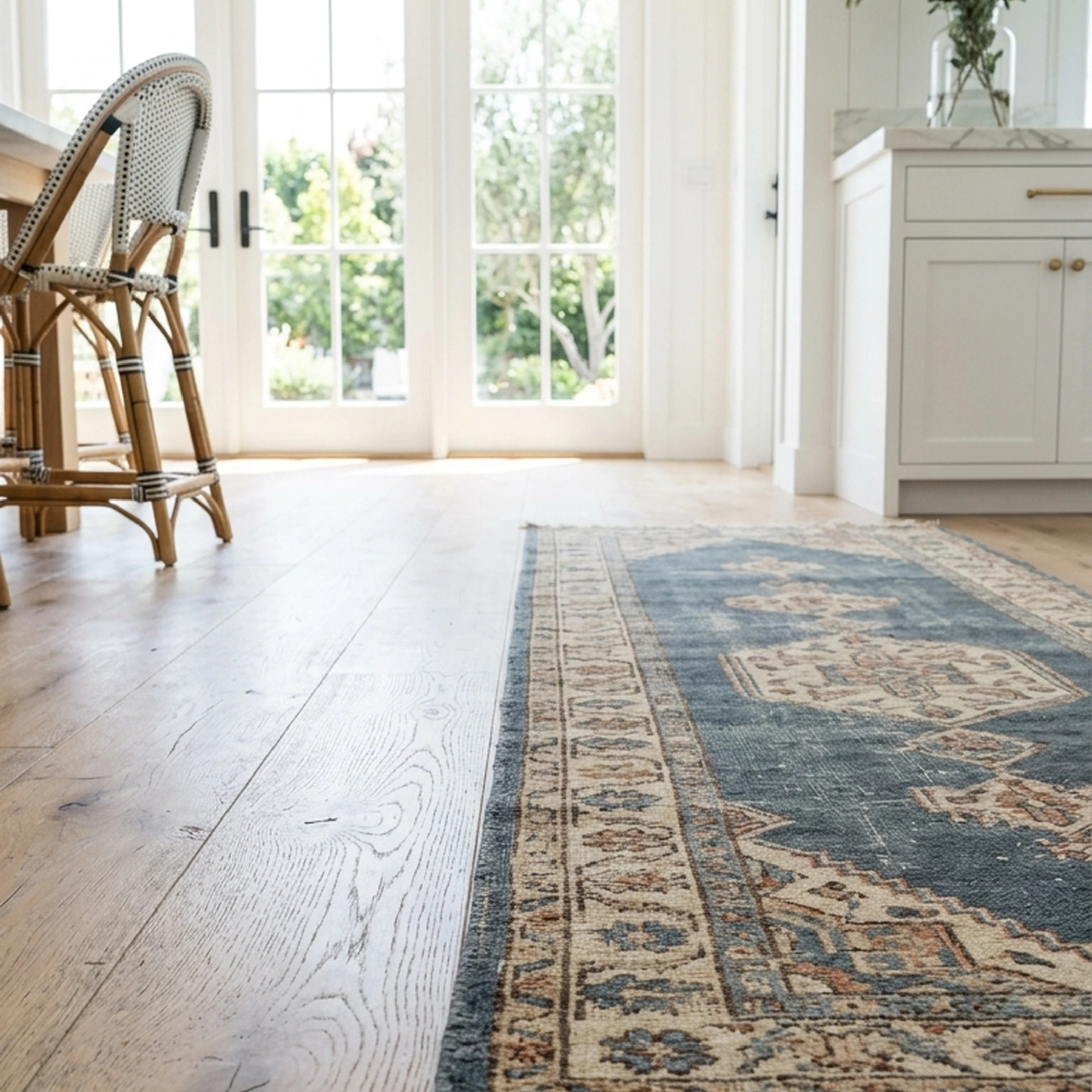
Warm modern luxury is a residential design approach that combines clean-lined contemporary architecture with natural materials, integrated wellness amenities, and discreet technology, prioritizing livability and material quality over ostentation or sheer scale.
The term is not a style category in the way mid-century modern or Scandinavian design are. It is better understood as a set of priorities. The architecture reads as contemporary: open plans, large windows, strong indoor-outdoor connection. The materials read as traditional: warm woods, honed stone, linen, aged metals. The technology is present but invisible. The result is a home that feels both current and timeless, which is exactly why it holds its value.
Brady's properties across three cities share this language consistently. The Los Angeles estate, as documented by Galerie Magazine, feels warm and personal rather than showroom-polished, a quality that comes directly from material choice rather than budget. The Miami compound extends that logic to a waterfront scale, with sightlines to water from the primary living areas and a material palette that holds together across interior and exterior zones.
Why This Style Translates Well to Non-Celebrity Budgets
Three characteristics make warm modern luxury unusually transferable:
- Material restraint: A limited palette of three or four materials used consistently throughout creates cohesion that is difficult to achieve by mixing many materials at higher individual price points.
- Proportional generosity: Taller doors, deeper baseboards, larger windows, and more generous ceiling heights than standard construction change the perceived quality of a space without requiring celebrity square footage.
- Functional clarity: Each room has a clear purpose and is not asked to do too many things at once. This is a planning decision, not a budget decision.
For homeowners working through furniture buying decisions and renovation sequencing simultaneously, this framework is clarifying. The palette is narrow. The material logic is consistent. The decisions become easier when the framework is clear.
Why This Design Moment Matters Now
Luxury residential design has shifted fundamentally over the past decade, and Brady's homes sit at the center of that shift. Three forces are driving the change.
Wellness has moved from amenity to expectation. The Global Wellness Institute estimates that the wellness real estate market grew from $148 billion in 2017 to $275 billion in 2020, an annual growth rate of approximately 22%. Private gyms, spa bathrooms, meditation rooms, and biophilic design features have shifted from luxury differentiators to standard expectations among affluent buyers. Brady's homes, with their bespoke gym spaces and spa-caliber bathrooms, reflect where the market has landed.
Sustainability has become a credibility signal. Knight Frank's 2023 Wealth Report notes that over a third of ultra-high-net-worth individuals are more likely to purchase a property if it has strong sustainability credentials. Brady and Gisele Bündchen's Los Angeles home, with its reclaimed materials, solar panels, and gray-water systems, was ahead of that curve by a decade. In 2026, these features are not optional for buyers at the top of the market.
Technology is now assumed, not showcased. The Consumer Technology Association reported that 43% of U.S. households owned at least one smart home device as of 2022, with adoption significantly higher among households earning $100,000 or more annually. The gap between owning smart devices and having a smart home is the gap between visible gadgets and integrated systems. Brady's Clearwater property, with its Crestron-controlled automation hiding all equipment behind finished walls, represents the integrated end of that spectrum.
Outdoor living has become a primary investment category. The American Society of Landscape Architects reported that over 80% of landscape architects listed outdoor kitchens and entertainment spaces as "very popular" design elements in residential projects. The National Association of Realtors' Remodeling Impact Report found that adding a new patio recovers approximately 95% of project cost at resale. Brady's Miami estate, with its private dock, resort pool, and terraces that read as additional living rooms, is the extreme expression of a trend that applies at every budget level.
Natural Materials and Interior Finishes: The Brady Palette
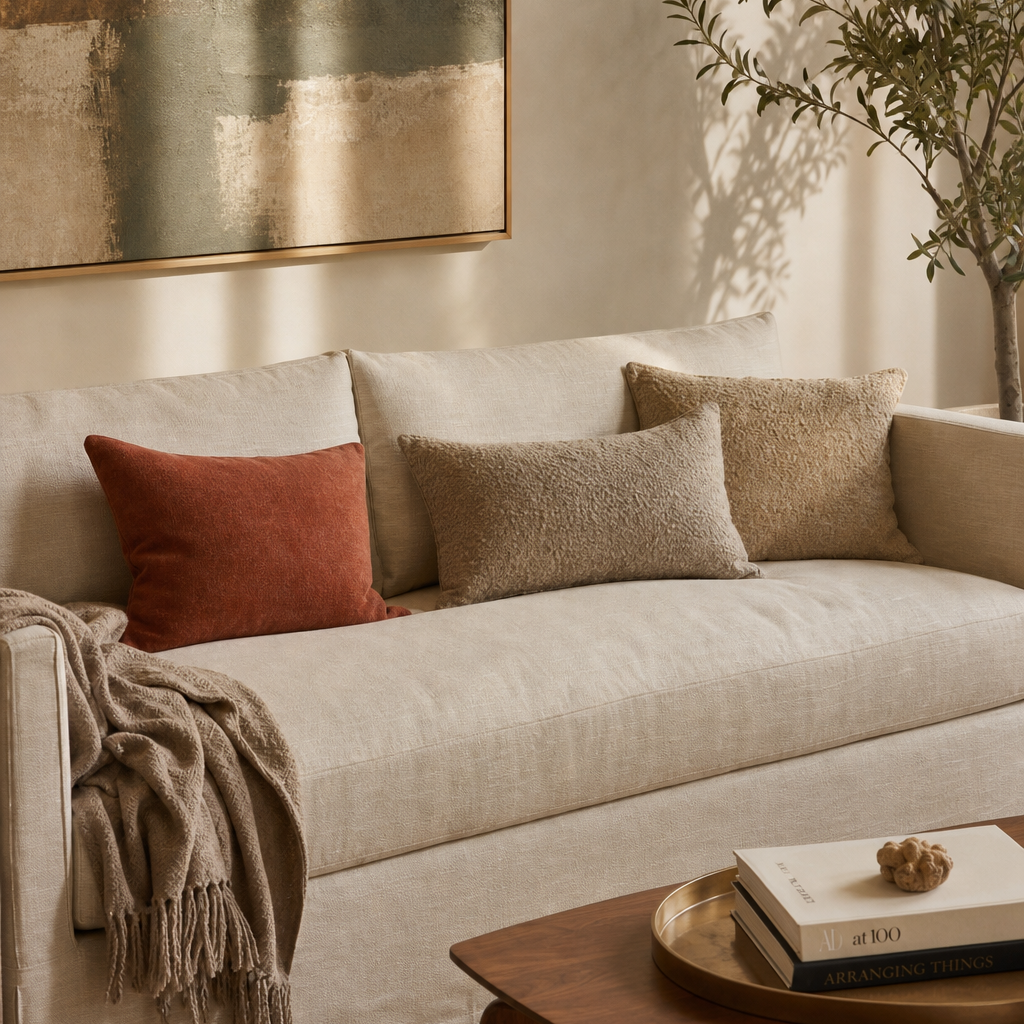
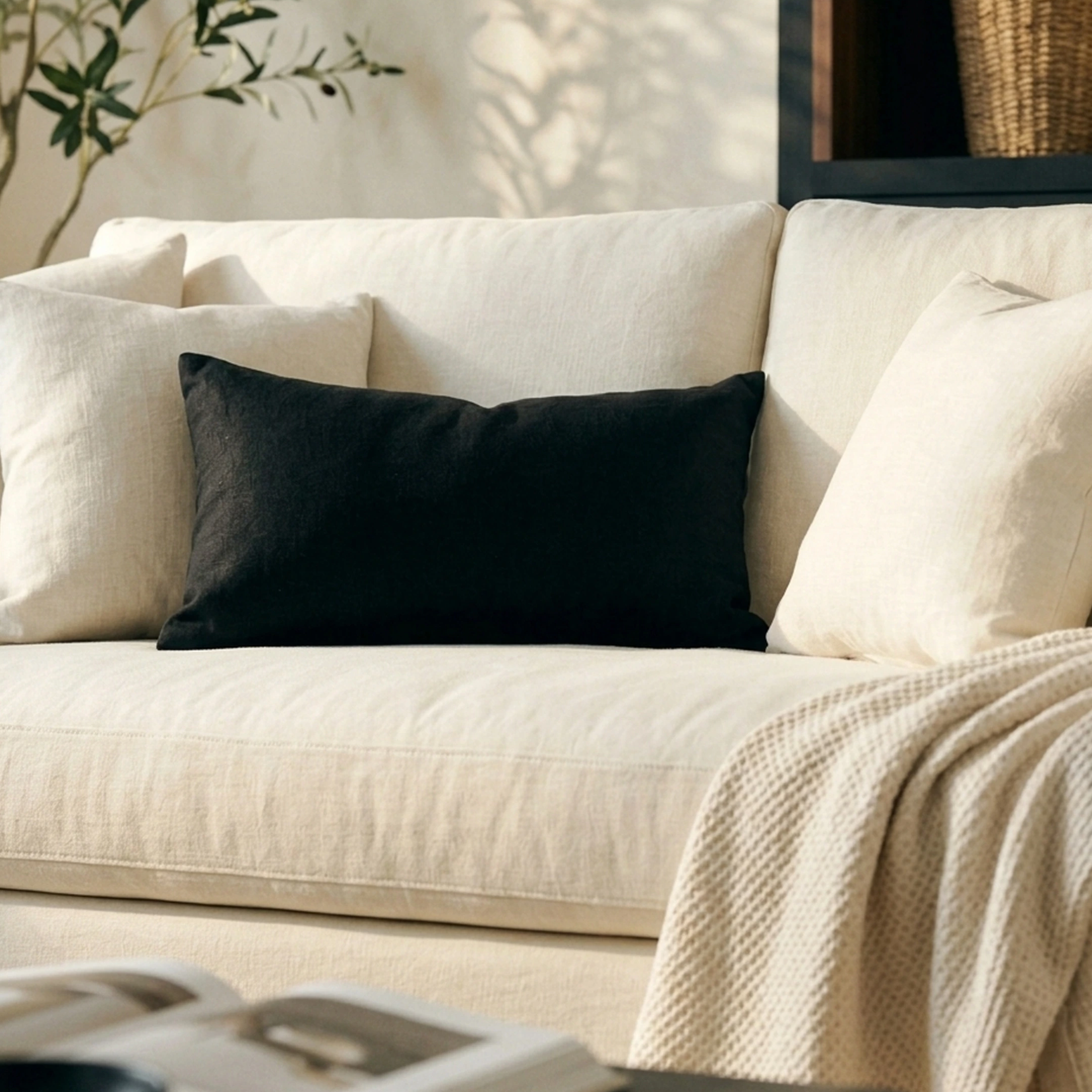
The interior design of Brady's Los Angeles home relies on reclaimed wood, honed stone, linen upholstery, and a neutral color palette to create what designers call "quiet luxury." Joan Behnke's approach prioritized texture over color and quality over quantity. The result is a space where every surface feels considered, not because every surface is expensive, but because every surface belongs.
Reclaimed oak floors, stone countertops, and custom millwork in warm wood tones create a layered, collected feeling that is difficult to achieve with standard builder finishes. The key word is "layered." The materials build on each other rather than competing. Stone reads as grounded. Oak reads as warm. Linen reads as soft. Together they create a room that feels complete without feeling decorated.
Recreating the Brady Material Palette at Different Investment Levels
The following table maps Brady's material choices to scalable alternatives across budget tiers:
Design ElementBrady-Level ReferenceMid-Tier AlternativeEntry-Level AlternativeFlooringReclaimed oak planksWide-plank white oak, wire-brushedQuality LVP in warm oak toneCountertopsHoned natural stoneCaesarstone or Silestone, warm whiteQuartz in greige or warm grayWall textureVenetian plaster, panelingLimewash paint, board-and-battenSatin paint in warm neutralUpholsteryBelgian linen, boucléPerformance linen from Crate and BarrelTextured weave in neutral toneWindow treatmentsCustom drapery, motorized shadesLinen panels with Lutron roller shadesLinen panels, ceiling-mountedCabinetryCustom millwork, warm oakSemi-custom shaker, natural oak finishStock shaker, painted warm white
Where to Spend and Where to Hold Back
Invest in surfaces you touch daily: countertops, flooring, and upholstery. These are the materials that communicate quality most immediately to anyone who enters the space. Hold back on decorative accessories, which can be layered in over time without structural commitment.
Custom millwork, including built-in cabinetry, paneling, and shelving, is one of the highest-impact investments available in interior renovation. It reads as expensive because it is specific to the space. A single paneled wall or a built-in bookcase in a living room shifts the perceived quality of the entire room. Even semi-custom built-ins in a warm oak or painted finish achieve most of the visual effect at a fraction of the cost of fully bespoke work.
The sequencing principle: fix the surfaces first, then furnish into them. Buying furniture before resolving flooring or wall finishes leads to mismatched purchases that feel expensive but incoherent. For homeowners navigating decision fatigue in furniture shopping, this sequencing is the single most useful framework available.
Smart Home Technology: Invisible, Integrated, and Actually Useful
Brady's Clearwater, Florida residence features a Crestron-controlled smart home system that integrates lighting, climate, AV, security, and motorized shades into a single control layer. The defining characteristic of the installation, as documented in CE Pro's profile of the property, is that all equipment is hidden and all systems are simple to operate. The technology enhances the home without announcing itself.
This invisibility is the standard. The difference between a smart home and a home with smart devices is whether the technology disappears into the architecture or sits on top of it.
The Three Layers of Smart Home Integration
A well-integrated smart home addresses three functional priorities, in this order:
- Lighting control: Dimmers, scenes, and motorized shades that allow the room to shift from bright and functional to warm and ambient without manual adjustment. The AIA's 2022 Home Design Trends Survey found that approximately 70% of architects reported increased client demand for LED lighting and advanced lighting controls in custom homes.
- Climate and energy management: Smart thermostats and automated shading that reduces solar gain. EPA ENERGY STAR analysis indicates properly configured smart thermostats save approximately 8% on heating and cooling costs compared with manual thermostats.
- Security and access: Cameras, smart locks, and monitoring that operate quietly in the background. Home security solutions account for roughly one-third of consumer IoT spending in the home segment, driven largely by higher-income adopters.
AV and entertainment systems are the fourth layer. They should be planned last, not first.
Control System Options by Budget Tier
SystemBest ApplicationApproximate Entry CostCrestronEstate-level integration, full custom$50,000 and upSavantHigh-end residential, strong AV focus$20,000 and upControl4Affluent non-celebrity homes, dealer network$10,000 and upApple Home with LutronSmaller homes, DIY-friendly integration$2,000 and up
Lutron remains the most widely specified lighting control brand in luxury residential projects and integrates with all four systems listed above. For homeowners who are not ready to commit to a full control system, starting with Lutron dimmers and motorized shades delivers the highest visible return on a partial investment.
The most important practical advice: run structured wiring and conduit during any renovation, even if you are not installing a full system immediately. Retrofitting technology into finished walls is expensive. Planning for it during construction costs almost nothing.
Outdoor Living and Landscape Design: The Second Living Room
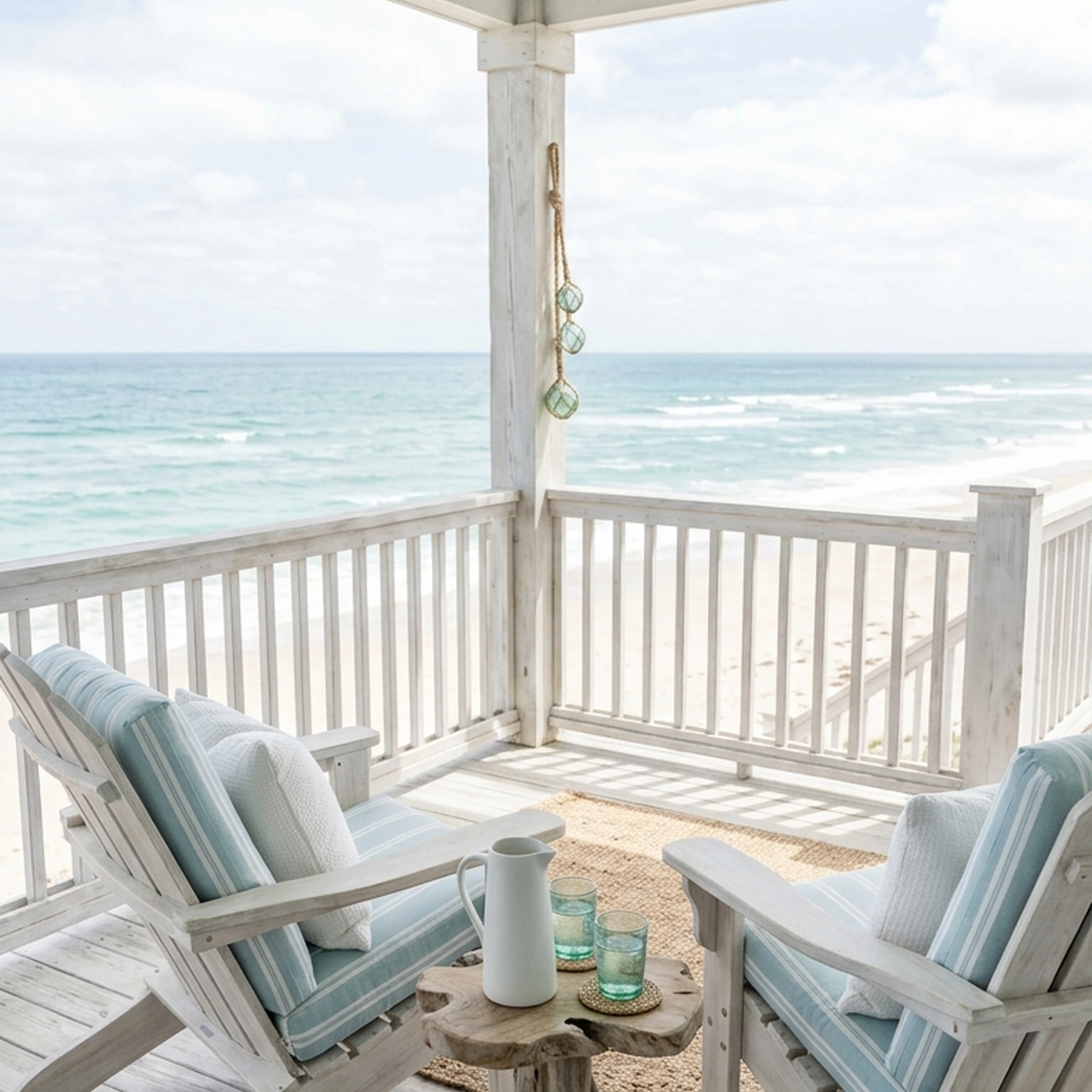
Brady's Miami estate treats outdoor space as a direct extension of the interior. The private dock, resort-caliber pool, and terraces create clear sightlines from the main living areas to the water, and the landscape design functions as a series of additional rooms rather than a backdrop. This approach, treating the yard as a second living room, is now the defining characteristic of high-end residential outdoor design.
The financial case is straightforward. Adding a new patio recovers approximately 95% of project cost at resale. Standard lawn care and landscaping services recover an estimated 217% of cost at resale. These are among the strongest ROI figures in the entire renovation category.
Designing a Resort-Style Outdoor Space
The most common mistake in outdoor design is distributing budget across too many small elements: a modest seating area here, a small fire pit there, a few potted plants scattered around. Brady's properties work because each outdoor zone has a clear identity and a strong anchor.
The correct approach follows this sequence:
- Identify one primary outdoor room and build it completely before adding secondary zones
- Align interior seating with a key window or door to create a visual connection between inside and outside
- Use large-format pavers or continuous decking to create a sense of scale, even on smaller lots
- Add landscape lighting as a non-negotiable element: pathway lighting, uplighting on trees, and architectural accent lighting transform a yard after dark
- Invest in one high-quality outdoor seating group rather than several budget pieces that will need replacing
For homeowners in urban apartments or smaller properties, the same principles apply at reduced scale. A well-designed balcony with quality outdoor furniture, a single planter with structural plants, and good lighting reads as intentional. A balcony with mismatched furniture and no lighting reads as an afterthought, regardless of how much was spent.
Outdoor Kitchen and Cooking Spaces
Brady's properties include permanent outdoor cooking areas consistent with the broader luxury residential trend toward outdoor kitchens as weather-resistant extensions of the interior kitchen. Brands like Wolf Outdoor and Lynx represent the high end of this category. For homeowners working at more moderate budgets, a built-in grill with a stone or concrete surround and a small prep counter achieves the same visual weight at a fraction of the cost.
The key principle is permanence. Built-in outdoor cooking equipment reads as designed. Freestanding grills read as temporary, regardless of price.
Wellness Spaces and Home Gym Design
Private gyms, spa-like bathrooms, and dedicated recovery spaces have shifted from luxury differentiators to standard expectations among affluent buyers. Brady's homes reflect his professional background in athletic performance, but the design principles behind those spaces are accessible to any homeowner willing to dedicate a room and a focused budget.
Designing a Home Gym That Actually Gets Used
A home gym fails when it tries to replicate a commercial gym in a residential space. The better model is a focused, well-lit room with a clear purpose and enough equipment to support a consistent routine.
The essential elements:
- Flooring: Rubber flooring or cork over concrete. Avoid carpet, which retains moisture and odor.
- Mirrors: Full-length mirrors on at least one wall for form feedback and to amplify light.
- Ventilation: A dedicated HVAC return or exhaust fan. Gyms get warm and humid faster than any other room in the house.
- Lighting: Bright, even overhead lighting without harsh shadows. LED panels work well and are easy to specify.
- AV: In-ceiling speakers and a wall-mounted display with cables hidden in the wall.
Equipment selection should follow the same restraint principle as interior design. A few high-quality pieces used consistently outperform a room full of equipment that creates visual noise and gets ignored. Technogym and Peloton represent the high-end connected equipment category. For homeowners prioritizing versatility, a quality cable machine, adjustable dumbbells, and a pull-up station cover most training needs in a compact footprint.
Spa Bathroom Design: The Wellness Investment with the Broadest Appeal
A bathroom renovation recovers approximately 71% of its cost at resale, making it one of the most financially sound renovation investments available. The design moves that shift a standard bathroom toward spa territory are specific and replicable:
- A freestanding soaking tub as a visual anchor, even if it is used infrequently
- A large-format walk-in shower with a rain head and a linear drain
- Heated floors, which cost relatively little to add during renovation and have an outsized impact on daily comfort
- Warm lighting at vanity level rather than overhead-only fixtures
- Natural stone or large-format porcelain tile in a single, consistent material
Kohler's luxury lines, including their digital shower systems and chromatherapy tubs, represent the high end of this category. Porcelanosa offers large-format tile and bath products that achieve a similar aesthetic at more accessible price points. The material principle is the same as everywhere else: choose one material and use it consistently rather than mixing several at higher individual cost.
Kitchen Design: The Social Anchor
Brady's Los Angeles home features a large, social kitchen designed around entertaining and family living, with generous counter space, a substantial island, and a layout that connects directly to the outdoor living areas. A complete kitchen renovation recovers approximately 75% of its cost at resale, making it one of the most financially sound renovation investments available.
The kitchen is the room where material quality is most immediately legible. Countertop material, cabinet finish, and appliance selection communicate the overall quality of the home faster than almost any other space.
The Brady Kitchen Formula
The design logic behind Brady-caliber kitchens follows a consistent pattern that translates well across budget levels:
- One dominant material: A single stone or quartz countertop material used consistently across all surfaces, including the island. Mixing countertop materials reads as indecisive.
- Integrated appliances: Refrigerators, dishwashers, and sometimes ovens integrated behind cabinetry panels to reduce visual noise. This is a planning decision made at the cabinet design stage, not an afterthought.
- A generous island: Proportioned for both prep and seating, with pendant lighting that anchors the space visually. The island is the social center of the room.
- Warm cabinet finish: Natural oak, painted warm white, or a combination. Cool gray cabinetry dates quickly and is already reading as early-2010s in most markets.
- Professional-grade cooking equipment: Sub-Zero and Wolf remain the standard reference in luxury kitchens. Miele offers a strong European alternative with a more minimalist aesthetic.
For homeowners working with modern furniture selections and kitchen renovation budgets simultaneously, the sequencing recommendation is the same as with other spaces: resolve the fixed elements first. Cabinet profile, countertop material, and appliance selection are structural decisions. Lighting, hardware, and accessories can be refined over time.
Minimalist vs. Maximalist: Where Brady's Aesthetic Actually Lands
Brady's homes are neither strictly minimalist nor maximalist. They occupy the territory that designers call "warm modern" or "transitional luxury," combining the restraint of contemporary design with the material richness and layering of traditional interiors.
Transitional style is an interior design approach that combines traditional forms, including moldings, paneling, and warm woods, with modern lines and neutral palettes, producing a timeless aesthetic that avoids the coldness of strict minimalism and the visual noise of maximalism.
The practical implication is that the goal is not to eliminate objects but to ensure that every object earns its place. Brady's interiors, as documented in Architectural Digest's coverage and Galerie Magazine, feel collected rather than curated in the sterile sense. There are books, objects, and personal items. They are arranged with intention.
The Five Decisions That Separate Warm Modern from Generic Modern
These five decisions consistently separate warm modern interiors from expensive-but-cold ones:
- Choose warm-toned woods over cool grays and blacks as the primary material
- Use linen, bouclé, and natural textiles rather than synthetic upholstery
- Layer lighting with floor lamps, table lamps, and sconces rather than relying on overhead fixtures alone
- Include at least one piece with age or provenance, whether vintage, antique, or reclaimed
- Leave negative space intentionally. Not every surface needs an object.
Tools and Vendors: What Brady Uses and What Scales Down
The following categories cover the primary systems and materials in Brady-style homes, with vendor options across budget tiers. First Chair appears in the design and visualization category as a platform for translating inspiration into shoppable room concepts.
Smart Home and Control Systems
- Crestron: Enterprise-grade automation used in Brady's Clearwater home. Integrates lighting, climate, AV, and security into a single system. Best for estate-level projects with a dedicated integrator.
- Savant: High-end residential control with strong AV focus. Often specified in architect-designed homes at the upper end of the non-celebrity market.
- Control4: More accessible whole-home control platform with a robust dealer network. Strong choice for affluent homeowners who want full integration without estate-level complexity.
Lighting and Shading
- Lutron: The most widely specified lighting control brand in luxury residential projects. Dimmers, keypads, motorized shades, and whole-home lighting scenes. Integrates with Crestron, Savant, Control4, and Apple Home.
- Ketra (a Lutron brand): Tunable white and full-spectrum LED lighting that mimics natural daylight. Popular in wellness-oriented design.
- Philips Hue: Prosumer-level smart lighting for homeowners who want scene-based control in specific rooms without a full system commitment.
Kitchen Appliances and Fixtures
- Sub-Zero and Wolf: The standard reference for luxury kitchen appliances. Refrigeration and cooking equipment that integrates visually with high-end cabinetry.
- Miele: High-end European appliances with a more minimalist aesthetic. Strong choice for kitchens where visual restraint is the priority.
- Kohler: Wide range of fixtures, freestanding tubs, digital showers, and smart toilets across premium to ultra-luxury lines.
Fitness and Wellness Equipment
- Technogym: High-end gym equipment often specified in private wellness rooms and luxury condos. Designed to look as good as it performs.
- Peloton: Connected cardio equipment that delivers a premium experience in a compact footprint. Practical for homeowners who want one high-quality cardio piece.
Outdoor Living and Landscape
- RH Outdoor and Brown Jordan: High-end outdoor furniture lines suited to resort-style residential projects.
- Kichler and FX Luminaire: Landscape lighting systems for pathways, trees, and architectural accents.
- Wolf Outdoor and Lynx: Outdoor cooking appliances for permanent outdoor kitchen installations.
Materials and Finishes
- Caesarstone and Silestone: Engineered quartz surfaces offering a consistent, modern stone look with better durability and more predictable cost than natural stone.
- Porcelanosa: Large-format porcelain tiles, wall panels, and bath products suited to spa-like spaces.
- Boral and Eldorado Stone: Manufactured stone veneers that replicate Brady-style stone facades and fireplaces at better cost and performance than full-thickness stone.
Design and Visualization Platforms
- SketchUp: 3D modeling tool used by architects and designers to visualize renovations and interior layouts.
- Houzz Pro: Design collaboration and project management tool widely used by interior designers for moodboards and sourcing.
- First Chair: An AI-assisted interior design and shopping platform that translates inspiration images, including photos of spaces like Brady's homes, into cohesive room concepts built from real, purchasable furniture and decor. The platform pulls across West Elm, CB2, Crate and Barrel, Pottery Barn, Lulu and Georgia, and other retailers, which matters when the right room rarely comes from a single catalog. It also offers insider pricing on selected pieces. For homeowners who want to understand how pieces work together before committing to purchases, First Chair narrows the field to what actually works rather than surfacing endless options.
Best Practices for Recreating Brady-Style Design
These eight practices are grounded in the design decisions documented across Brady's properties and in the broader principles of luxury residential design.
- Start with a lifestyle program, not an aesthetic. Architect Richard Landry emphasizes understanding how clients live, including how they entertain, what privacy they need, and how they use wellness spaces, before drawing plans. Brady and Bündchen's LA home was programmed around family living, outdoor connection, and entertaining. Define your zones first: public, family, wellness, work. Invest where you spend daily time.
- Invest in the envelope and lighting before decorative finishes. Layout, insulation, windows, and layered lighting have the biggest impact on comfort and long-term value. Choose more modest decorative materials if needed to fund these first.
- Use layered lighting to create ambiance. Brady-style homes use warm, indirect lighting, sconces, and lamps rather than relying on overhead downlights. Add dimmers, under-cabinet lighting, wall washers, and decorative fixtures. Pre-set scenes for entertaining, dining, and relaxing.
- Embrace warm, natural materials and a restrained palette. Choose three materials and use them consistently throughout the space. Texture and material quality matter more than bold color or pattern.
- Create strong indoor-outdoor connections, even on smaller lots. Align interior seating with a key window or door. Use large sliders if budget allows. Build one high-quality outdoor room rather than scattering small patios.
- Integrate technology discreetly. Use structured wiring, central equipment racks, and a single control platform. The goal is a home where the technology is present but invisible.
- Design a dedicated wellness zone. Convert a bedroom or part of a basement into a clean, well-lit gym or yoga room with mirrors, storage, good ventilation, and AV. The space does not need to be large to be effective.
- Plan for future flexibility. Build storage, use furniture rather than permanent partitions where possible, and run extra wiring and conduit for future technology upgrades. The homes that age best are the ones designed for how life actually changes.
Common Mistakes to Avoid
These are the most consistent errors homeowners make when attempting to recreate luxury residential design, along with their consequences and corrections.
- Copying celebrity scale instead of adapting the idea. A double-height foyer in a 2,500-square-foot home does not read as grand. It reads as a room with no furniture that fits it. Borrow the proportional language, taller doors, deeper baseboards, larger windows, rather than the raw square footage.
- Mixing too many materials. Eight materials at high individual price points creates visual noise, not luxury. Choose three materials and use them consistently. The restraint is the point.
- Installing smart devices without a control strategy. A home with six different apps controlling six different systems is not a smart home. It is a complicated home. Commit to one platform and build from there.
- Distributing outdoor budget across too many small elements. A modest seating area, a small fire pit, and a few scattered planters add up to a lot of money and no coherent outdoor room. Build one zone completely before adding secondary elements.
- Choosing cool gray cabinetry. Cool gray kitchen and bath cabinetry dates faster than almost any other finish decision. Warm white, natural oak, and greige read as current and hold their relevance longer.
- Relying on overhead lighting alone. A room lit only by recessed downlights feels like an office, regardless of how expensive the furniture is. Layer in floor lamps, table lamps, and sconces before adding more overhead fixtures.
- Buying furniture before resolving surfaces. Purchasing a sofa before deciding on flooring or wall finish leads to mismatched purchases that feel expensive but incoherent. Fix the surfaces first, then furnish into them.
- Treating the gym as a secondary priority. A home gym that is poorly ventilated, badly lit, and difficult to access does not get used. Treat it as a primary room with the same design attention as the kitchen or primary bath.
Budget-Friendly Ways to Achieve Luxury Aesthetics
The highest-impact, lower-cost design interventions consistently deliver outsized visual returns relative to their cost. These are the moves that separate a room that reads as expensive from one that merely cost a lot.
InterventionApproximate CostVisual ImpactHigh-quality paint in warm neutral (Farrow and Ball, Benjamin Moore Aura)$200 to $500 per roomHighHardware replacement: cabinet pulls, door handles, plumbing fixtures$300 to $1,500HighStatement pendant or pair of sconces replacing builder fixtures$500 to $2,000HighFloor-to-ceiling linen panels hung close to ceiling$400 to $1,500 per roomHighQuality wool or natural fiber rug anchoring seating arrangement$800 to $3,000HighSingle built-in bookcase or paneled accent wall$2,000 to $8,000Very high
The sequencing principle applies here too. Paint and lighting first. Hardware and textiles second. Furniture and accessories third. Each layer builds on the one before it.
For homeowners who want to understand how these pieces work together before committing, First Chair translates inspiration images into cohesive room concepts built from real, purchasable furniture and decor. Instead of spending weeks in browser tabs trying to reverse-engineer a look, the platform narrows the field to pieces that work together and can actually be bought, with insider pricing on selected items built in.
Frequently Asked Questions
What design style best describes Tom Brady's homes?
Tom Brady's homes are best described as warm modern luxury, sometimes called transitional luxury. The style combines clean-lined contemporary architecture with natural materials such as reclaimed oak, honed stone, and linen, a restrained neutral palette, integrated smart home technology, and resort-caliber outdoor spaces. The result is a home that feels both current and timeless rather than trend-dependent.
How much does it cost to replicate a smart home system like Brady's Clearwater property?
Brady's Clearwater home uses a Crestron-controlled system, which typically starts at $50,000 and scales significantly from there for estate-level integration. A comparable but more accessible whole-home control system using Control4 starts at approximately $10,000. For smaller homes, a Lutron lighting control system paired with Apple Home can achieve meaningful integration starting around $2,000. The most important cost-saving decision is running structured wiring during any renovation, which makes future upgrades far less expensive.
What are the highest-ROI home renovations for luxury homeowners?
Based on National Association of Realtors data, the highest-ROI renovation categories for luxury homeowners are outdoor living (a new patio recovers approximately 95% of cost at resale), kitchen renovation (approximately 75% cost recovery), and bathroom renovation (approximately 71% cost recovery). Landscaping and lawn care services recover an estimated 217% of cost at resale. Lighting upgrades and custom millwork also deliver strong perceived-value returns that are difficult to quantify but consistently cited by real estate professionals.
What materials create the "quiet luxury" effect seen in Brady's interiors?
The quiet luxury effect comes from a restrained palette of warm, natural materials used consistently throughout the space. The primary materials in Brady's Los Angeles home include reclaimed oak flooring, honed natural stone countertops, custom millwork in warm wood tones, linen and bouclé upholstery, and neutral plaster or limewash wall finishes. The restraint is as important as the materials themselves: choosing three materials and using them consistently creates more cohesion than mixing many materials at higher individual price points.
How do you design an outdoor space that reads as luxury without a waterfront property?
The key is designing one complete outdoor room rather than distributing budget across many small elements. Choose a primary outdoor zone, build it completely with quality furniture, a defined surface material such as large-format pavers, and landscape lighting, then add secondary zones only after the primary space is finished. Align interior seating with a key window or door to create a visual connection between inside and outside. Good landscape lighting is non-negotiable: it transforms the space after dark and is one of the most cost-effective investments in outdoor design.
What is the best approach to home gym design for a non-celebrity budget?
The most effective home gyms are focused rather than comprehensive. Choose a room with good natural light if possible, install rubber or cork flooring, add full-length mirrors on at least one wall, ensure dedicated ventilation, and select a small number of high-quality pieces that support a consistent routine. Technogym and Peloton represent the high end of connected equipment. For homeowners prioritizing versatility, a quality cable machine, adjustable dumbbells, and a pull-up station cover most training needs in a compact footprint. The room should be designed to be used, not to impress.
Conclusion: The Principles Are More Transferable Than the Price Tag
Tom Brady's homes are extraordinary in scale. The design principles behind them are not. Warm materials, layered lighting, a restrained palette, strong indoor-outdoor connection, and technology that disappears into the architecture: these are decisions, not budgets. A 3,500-square-foot home in Austin or a renovated townhouse in Chicago can use the same logic. The square footage changes. The principles do not.
The most useful reframe is this: Brady's homes feel expensive because every surface is considered and every room has a clear purpose. That is achievable at a fraction of the cost, if the sequencing is right and the restraint holds.
Fix the surfaces first. Layer the lighting. Build one outdoor room completely. Choose three materials and commit to them. Let the technology disappear.
If you want to see how these principles translate into a specific room with real, purchasable pieces, First Chair can take an inspiration image, including photos of spaces like Brady's homes, and turn it into a cohesive room concept built from furniture and decor that actually exists and can be bought today.