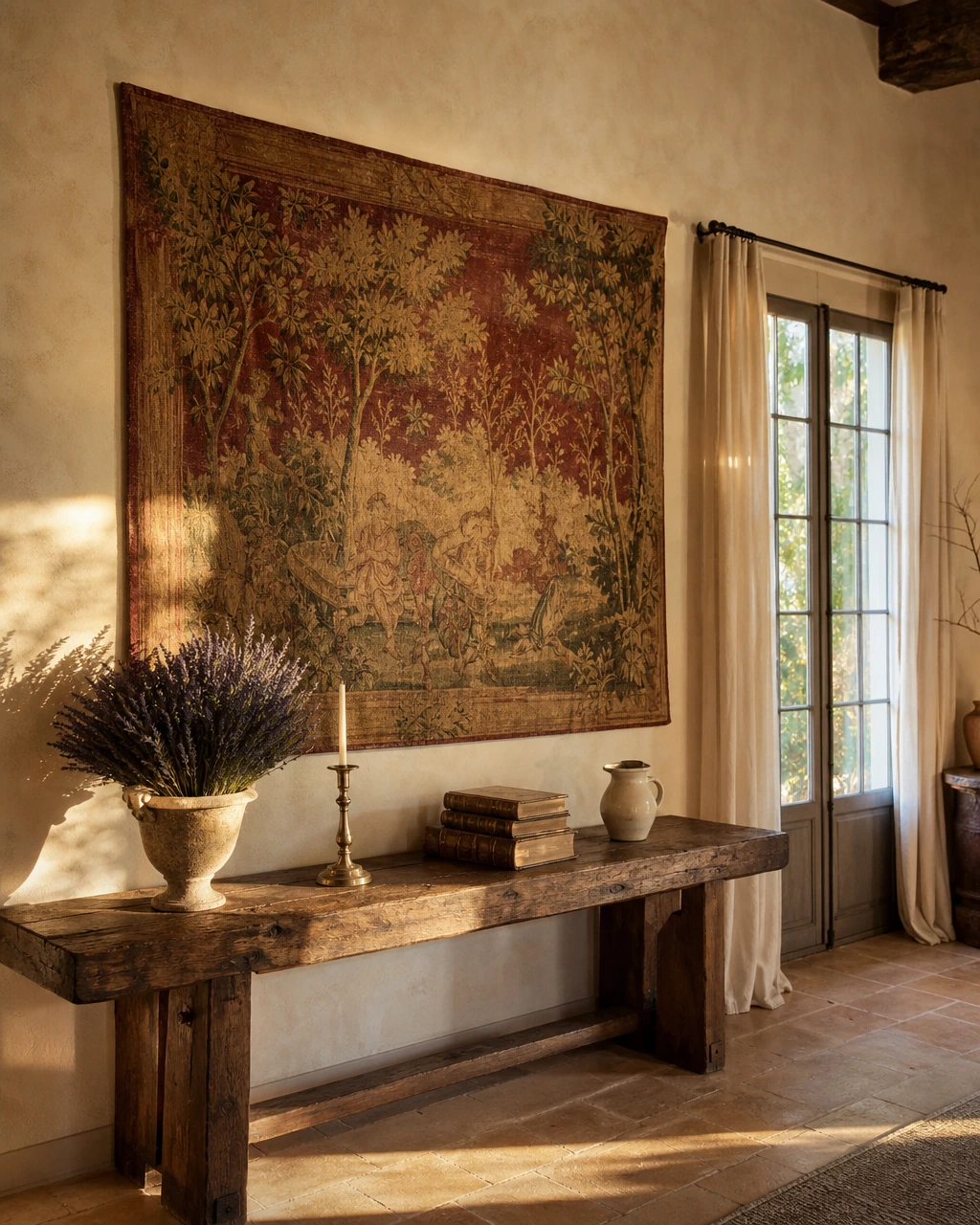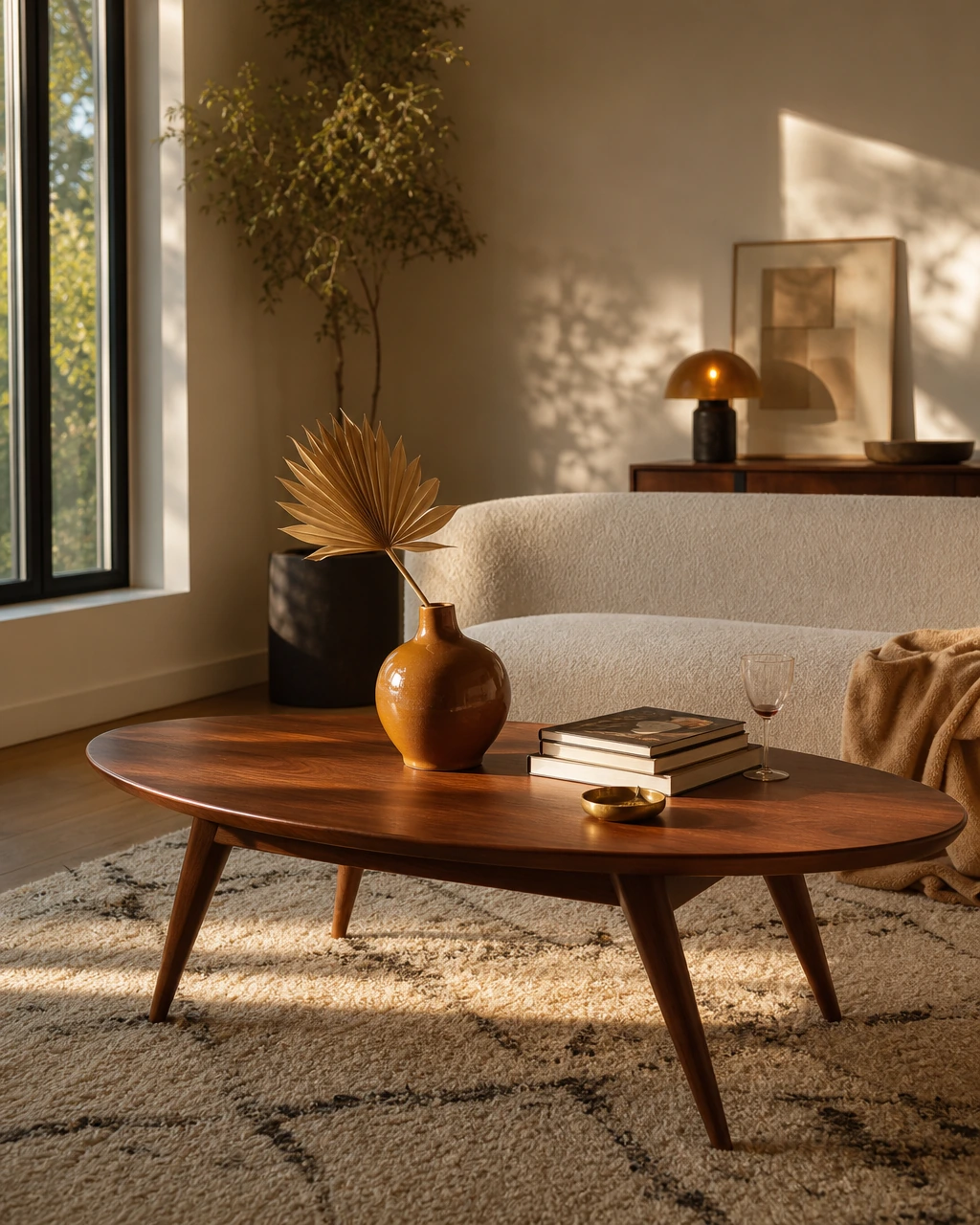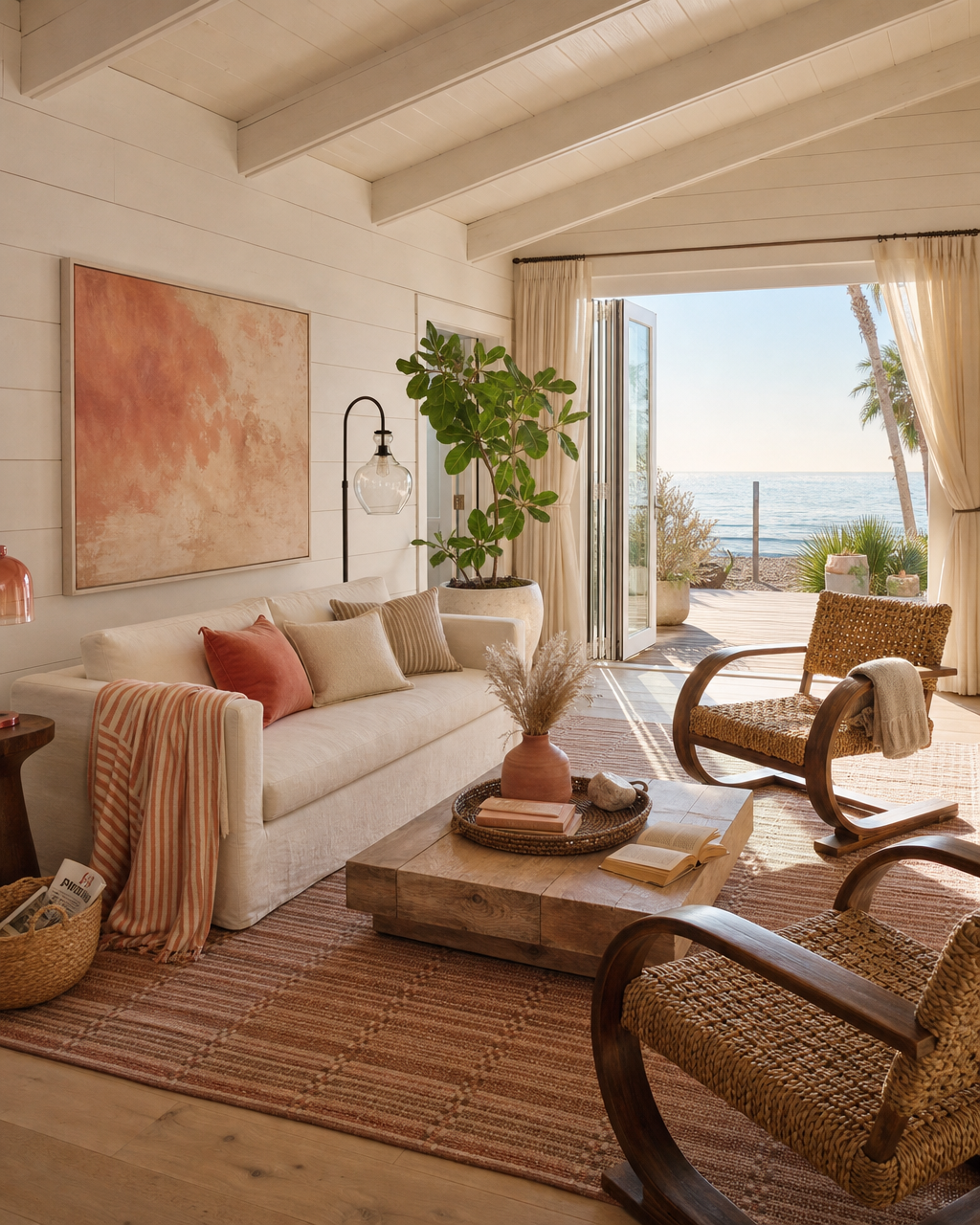
If you have spent any time watching home tours on YouTube, you have probably landed on footage of Jake Paul's Dorado Beach compound in Puerto Rico and thought one of two things: "I could never" or "Actually, some of that is really smart." The second instinct is the right one.
The mansion is extreme in scale. Eight bedrooms, twelve bathrooms, a resort-style pool, and entertainment zones that blur the line between private home and production studio. But the design principles underneath all of that are not extreme at all. Open flow, layered lighting, a strong indoor-outdoor connection, and rooms built around how people actually gather. Those ideas translate directly to a 1,800-square-foot apartment in Austin or a first home in Denver.
This guide breaks down the specific design moves visible in Jake Paul's Puerto Rico residence and shows you how to adapt each one to a realistic space and budget. No fantasy renders. No furniture that does not exist. Just concepts that work.
What you will learn:
- Which architectural and layout decisions in Jake Paul's compound are directly adaptable to standard homes
- How to create layered lighting, open-plan flow, and entertainment-focused rooms without structural changes
- Where to spend on luxury finishes and where engineered alternatives deliver the same visual result
- How to build smart home infrastructure that actually supports a media-centric lifestyle
- The most common mistakes homeowners make when trying to recreate celebrity home aesthetics
Key Takeaways
- Jake Paul's Puerto Rico mansion was purchased for $15.7 million and features 8 bedrooms, 12 bathrooms, and a resort-style pool at Dorado Beach Resort.
- The design principles behind celebrity homes, including open floor plans, layered lighting, and indoor-outdoor flow, are directly adaptable to mid-market homes at any scale.
- Open layouts combining kitchen, dining, and family room are desired by more than 70% of buyers, according to NAHB survey data, confirming these concepts have broad appeal well beyond the luxury tier.
- Roughly two-thirds of U.S. households already own at least one smart home device, making tech integration far more accessible than it appears in celebrity home contexts.
- The most common mistake homeowners make is copying scale instead of concept. Extract the principle, then resize it for your actual space.
- Layered lighting with dimmers and scenes is the single highest-impact, lowest-cost upgrade available for creating a luxury feel in any room.
- Durable luxury finishes like engineered stone, large-format porcelain tile, and performance upholstery deliver the visual quality of celebrity interiors without the maintenance burden.
What Makes Jake Paul's House Design Worth Studying
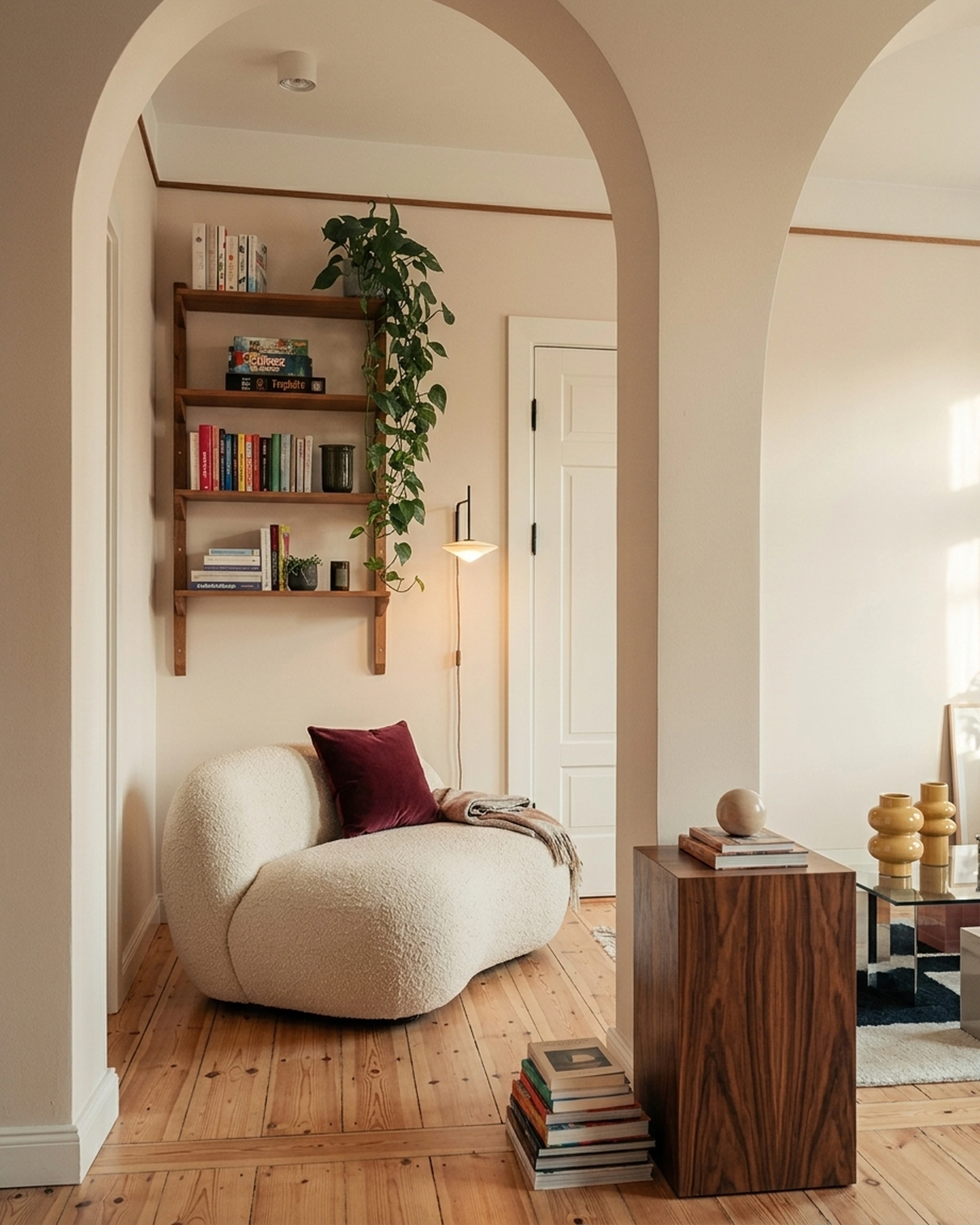
Jake Paul's Puerto Rico mansion is worth studying not because of its price tag, but because it represents a clear, legible design philosophy. The home sits within Dorado Beach Resort and has been covered as a showcase of entertainment-centric luxury living. What emerges from those tours is a consistent set of decisions: minimize visual clutter, maximize flow, anchor each room with one strong focal point, and let the boundary between inside and outside dissolve.
These are not new ideas. They are the same principles professional interior designers have been applying for decades. What makes Jake Paul's home useful as a reference is that it executes them at a scale and with a clarity that makes each decision easy to read and easier to adapt.
The Core Design Philosophy Behind the Compound
The mansion operates on a simple hierarchy. Public spaces, meaning the living areas, kitchen, and entertainment zones, are large, open, and oriented toward views and gathering. Private spaces are tucked away. Technology is embedded rather than displayed. Materials are high-quality but restrained in palette.
This is the opposite of the "more is more" approach many homeowners default to when trying to create a luxury feel. The compound reads as expensive because it is disciplined, not because it is busy.
Why Celebrity Home Design Translates Better Than You Think
The gap between a $15.7 million mansion and a typical home is mostly one of scale, not concept. A great room connecting kitchen, dining, and living space works the same way whether it is 4,000 square feet or 900. A layered lighting scheme with ambient, task, and accent sources creates the same mood shift in a Brooklyn apartment as it does in a Dorado Beach compound. The concepts scale down. The budget does not need to follow.
For homeowners working through how to design a new apartment from scratch, the same framework applies: identify the hierarchy, anchor each room with one strong element, and let restraint do the heavy lifting.
Open Concept Floor Plans for Entertaining
An open concept floor plan is a layout where the kitchen, dining area, and main living space share a single connected zone with minimal interior walls, improving visual flow, supporting social interaction during cooking and hosting, and making smaller homes feel significantly larger.
NAHB's "What Home Buyers Really Want" survey consistently finds that open layouts combining kitchen, dining, and family room are desired by more than 70% of buyers. Jake Paul's compound takes this to its logical extreme, with living zones that flow directly into covered outdoor areas and pool decks. The practical version for most homeowners is removing one non-load-bearing wall or simply rethinking furniture placement to create a more connected feel.
How to Create Flow Without Structural Changes
You do not need to knock down walls to improve flow. Furniture arrangement does most of the work. Position your sofa to face into the room rather than against a wall. Keep the path between kitchen and dining table clear of obstacles. Use a consistent flooring material or area rug to visually connect zones that are technically separate rooms.
If you are renovating, a pass-through opening between kitchen and living room achieves most of the visual benefit of a full open plan without the structural cost or the permitting complexity.
Zoning an Open Space Without Losing Cohesion
The challenge with open plans is that they can feel undefined. Jake Paul's spaces avoid this by using furniture groupings, ceiling treatments, and lighting to create distinct zones within a continuous space. A pendant light over the dining table signals "this is the dining zone." A large area rug under the sofa and coffee table signals "this is the living zone." The walls do not need to do that work.
The same zoning logic applies at a tighter scale. For practical guidance on furniture choices for small city apartments, the principle is identical: define zones through objects and light, not partitions.
ZonePrimary SignalSecondary SignalLivingLarge area rugPendant or floor lamp groupingDiningOverhead pendantDistinct flooring material or insetKitchenCounter height changeUnder-cabinet task lightingEntryThreshold material changeConsole table or bench
Modern Luxury Living Room Design
Modern luxury living room design combines clean lines, high-quality materials, neutral palettes, and deliberate lighting to create spaces that feel calm, considered, and expensive without relying on ornamentation or excess furniture.
The living spaces visible in Jake Paul's home follow this formula closely. Large sectionals or deep sofas in neutral upholstery. A single strong focal point, usually a large screen or a view. Minimal decorative objects. Warm wood tones grounding the space. The result reads as luxury because nothing is competing for attention.
Anchoring the Room with One Hero Feature
Professional designers consistently recommend choosing one standout element per key space rather than distributing visual interest across too many pieces. In a living room, that hero feature might be a large piece of art, a statement light fixture, a fireplace surround, or a well-mounted television with a thoughtfully designed media wall.
Pick one. Build the rest of the room around it. This is the move that separates rooms that feel designed from rooms that feel assembled.
Choosing Sofas and Seating for an Entertainment-Focused Living Room
For rooms built around gathering and watching, seating depth and comfort matter more than silhouette. Look for sofas with seat depths of 22 inches or more. Track-arm styles tend to work better in tighter spaces because they recover visual and physical room at the sides. Performance fabrics in warm neutrals, think oatmeal, warm greige, or soft charcoal, hold up to real use while maintaining the clean look of celebrity interiors.
Brands like CB2, Interior Define, and Article offer pieces in this range that photograph well and live well. Avoid matching sets. The room ends up looking staged rather than collected.
If you find yourself stuck between options and second-guessing every choice, that is exactly the problem First Chair is built to solve. Upload the reference images that resonate with you, describe the direction you want ("warm modern," "clean lines but livable"), and get cohesive room concepts built from real, in-stock pieces across multiple retailers.
Home Entertainment System Setup and Technology Integration
A home entertainment system is an integrated setup of display technology, audio equipment, source devices, and connectivity infrastructure, combined with seating layout, acoustics, and lighting controls to deliver a cinematic experience in a residential space.
Jake Paul's compound includes dedicated media areas and content creation spaces that represent the high end of this category. The underlying principles, good acoustics, a properly sized screen, controlled lighting, and clean cable management, apply at any budget. Deloitte's home entertainment research shows that average screen sizes in living rooms have grown significantly over the past decade, reflecting a broad consumer shift toward prioritizing cinematic experiences at home.
Sizing Your Screen and Speaker Setup Correctly
The most common mistake in home entertainment setups is under-sizing the screen relative to the viewing distance. A general rule: for a 4K display, the ideal viewing distance is roughly 1 to 1.5 times the screen's diagonal measurement. A 65-inch television works well at 6 to 8 feet. A 75-inch screen at the same distance is noticeably better.
For audio, a quality soundbar from Sonos or a similar brand delivers a significant upgrade over built-in TV speakers without requiring in-wall wiring. If you are building a dedicated media room, a 5.1 surround setup with a Denon or Yamaha receiver and bookshelf speakers will outperform most soundbars at a comparable price point.
Pre-Wiring: The Infrastructure Decision That Matters Most
Running conduit or structured cabling during a renovation costs a fraction of what it costs to retrofit later. Smart home consultants consistently flag under-specified power and data infrastructure as the most common and most expensive mistake in entertainment setups. At minimum, plan for:
- Dedicated 20-amp circuits for media equipment
- In-wall HDMI and power for wall-mounted displays
- Ethernet drops at every major seating and equipment location
- A central network closet or media panel for clean cable management
This is the infrastructure Jake Paul's compound relies on. The gadgets matter less than the foundation they run on.
Smart Home Automation for Entertainment Spaces
Smart home automation uses networked devices, sensors, and controllers to automate or remotely manage lighting, climate, security, and entertainment, typically through apps, voice assistants, or pre-programmed scenes.
For entertainment-focused rooms, the most impactful automation is lighting scenes. A "movie mode" that dims overhead lights, activates bias lighting behind the screen, and lowers shades can be set up with Philips Hue or Lutron Caséta for under $500. This single change does more for the feel of a media space than almost any equipment upgrade. Industry data from connected lighting manufacturers consistently documents double-digit annual growth in smart lighting adoption, driven by scenes, schedules, and voice assistant integration.
Smart Lighting and Layered Ambiance
Layered lighting is the practice of combining ambient (general), task (functional), and accent (decorative) light sources with independent dimming controls to create flexible, mood-responsive spaces. It is the most adaptable luxury upgrade available to homeowners at any budget level.
Jake Paul's compound uses this approach throughout, with lighting that shifts from bright and functional during the day to warm and atmospheric in the evening. The same result is achievable in a standard apartment with a $150 smart dimmer and a few well-placed lamps.
Building a Lighting Scheme That Works in Any Room
Start with the ceiling. If you have a single overhead fixture on a non-dimmable switch, that is the first thing to fix. Add a smart dimmer (Lutron Caséta is the professional standard; Philips Hue works well for renters who need plug-in options) and immediately gain control over the room's mood.
Then add layers:
- Ambient layer: Overhead fixture or recessed lighting on a dimmer
- Task layer: Under-cabinet lighting in kitchens, reading lamps beside seating
- Accent layer: Table lamps, floor lamps, picture lights, or LED strip lighting behind shelving
The combination of these three layers, all independently dimmable, is what creates the warm, considered quality visible in luxury interiors.
Warm vs. Cool Light Temperature
Color temperature has a significant impact on how a room feels. Warm white (2700K to 3000K) reads as cozy and residential. Cool white (4000K and above) reads as clinical or commercial. For living rooms, bedrooms, and dining areas, stay at or below 3000K. Kitchens can go slightly cooler for task areas, but keep ambient sources warm.
This is a detail that celebrity home designers get right consistently and that most homeowners overlook entirely. It costs nothing to specify the right bulb temperature. The difference in how the room feels is immediate.
High-End Kitchen Design and Appliance Selection
The kitchens visible in Jake Paul's Puerto Rico mansion coverage follow a consistent luxury template: large islands, integrated appliances, stone or stone-look surfaces, and minimal upper cabinetry in favor of open shelving or full-height lowers. NAHB data confirms that kitchen islands and walk-in pantries are desired by a majority of buyers, which means this approach has moved well beyond the celebrity tier.
Surfaces and Finishes That Deliver Luxury Without the Maintenance
Natural marble is beautiful in photographs and demanding in real life. For kitchens and bathrooms, engineered quartz (brands like Caesarstone or Silestone) and sintered stone surfaces (Dekton, Neolith) deliver comparable visual quality with significantly better resistance to staining, etching, and heat. Large-format porcelain slabs on floors and walls create the seamless, high-end look of celebrity interiors without the grout lines that accumulate grime.
For cabinetry, flat-front doors in a warm white, soft sage, or deep navy read as contemporary luxury. Avoid shaker doors if the goal is a clean, modern aesthetic. Hardware matters: unlacquered brass and matte black both photograph well and age gracefully.
Appliance Selection: Where to Spend and Where to Save
Sub-Zero refrigeration and Wolf cooking equipment are the standard references in luxury kitchens. Both are genuinely excellent and genuinely expensive. For homeowners working within a realistic budget, Miele offers comparable build quality and a cleaner aesthetic at a somewhat lower price point. Bosch is the strong mid-tier choice for dishwashers and built-in appliances.
The one appliance worth spending on regardless of budget: the range hood. A properly sized, properly vented hood makes a kitchen feel professional and keeps the space from accumulating cooking odors. It is also one of the most visible elements in an open-plan kitchen.
Outdoor Living Spaces and Pool Design Ideas
Outdoor living spaces are designed exterior areas, including patios, decks, pools, outdoor kitchens, and lounge zones, that function as extensions of the interior for dining, relaxation, and entertaining. Jake Paul's Dorado Beach pool is the centerpiece of his compound's outdoor experience, but the design principles that make it work translate to far more modest outdoor setups.
NAHB data consistently finds that outdoor living spaces are among the top-requested features in new homes, with more than half of buyers rating them essential or desirable. The key to making an outdoor space feel resort-like is not the pool. It is the continuity between inside and outside.
Creating Indoor-Outdoor Continuity
Extend your interior design language to the exterior. If your living room uses warm wood tones and neutral upholstery, carry those material choices to your patio furniture. Use the same or complementary flooring material at the threshold between inside and outside. Keep the color palette consistent.
This continuity is what makes outdoor spaces feel designed rather than afterthought. A $2,000 patio set in the right materials and palette will read as more intentional than a $10,000 set that clashes with the interior.
Pool and Outdoor Kitchen Considerations
If you are adding a pool, work with a licensed contractor and ensure compliance with local building codes for fencing, drainage, and electrical. Pentair and Hayward are the standard equipment brands for residential pools; both offer automation systems that integrate with smart home platforms for remote control of pumps, lighting, and heating.
For outdoor kitchens, a quality built-in grill from Napoleon or Weber, a small refrigerator, and a durable countertop surface (concrete, porcelain, or stainless steel) cover most entertaining needs without the complexity of a full outdoor kitchen build.
Bedroom and Bathroom Luxury Finishes
The bedroom and bathroom design visible in Jake Paul's compound follows the same discipline as the rest of the home: high-quality materials, minimal clutter, and deliberate lighting. NAHB and industry surveys show strong demand for large showers, double vanities, and premium fixtures, with soaking tubs becoming optional rather than mandatory in contemporary luxury bathrooms.
Bathroom Upgrades with the Highest Visual Impact
Four upgrades most reliably shift a bathroom from standard to luxury:
- Large-format tile: 24x48 inch or larger porcelain on floors and walls eliminates grout lines and reads as high-end
- Frameless glass shower enclosure: Removes visual clutter and makes the space feel larger
- Floating vanity: Creates the illusion of more floor space and photographs well
- Warm lighting at face level: A backlit mirror or sconces flanking the vanity replaces the harsh overhead light that makes most bathrooms feel institutional
These four changes can be executed in a standard bathroom renovation without structural work.
Bedroom Design for a Calm, Considered Feel
The bedrooms in luxury homes like Jake Paul's work because they are edited. The bed is the hero. Everything else supports it. A quality upholstered headboard in a warm neutral, linen or performance velvet, anchors the room. Nightstands should be at mattress height. Lighting should be warm (2700K) and dimmable.
Avoid the temptation to fill walls with art or shelving. One piece of art above the bed, properly sized (at least two-thirds the width of the headboard), does more for the room than a gallery wall of smaller pieces.
Tools and Solutions for Executing Celebrity-Inspired Design
The categories below cover the practical toolkit for adapting Jake Paul-style design concepts to a realistic home project.
Smart Home Platforms
These are the control layer for automation scenes and device integration across lighting, security, and entertainment.
- Amazon Alexa / Echo ecosystem: Voice control, routines, and broad compatibility with smart lighting, AV, and security devices
- Google Home / Nest: Deep integration with Android, YouTube, and Chromecast, useful for entertainment-centric setups
- Apple HomeKit: Secure home automation for Apple-centric households, strong for lighting and media control
Smart Lighting and Controls
Layered luxury lighting is achievable without structural work through these platforms.
- Philips Hue (Signify): Color-tunable bulbs, fixtures, and scenes with integration across major voice platforms
- Lutron (Caséta, RA2, Ketra): Professional-grade dimming and whole-home lighting control widely used in high-end residential projects
- Legrand: Smart switches, dimmers, and decorative wiring devices for contemporary aesthetics
Home Entertainment and AV
Building a media-centric living room requires the right combination of display, audio, and source management.
- Sonos: Multi-room audio and home theater systems with clean integration with TVs and streaming services
- Samsung / LG / Sony: Large-format 4K and 8K displays (OLED, QLED) forming the visual center of entertainment spaces
- Denon / Yamaha / Marantz: AV receivers for true surround systems in dedicated media rooms
Smart Security and Access
Celebrity homes emphasize secure perimeters; homeowners can adopt scaled-down versions through consumer-grade systems.
- Ring (Amazon): Video doorbells, cameras, and alarms suitable for typical residential properties
- Nest (Google): Cameras, doorbells, and smoke detection integrated with Google Home
- SimpliSafe: Professionally monitored systems popular in residential markets
Kitchen Appliances (High-End but Attainable)
The appliance brands that appear consistently in luxury kitchen specifications.
- Sub-Zero / Wolf: Premium refrigeration and cooking appliances frequently specified in high-end homes
- Miele: High-efficiency dishwashers, ovens, and coffee systems with clean contemporary styling
- Bosch: Strong mid-to-high segment brand emphasizing quiet, efficient, built-in appliances
Pool and Outdoor Living Solutions
For resort-style outdoor spaces modeled on Jake Paul's Dorado Beach compound.
- Pentair / Hayward: Pool equipment, pumps, filters, and automation systems widely used in residential pools
- Trex: Composite decking for low-maintenance outdoor lounges
- Blaze / Weber / Napoleon: Outdoor kitchen grills suited to entertainment-focused patios
Design and Visualization Tools
Planning spaces and layouts before committing to purchases reduces costly mistakes.
- First Chair: Upload inspiration images from Jake Paul's home tour, a hotel lobby, or a magazine spread and receive cohesive room concepts built from real, in-stock furniture across multiple retailers including West Elm, CB2, Crate and Barrel, and Lulu and Georgia. Every recommendation is a piece you can actually buy, with insider pricing on selected items. Particularly useful for homeowners who are overwhelmed by furniture options and need the field narrowed rather than expanded.
- SketchUp / Chief Architect: 3D modeling tools used by design professionals for residential floor plans
- Houzz: Design inspiration, product sourcing, and connection to local professionals
Smart HVAC and Comfort
Luxury comfort aligned with energy codes and efficiency standards.
- Nest / Ecobee: Smart thermostats enabling schedules and zoning integration
- Carrier / Trane / Lennox: Major HVAC manufacturers with variable-speed systems and zoning options
- Mitsubishi Electric (mini-split systems): Flexible zoning solutions popular in renovations
Best Practices for Recreating Celebrity Home Design
1. Design Entertainment Zones with Circulation in Mind
NAHB design guidance emphasizes planning clear pathways between kitchen, living, and outdoor spaces, avoiding cramped or dead-end circulation in open plans. In Jake Paul-style homes, large central living zones function as flexible gathering spaces. Homeowners can mimic this by prioritizing flow over furniture count.
2. Layer Lighting for Luxury Ambiance
Professional lighting designers recommend combining ambient, task, and accent lighting with dimming and scenes rather than relying on a single overhead fixture. This is a highly adaptable approach to replicating luxury mood without structural changes. It is also the upgrade with the fastest visible payoff.
3. Invest in Acoustics for Media Rooms
Speaker placement, room dimensions, and soft surfaces often matter more than sheer equipment cost for enjoyable home theater experiences. Even in a typical living room, rugs, curtains, and thoughtful seating placement can emulate the feel of celebrity media spaces without a dedicated room build.
4. Prioritize Wiring and Infrastructure Early
Pre-wiring for networking, power, and audio during renovation or new construction future-proofs entertainment and automation capabilities. Running conduit or structured cabling is more important than chasing the latest gadget. This is the decision that separates functional smart homes from frustrating ones.
5. Use Durable, Easy-Maintenance Luxury Materials
Porcelain slabs, engineered stone, and high-performance fabrics achieve the luxury look while remaining practical for families and pets. This is a realistic adaptation of the stone-heavy interiors visible in celebrity homes, without the maintenance burden of natural materials in high-traffic areas.
6. Blend Indoor and Outdoor Living with Consistent Design Language
Extending interior flooring patterns, color palettes, and furniture styles to patios and pool decks creates a cohesive resort feel. Homeowners can achieve this without adding a pool by focusing on visual continuity across the threshold between inside and outside.
7. Anchor Rooms with One or Two Hero Features
Luxury designers recommend choosing one standout element per key space rather than over-decorating. This mirrors the way Jake Paul's spaces often focus attention on views, screens, or signature pieces. One strong focal point does more for a room than ten decorative accessories.
8. Keep Entertainment Spaces Flexible and Convertible
NAHB and housing economists highlight that overly niche design can hurt resale value. Keeping media rooms and entertainment spaces easily convertible (a media room that can become a bedroom or office) balances personalization with long-term market realities.
Common Mistakes to Avoid
MistakeWhy It HappensConsequenceFixCopying scale instead of conceptThe mansion looks impressive at full sizeOvercrowded rooms, budget overrunExtract the principle; resize it for your actual spaceOver-filling rooms with decorTrying to create luxury through volumeCluttered, expensive-looking instead of expensive-feelingEdit down; negative space is part of the designIgnoring building codesInspired by glass walls or pool edgesUnsafe structures, costly correctionsConsult licensed professionals for structural and pool workUnder-specifying power and dataNot thinking about infrastructure earlyEntertainment systems that underperformPre-wire during renovation; add dedicated circuits for media zonesChoosing fragile finishes in high-traffic areasMarble looks great in photosStaining, etching, high maintenanceUse engineered quartz or sintered stone in kitchens and bathsSingle-ecosystem smart home lock-inConvenience of one brandCompatibility issues, limited flexibilityChoose Matter-compatible or standards-friendly devicesThemed or niche room designAggressive personalizationReduced resale appealKeep entertainment spaces flexible and convertibleIgnoring outdoor acousticsScaling up celebrity-style speaker setupsNoise issues with neighborsDesign for appropriate volume and directionality
Frequently Asked Questions
What design elements from Jake Paul's house are most realistic to recreate?
The most adaptable elements are layered lighting with smart dimmers, open-plan furniture arrangements that improve flow between kitchen and living spaces, and durable luxury finishes like engineered stone and large-format porcelain tile. These concepts work at any scale and do not require structural changes in most homes.
How much does it cost to add smart home automation to a living room?
A basic smart lighting setup with a Lutron Caséta dimmer and a few Philips Hue bulbs can be done for $150 to $300. A more complete scene-based setup covering lighting, a smart speaker, and a streaming device typically falls in the $500 to $1,000 range. Full home automation with integrated AV, security, and climate control scales significantly from there depending on the scope.
Do I need to hire an interior designer to get a luxury look in my home?
Not necessarily. The core moves behind luxury interiors, editing down furniture, anchoring rooms with one hero feature, layering lighting, and using quality finishes in high-visibility areas, are all executable without professional help. Where designers add the most value is in space planning for complex layouts and in sourcing pieces that are not available through standard retail channels.
What is the best way to create an open-concept feel without knocking down walls?
Furniture arrangement does most of the work. Position seating to face into the room rather than against walls. Use a consistent flooring material or area rug to visually connect adjacent zones. A pass-through opening between kitchen and living room achieves most of the visual benefit of a full open plan without structural work or permitting.
How do I choose the right screen size for a living room entertainment setup?
For a 4K display, the ideal viewing distance is roughly 1 to 1.5 times the screen's diagonal measurement. A 65-inch television works well at 6 to 8 feet. A 75-inch screen at the same distance is noticeably better. Most homeowners under-size their screens relative to their actual viewing distance, which is the most common entertainment setup mistake.
What outdoor living upgrades add the most value for entertaining?
A covered outdoor seating area with consistent materials and palette relative to the interior delivers the highest impact for the investment. Outdoor lighting on dimmers, a quality grill, and durable all-weather upholstery transform a basic patio into a functional entertaining space. A pool adds significant cost and maintenance; the resort feel comes more from design continuity than from the water feature itself.
Conclusion: Extract the Concept, Build the Room
Jake Paul's Puerto Rico compound is worth studying because it makes its design decisions legible. Open flow. Layered lighting. One strong focal point per room. Durable materials that look expensive and live well. Indoor-outdoor continuity. Technology embedded rather than displayed. None of these ideas require a $15.7 million budget. They require clarity about what you are trying to achieve and the discipline to edit rather than accumulate.
The gap most homeowners face is not inspiration. It is execution. Knowing the feeling you want a room to have and knowing which specific sofa, rug, and light fixture will create that feeling are two very different problems.
That is the gap First Chair closes. Upload the references that resonate with you, describe the direction you want, and get a cohesive room concept built from real, in-stock pieces across West Elm, CB2, Crate and Barrel, Lulu and Georgia, and more. Every recommendation is something you can actually buy, with insider pricing built in. No fake renders. No furniture that does not exist. Just the right pieces, narrowed down, with the confidence to commit.