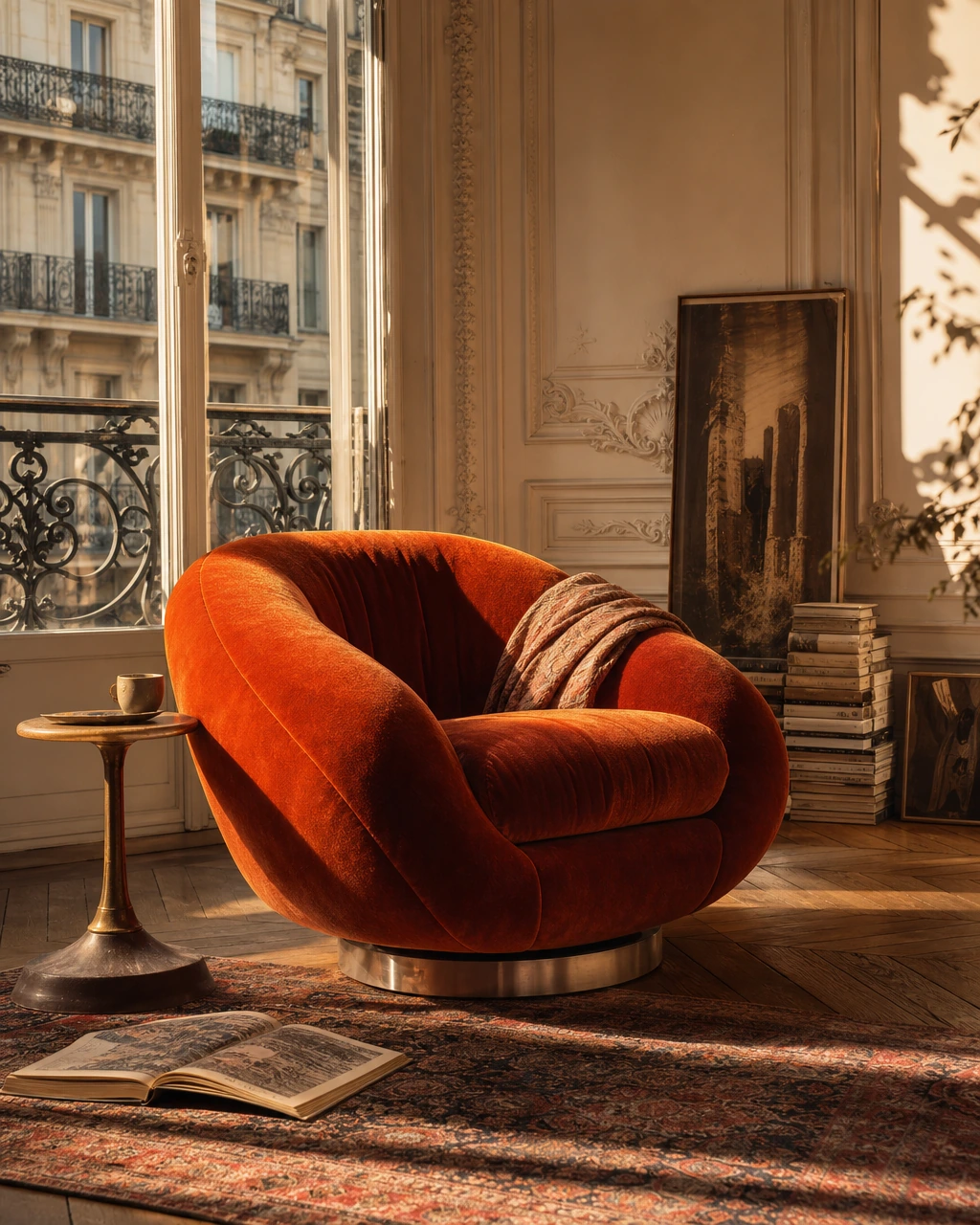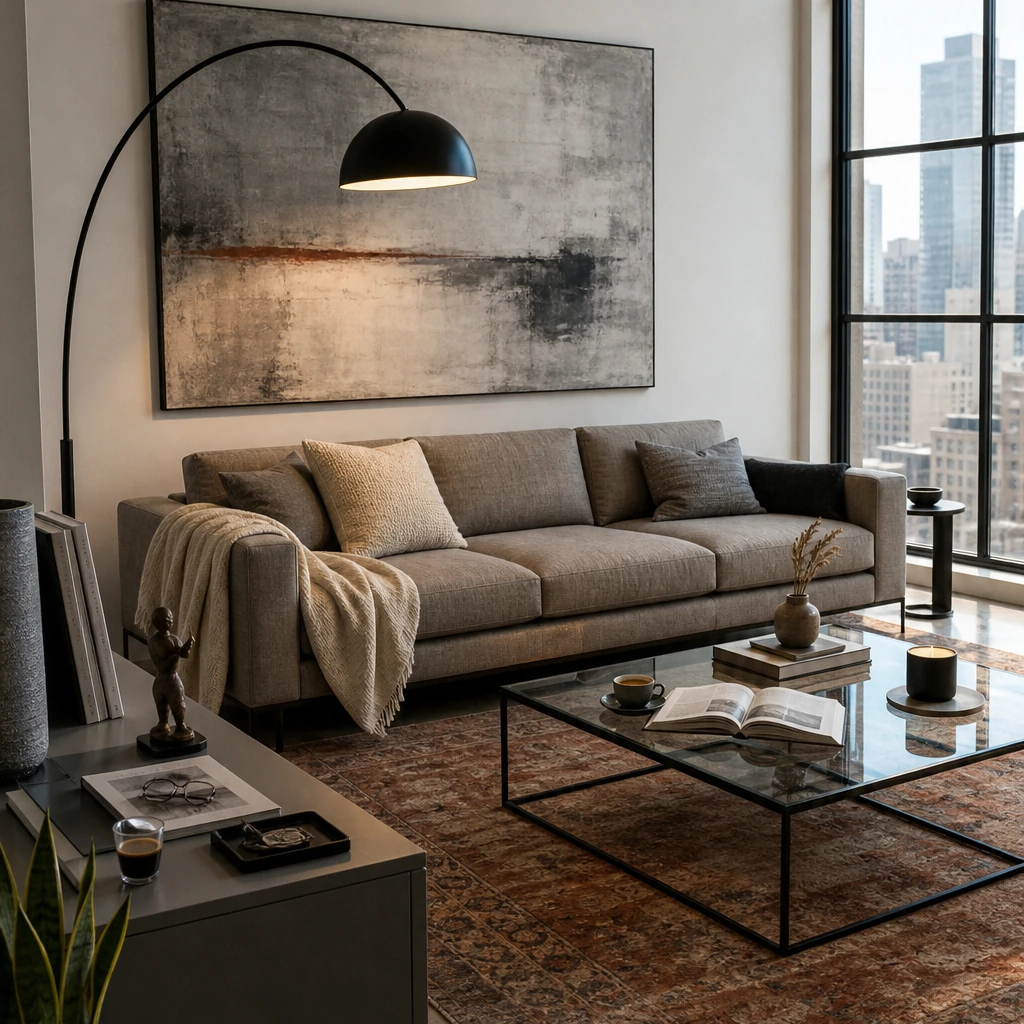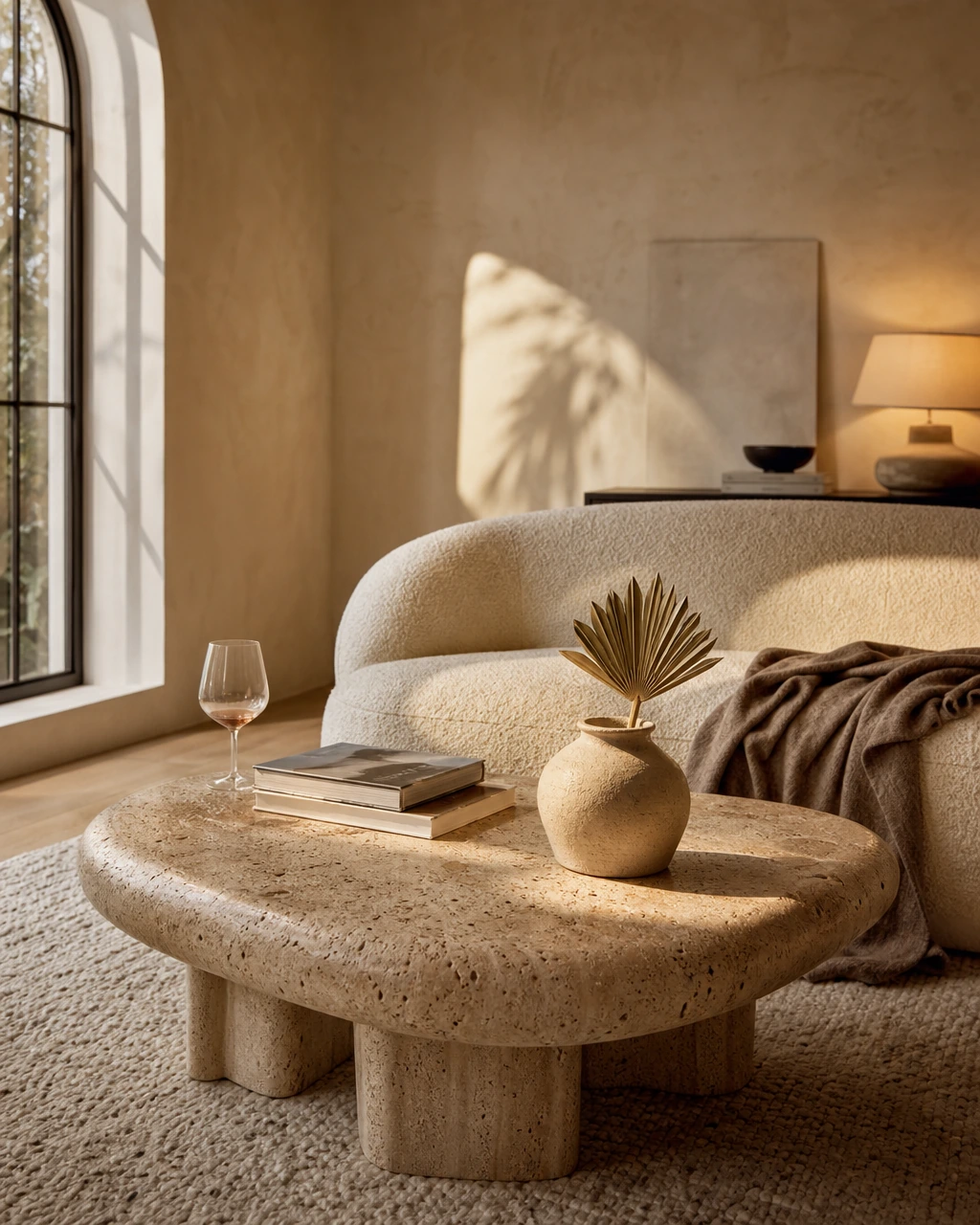

You moved into your Brooklyn one-bedroom eight months ago, and the living room is almost there. The sofa works. The vintage side table stays. What’s missing is the piece that makes everything around it feel intentional. That’s usually when Lulu and Georgia enters the browser tabs.
The brand has built a recognizable point of view around warm woods, substantial rugs, sculptural furniture, natural textures, and collaborations with designers including Sarah Sherman Samuel and Jake Arnold. For shoppers who already know they want an elevated, collected room, there’s a lot here worth considering.
The key is knowing where to spend. First Chair helps narrow the catalog to the Lulu and Georgia pieces that actually make sense for your room, then pulls in complementary pieces from West Elm, CB2, Crate & Barrel, Pottery Barn, and other design-forward brands.
Key Takeaways
- Start with the rugs. Hand-tufted, hand-knotted, wool, and jute designs are some of Lulu and Georgia’s most compelling pieces.
- Pay attention to the designer collaborations. Collections from Sarah Sherman Samuel, Jake Arnold, Ginny Macdonald, and Aimee Song bring distinctive materials, proportions, and details.
- The furniture is strongest when the silhouette earns its place. Think sculptural sofas, fluted dressers, curved chairs, and storage pieces with real visual presence.
- Plan ahead for larger purchases. Made-to-order furniture can carry multi-week lead times, so check delivery estimates and return terms before committing.
- Sales can make a meaningful difference. If your room timeline is flexible, seasonal promotions are worth watching on larger purchases.
What Lulu and Georgia Does Especially Well
Lulu and Georgia sits in a useful space between familiar modern retailers such as West Elm and CB2 and higher-priced names such as Serena & Lily and RH.
Its biggest advantage is curation. You can see a consistent visual language across the catalog: warm oak and walnut tones, bouclé and performance fabrics, hand-worked rugs, rounded silhouettes, woven materials, and furniture that feels considered from across the room. That makes Lulu and Georgia especially good when your space needs one or two pieces with more presence.
Our take: If you’re new to Lulu and Georgia, start with the pieces that show the brand’s point of view most clearly. Rugs, designer collaborations, accent furniture, and sculptural seating are where the catalog gets interesting.
Is Lulu and Georgia Quality Worth the Price?
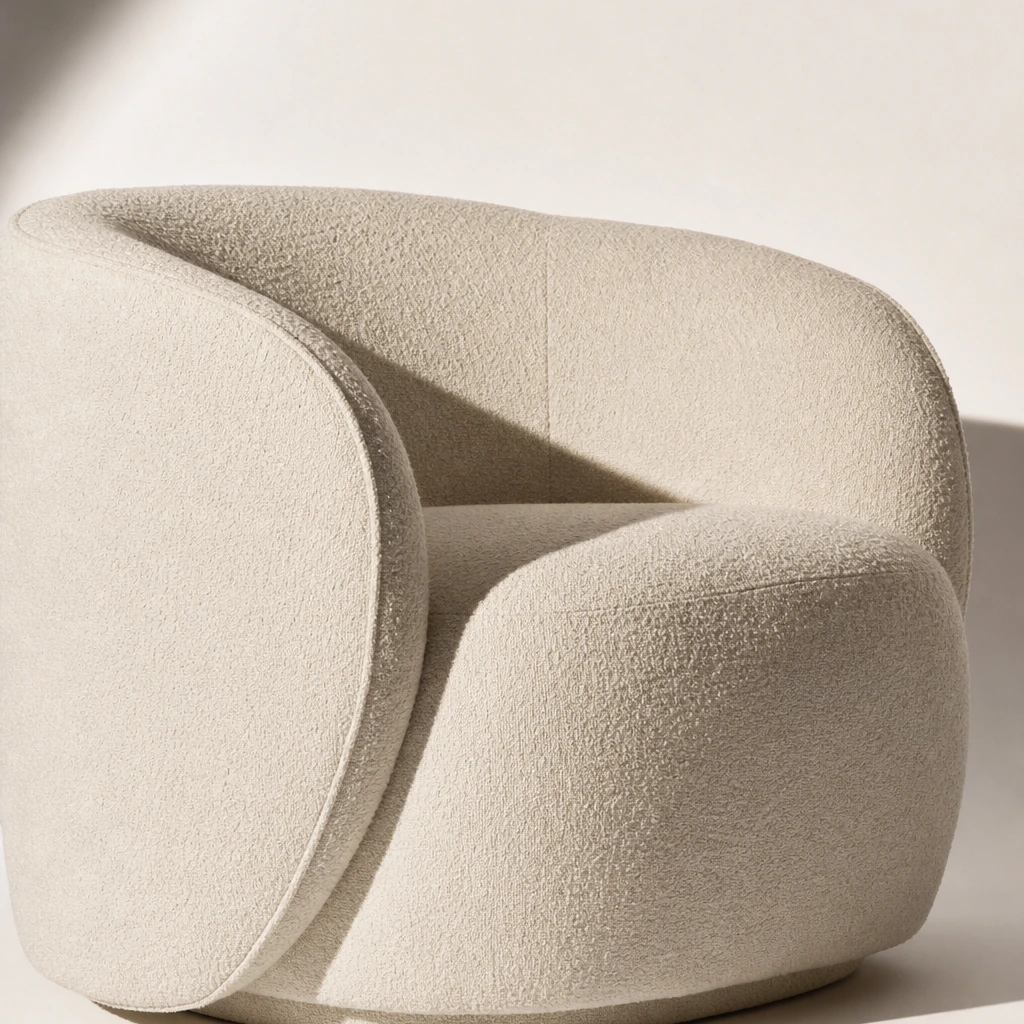
For the right piece, yes. Lulu and Georgia isn’t a retailer we’d shop by filling a cart with an entire matching room. The better move is to choose the pieces that carry the design.
Rugs Are the Natural Starting Point
The rug collection has unusual depth, from approachable jute to hand-tufted wool and premium hand-knotted designs.
- The Kate Hand-Tufted Wool Rug is a good example. Its graphic pattern is strong enough to anchor a living room, while the wool construction gives it the visual weight a large floor covering needs.
- The Havenhurst Rug by Jake Arnold goes in a different direction. Its multi-directional jute weave creates texture while staying visually quiet enough to work with patterned pillows, vintage furniture, or a more expressive chair.
Then there are investment pieces such as the Carlisle Hand-Knotted Rug by Aimee Song, where the construction and large-scale geometric pattern make the rug a central part of the room rather than background decoration.
The Designer Collaborations Deserve Attention
Sarah Sherman Samuel’s pieces are especially good for warm modern interiors.
The Lee Dresser uses solid Sungkai wood, blockwork detailing, and a fluted base to give a practical six-drawer dresser more architectural presence. The Ripple Nightstand carries the same idea into a smaller footprint with its rounded profile and signature edge detail.
Jake Arnold’s collection moves more California vintage, with natural textures, relaxed proportions, and furniture that works well in rooms mixing new and vintage pieces.
Ginny Macdonald’s Topia Dresser leans more traditional, giving you another route into Lulu and Georgia if curved bouclé and California modern aren’t your style.
Shipping and Delivery: What to Know Before Ordering
Lulu and Georgia is a better shopping experience when you plan around the piece rather than expecting every category to move at the same speed.
Rugs and smaller home pieces can have shorter fulfillment timelines. Made-to-order furniture naturally requires more patience. Architectural Digest’s review of the Cleary Sofa, for example, notes a 4 to 10 week lead time.
For larger furniture, check the product page for the current delivery method, estimated timeline, and return eligibility before purchasing. White glove delivery is available on qualifying furniture, which can make a meaningful difference with large sofas, sectionals, dressers, and sideboards.
Lulu and Georgia Sales: When It Makes Sense to Wait
Lulu and Georgia runs seasonal promotions, and larger purchases are where waiting can become worthwhile.
If you’ve already found the piece and your room isn’t on a deadline, save it and watch the next major promotion. If the exact material, color, or size is central to your room plan, availability may matter more than squeezing out the last possible discount.
First Chair takes another route. Insider pricing is built into the experience on most pieces, while recommendations can pull across Lulu and Georgia, West Elm, CB2, Crate & Barrel, Pottery Barn, and other retailers.
12 Lulu and Georgia Pieces Worth Knowing
1. Kate Hand-Tufted Wool Rug
Best for: Making the rug the anchor of the room.
The Kate is one of the clearest expressions of Lulu and Georgia’s rug strength. House Beautiful identified it as one of the brand’s most sought-after rugs.
Its graphic pattern, deep tones, and substantial wool construction work especially well with simpler upholstery and warm wood.
Know before ordering: Handcrafted rugs can require more planning around availability and timing.
2. Cleary Sofa
Best for: A living room that needs a sculptural sofa.
The Cleary has a low profile, curved silhouette, deep seating, and high-resiliency foam with a feather-down blend. Architectural Digest’s commerce team tested the sofa and gave it an A overall.
Choose it when the sofa itself needs to establish the shape of the room.
Know before ordering: Check the current lead time and final-sale terms for your chosen configuration.
3. Havenhurst Rug by Jake Arnold
Best for: California vintage rooms and natural texture.
The Havenhurst uses a directional jute weave to create a subtle grid effect. Architectural Digest editors have called it an all-time favorite.
It’s particularly good when the rest of the room already contains pattern or stronger furniture.
Know before ordering: Jute has a firmer texture than wool. A good rug pad helps.
4. Lee Dresser by Sarah Sherman Samuel
Best for: Warm modern bedroom storage.
Solid Sungkai wood, blockwork detailing, and a fluted plinth base make the Lee feel more considered than a basic six-drawer dresser.
It’s a strong choice when you want storage to contribute to the architecture of the room.
Know before ordering: Build the furniture timeline around the current made-to-order estimate.
5. Ripple Nightstand by Sarah Sherman Samuel
Best for: Small bedrooms that still need visual interest.
The rounded silhouette and rippled edge make the Ripple distinctive at a compact scale. It has also appeared repeatedly in editorial sale coverage.
Pair it with simpler bedding and a strong bedside lamp rather than trying to match every piece of bedroom furniture.
6. Hannah Sideboard
Best for: Adding texture to a dining or living room.
The dark frame and woven rattan fronts give the Hannah enough presence to hold a long wall while keeping the material palette warm.
At 72 inches, measure the wall and circulation space first. A large sideboard should feel architectural, not squeezed in.
7. Irregular Grid Rug by Sarah Sherman Samuel
Best for: A quieter statement rug.
Hand-knotted wool and an irregular grid give this rug enough movement to register without controlling every other decision in the room.
It works particularly well with warm woods, cream upholstery, aged brass, and softer organic forms.
8. Carlisle Hand-Knotted Rug by Aimee Song
Best for: Making a serious rug investment.
The Carlisle combines hand-knotted wool with a large geometric pattern that can carry an entire living room.
This is the kind of piece to choose first, then build the sofa, coffee table, and lighting around it.
Know before ordering: This sits at the premium end of the Lulu and Georgia rug collection, so seasonal promotions are worth watching.
9. Topia Dresser by Ginny Macdonald
Best for: Modern traditional bedrooms.
The Topia brings British-inspired detailing into cleaner contemporary proportions. It’s a useful alternative when your room needs more character than a minimal wood dresser.
Pair it with linen, wool, darker wood, and classic lighting.
10. Carson Sectional
Best for: Curved seating with real presence.
The Carson uses a rounded silhouette and generous cushions to soften a room full of straight walls and rectangular furniture. Performance fabric choices also make the shape easier to consider for an everyday living room.
Give it space. Curved furniture looks strongest when you can actually see the curve.
11. Noelle Chair by Jake Arnold
Best for: A single accent chair that changes the room.
The Noelle carries Jake Arnold’s relaxed California vintage language through a clean silhouette and considered proportions.
It works especially well beside a simpler sofa, where the chair can introduce personality rather than competing with another statement piece.
12. Louie Rug
Best for: An easier entry into Lulu and Georgia rugs.
The Louie uses natural jute and a tile-inspired pattern to create texture without requiring the investment of a hand-knotted wool rug.
It’s a smart choice for dining rooms, casual living spaces, and rooms where you want the furniture to carry more of the visual weight.
How Lulu and Georgia Fits With Other Furniture Brands
Lulu and Georgia makes the most sense as part of a well-edited mix.
Its rugs and designer collaborations can bring character to foundational furniture from Crate & Barrel or Pottery Barn. A sculptural Lulu and Georgia chair can loosen up a cleaner CB2 room. A Sarah Sherman Samuel dresser can add warmth beside quieter West Elm pieces.
At the higher end, Lulu and Georgia offers some of the visual presence shoppers may also look for at Serena & Lily or RH, while maintaining its own California-influenced point of view.
That’s also how we’d shop it.
A room usually gets stronger when every piece doesn’t come from the same collection.
Why First Chair
The hard part isn’t finding something beautiful at Lulu and Georgia. It’s knowing whether that beautiful rug works with the sofa you already own, whether the 72-inch sideboard overwhelms your wall, or whether you should spend more of the room budget somewhere else.
First Chair interprets your room and builds cohesive concepts from real, shoppable pieces across Lulu and Georgia, West Elm, CB2, Crate & Barrel, Pottery Barn, and more.
You get the edit, not another catalog. Upload the room. Show us what you like. First Chair helps find the pieces that make the whole thing click, with insider pricing on most pieces.
Frequently Asked Questions
Is Lulu and Georgia good quality?
Lulu and Georgia is particularly compelling for rugs, designer collaborations, and furniture where materials and silhouette are central to the design. Look at construction, fabric, dimensions, delivery terms, and independent editorial testing for any major purchase rather than judging the entire catalog as one quality tier.
What should I buy first from Lulu and Georgia?
Start with rugs. The Kate, Havenhurst, Irregular Grid, Carlisle, and Louie show the range of the collection, from natural jute through hand-tufted and hand-knotted wool. Designer collaborations from Sarah Sherman Samuel and Jake Arnold are another strong place to look.
Is Lulu and Georgia furniture worth the price?
It can be when the design itself is doing meaningful work in the room. A sculptural Cleary Sofa, Lee Dresser, or Noelle Chair brings more than basic function. For simpler foundational furniture, compare across retailers before deciding where the extra spend has the most impact.
How long does Lulu and Georgia furniture take to arrive?
Timing varies by piece. Made-to-order furniture can require several weeks, while other categories may move faster. Architectural Digest documented a 4 to 10 week lead time for the Cleary Sofa. Always check the current product page before planning around a delivery date.
When is the best time to shop Lulu and Georgia?
Seasonal sale periods are worth watching, particularly when you’re considering a higher-priced rug, sofa, sectional, or dresser. If you’ve already found the exact piece your room needs, balance the potential savings against your project timeline and the availability of your preferred size, material, or finish.