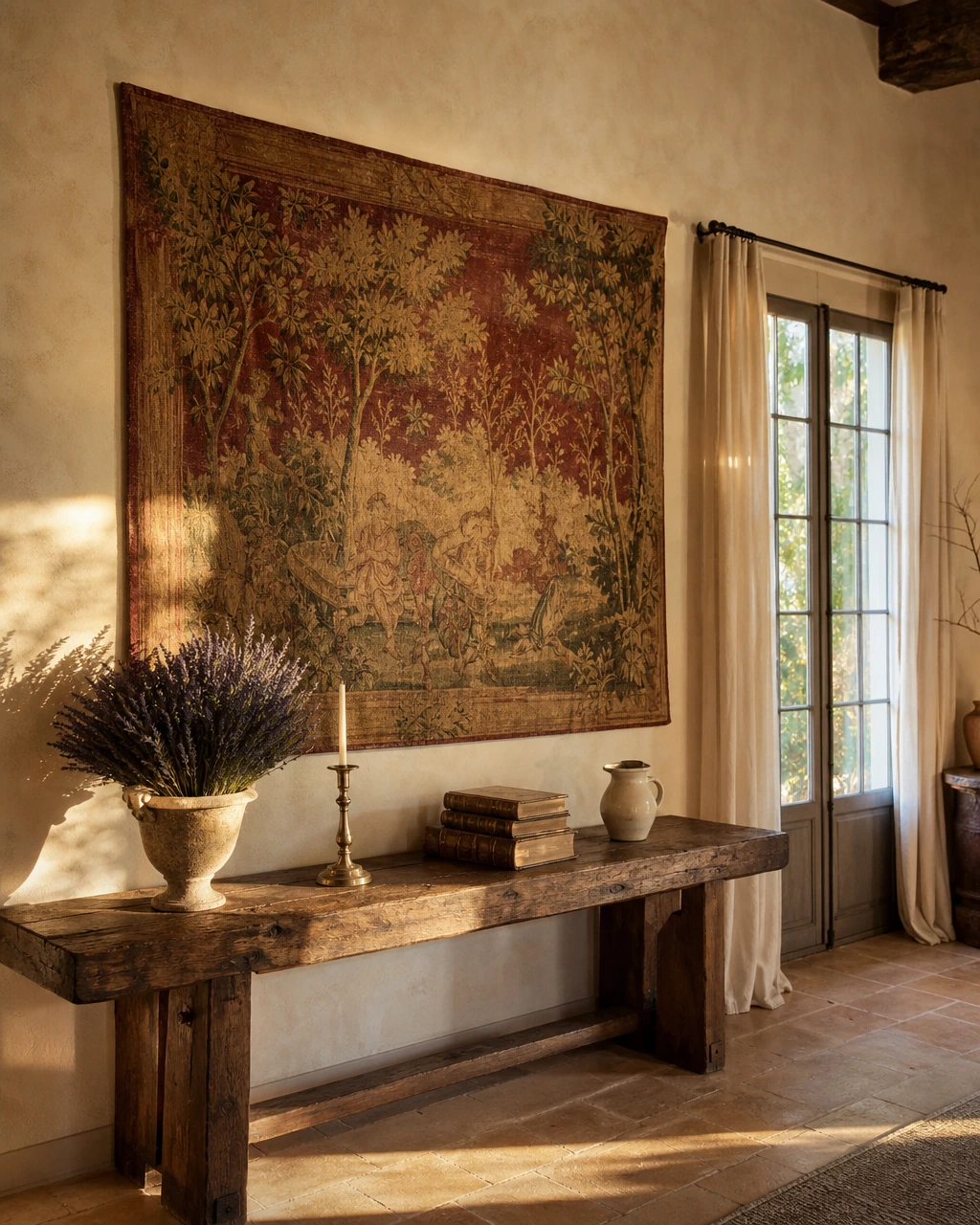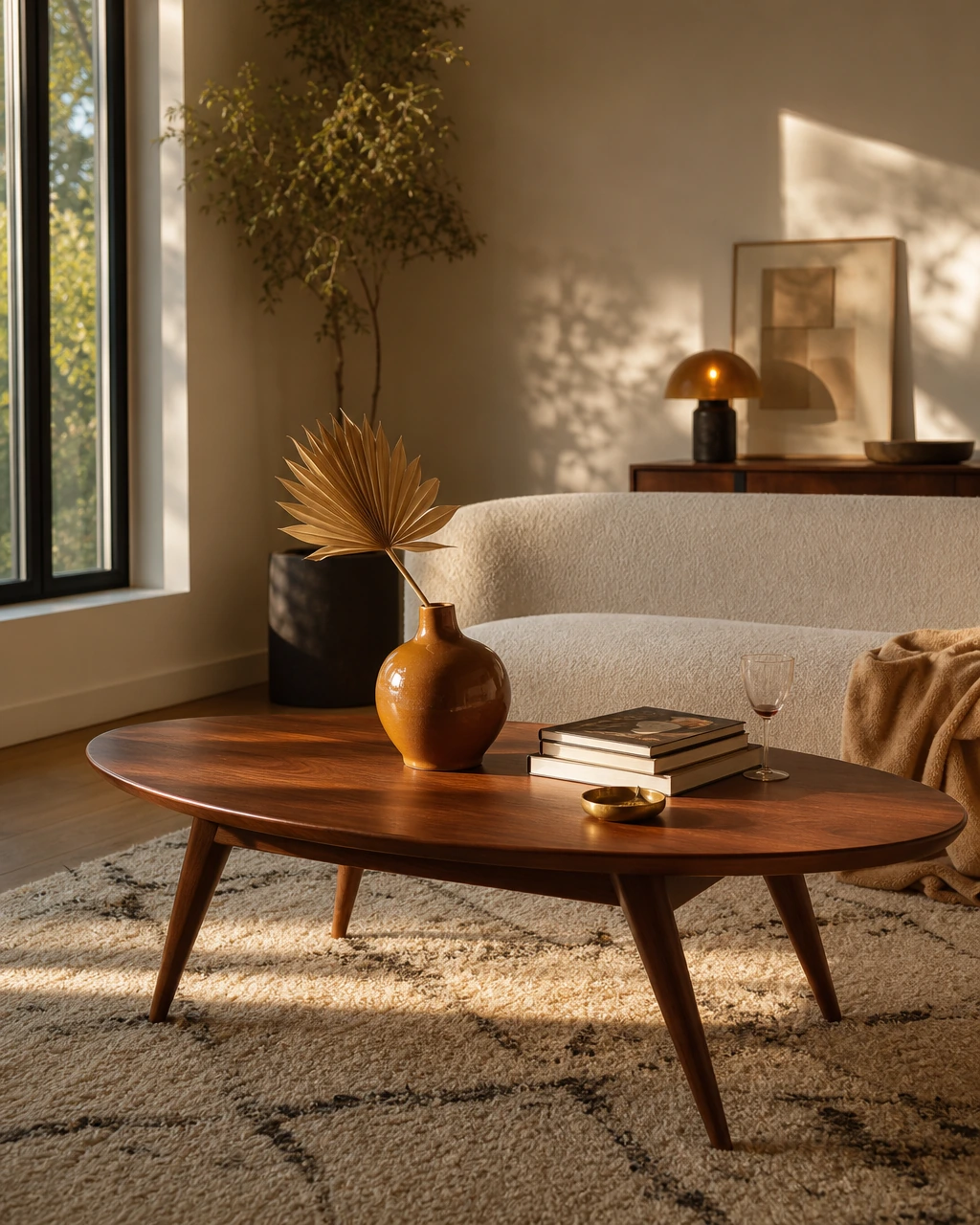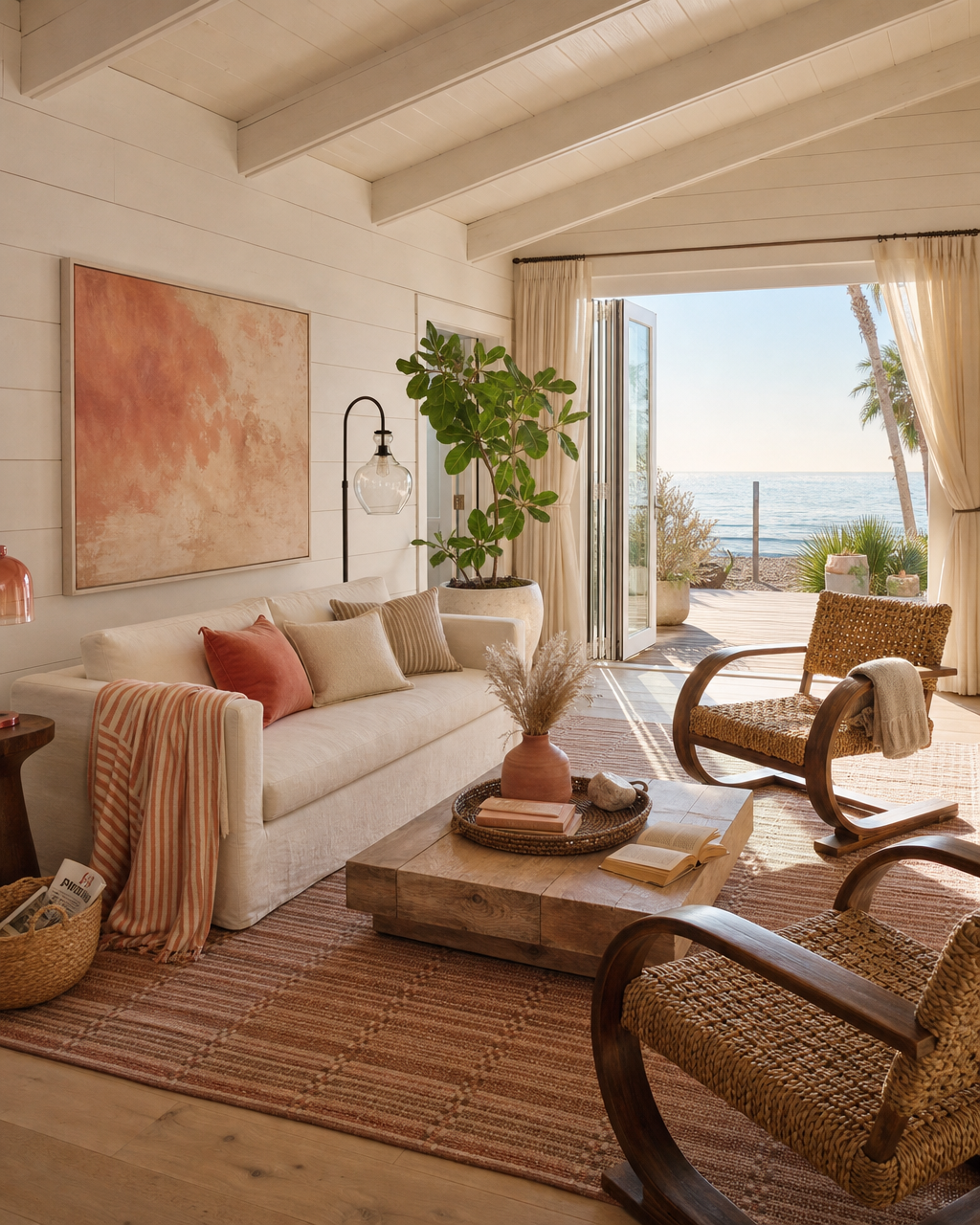

If you have spent any time in Denver, Salt Lake City, or Austin in the last few years, you have probably noticed something shifting in how people talk about their homes. The conversation has moved away from "what style am I going for" and toward something more specific: the feeling of a space that looks like it was built for one person, not assembled from a showroom floor. Post Malone's Utah property, designed by architect Guy Dreier and set into roughly seven acres near Big Cottonwood Canyon, is one of the cleaner public examples of that instinct executed at a high level. It reads less like a celebrity status symbol and more like a design argument: that warmth, restraint, and material honesty can coexist with genuine luxury.
The design principles behind it are more accessible than the square footage suggests. You do not need 13,000 square feet or a reinforced concrete bunker to borrow what actually makes the space work. The color restraint, the material layering, the indoor-outdoor connection, the commitment to a few statement pieces over a room full of noise: these are decisions, not budgets. The same moves that define the Utah property show up in his former Beverly Hills rental, documented by Architectural Digest, where a monochromatic open-concept interior created visual calm through palette discipline rather than expensive furniture.
This guide breaks down the specific design moves across Post Malone's residences and translates each one into something you can act on. Whether you are furnishing a new apartment in Denver, refreshing a living room in Austin, or finally committing to the kitchen renovation you have been putting off for two years, the principles here apply at realistic scales and realistic budgets.
What you will learn:
- The material and color logic behind mountain-modern design and how to apply it room by room
- How to make open-concept spaces feel cohesive rather than underfurnished
- Why layered lighting transforms a room more than any single furniture purchase
- Which kitchen and bathroom upgrades deliver the highest visual return per dollar
- How to design outdoor living spaces that read as rooms rather than patios
- Where to source natural materials at entry, mid-range, and high-end price points
- The sequencing mistakes that cause most home renovations to feel unfinished
Key Takeaways
- Post Malone's Utah estate uses mountain-modern architecture with floor-to-ceiling windows, warm stone, and natural wood to create a grounded, cohesive aesthetic that homeowners can reference at realistic budgets.
- His former Beverly Hills rental demonstrated how monochromatic, open-concept interiors create visual calm without requiring expensive furniture.
- Improving design and aesthetics was a top renovation motivation for 55% of renovating homeowners in 2023, with 46% citing personalization as a key driver.
- Smart lighting controls were installed by 37% of renovating homeowners in 2022, making layered lighting one of the most accessible luxury upgrades available today.
- The median renovation spend among U.S. homeowners sits at $20,000, which is enough to meaningfully execute several of the design moves covered here.
- Indoor-outdoor living, chef-grade kitchens, and statement bathrooms are the three highest-impact spaces in celebrity home design, and all three translate to mid-range budgets with the right material and fixture choices.
- The biggest mistake most homeowners make is buying too many pieces too quickly. The Post Malone aesthetic is defined by restraint, not volume.
- The global smart home market is projected to reach $255 billion by 2027, making technology integration an increasingly standard feature rather than a luxury differentiator.
What Mountain-Modern Design Actually Means
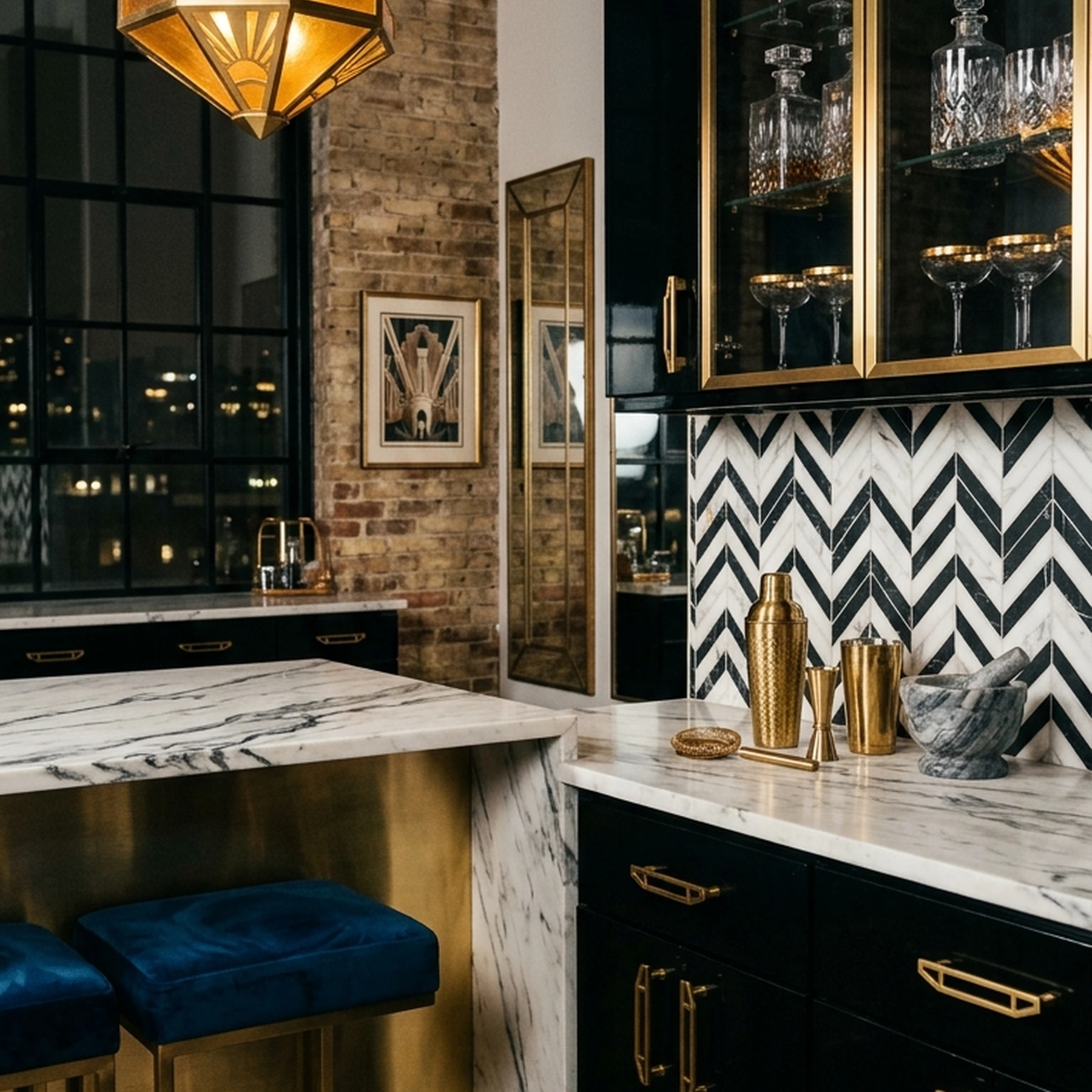
Mountain-modern design is a residential style that combines clean contemporary architecture with natural materials including stone, wood, and glass, typically set against dramatic landscape views, creating spaces that feel grounded and warm rather than cold or purely minimal.
Post Malone's Utah property is one of the cleaner examples of this style in recent celebrity real estate coverage. The architectural design integrates the structure into a canyon hillside rather than sitting on top of it, using the landscape as a design element rather than a backdrop. Floor-to-ceiling windows pull the exterior in. Stone and wood appear throughout the interior not as decoration but as the primary material language of the space, designed by Guy Dreier on a roughly seven-acre site near Big Cottonwood Canyon.
For homeowners, the takeaway is not "build into a canyon." It is: choose two or three natural materials and let them do the work. Warm wood tones, honed stone surfaces, and large-format glazing are the three moves that define this aesthetic. You can apply all three in a living room renovation without touching the structure of your home.
Why This Aesthetic Resonates Right Now
The shift toward mountain-modern and related natural-material styles reflects something broader in how affluent homeowners are thinking about their spaces. Experiential luxury at home, including spa-like bathrooms, wellness spaces, and smart technology, has replaced purely status-driven decor as the primary aspiration, according to McKinsey research on luxury consumer behavior. The Post Malone aesthetic is a visual expression of that shift: the home as a place of genuine retreat rather than a display of acquisition.
This aligns with what renovation data consistently shows. Personalization and aesthetic improvement are the two dominant motivations for major home projects, not resale value or functional necessity. The homeowners most satisfied with their renovations are the ones who designed for how they actually live, not for a hypothetical future buyer.
Color Restraint as a Design Strategy
The Utah property leans heavily on a neutral palette anchored by warm whites, natural stone tones, and the deep browns of wood grain. Nothing competes. The color story is told through material variation, not paint choices.
This is a useful discipline for any room. When the palette is restrained, the eye reads the space as cohesive rather than assembled. A room with four competing colors almost always feels unfinished, even when it contains expensive pieces. A room with two tones and strong material contrast reads as intentional, even when the budget is modest.
The practical version: pick one warm neutral for walls, one natural material for the dominant surface (wood floor, stone tile, linen upholstery), and let contrast come from texture rather than color. CB2 and Crate and Barrel both carry upholstery in the warm greige and natural linen range that anchors this palette without requiring custom work.
Why This Approach to Design Matters Now
The home renovation market has grown substantially over the past decade. U.S. remodeling spending reached approximately $480 billion annually in 2023, up from roughly $337 billion in 2013, driven by aging housing stock and sustained consumer interest in lifestyle improvement. That growth is not happening uniformly across project types. It is concentrated in the spaces and upgrades that deliver the most visible aesthetic return.
The data on what homeowners actually want is consistent. Open kitchen-to-family-room layouts and large windows for natural light remain among the top desired features in new homes, particularly for buyers under 45. Architects reported outdoor living spaces and home offices among the top-rising features requested in custom home and remodeling projects in 2022. These are not trends in the editorial sense. They are durable preferences that the Post Malone aesthetic happens to execute well.
Technology integration has followed the same trajectory. Smart home adoption was once associated exclusively with high-end custom builds. It is now mainstream: 37% of renovating homeowners installed smart lighting controls in 2022, and 34% added smart thermostats, according to Houzz renovation data. The global smart home market is projected to grow from $99 billion in 2021 to $255 billion by 2027, with lighting and climate control leading adoption. The technology that defines celebrity homes is increasingly available at standard renovation budgets.
The median renovation spend of $20,000 is enough to execute several of the design moves covered in this guide. The question is sequencing: which moves deliver the most impact per dollar, and in what order should they happen.
Natural Materials: The Foundation of the Post Malone Aesthetic
Natural materials in residential design refers to the use of stone, wood, linen, leather, and other organic materials as the primary visual and tactile language of a space, creating warmth and depth that synthetic materials cannot replicate.
The material hierarchy in mountain-modern design runs roughly: stone at the base, wood at mid-height, glass at the perimeter. You do not need all three to read as cohesive, but you need at least two. The Post Malone Utah property uses all three consistently, which is why the space reads as resolved rather than assembled.
Sourcing Natural Materials at Different Budget Levels
The goal is not to spend more. It is to keep the material language consistent. Mixing warm brass with cool chrome, or pairing oak with walnut, creates the visual noise that makes a room feel unresolved. The table below shows how to source the core materials at different investment levels.
MaterialEntry LevelMid-RangeHigh EndWood flooringIKEA engineered oakWest Elm wide-plankCustom hardwoodStone surfacesPorcelain tile (stone look)Honed quartz countertopQuartzite or marble slabTextilesLinen-blend from IKEAWool throw from Pottery BarnCashmere or handwoven from Lulu and GeorgiaLighting fixturesBrushed brass from West ElmAged brass from RejuvenationCustom metalwork or RHUpholsteryGreige linen from CB2Performance velvet from Crate and BarrelCustom upholstery from Interior Define
The One-Material Rule for Rentals and Smaller Budgets
Homeowners who cannot renovate surfaces can still apply the material logic through textiles and accessories. A wool rug in a warm stone tone, linen curtains in natural white, and a single piece of solid wood furniture (a coffee table, a bench, a side table) establish the material palette without touching the walls or floors. The eye reads the room as cohesive when the materials speak the same language, even when they are not structural.
This is one of the most underused principles in apartment design. The room does not need new floors to feel grounded. It needs two or three materials that agree with each other.
Open-Concept Living: Making a Shared Space Feel Cohesive
Open-concept design is a layout approach that removes or minimizes interior walls between kitchen, dining, and living areas to create a single, flexible shared space. Post Malone's former Beverly Hills rental, documented by Architectural Digest, demonstrated this clearly: a monochromatic palette across a large open floor plan that read as calm rather than empty because furniture placement created clear zones without walls to enforce them.
Open kitchen-to-family-room layouts are preferred by a majority of buyers under 45, according to NAHB buyer research. The challenge is not creating the open plan. It is furnishing it so the space feels intentional rather than underfurnished.
Zone Definition Without Walls
The most common mistake in open-concept spaces is treating the entire floor as one room. It is not. It is three rooms that happen to share air.
Define each zone with a rug. The living area rug should be large enough that all four legs of the sofa sit on it. The dining rug should extend at least 24 inches beyond the table on all sides so chairs remain on the rug when pulled out. These two rugs, even in the same neutral palette, signal to the eye that the space is organized.
Lighting reinforces the zones further. A pendant over the dining table, a floor lamp anchoring the reading corner, and recessed or track lighting in the kitchen create three distinct light moments that read as three distinct spaces even in a single open room.
Furniture Scale in Open Plans
Scale is where most open-concept rooms fail. Homeowners buy furniture sized for a normal room and place it in a larger open plan, where it disappears. The sofa looks like it belongs in a studio apartment. The coffee table looks like it was borrowed from a smaller space.
In open plans, go larger than feels comfortable. A sectional that seems oversized in the showroom will likely read correctly in a 20-foot living zone. A coffee table that feels substantial will anchor the seating group. If you are working through furniture decisions for a larger space, the multi-retailer approach matters here: the right scale piece for an open plan rarely comes from a single catalog, and having access to CB2, Pottery Barn, and Lulu and Georgia simultaneously makes it easier to find the piece that fits the actual dimensions rather than settling for what one retailer stocks.
First Chair pulls across those retailers simultaneously, which is useful when the room concept requires pieces from different catalogs to feel layered rather than retailer-stamped.
Lighting Design: The Detail That Separates Good Rooms from Great Ones
Layered lighting is the practice of combining ambient, task, and accent light sources in a single space to create depth, warmth, and flexibility. It is one of the most impactful and underused tools in residential design, and it is consistently present in high-end celebrity homes including Post Malone's Utah property.
Upgrading lighting was a priority for 59% of homeowners renovating primary bathrooms in 2022, second only to vanities. This reflects a broader recognition that lighting is not a finishing detail. It is a structural design decision.
Smart Lighting Controls
Smart lighting controls allow homeowners to adjust brightness, color temperature, and scene settings from a single interface, creating different moods in the same space without changing fixtures. Lutron's Caseta system is the most widely specified residential smart lighting platform among interior designers working in the mid-to-upper range. It integrates with Apple HomeKit, Google Home, and Amazon Alexa, and it works with existing wiring in most homes. Philips Hue offers a more accessible entry point for renters or homeowners who want to start with bulbs before committing to in-wall controls.
The adoption rate for smart lighting has crossed the threshold from luxury to mainstream. When more than a third of renovating homeowners are installing controls in a single year, the technology is no longer a differentiator. It is a baseline expectation in well-designed homes.
Warm vs. Cool Light Temperature
If the room already feels cold, do not default to cool white lighting. It will make the problem worse. Warm light (2700K to 3000K) reads as inviting and residential. Cool light (4000K and above) reads as commercial and clinical.
Post Malone's Utah interior uses warm ambient lighting throughout, which works in concert with the stone and wood materials to create the grounded, calm quality the space is known for. The material palette and the light temperature are working together. In your own space, match the light temperature to the material warmth: warm woods and stone surfaces need warm light to read correctly.
Fixture Selection as a Design Statement
One strong fixture does more work than five mediocre ones. In the Post Malone Beverly Hills property, lighting fixtures were used as sculptural elements rather than purely functional ones. A single oversized pendant in aged brass or blackened steel over a dining table signals design intent in a way that a row of recessed cans never will.
Rejuvenation and RH both carry pendant and chandelier options in the warm metal finishes that work with mountain-modern and contemporary luxury aesthetics. West Elm's lighting range covers the mid-range well, particularly in the rattan and aged brass categories that bridge organic and modern.
The Chef's Kitchen: Functional Luxury You Can Actually Use
A chef's kitchen is a kitchen designed for serious cooking and entertaining, typically featuring professional-grade appliances, generous prep surfaces, and a layout optimized for workflow rather than aesthetics alone. Post Malone's Utah home includes a chef's kitchen with caterer-level equipment, which is consistent with the broader trend toward functional luxury in high-end residential design.
Kitchens remain one of the most common major renovation projects, according to NAHB remodeling data, and for good reason: the kitchen is the room where design investment has the clearest functional return.
The Three Upgrades That Read as Luxury
You do not need a full kitchen renovation to shift the aesthetic toward high-end. Three targeted upgrades move the needle most:
- Hardware replacement. Swapping builder-grade cabinet pulls for solid brass or matte black hardware takes an afternoon and costs under $300 for most kitchens. The visual impact is disproportionate to the cost.
- Under-cabinet lighting. Warm LED strip lighting under upper cabinets adds task lighting and creates the layered light effect that reads as considered design. Lutron and Philips Hue both offer wireless options that require no wiring.
- A single statement appliance. A professional-grade range or a panel-ready refrigerator signals kitchen seriousness in a way that no amount of decorative styling can replicate. Sub-Zero and Wolf are the standard references in luxury residential kitchens. If the budget does not support that tier, Bertazzoni and Cafe Appliances offer similar visual language at a lower price point.
Open Shelving vs. Upper Cabinets
The Post Malone Utah kitchen uses a mix of closed storage and open display, which is the correct approach for most homeowners. Full open shelving looks good in editorial photography and requires constant curation in real life. Full upper cabinets read as closed and heavy.
The practical version: remove two or three upper cabinet doors and style those sections as open display. Keep the rest closed. The result reads as intentional without requiring you to maintain a perfectly styled kitchen at all times.
Statement Bathrooms: The Room That Earns the Most Per Square Foot
A statement bathroom is a primary bathroom conceived as a luxury space rather than a purely functional one, typically featuring a freestanding or sunken tub, natural stone surfaces, and considered lighting. Post Malone's Utah primary bathroom is anchored by a sunken tub with a stone ledge and a transparent wall overlooking the rocky landscape, which is an extreme version of a principle that translates at much smaller scale.
Vanity upgrades were the top priority for 74% of homeowners renovating primary bathrooms in 2022. These two moves, combined with a material upgrade on the floor or wall, account for most of the visual transformation in a bathroom renovation.
The Sunken Tub Alternative
A sunken tub requires structural work that most renovations cannot accommodate. The design principle it serves, which is creating a bathing moment that feels separate and considered, can be achieved with a freestanding soaking tub placed against a feature wall. Kohler, Victoria and Albert, and MTI Baths all carry freestanding tubs in the $1,500 to $4,000 range that read as architectural rather than purely functional.
The feature wall behind the tub does the heavy lifting. Large-format stone tile (or a high-quality porcelain stone look) in a warm travertine or limestone tone creates the material richness that makes the tub feel intentional. Keep the rest of the bathroom quieter so the tub wall reads as the focal point.
Vanity and Fixture Upgrades
The vanity is the first thing you see when you enter a bathroom. A floating vanity in warm wood or a painted finish with integrated stone countertop reads as contemporary luxury. Paired with unlacquered brass or brushed nickel fixtures, it creates the material warmth that defines the Post Malone aesthetic without requiring a full gut renovation.
Rejuvenation and Anthropologie Home both carry vanity hardware in the warm metal finishes that work here. For the vanity itself, Pottery Barn and CB2 both offer floating options in the mid-range that install without custom millwork.
Outdoor Living and Entertainment Spaces
Outdoor living design is the practice of extending the functional and aesthetic language of the interior into exterior spaces, creating rooms that happen to be outside rather than patios that happen to have furniture. Post Malone's Utah property uses an outdoor swimming pool, a fireplace terrace, and hillside integration to create a continuous indoor-outdoor experience, as documented across multiple property reviews of the Salt Lake City estate.
Architects reported outdoor living spaces among the top-rising features requested in custom home and remodeling projects in 2022, according to the AIA Home Design Trends Survey. This reflects a sustained shift toward treating outdoor space as livable square footage rather than landscaping.
The Outdoor Room Framework
An outdoor room needs the same three elements as an interior room: a defined floor surface, a seating group with a clear focal point, and lighting. Without all three, the space reads as a patio rather than a room.
The table below shows how each element translates from interior to exterior design:
ElementInterior VersionOutdoor VersionFloor surfaceHardwood or stone tileComposite decking or large-format paversSeating anchorSofa and coffee tableDeep sectional around fire featureLightingPendant and floor lampWall sconces and landscape uplightingMaterial paletteWarm wood and linenTeak or powder-coated aluminum with weather-resistant fabric
String lights read as casual. Integrated post lights, wall sconces, and landscape uplighting read as designed. The difference is significant, and the cost gap between the two approaches is smaller than most homeowners expect.
The Outdoor Kitchen Investment
An outdoor kitchen is the highest-cost outdoor upgrade and also the one with the clearest functional return for homeowners who entertain. Sub-Zero and Wolf make outdoor-rated grills and refrigeration that match the quality of their indoor counterparts. Brown Jordan Outdoor Kitchens offers modular cabinetry in powder-coated aluminum that holds up to weather while reading as architectural rather than utilitarian.
If a full outdoor kitchen is outside the current budget, a single high-quality grill on a stone or concrete base with a side prep surface covers 80% of the functional need at a fraction of the cost.
Home Gym and Dedicated Creative Spaces
Post Malone's Utah property includes a home gym and spaces designed around his creative practice, which reflects a broader trend toward homes that accommodate the full range of how people actually live. Exercise rooms were among the top-rising features in custom home and remodeling projects, alongside home offices and outdoor living, according to the AIA survey.
A dedicated gym or studio does not require a separate room. It requires a defined zone with the right equipment, acoustic treatment if needed, and enough visual separation from the rest of the home that it reads as intentional rather than improvised.
Home Gym Setup Principles
Three decisions define a home gym: flooring, equipment selection, and lighting. Rubber flooring (Rogue Fitness and Technogym both offer residential-grade options) protects the subfloor and signals that the space is purpose-built. Equipment selection should prioritize the two or three movements you actually do over a comprehensive catalog you will not use. Lighting should be bright and even, which is the one context in the home where cool white light is appropriate.
For homeowners who want the aesthetic of a high-end gym without the full equipment investment, a single quality piece (a Technogym bench or a Peloton bike) in a well-lit, well-floored space reads as more considered than a room full of mismatched equipment.
Music and Creative Studio Spaces
Acoustic treatment is the functional requirement that most homeowners skip and then regret. Fabric wall panels, bookshelves filled with irregular objects, and heavy textiles all reduce echo without requiring professional acoustic installation. The visual language of a well-treated room, warm wood, soft surfaces, layered lighting, overlaps almost entirely with the Post Malone aesthetic, which makes this one of the easier dedicated spaces to design cohesively.
Tools and Platforms for Executing This Aesthetic
The following categories cover the primary tools homeowners use to plan, source, and execute the design moves described in this guide.
Design Planning and Visualization
Several platforms help homeowners visualize room concepts before purchasing. Houzz offers design inspiration, a product marketplace, and a directory of professionals for interior design and remodeling. HomeAdvisor (now Angi) connects homeowners with vetted contractors and designers. Thumbtack provides a marketplace for hiring local interior designers and home improvement professionals.
First Chair approaches this differently: rather than offering a directory or a render tool, it generates cohesive room concepts using real, in-stock furniture from multiple retailers simultaneously, including West Elm, CB2, Crate and Barrel, Pottery Barn, and Lulu and Georgia. The platform is built for homeowners who know the aesthetic they want (mountain-modern, warm contemporary, Scandi-but-Japandi) but need help executing it without buying the wrong pieces first. Insider pricing is built into most recommendations without requiring a promo-code hunt.
Smart Home Ecosystems
The three dominant residential smart home platforms are Amazon Alexa (via Echo devices), Google Home (via Nest), and Apple HomeKit. All three integrate with smart lighting, thermostats, and security systems. For lighting specifically, Lutron's Caseta system is the most widely specified professional-grade option. Philips Hue covers the accessible consumer tier.
For high-end custom installations, Crestron offers whole-home automation and lighting control systems that are standard in the luxury residential market.
Furniture and Decor Sourcing
TierPrimary BrandsHigh-endRH, Design Within Reach, 1stDibs, ChairishMid-rangeWest Elm, CB2, Crate and Barrel, Pottery Barn, Lulu and GeorgiaAccessibleArticle, Anthropologie Home, IKEA (for foundational pieces)
The Post Malone aesthetic draws primarily from the mid-to-high tier, with natural materials and warm metal finishes as the consistent thread.
Outdoor Living Systems
Trex composite decking is the standard reference for low-maintenance luxury patios. Sub-Zero and Wolf make outdoor-rated kitchen appliances that match their indoor counterparts. Serena and Lily and RH both carry outdoor upholstery in weather-resistant fabrics that hold up without looking like outdoor furniture.
Home Gym Equipment
Technogym is the premium residential fitness equipment brand most commonly specified in luxury homes. Rogue Fitness covers the strength training category at a lower price point. Peloton remains the standard reference for connected cardio equipment.
Best Practices for Executing the Post Malone Aesthetic
- Establish the material palette before buying anything. Pick warm wood, stone, and one neutral textile and commit to them across the space. Every purchase decision becomes easier once the palette is fixed.
- Address lighting before furniture. Layered lighting transforms a room more than any single furniture purchase. Swap fixtures, add a floor lamp, and install smart controls before committing to a new sofa.
- Anchor each zone with one strong piece. A sofa, a dining table, a bed frame. Buy that piece well and build around it. Weak anchor pieces cannot be rescued by accessories.
- Go larger than feels comfortable in open plans. Scale is the most common mistake in open-concept spaces. A sectional that seems oversized in the showroom will likely read correctly in a 20-foot living zone.
- Match light temperature to material warmth. Warm woods and stone surfaces need 2700K to 3000K lighting to read correctly. Cool white light in a warm material room creates visual dissonance that is hard to diagnose.
- Use texture for contrast, not color. A room with two tones and strong material contrast reads as intentional. A room with four competing colors reads as assembled.
- Treat outdoor space as a room, not a patio. Define the floor surface, anchor a seating group, and add layered lighting. All three elements are required for the space to read as designed.
- Add accessories last. Throws, rugs, and plants are the final layer, not the foundation. Buying accessories before the anchor pieces are in place is how rooms end up feeling decorated rather than designed.
Common Mistakes That Undermine the Aesthetic
Buying Too Many Pieces Too Quickly
The Post Malone aesthetic is defined by restraint. Rooms that feel resolved have fewer pieces doing more work, not more pieces filling more space. Buying quickly to complete a room usually results in a room that looks assembled rather than considered.
Fix: Identify the three anchor pieces for each room (sofa, rug, lighting in a living room; bed frame, nightstands, overhead fixture in a bedroom) and buy those well before adding anything else.
Mixing Metal Finishes Without Intention
Warm brass and cool chrome do not agree. Neither do brushed nickel and matte black in the same visual field. Mixing finishes without a clear logic creates the visual noise that makes a room feel unresolved even when individual pieces are strong.
Fix: Choose one dominant metal finish and one secondary finish. Warm brass as dominant, matte black as secondary, is the combination that appears most consistently in mountain-modern interiors.
Ignoring Scale in Furniture Selection
A coffee table that is too small for the sofa group, a rug that does not extend under the furniture, a pendant that is too small for the ceiling height: these are the scale errors that make a room feel unfinished regardless of the quality of individual pieces.
Fix: Measure the room and the furniture footprint before purchasing. For small city apartments, scale decisions are even more consequential because there is less room to absorb errors.
Using Cool White Lighting in Warm Material Rooms
Cool white light (4000K and above) reads as commercial and clinical. In a room with warm wood floors, stone surfaces, and linen upholstery, cool white lighting creates a visual conflict that is difficult to identify but immediately felt.
Fix: Replace bulbs with 2700K to 3000K warm white options throughout the space. The material palette will immediately read more cohesively.
Treating the Outdoor Space as an Afterthought
Outdoor spaces that lack a defined floor surface, a clear seating anchor, and layered lighting read as patios rather than rooms. The design logic that applies indoors applies outdoors, and the investment required to execute it is lower than most homeowners expect.
Fix: Apply the three-element framework (floor, seating anchor, lighting) to any outdoor space before adding decorative elements.
Skipping Acoustic Treatment in Dedicated Rooms
Home gyms and creative spaces that lack acoustic treatment feel unfinished and uncomfortable to use. Echo and reverberation are not just aesthetic problems; they affect how long people actually spend in a space.
Fix: Add fabric wall panels, heavy textiles, and bookshelves with irregular objects before investing in equipment or decor.
Relying on a Single Retailer for a Full Room
No single retailer carries the full range of pieces needed to execute a cohesive room at the right scale, material, and price point. Rooms sourced entirely from one catalog tend to read as retailer-stamped rather than personally curated.
Fix: Source anchor pieces, rugs, and lighting from different retailers. The room will read as more considered when the pieces do not obviously come from the same catalog. Tools like First Chair are built specifically for this: multi-retailer sourcing with cohesion as the organizing principle rather than inventory availability.
Frequently Asked Questions
What design style is Post Malone's Utah house?
Post Malone's Utah property is an example of mountain-modern architecture, a residential style that combines clean contemporary lines with natural materials including stone, wood, and glass. The home was designed by architect Guy Dreier and integrates into a canyon hillside near Big Cottonwood Canyon, using floor-to-ceiling windows and warm natural materials throughout the interior.
How much does it cost to recreate the Post Malone aesthetic in a home?
The median renovation spend among U.S. homeowners is approximately $20,000, which is enough to execute several of the core design moves: lighting upgrades, kitchen hardware replacement, bathroom vanity and fixture updates, and outdoor space improvements. The full mountain-modern aesthetic at scale requires a larger investment, but the underlying principles (material restraint, layered lighting, natural textures) apply at any budget.
What are the most important design elements in Post Malone's homes?
The consistent elements across Post Malone's documented residences are: a restrained neutral palette, natural materials (stone, wood, linen), layered warm lighting, open-concept layouts with clear zone definition, and a commitment to fewer pieces doing more work. The Beverly Hills rental demonstrated the monochromatic open-concept approach; the Utah property demonstrates the mountain-modern natural material approach.
Can renters apply mountain-modern design principles without renovating?
Yes. The material logic of mountain-modern design can be applied through textiles and accessories without touching walls or floors. A wool rug in a warm stone tone, linen curtains in natural white, and one piece of solid wood furniture establish the material palette in a rental. Swapping light bulbs to 2700K warm white and adding a single strong pendant fixture (with landlord permission) completes the lighting layer.
What is the difference between mountain-modern and Scandinavian design?
Mountain-modern design uses heavier natural materials (stone, dark wood, structural glass) and tends toward warmer, richer tones. Scandinavian design favors lighter woods, white walls, and a cleaner, more minimal material palette. Both styles share a commitment to restraint and natural materials, which is why they are often combined in descriptions like "Scandi but warmer" or "Japandi with more texture." Post Malone's Utah property leans toward the heavier, warmer end of the spectrum.
How do I find furniture that matches the Post Malone aesthetic without hiring a designer?
The challenge is that the right pieces for a mountain-modern room rarely come from a single retailer. The anchor furniture (sofa, dining table, bed frame) might come from RH or CB2; the rug from Lulu and Georgia; the lighting from Rejuvenation. Platforms like First Chair are designed for this: you describe the aesthetic direction, upload inspiration images, and receive curated room concepts built from real, in-stock pieces across multiple retailers, with insider pricing built in.
Conclusion: From Inspiration to a Room You Can Actually Live In
The design principles behind Post Malone's homes are not exclusive to celebrity budgets or canyon hillsides. They are decisions: material restraint over visual noise, warm light over cool, one strong anchor piece over five mediocre ones, outdoor space treated as a room rather than a patio. These decisions are available at any budget, in any city, in any apartment or house that needs to feel more like the person living in it.
The sequence matters. Establish the material palette first. Address lighting before furniture. Anchor each zone with one strong piece. Add texture through accessories last. This order prevents the most common and most expensive mistakes: buying the wrong pieces first, filling a room before it has a foundation, and ending up with a space that looks assembled rather than considered.
If you are working through a room concept and want real, shoppable pieces that actually work together across these categories, First Chair is built for exactly this moment. Upload the inspiration, describe the aesthetic direction, and get a cohesive room concept built from real furniture across West Elm, CB2, Crate and Barrel, Pottery Barn, and Lulu and Georgia, with insider pricing on most pieces. No more 27 tabs. No more almost-right. Just the room you have been trying to make.