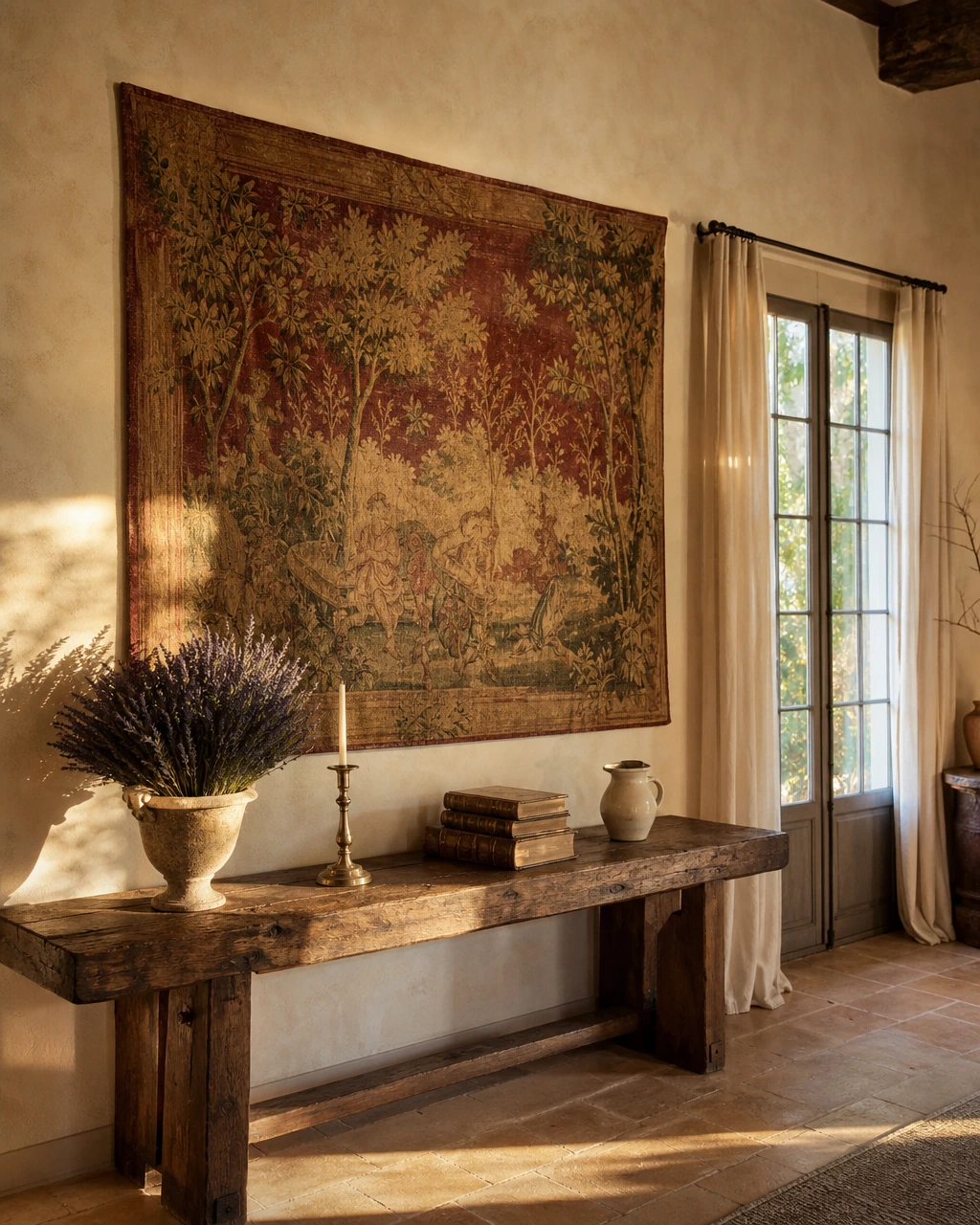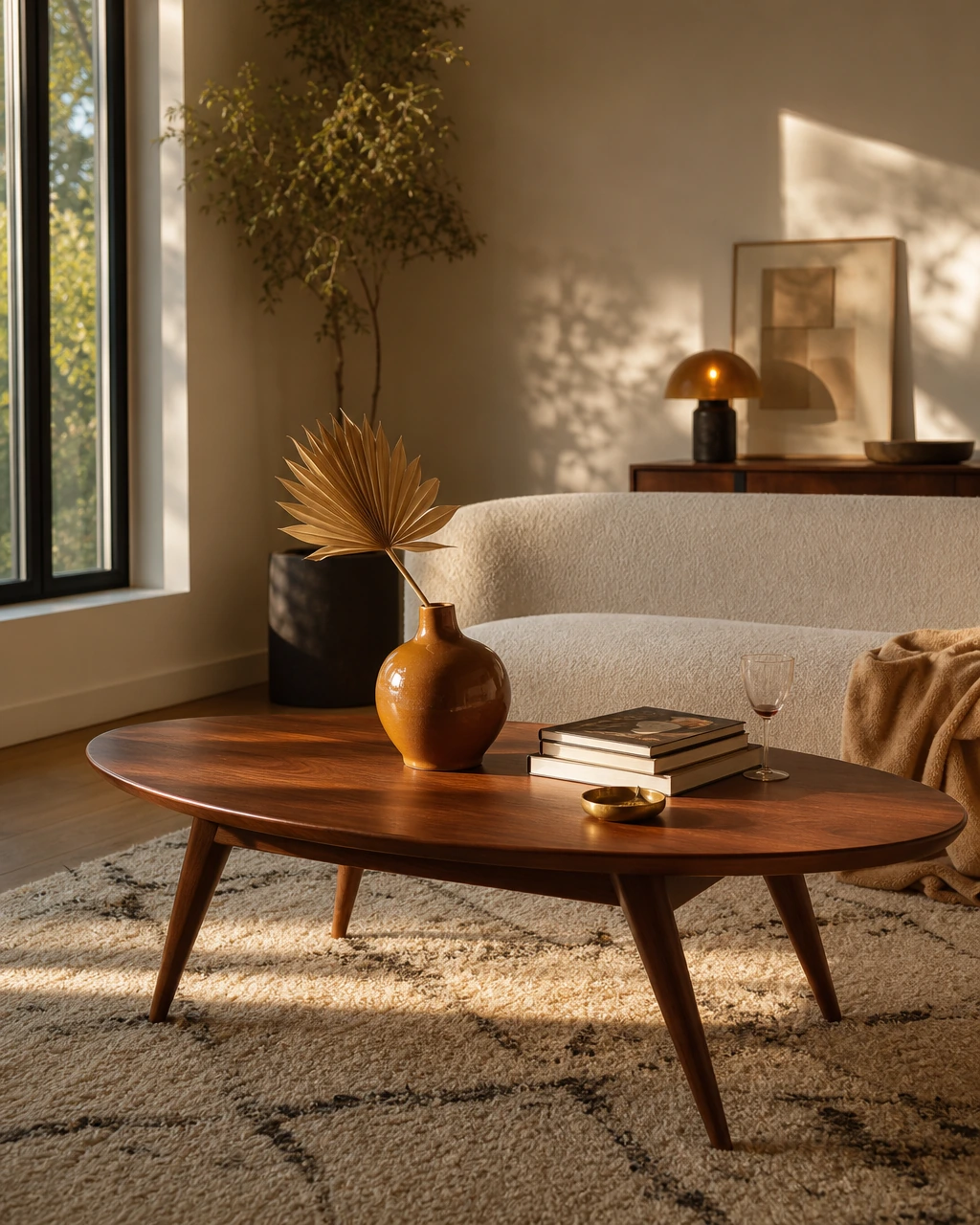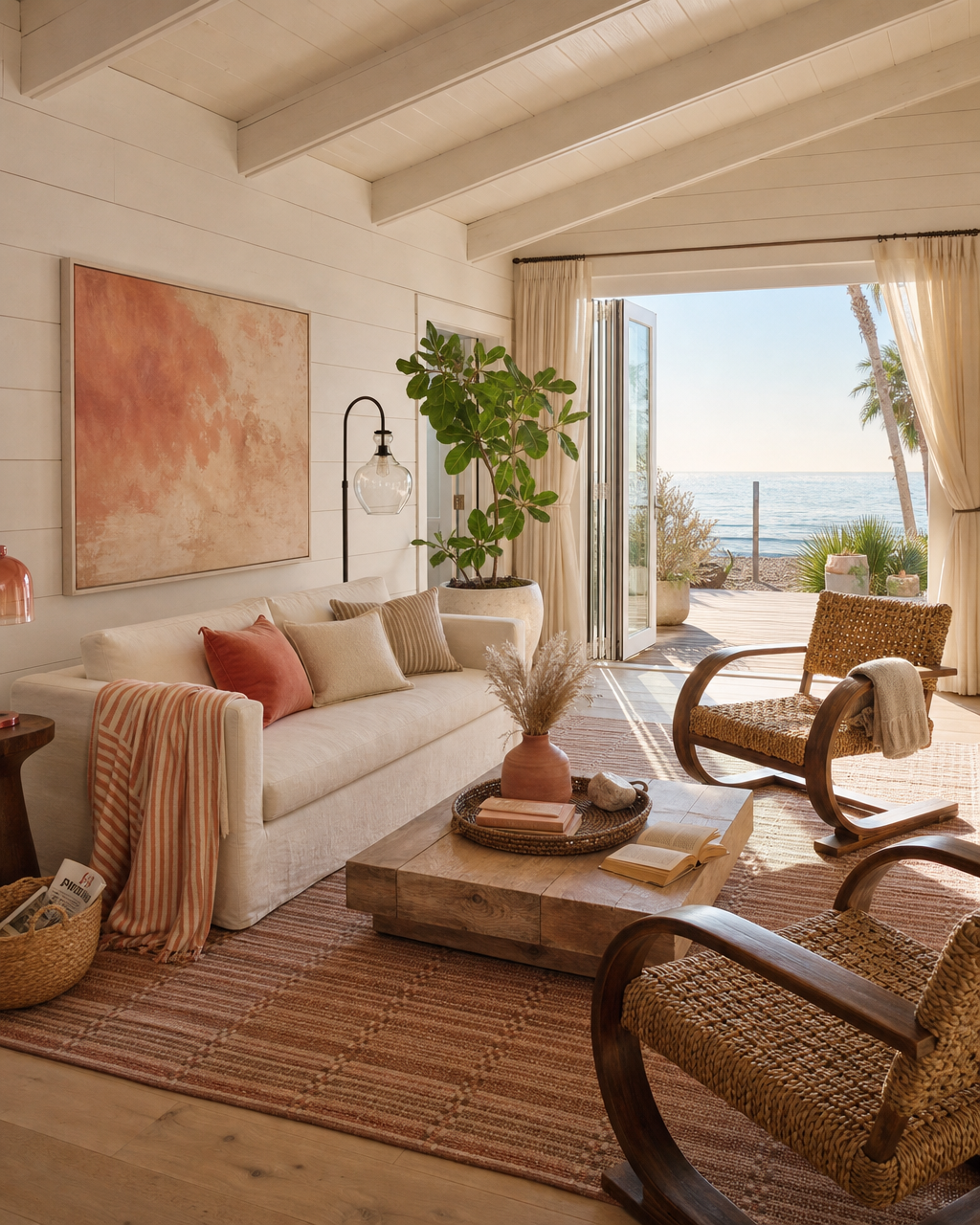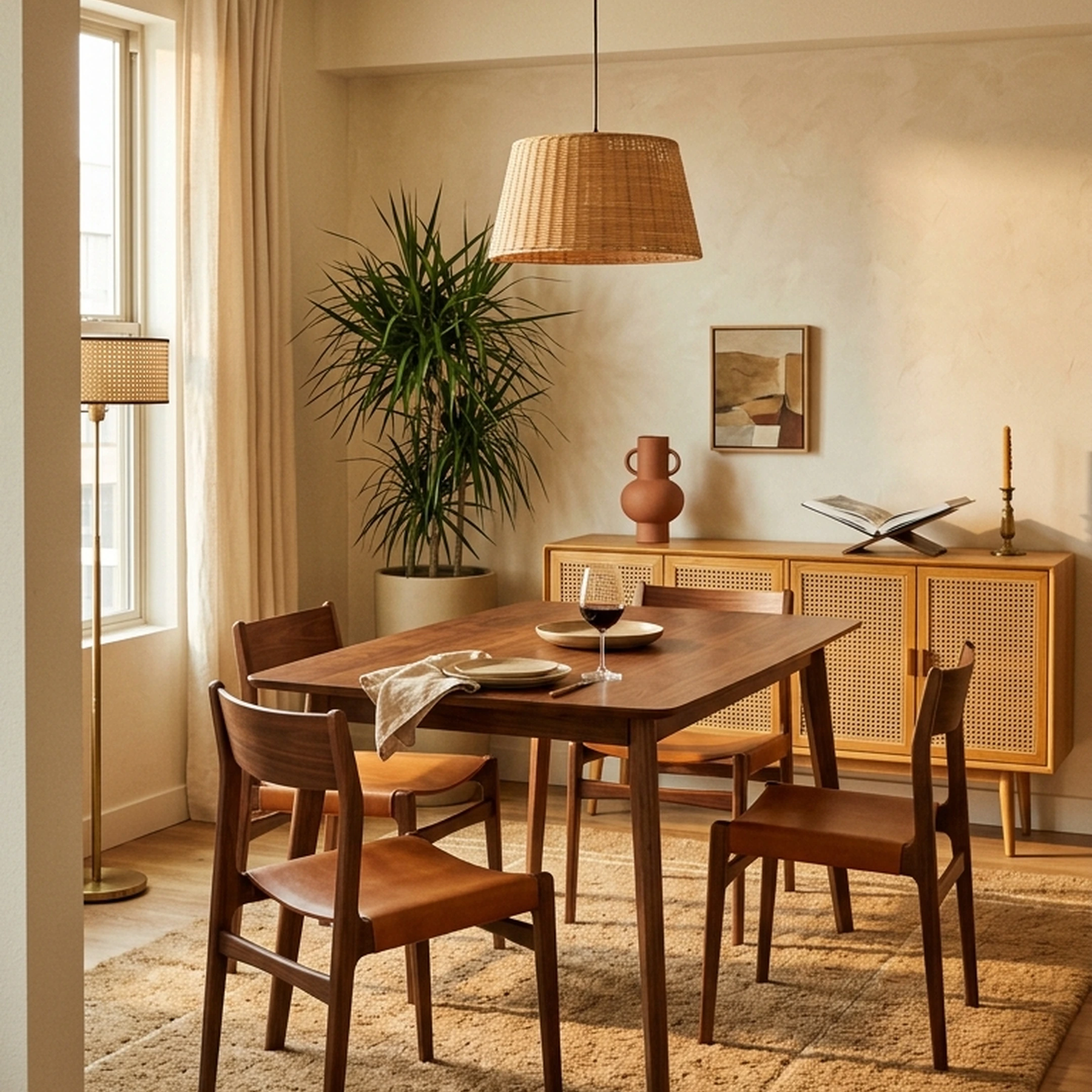

You've probably seen the photos. The Diamond Bar compound. The warm, wood-toned living spaces. The outdoor entertaining areas built for actual use, not for a magazine shoot. If you've been scrolling through coverage of Snoop Dogg's homes and quietly wondering which parts of that aesthetic could translate to your house in Atlanta or your apartment in Austin, the answer is more than you'd expect.
What makes Snoop's primary residence a useful design reference isn't the square footage or the budget. It's the philosophy. Architectural Digest's coverage of his Diamond Bar home, purchased in 1998, consistently emphasizes a family-oriented property where the design reflects daily life rather than performance. The rooms are proportioned for real use. The outdoor spaces are built for gatherings. The cultural references feel personal rather than staged. That restraint is the actual lesson, and it's one any homeowner can apply.
The challenge most people face when drawing from celebrity homes isn't inspiration. It's knowing which elements are about design and which are purely about budget. A 6,000-square-foot great room creates a certain feeling, but that feeling comes from proportion, material warmth, and lighting, not from the square footage itself. This guide separates the principles from the price tag so you can apply them in a 900-square-foot rental or a 2,400-square-foot first home without losing the character.
Here's what this guide covers:
- The architectural principles behind Snoop's spaces and how to adapt them to real proportions
- How to incorporate hip-hop cultural references without over-theming
- Color palettes and finish choices that read as elevated without requiring a renovation budget
- Layered lighting as the highest-return design investment in any home
- Outdoor entertaining spaces built for actual use
- Smart home integration that stays discreet
- Flooring and material choices for homes that get used
Key Takeaways
- Snoop Dogg's long-term Diamond Bar home prioritizes comfort, family functionality, and cultural identity over spectacle, making it a more practical reference than most celebrity properties.
- 79% of new single-family homes feature open-plan layouts combining kitchen, dining, and living areas, according to the National Association of Home Builders, and this structure is central to the entertaining-ready feel of hip-hop-influenced interiors.
- Layered lighting (ambient, task, and accent) is the single most accessible way to shift a room's character from daytime functional to evening atmospheric without structural changes.
- Statement pieces outperform themed collections. One strong art piece or sculptural furniture item anchors a room more effectively than a room full of matching references.
- 77% of U.S. households own at least one smart home device, according to Deloitte's Connectivity and Mobile Trends Survey. Integrating technology discreetly is a design decision, not just a technical one.
- Hard surface flooring accounts for over 55% of floor covering sales in the U.S. reflecting a preference for durable, easy-to-clean finishes that suit high-traffic entertaining spaces.
- The most common mistake when drawing from celebrity homes is copying the scale rather than the principle. Proportion and material quality matter more than square footage.
What Snoop Dogg's Design Aesthetic Actually Is
Snoop Dogg's residential design aesthetic is warm contemporary with hip-hop cultural influences: an approach that combines open-plan entertaining spaces, layered textures, bold art, and personal cultural references within a foundation of warm neutrals and durable materials.
This isn't maximalist luxury. The Homes of Celebs profile of the Diamond Bar property describes it as a family-oriented home where design choices reflect daily life. The entertaining spaces are generous but not theatrical. The materials are quality-forward without being precious. The cultural references are present but personal rather than performative.
That combination, comfort plus identity plus functionality, is what makes the aesthetic worth studying. It's a design philosophy that scales down.
Why Celebrity Homes Make Design Principles Visible

Celebrity homes are useful references not because they're aspirational in budget terms, but because their design decisions are legible. When a space has been thoughtfully designed and publicly documented, the choices become visible in a way that a generic showroom never is.
Most furniture showrooms show you pieces in isolation. Celebrity home coverage shows you how pieces work together, how scale interacts with proportion, how lighting shifts a room's character, and how cultural references can be integrated without overwhelming the underlying design. That's the educational value, and it's available regardless of your budget.
Why This Aesthetic Resonates Now
Several converging trends explain why the Snoop-influenced aesthetic, warm, entertaining-ready, culturally specific, and technology-integrated, is particularly relevant in 2026.
The Shift Toward Quiet Luxury in Residential Design
Analysis of celebrity properties across markets consistently identifies a move toward understated, high-quality materials and craftsmanship over flashy or logo-driven displays. The pattern is consistent: organic-veined marble, tactile fabrics, muted mineral tones, and materials that reveal their quality up close rather than announcing it from across the room.
This aligns directly with the Snoop Diamond Bar aesthetic. The home reads as elevated because of material quality and proportion, not because of overt displays of wealth. That's a principle any homeowner can apply at any budget level.
Open-Plan Living Has Become the Standard
The entertaining-ready open-plan layout that characterizes hip-hop-influenced interiors is now the dominant residential format. 79% of new single-family homes feature open-plan layouts combining kitchen, dining, and family rooms, according to the National Association of Home Builders. For homeowners working with existing floor plans, this means the structural principle is increasingly achievable through furniture arrangement and visual continuity rather than renovation.
Outdoor Living Has Become a Design Priority
Demand for outdoor entertaining spaces has grown significantly across the residential market. 69% of architecture firms reported increased client demand for outdoor living spaces and outdoor rooms in recent years, according to the AIA's Home Design Trends Survey. The resort-style outdoor areas associated with celebrity homes reflect a broader shift in how people use and value their outdoor spaces.
Smart Home Technology Is Now Baseline
Technology integration is no longer a premium add-on in well-designed homes. 77% of U.S. households own at least one smart home device, according to Deloitte's Connectivity and Mobile Trends Survey, and Gartner forecasts that by 2027, more than 50% of households in mature markets will use home automation for daily tasks. The design challenge has shifted from whether to integrate technology to how to integrate it without creating visual clutter.
Celebrity Home Architecture: Adapting the Layout Principles
The structural backbone of the Snoop aesthetic is the open-plan layout. When kitchen, dining, and living areas flow together without hard walls, the home becomes naturally social. Conversations carry across zones. The host stays connected to the room. Guests don't get isolated in a separate space while food is being prepared.
For homeowners working with existing floor plans, the open-plan principle can be approximated without structural changes:
- Replace a solid kitchen island with a waterfall counter that faces the living room
- Pull furniture away from walls to create a central gathering zone rather than a perimeter arrangement
- Use a consistent flooring material across kitchen, dining, and living zones to signal visual continuity
- Remove upper cabinets on the wall shared between kitchen and living areas to open sightlines
Scale and Proportion: The Most Important Lesson
The most common mistake when drawing from celebrity homes is misreading what creates the feeling. It isn't the size. It's the proportion. A sofa scaled for a 4,000-square-foot great room will make a 400-square-foot living room feel like a furniture warehouse.
The blog advises against chasing the literal dimensions of a reference, recommending instead that homeowners let the space tell their own story through meaningful objects and personal references. A track-arm sofa in a warm fabric, scaled to your actual room, will feel more like Snoop's living room than an oversized sectional that technically resembles the one in the photos.
The practical test: every piece of furniture in a room should have clear space around it. If you're stepping around furniture to move through the room, the scale is wrong regardless of how good the individual pieces are.
Accessible Design Principles That Also Look Good
Wide pathways, lever handles, and step-free transitions between indoor and outdoor spaces are associated with accessible design standards, but they also happen to produce better-looking, more functional entertaining spaces. Clear pathways of at least 36 inches between furniture groupings make a room feel generous rather than cramped. Step-free transitions to outdoor entertaining areas make gatherings flow more naturally.
These principles, drawn from ADA guidelines and the ICC A117.1 standard, aren't just about accessibility. They're about creating spaces that work for everyone and feel effortless to move through.
Hip-Hop Culture in Modern Home Decor: Referencing Without Over-Theming
Hip-hop culture in home decor is a legitimate design language with its own visual vocabulary: bold color, graphic art, layered texture, cultural artifacts, and a confidence in personal expression that mainstream interior design often avoids. The risk is over-theming. A living room that reads as a hip-hop museum rather than a home loses the warmth that makes the reference worth making.
The goal is cultural fluency, not costume.
Art Curation as the Primary Vehicle
Art is the most direct and most reversible way to bring hip-hop culture into a room. Framed album covers, original works by artists connected to the culture, photography from the era, and graphic prints all work as statement pieces without requiring structural commitment.
Analysis of well-executed celebrity properties consistently finds that a single focal art piece anchors the room more effectively than a collection of smaller references competing for attention. One large-format piece on a primary wall, chosen for personal meaning rather than trend alignment, reads more authentically than a gallery wall assembled from a shopping list.
Platforms like Saatchi Art and 1stDibs offer original and limited-edition works that can serve this function without requiring a collector's budget. The key is choosing something that connects to your actual taste, not just the aesthetic you're referencing.
Textiles, Color, and Material as Subtle Signals
Beyond art, hip-hop-influenced interiors tend to favor specific material and color choices that signal the aesthetic without spelling it out:
- Deep, saturated accent colors (forest green, burgundy, navy, warm gold) used in upholstery or soft furnishings rather than on every wall
- Velvet, boucle, and textured fabrics that read as tactile and considered
- Layered rugs in living and media room spaces, particularly large-format rugs that anchor the seating area
- Graphic throw pillows or blankets that introduce pattern without overwhelming the base palette
The base palette itself typically stays relatively neutral (warm whites, greiges, warm taupes) so the accent pieces carry the personality. This is the same logic behind quiet luxury: the restraint of the background makes the statement pieces land harder.
Color Palettes and Finishes: Reading the Snoop Aesthetic
The color palette associated with Snoop Dogg's documented interiors leans warm and grounded rather than cold or clinical. Comfort and livability translate into specific material and finish choices that homeowners can replicate directly.
Warm Neutrals as the Foundation
The base palette in well-executed hip-hop-influenced interiors typically works across four color categories:
Color CategoryExamplesWhere It WorksWarm whitesCreamy off-whites, linen tonesWalls, large upholsteryWarm taupes and greigesMushroom, warm gray, sandFlooring, cabinetryDeep accent tonesForest green, burgundy, warm goldAccent chairs, pillows, artNatural wood tonesWalnut, oak, warm mahoganyFlooring, furniture, millwork
This palette reads as elevated without being cold. The warmth comes from the undertones, not from adding more color. A room built on warm whites and walnut wood will feel more like a considered home than one built on cool grays and black metal, even if the latter technically costs more.
Finishes That Age Well
Matte and satin finishes consistently outperform high-gloss in residential settings. They show less wear, photograph better in natural light, and feel more livable over time. The blog specifically cautions against overloading on luxury finishes without considering maintenance, noting that highly polished surfaces can look worn quickly in real family homes.
For paint, Benjamin Moore and Sherwin-Williams both offer low-VOC and zero-VOC lines that deliver depth of color without indoor air quality trade-offs. The EPA highlights that high-VOC paints and finishes can degrade indoor air quality significantly, making low-VOC choices both a health and a design decision.
Layered Lighting for Entertaining Spaces
Layered lighting is the design principle with the highest return on investment in any home. It costs less than new furniture, requires no structural changes in most cases, and has a more immediate impact on how a room feels than almost any other single change.
Layered lighting is the practice of combining ambient, task, and accent light sources within a single room so the space can shift between functional daytime use and atmospheric evening settings. Celebrity residences consistently feature lighting systems integrated discreetly into architectural elements that allow this kind of flexibility, according to fine homes coverage of well-executed properties.
The Three-Layer System
Ambient lighting provides the base level of illumination. Recessed ceiling lights, flush mounts, and pendant fixtures over dining areas all serve this function. The goal is even, comfortable light across the room without harsh shadows.
Task lighting addresses specific functional needs: reading lamps beside sofas, under-cabinet lighting in kitchens, desk lamps in home offices. These should be on separate switches or dimmers from ambient sources.
Accent lighting creates atmosphere and highlights focal points. Picture lights over art, LED strip lighting under shelving, table lamps with warm-toned bulbs, and floor lamps in corners all contribute. This layer is where the room shifts from daytime to evening.
The global smart lighting market is projected to reach USD 14.2 billion by 2026, according to MarketsandMarkets, reflecting how central this category has become in residential design. The Philips Hue smart lighting system and Lutron's Caséta line both make it practical to program scenes for different uses: a party setting with warmer, lower ambient light and colored accents versus a daytime working setting with brighter, cooler overhead light.
Practical Implementation Without Rewiring
For homeowners who want to start without structural changes:
- Replace existing bulbs with warm-white smart bulbs (2700K to 3000K color temperature)
- Add at least one floor lamp per seating area
- Install a dimmer on the primary overhead circuit
- Add one accent source near the room's focal point (art, fireplace, or media wall)
This four-step sequence costs less than most furniture purchases and changes the room's character more dramatically than most furniture purchases do.
Outdoor Living Spaces and Entertainment Areas
The outdoor entertaining space is one of the most consistently documented features of Snoop Dogg's properties. The Diamond Bar home includes a pool, covered patio areas, and spaces clearly designed for large gatherings rather than photography. The AIA's Home Design Trends Survey finding that 69% of architecture firms reported increased demand for outdoor living spaces confirms this isn't a celebrity-only priority.
The principle that translates from celebrity outdoor spaces to typical homes is the concept of the outdoor room: a defined space with furniture, lighting, shade, and surfaces that make it feel like an extension of the interior rather than an afterthought.
Creating an Outdoor Room on a Realistic Budget
The components of a functional outdoor entertaining space, in order of impact:
- Defined flooring or surface. Composite decking, large-format porcelain pavers, or well-maintained concrete creates a visual boundary that signals "room" rather than "yard." Trex is the category leader in composite decking for durability and low maintenance.
- Weather-resistant seating. A sectional or sofa-and-chairs configuration with outdoor-rated cushions anchors the space. Crate and Barrel and CB2 both carry outdoor collections that hold up to real weather.
- Shade structure. A pergola, sail shade, or large market umbrella makes the space usable in daylight hours and creates a ceiling that makes the area feel enclosed rather than exposed.
- Outdoor lighting. String lights, path lighting, and one or two outdoor floor lamps extend usability into the evening and create the same layered effect as interior lighting.
- Outdoor cooking setup. A Weber or Traeger grill positioned at the edge of the entertaining zone, rather than tucked in a corner, signals that the space is built for use.
The goal is a space that functions as a room, not a staging area. Furniture should be arranged for conversation, not pushed against walls.
Smart Home Technology: Integrating Without the Clutter
Technology integration is now a baseline expectation in well-designed homes. 77% of U.S. households own at least one smart home device, according to Deloitte's Connectivity and Mobile Trends Survey. The design challenge isn't whether to include technology. It's how to integrate it without creating visual noise.
Smart controls in well-executed homes are integrated discreetly into architectural elements, with no visible cable clutter and devices housed in dedicated cabinets, according to fine homes coverage of celebrity properties. That standard is achievable in any home with planning.
A Practical Smart Home Hierarchy
Start with the systems that have the most design impact:
SystemDesign ImpactRecommended ApproachSmart lightingHighestPhilips Hue or Lutron Caséta for scene programmingSmart thermostatPractical, nearly invisibleNest or Ecobee replacing standard unitMulti-room audioEntertainment-focusedIn-ceiling or in-wall speakers, no visible hardwareSecurity camerasPerimeter-focusedRing or Arlo at entry points only
ENERGY STAR certified homes use 20 to 30% less energy than non-certified homes, largely through better HVAC management. A smart thermostat is one of the most cost-effective ways to capture that efficiency without any visible design trade-off.
Gartner forecasts that by 2027, more than 50% of households in mature markets will use home automation for daily tasks. Planning for this now, by running conduit during any renovation and choosing a single ecosystem (Amazon Alexa, Google Home, or Apple HomeKit) rather than mixing incompatible platforms, avoids the fragmentation problem that makes smart homes feel cluttered rather than considered.
Flooring and Materials for High-Traffic Entertaining Homes
Flooring is the largest surface in any room and the one that takes the most wear in a home built for entertaining. The material choices in Snoop's documented properties reflect this: durable, warm-toned surfaces that can handle real use without looking institutional.
Hard surface flooring accounts for over 55% of floor covering sales in the U.S. according to the U.S. Floor Covering Markets Report. That shift reflects a practical reality: wood, engineered wood, luxury vinyl tile (LVT), and large-format tile are easier to clean, more durable in high-traffic areas, and more visually cohesive across open-plan spaces than carpet.
Material Comparison for Entertaining Spaces
MaterialDurabilityWarmthCost RangeBest ForSolid hardwoodHighHigh$$$$Living rooms, dining areasEngineered woodHighHigh$$$Open-plan, over radiant heatLuxury vinyl tile (LVT)Very highMedium-high$$High-traffic, rentals, basementsLarge-format porcelain tileVery highMedium$$-$$$Kitchens, bathrooms, outdoor transitionsPolished concreteVery highLow$$$Industrial or modern aesthetics
For most homeowners drawing from the Snoop aesthetic, engineered walnut or oak in a warm, matte finish is the most practical choice. It reads as elevated, works with the warm neutral palette described earlier, and holds up to the kind of use a genuinely social home demands.
Rugs layered over hard floors add warmth, define zones within open-plan spaces, and introduce texture without permanent commitment. A large-format rug (at least 8x10 in a standard living room) that sits under the front legs of all seating pieces will make the space feel anchored rather than assembled.
Tools and Platforms for Executing This Aesthetic
Interior Design and Visualization
- Autodesk (AutoCAD, Revit): Professional-grade tools for space planning and documentation, widely used by architects and interior designers.
- SketchUp: Accessible 3D modeling platform popular among residential designers for quick visualization.
- Chief Architect: Specialized residential design software for detailed floor plans and interior renderings.
Shoppable Design Platforms
First Chair takes inspiration images (including celebrity home photos, hotel lobbies, or saved interiors) and translates them into cohesive room concepts built from real, in-stock furniture you can actually purchase. Rather than returning hundreds of options that technically match a search term, the platform narrows the field to pieces that work together in your specific room. It curates across West Elm, CB2, Crate and Barrel, Pottery Barn, and Lulu and Georgia, so the room feels layered rather than retailer-stamped. For homeowners trying to translate the warm, culturally specific feeling of a hip-hop-influenced interior into a buyable room, this is where the decision fatigue of furniture shopping gets resolved. Insider pricing is available on selected pieces for early-access members.
Other online design services include Havenly and Decorist, which offer virtual design packages at various price points.
Smart Home Ecosystems
- Amazon Alexa: Voice assistant and ecosystem for controlling smart lighting, speakers, and home devices.
- Google Home: Central hub for managing smart home devices and integrating entertainment systems.
- Apple HomeKit: Secure ecosystem integrating compatible smart lights, locks, thermostats, and media devices.
Lighting and Controls
- Philips Hue (Signify): Smart lighting system with color-tunable bulbs and fixtures, useful for mood-driven entertaining spaces.
- Lutron Caséta: High-end lighting controls and dimmers for residential smart systems and layered lighting scenes.
Art and Statement Pieces
- Saatchi Art: Online marketplace for original and limited-edition works suitable as statement pieces.
- 1stDibs: Curated marketplace for vintage and contemporary furniture, lighting, and art.
- Chairish: Resale platform for vintage and pre-owned furniture with strong editorial curation.
Outdoor Living
- Trex: Composite decking solutions for durability and low maintenance in outdoor entertainment areas.
- Weber and Traeger: Grills and outdoor cooking equipment for party-ready patios.
Best Practices for Recreating This Aesthetic
1. Lead with your story, not the reference. The Errez Interior Design blog advises against chasing trends as the primary design driver, recommending instead that homeowners let the home tell their own story through meaningful objects and personal references. For Snoop-inspired design, this means incorporating hip-hop references that connect to your actual taste, not just the aesthetic you're approximating.
2. Use quiet luxury materials for an elevated feel. One good stone countertop, linen drapes, or a solid wood dining table will do more for a room than many cheaper look-alikes. Quality over quantity is the operating principle.
3. Layer lighting before buying new furniture. The return on investment from layered lighting consistently exceeds the return from furniture upgrades. Start with lighting, then evaluate what the room actually needs.
4. Scale furniture to your actual room. Measure before purchasing. Every piece should have clear space around it. If you're stepping around furniture to move through the room, the scale is wrong regardless of how good the individual pieces are.
5. Plan smart home integration as a design decision. Choose a single ecosystem, run conduit during any renovation, and house routers and hubs in dedicated cabinets. Visible cable clutter undermines every other design decision in the room.
6. Invest in durable flooring for high-traffic areas. Engineered hardwood or LVT in a warm, matte finish will hold up to the kind of use an entertaining-focused home demands. Pair with large-format rugs to add warmth and define zones.
7. Curate a few strong statement pieces rather than filling walls. One large-format art piece on a primary wall will anchor the room more effectively than a gallery wall assembled from a shopping list. Choose for personal meaning, not trend alignment.
8. Integrate outdoor and indoor spaces visually. Use consistent flooring materials at the transition point, ensure step-free access where possible, and extend the lighting logic outdoors. The outdoor room should feel like a continuation of the interior, not a separate space.
Common Mistakes to Avoid
1. Copying celebrity scale without adapting to your proportions. Oversized furniture or club-style lighting that fits a mansion will overwhelm a typical home. Proportion matters more than literal resemblance to the reference.
2. Over-theming hip-hop culture into a set rather than a home. Turning a living room into a replica of a music video set feels gimmicky and dates quickly. Subtle references (color palette, art, textiles) work better than literal reproductions.
3. Ignoring acoustics in open-plan and entertainment spaces. Large open spaces without rugs, upholstered seating, curtains, and acoustic treatments can make music rooms or media areas harsh and tiring. Celebrity properties pay careful attention to acoustic planning, according to fine homes coverage.
4. Building a stylish media wall without concealed storage. Cable management and device storage are design decisions. A beautiful media wall undermined by visible cables and stacked components loses most of its visual impact.
5. Choosing high-VOC paints or composite materials for appearance alone. The EPA highlights that high-VOC paints and finishes can degrade indoor air quality significantly. Low-VOC choices from Benjamin Moore or Sherwin-Williams deliver the same color depth without the trade-off.
6. Adding smart devices without a coherent ecosystem. Mixing incompatible platforms creates fragmentation that makes smart homes feel cluttered rather than considered. Choose one ecosystem and build within it.
7. Neglecting the transition between indoor and outdoor spaces. A beautifully designed interior that ends abruptly at a sliding door misses the entertaining continuity that characterizes the Snoop aesthetic. Treat the transition as a design zone, not a boundary.
8. Prioritizing trend alignment over personal meaning in art choices. Art chosen because it looks like what a hip-hop-influenced home is supposed to have will always read as assembled rather than collected. Choose pieces that connect to your actual taste.
Turning Inspiration Into a Room You Can Actually Buy
The gap between a saved photo of Snoop Dogg's living room and a finished room in your own home isn't primarily a budget gap. It's an execution gap. Most people know the feeling they want. The difficulty is translating that feeling into specific pieces that work together in their actual space, at their actual scale, within their actual budget.
If you've been trying to recreate the warm, layered, culturally specific feeling of a hip-hop-influenced interior and keep ending up with rooms that feel almost right but not quite, the issue is usually one of three things: scale, material warmth, or cohesion between pieces. First Chair addresses all three by curating across multiple retailers so the room feels layered rather than retailer-stamped. For homeowners working through the specific challenges of small city apartments, where scale issues are most acute, the platform's style interpretation handles nuanced directions like "hip-hop but warm" or "bold but not loud" in the same way it handles "Scandi but Japandi."
Frequently Asked Questions
What design style is Snoop Dogg's house?
Snoop Dogg's primary Diamond Bar residence is best described as warm contemporary with hip-hop cultural influences. It prioritizes comfort, family functionality, and personal expression over maximalist luxury. The aesthetic draws on warm wood tones, layered textures, bold art, and open-plan entertaining spaces rather than a single rigid style category.
How can I get a hip-hop-inspired interior without it looking themed?
Use cultural references as accents rather than the primary design language. Choose one or two strong art pieces connected to the culture, build the room's base palette in warm neutrals, and let the furniture silhouettes and materials do the heavy lifting. A room that feels hip-hop-influenced should feel personal and collected, not assembled from a theme kit.
What flooring works best for an entertaining-focused home?
Engineered hardwood in a warm tone (walnut or oak) is the most versatile choice for living and dining areas. It reads as elevated, holds up to high-traffic use, and works with the warm neutral palette that characterizes the aesthetic. Luxury vinyl tile is a strong alternative for rentals or basement spaces where moisture is a concern.
How do I incorporate smart home technology without it looking cluttered?
Choose a single ecosystem (Amazon Alexa, Google Home, or Apple HomeKit) rather than mixing incompatible platforms. Run conduit during any renovation so cables can be concealed. House routers, hubs, and streaming devices in dedicated cabinets. Use in-ceiling or in-wall speakers rather than visible hardware. The goal is technology that works without being seen.
What is the most cost-effective design change for an entertaining-focused living room?
Layered lighting consistently delivers the highest return on investment relative to cost. Replacing existing bulbs with warm-white smart bulbs, adding a floor lamp per seating area, installing a dimmer on the primary overhead circuit, and adding one accent source near the room's focal point will change the room's character more dramatically than most furniture purchases at a fraction of the cost.
How do I create an outdoor entertaining space without a large budget?
Start with defined flooring (composite decking or large-format pavers), add weather-resistant seating arranged for conversation rather than pushed against walls, install a shade structure, and add layered outdoor lighting. These four elements create the "outdoor room" feeling that characterizes well-designed entertaining spaces. Crate and Barrel and CB2 both carry outdoor furniture collections that hold up to real weather at accessible price points.
Conclusion: The Room You've Been Trying to Make
The Snoop Dogg aesthetic is more accessible than it looks in photos. The principles behind it, warm materials, open-plan flow, layered lighting, cultural specificity, and spaces built for actual use, are available at any budget level. The celebrity version has more square footage. The underlying design logic is the same.
The gap between the inspiration and the finished room is almost always an execution problem, not a budget problem. You know the feeling you want. The difficulty is translating that feeling into specific pieces that work together in your actual space.
If you're ready to move from saved photos to a room you can actually buy, start with First Chair. Upload your inspiration, describe your aesthetic direction, and get a cohesive room concept built from real, in-stock pieces across multiple retailers. No more tabs. No more second-guessing. Just the room you've been trying to make.