
If you've spent any time on Pinterest lately, you've probably noticed that "Taylor Swift aesthetic" has become its own design category. And not just for bedroom shrines. The layered textures, moody color palettes, vintage-meets-modern furniture, and deeply personal focal points that show up across her documented homes are genuinely good design principles. They translate well into real apartments and houses at real budgets.
This guide is not about replicating a celebrity's real estate portfolio. It's about understanding why her spaces work visually and how to apply those same instincts to your own home, whether you're furnishing a first apartment in Austin, refreshing a living room in Chicago, or finally committing to a bedroom that actually feels like you.
Swift owns multiple residences across the U.S. and UK, many of them historic properties with pre-war architecture, natural materials, and layered interiors that feel collected rather than decorated. That distinction matters. Collected feels personal. Decorated feels staged. The goal here is the former.
What follows is a structured design guide grounded in real market data and translated into practical, budget-friendly moves. You'll learn how era-based color palettes work as design tools, why layered lighting is the single highest-impact change you can make, how to build a focal wall that reads as designed rather than accumulated, and where to spend versus save when applying the high-low mix strategy.
Key Takeaways
- Taylor Swift's homes blend historic architecture, natural materials, and era-specific color palettes. The same principles apply to real apartments and houses at almost any budget.
- Era-based color palettes work best as accent layers over neutral bases. Applying a single era's full color story to every surface in a room creates a themed space, not a designed one.
- Layered lighting (ambient, task, and accent combined) is the highest-impact, lowest-cost change available for shifting a room's mood.
- The high-low mix strategy, pairing one or two investment pieces with thrifted or mass-market accessories, is how Swift's aesthetic reads as luxurious without requiring a luxury budget.
- Focal walls outperform scattered decor. One intentional gallery wall reads as designed; the same content spread across every surface reads as cluttered.
- Vintage and secondhand sourcing is central to achieving the "slow luxury" feel her historic properties project. Chairish, Facebook Marketplace, and Etsy cover most of the territory.
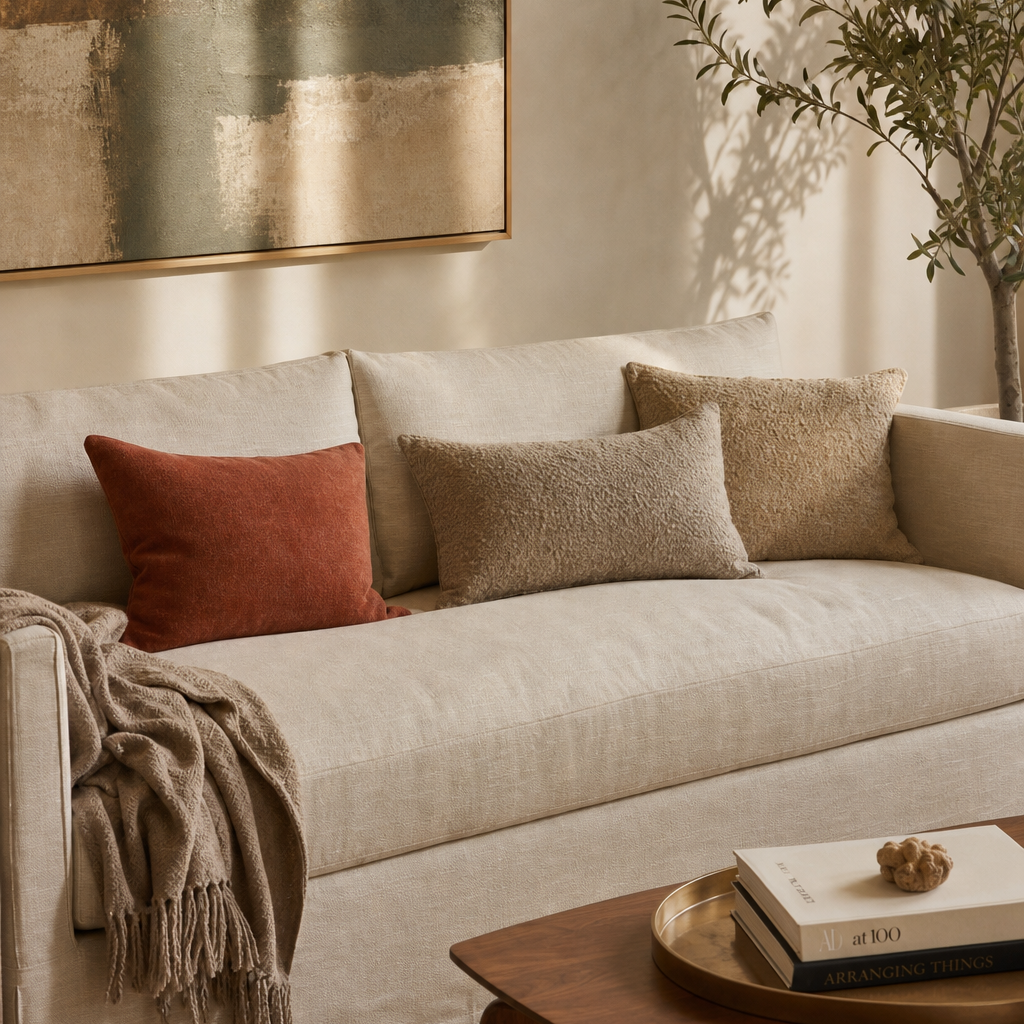
- Texture layering (linen, velvet, aged wood, warm metal) creates perceived richness more effectively than color alone. A room can read as Folklore-era without a single sepia-toned print if the material palette is right.
- 48% of homeowners cite personalizing their space as a primary renovation motivator, which is exactly the design instinct Swift's aesthetic rewards.
Understanding Taylor Swift's Real Design Aesthetic

Taylor Swift's design aesthetic is a layered mix of historic architecture, personal narrative, and era-specific color and texture. It is not a single style, and that's the first thing worth understanding before applying it to your own space.
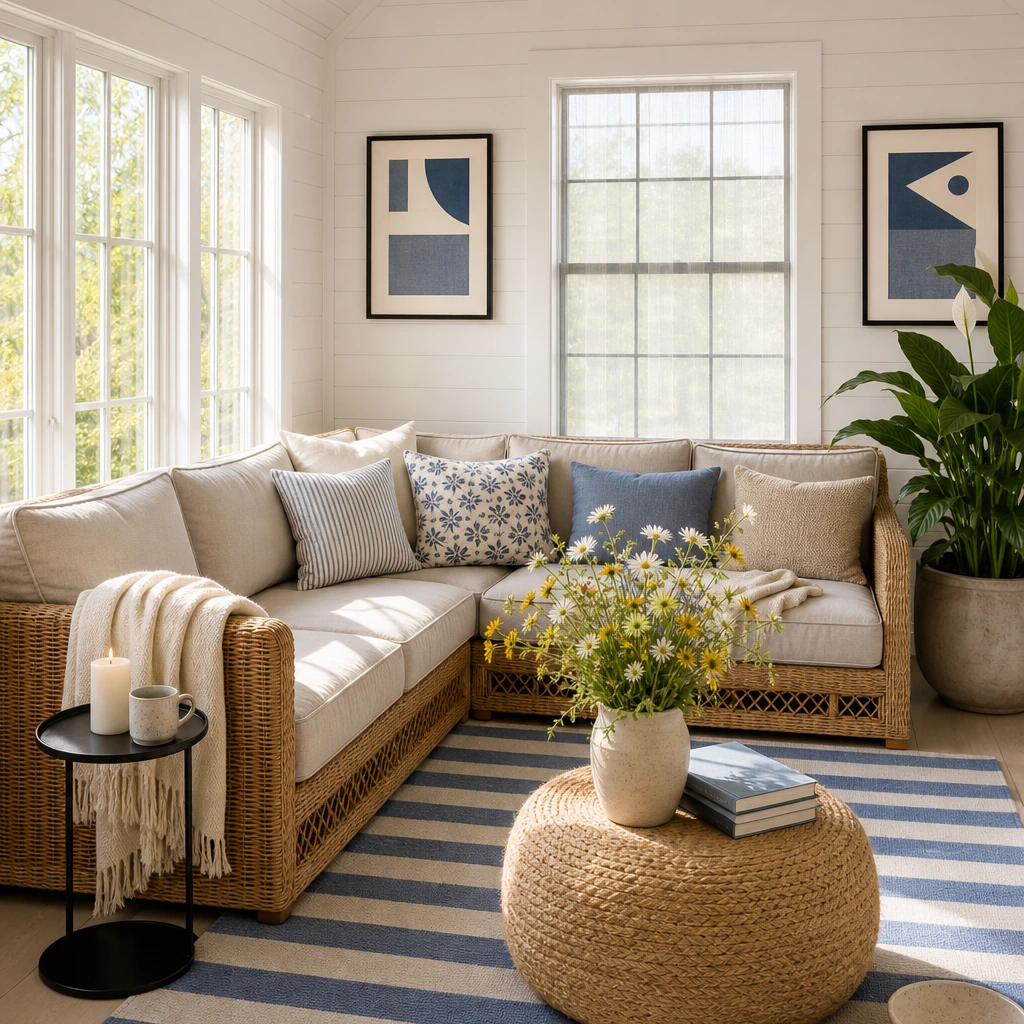
Her Tribeca penthouses lean toward transitional design, blending classic moldings and fireplaces with modern art and clean-lined furniture. Her Rhode Island estate, Watch Hill, reads as coastal New England with weathered wood, natural light, and relaxed upholstery. Her Beverly Hills property, an 11,000-square-foot historic landmark, leans into formal architecture softened by warm textiles and personal collections.
What connects all of them is intentionality. Nothing looks random. Every space has a clear mood, a dominant material story, and personal objects treated as art rather than clutter.
The Core Design Principles Across Her Homes
Three principles show up consistently across her documented properties.
- Historic architecture as the anchor. Pre-war details, original moldings, fireplaces, and aged wood floors provide the foundation. Everything layered on top feels more considered because the bones are already strong.
- Personal objects elevated to focal points. Instruments, framed lyrics, vintage photographs, and album art are displayed deliberately, not scattered.
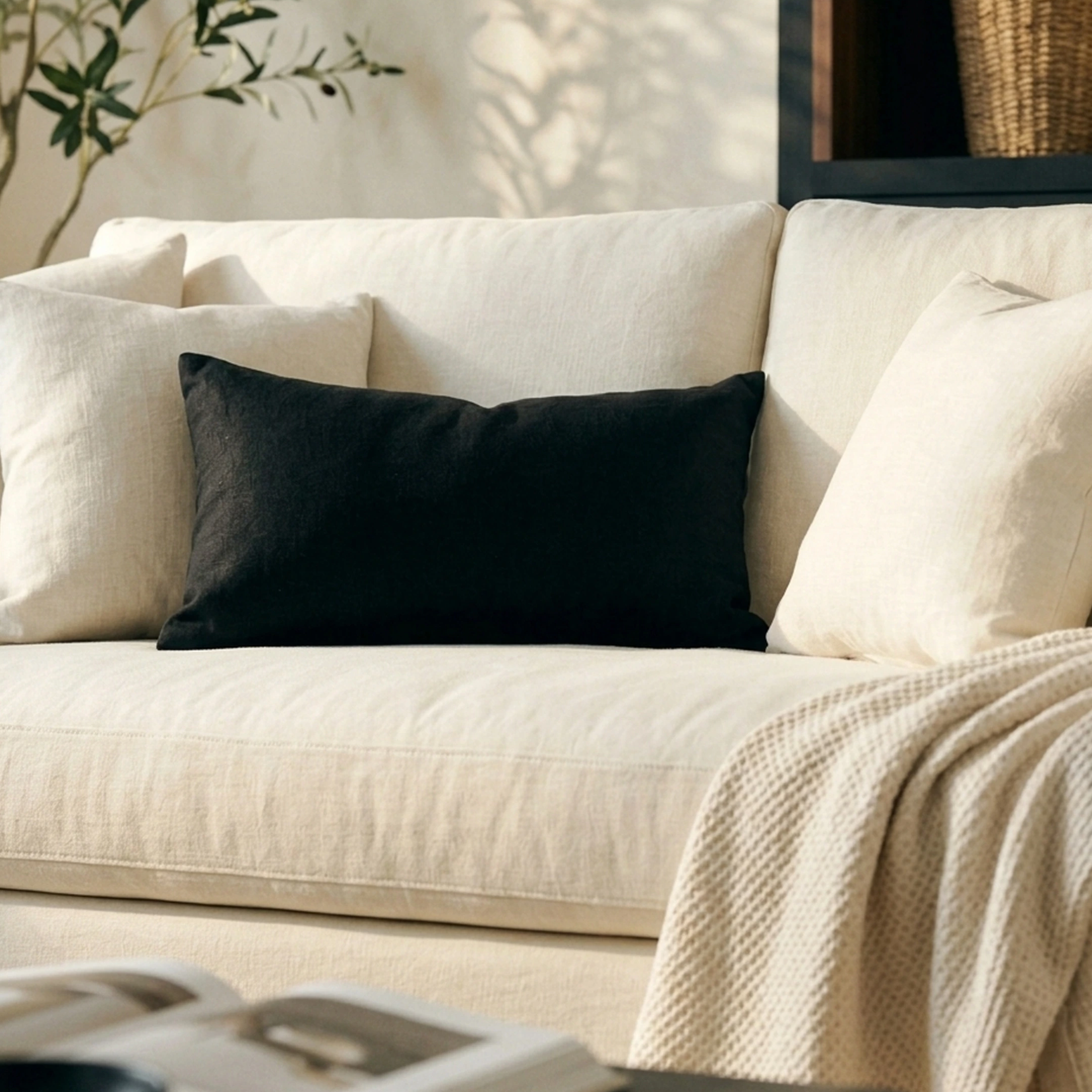
- Texture over trend. Velvet, linen, aged brass, warm wood, and natural stone appear repeatedly. The material palette stays consistent even when the color palette shifts by era.
Why This Aesthetic Resonates Right Now
The timing is not accidental. Demand for organic, nature-inspired materials and color palettes has risen sharply among designers, according to the National Kitchen and Bath Association's 2023 Design Trends report. Swift's preference for natural materials, vintage pieces, and warm layering aligns directly with where residential design is heading broadly.
The appeal is also practical. Personalizing a space has become a primary renovation motivator for nearly half of homeowners, according to the 2023 Houzz U.S. and Canada Renovation Trends Study. Swift's homes look personal because they are personal. That's the design move worth copying.
Era-Based Color Palettes: How to Use Them Without Over-Theming
An era-based color palette is a cohesive color story drawn from a specific mood or aesthetic reference, applied to a room through paint, textiles, and accessories rather than as a total theme. Swift's musical eras map naturally onto distinct color and texture directions, and each one translates into a livable interior palette.
The table below outlines the primary eras, their associated color stories, and practical application points for real rooms.
EraCore ColorsTexture DirectionBest ApplicationLoverBlush, lavender, sky blue, rainbowSatin, velvet, soft cottonBedroom, reading nookFolklore / EvermoreCream, taupe, forest green, sepiaChunky knit, weathered wood, linenLiving room, home officeRedBurgundy, scarlet, camel, blackWool, leather, aged brassDining room, entrywaySpeak NowViolet, plum, goldSilk, velvet, ornate metalBedroom, vanity area1989Sky blue, white, silver, pale pinkClean cotton, glass, chromeKitchen, bathroomReputationBlack, dark green, goldMatte metal, dark woodHome bar, officeMidnightsDeep navy, midnight blue, silverVelvet, candlelight, dark lacquerBedroom, lounge
How to Apply Era Palettes Without Over-Theming
The most common mistake is going too literal. Painting every wall in a saturated era color, buying matching bedding sets, and covering surfaces in album art creates a themed room, not a designed one. The goal is mood, not merchandise.
The better approach:
- Use the era's core color on one accent wall or in large textiles (curtains, a rug, an upholstered headboard).
- Keep the remaining walls in a warm white, soft cream, or warm gray that complements the accent.
- Introduce the era's secondary colors through cushions, throws, and small decor objects.
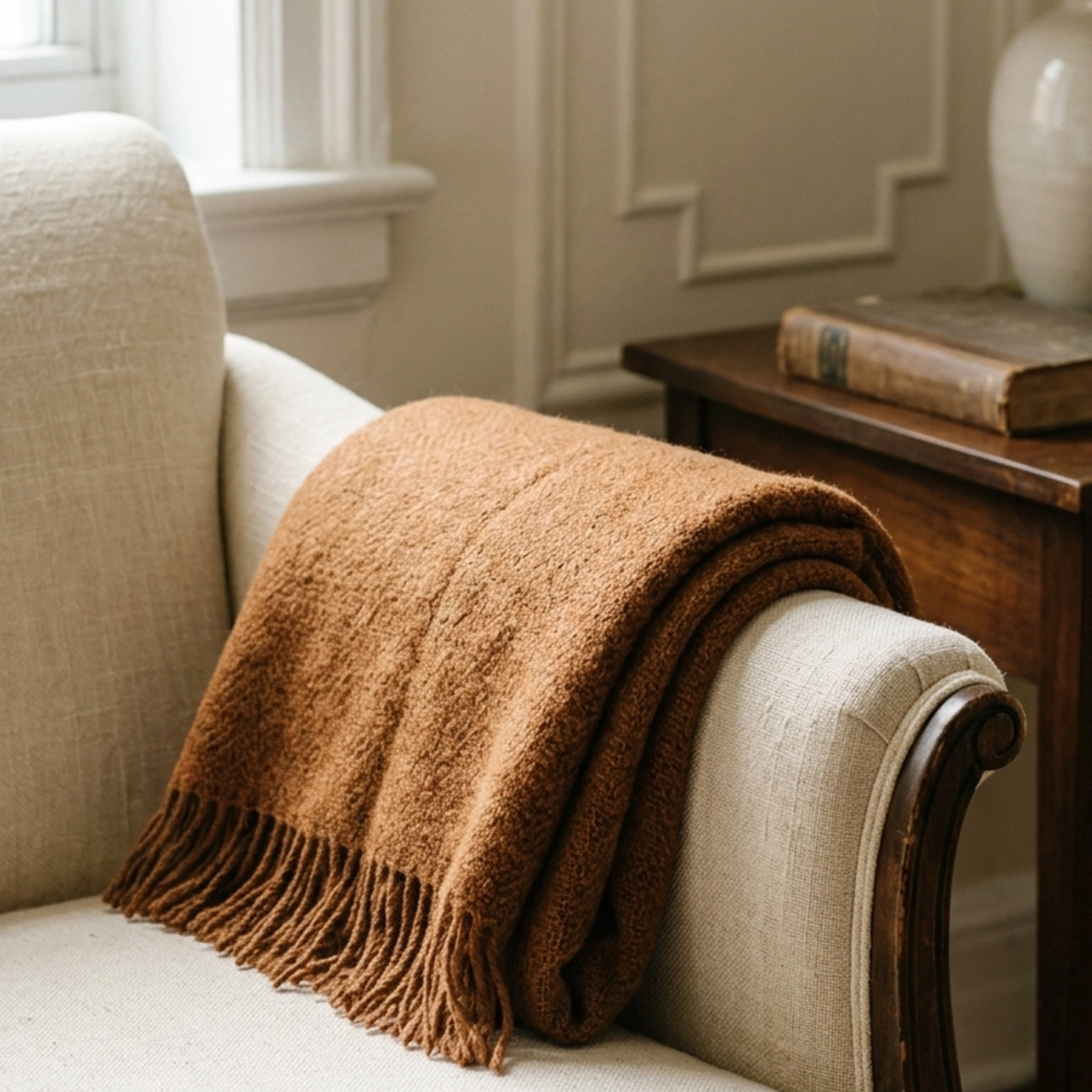
- Let the texture direction do more work than the color. A Folklore-inspired room reads correctly with cream linen curtains, a chunky knit throw, and weathered wood furniture, even without a single sepia-toned print on the wall.
What the Data Says About Dark Color Choices
Hesitation about committing to a deeper palette is common, but the evidence supports bolder choices when applied correctly. Homes with dark navy blue bedrooms sold for up to $1,500 more than expected, and charcoal gray kitchens added up to $2,500 to sale price, according to Zillow's paint color analysis. Deep, intentional color choices are not a resale risk when the application is deliberate.
Layered Lighting: The Highest-Impact, Lowest-Cost Change
Layered lighting is the practice of combining ambient (overhead), task (desk or reading), and accent (sconces, string lights, candles) light sources to control mood and function within a room. It is the single most effective change you can make to shift how a space feels, and it costs far less than new furniture.
Swift's homes use lighting as a design element, not just a utility. The warm, candlelit quality of her Folklore-era aesthetic, the deep blue atmospheric lighting associated with Midnights, and the fairy-light softness of Lover-inspired spaces all come from deliberate layering rather than a single overhead fixture.
Era-Specific Lighting Directions
The lighting approach shifts meaningfully by era.
- Lover / Folklore: Warm white fairy lights, table lamps with fabric shades, candle clusters. Avoid cool-toned overhead lighting entirely.
- Reputation / 1989: Dimmable brass or matte black fixtures, LED strip lighting in warm amber, statement pendant lights.
- Midnights: Deep blue ambient light (achievable with smart bulbs like Philips Hue), warm spot lighting on specific objects, candles as accent sources.
Practical Lighting Upgrades Under $200
No rewiring required. These changes work within existing fixtures and deliver immediate results.
- Replace cool-white bulbs with warm-white LED bulbs (2700K to 3000K) throughout the room.
- Add a floor lamp or table lamp in a corner that currently has no light source.
- Install a plug-in dimmer on an existing floor lamp.
- Add LED strip lighting behind a headboard, bookshelf, or under a console table.
- Use a smart bulb in one key lamp to shift color temperature by time of day or mood.
Lighting accounts for about 6% of residential electricity use, according to the U.S. Energy Information Administration, meaning switching to efficient LED layering reduces energy costs alongside the aesthetic upgrade.
The High-Low Mix: Achieving Swift's Aesthetic on a Real Budget
The high-low mix is a furnishing strategy that pairs one or two quality investment pieces with budget-friendly accessories and vintage finds to create a room that reads as considered and elevated without requiring a designer budget. It is the core strategy behind most celebrity-inspired interiors that actually work in real homes.
Swift's properties consistently feature historic architectural details and high-quality upholstery layered with personal memorabilia, vintage mirrors, and collected objects. The expensive pieces are structural. The personal pieces are what make the room feel like someone actually lives there.
Where to Spend and Where to Save
CategoryWorth Investing InSave HereSeatingQuality sofa with good bonesAccent chairs (thrift or Chairish)RugsOne solid area rug in natural fiberLayering rug underneath (IKEA)LightingOne statement pendant or floor lampBulbs, strips, table lampsStorageBuilt-in or solid wood shelvingBaskets, boxes, binsArtOne framed original or quality printGallery wall fillers (Etsy prints)TextilesLinen curtains, quality throwCushion covers, smaller throws
Vintage Sourcing for the Swift Aesthetic
The cottagecore and transitional elements of Swift's aesthetic, the weathered wood, vintage mirrors, Persian-style rugs, and ornate frames, are almost always cheaper to source secondhand than new. Chairish carries curated vintage pieces that match the historic-home quality of her documented properties. Facebook Marketplace and local estate sales are the budget version of the same approach.
For Swift-specific decorative elements, Etsy remains the most practical source for lyric prints, custom album art, and embroidered quotes that function as gallery wall content without requiring original artwork budgets.
If the gap between inspiration and execution is the problem, that is exactly what First Chair is built to close. You can upload a photo of a room you love, describe the aesthetic direction you're after ("Folklore but warmer," "Midnights but livable," "cottagecore but not precious"), and receive curated room concepts built from real, in-stock furniture and decor across multiple retailers including West Elm, CB2, Crate and Barrel, Pottery Barn, and Lulu and Georgia. The platform is particularly useful for the high-low mix strategy. Rather than spending hours cross-referencing pieces from different retailers to check whether they work together, First Chair narrows the field to pieces that are already cohesive, already in stock, and already priced with insider member pricing built in.
Focal Walls and Gallery Displays: Making Personal Objects Feel Designed
A focal wall is a single wall in a room designed as the primary visual anchor, using art, photography, bold paint, or a curated collection to draw the eye and establish the room's character. It is one of the most effective tools for making a personal collection feel intentional rather than accumulated.
Coverage of Swift-inspired interiors consistently returns to the gallery wall as the central design move. Done well, it reads as a designed feature. Done poorly, it reads as a dorm room.
How to Build a Swift-Inspired Focal Wall
The difference between a gallery wall that works and one that doesn't usually comes down to three decisions.
1. Commit to a frame family. Mixing too many frame styles creates visual noise. Choose one dominant frame finish (warm wood, black, or aged gold) and use it for 70 to 80 percent of the pieces. Allow 20 to 30 percent variation for interest.
2. Anchor with one large piece. Start with one piece that is significantly larger than the others, at least 16 by 20 inches. Build the arrangement around it. This prevents the wall from looking like a collection of equally-sized squares.
3. Limit the content to one era or one theme. A Folklore-inspired wall of black-and-white photography reads as a design choice. A wall mixing Folklore photography, Lover pastel prints, and Reputation imagery reads as indecision. Pick one mood per wall.
What to Include in a Swift-Inspired Gallery Wall
- Framed lyric excerpts in a consistent font and frame
- Album cover art printed at varying sizes
- Black-and-white photography (for Folklore or Evermore directions)
- Vintage botanical prints (for cottagecore interpretations)
- A single mirror to add depth and light reflection
- One three-dimensional element: a small shelf, a mounted guitar, or a framed textile
For anyone working through furniture decision fatigue or trying to avoid costly furniture mismatches, the focal wall approach reduces both the financial and aesthetic risk of the process. One strong wall requires fewer pieces, not more.
Outdoor Living and Garden Design Inspired by Her Properties
Swift's Watch Hill estate in Rhode Island and her Nashville properties both feature outdoor spaces that prioritize relaxed, natural living over formal landscaping. The aesthetic is coastal and slightly wild, with natural materials, comfortable seating, and plantings that feel grown rather than installed.
Outdoor living remains one of the most consistently requested features in residential design, according to the American Institute of Architects' 2023 Home Design Trends Survey. The Swift-inspired version of this is accessible at almost any scale, from a full backyard to a small apartment balcony.
Practical Outdoor Upgrades for a Backyard or Patio
- Install a pergola or trellis structure and grow climbing plants (wisteria, roses, or jasmine for the cottagecore direction).
- Use natural wood or weathered teak furniture rather than powder-coated metal sets.
- Add string lights overhead for the warm, fairy-light quality that appears across her Folklore and Lover aesthetic references.
- Layer outdoor rugs in natural jute or cotton under seating areas.
- Include a small water feature or birdbath for the Watch Hill coastal-garden feel.
Practical Outdoor Upgrades for a Balcony or Small Space
- Two comfortable chairs and a small side table in natural wood or rattan.
- One or two large planters with trailing plants (pothos, ivy, or jasmine).
- String lights along the railing or overhead.
- A small outdoor rug to define the seating area.
The goal is a space that feels like an extension of the interior, not a separate, more casual zone. Consistent materials between inside and outside (warm wood, natural fiber, aged metal) create that continuity.
Home Organization and Aesthetic Storage Solutions
Aesthetic storage is the practice of using storage solutions that function as decor, including woven baskets, vintage trunks, open shelving, and ladder racks, so that organization contributes to the room's visual story rather than interrupting it.
The challenge with Swift-inspired decor is that it involves a lot of objects. Albums, books, candles, framed art, instruments, and textiles all need homes. Without a storage strategy, the aesthetic tips from "collected" into "cluttered."
Storage Strategies by Room
Living room:
- Open shelving for vinyl records, books, and candles. Group by color or era for visual coherence.
- A vintage trunk or wooden chest as a coffee table with hidden storage inside.
- Woven baskets on lower shelves for throws and remote controls.
Bedroom:
- A ladder shelf for displaying a rotating selection of albums, small plants, and candles.
- Under-bed storage in fabric bins for seasonal textiles.
- A small vanity tray to corral jewelry and small objects on a dresser surface.
Home office or reading nook:
- Built-in or freestanding bookshelves with objects grouped by color and height.
- A dedicated display zone for memorabilia, kept to one shelf or one wall section.
- Cable management to keep the desk surface clean when the rest of the room is visually busy.
The organizing principle is the same across all rooms: give collections a defined home, keep surfaces intentional, and let the storage itself contribute to the aesthetic rather than hiding from it.
Tools and Solutions for Recreating the Swift Aesthetic
The following categories and vendor examples represent practical tools for implementing Swift-inspired design at a range of budgets. These are representative options, not endorsements.
Paint and Color Planning
Testing era palettes before committing to a full wall is worth the extra step.
- Sherwin-Williams ColorSnap Visualizer: Digital tool for testing colors in rooms; useful for era palettes like deep reds, lavenders, and navy blues.
- Benjamin Moore Color Portfolio app: AR visualization of paint in your space, helpful for accent walls in Reputation black or Midnights blue.
- Behr Paint ColorSmart: Online color matching and sampling for budget-friendly DIY projects.
Lighting and Smart Controls
Layered lighting is the most cost-effective room transformation available.
- Philips Hue: Color-changing smart bulbs for red, purple, or pastel light schemes and Midnights-style deep blues.
- LIFX: Wi-Fi LED bulbs and strips without hubs; suitable for Lover fairy lights and Reputation neon accents.
- GE Cync: Smart lighting with tunable white and RGB options at accessible price points.
Furniture and Decor Retail
The high-low mix works best when you know which tier each retailer serves.
- West Elm, CB2, Crate and Barrel: Mid-to-upper tier for investment anchor pieces. Good for sofas, rugs, and lighting with the transitional quality that matches Swift's New York properties.
- Pottery Barn, Lulu and Georgia: Strong for textiles, upholstered pieces, and warm-toned accessories that work across Folklore and Evermore directions.
- IKEA: Reliable for clean-lined basics used as high-low foundations. Linen curtains, simple shelving, and storage basics pair well with vintage or handmade Swift-inspired accents.
Vintage and Secondhand Sources
Vintage sourcing is not optional for this aesthetic. It is central to it.
- Chairish: Curated vintage furniture and decor for higher-end, unique pieces resembling Swift's historic home styling.
- Facebook Marketplace: Local vintage furniture and decor, essential for cottagecore and Nashville farmhouse looks.
- Etsy: Handmade and vintage items including lyric prints, embroidered quotes, and custom Swift-era art.
Design Planning and Budgeting
- Houzz: Project ideation, vendor directories, and cost guides for renovations.
- HomeAdvisor / Angi: Cost estimators and contractor matching for larger projects like built-ins or exterior decks.
- First Chair: Upload a photo of a space you love, describe the aesthetic direction (Folklore but warmer, Midnights but livable), and receive curated room concepts built from real, in-stock pieces across multiple retailers. Insider member pricing is included on most pieces. Particularly useful for new apartment setups where the goal is cohesion from the start rather than room-by-room accumulation.
Organization and Storage Systems
- The Container Store: Modular closet systems, baskets, and boxes for aesthetic storage that fits Swift-inspired styles.
- IKEA (SKUBB, KUGGIS lines): Simple boxes and bins in white or wood tones for clean, era-neutral organization.
- ClosetMaid: Shelving systems for vinyl displays, book walls, and dedicated display zones.
Best Practices for Swift-Inspired Interiors
These practices are drawn from interior design publications, practitioner guidance, and consumer trend research, then mapped to Swift's documented aesthetic.
1. Start with one era per room, then layer neutrals. Use an era's core color and mood as an accent rather than painting entire rooms in saturated color. White, beige, or soft gray as a base keeps spaces versatile and resale-friendly while the era's personality comes through in textiles and art.
2. Invest in texture, not only color. Texture layering (linen, velvet, wood, metal, wool) creates a feeling of luxury even with inexpensive materials. You can replicate Swift's material palette with thrifted wood pieces, IKEA linen curtains, and a few velvet cushions.
3. Use lighting as your primary mood tool. Layered lighting is the most cost-effective room transformation available. Combine LED bulbs, smart dimmers, and task lamps to tune mood without major construction. This is the change that makes the biggest difference fastest.
4. Create one intentional focal wall per major room. Limit strong visual statements to one wall to avoid clutter. Keep furniture on that wall simple so the art reads clearly. One strong wall requires fewer pieces overall and reads as more considered.
5. Mix vintage and new for slow luxury. Thrift wood tables, mirrors, and chairs. Pair them with modern sofas and lighting from West Elm or CB2. This creates an elevated look without needing custom designer pieces and is exactly how Swift's historic properties feel collected rather than purchased.
6. Prioritize comfort and function behind the aesthetic story. Maintain good circulation, ergonomic seating, task lighting, and storage that supports daily life. Even when chasing an era aesthetic, the room needs to work as a room first.
7. Use music and memorabilia as art, not clutter. Turn collections into curated displays: floating shelves for records, a dedicated display wall for tickets, or a single console for instruments. Limit these to set zones to preserve calm elsewhere.
8. Align decor decisions with energy efficiency. When upgrading for aesthetic reasons (new fixtures for 1989 glam, warm lighting for Folklore), choose LED bulbs, Energy Star dimmers, and insulated curtains. The aesthetic upgrade and the efficiency upgrade are often the same purchase.
Common Mistakes to Avoid
1. Over-theming entire rooms instead of zoning by era. Applying a single era's full color, texture, and object palette to every surface creates a themed space rather than a designed one. One era per room, or one era per corner, is the correct scale. Consequence: the room feels like a merchandise display, not a home. Fix: use era palettes as accent layers over neutral bases.
2. Ignoring natural light when choosing dark colors. Deep navy, burgundy, and forest green work beautifully in rooms with strong natural light or warm artificial layering. In north-facing rooms with limited light, the same colors can feel oppressive. Consequence: a room that looks dramatic in photos feels heavy to live in. Fix: test paint samples across multiple times of day before committing.
3. Buying matching furniture sets. Swift's homes do not use matching sets. The rooms feel collected because pieces come from different sources and different periods. Consequence: a matching five-piece living room set from a single retailer produces the opposite of the collected feeling. Fix: source anchor pieces from one retailer and accent pieces from vintage or secondary sources.
4. Treating memorabilia as decoration rather than art. Albums, tickets, and lyric prints need frames, intentional placement, and a defined zone. Consequence: scattered across surfaces and walls without curation, they read as clutter regardless of how meaningful they are. Fix: commit to one gallery wall or display shelf and keep everything else clear.
5. Prioritizing aesthetics over function. Rooms perceived as comfortable use warm colors, natural materials, and clear circulation paths. Consequence: a visually striking room that is uncomfortable to live in gets abandoned or restyled quickly. Fix: even within a strong aesthetic direction, maintain good traffic flow, ergonomic seating, and adequate task lighting.
6. Sourcing everything from a single retailer. The high-low mix requires multiple sources. Consequence: a room sourced entirely from one retailer reads as retailer-stamped rather than personally curated. Fix: use one retailer for anchor pieces, vintage sources for character pieces, and mass-market options for accessories and textiles.
7. Skipping the planning phase and buying reactively. Purchasing pieces one at a time without a cohesive room concept leads to the furniture mismatch problem that affects a significant share of homeowners. Consequence: expensive returns, mismatched scales, and rooms that never quite come together. Fix: establish the era direction, color palette, and material story before purchasing anything.
8. Confusing inspiration with execution. Pinterest boards and saved images are not a room plan. Consequence: years of saving without committing, and a space that still feels temporary. Fix: translate the inspiration into specific decisions about color, material, scale, and focal point before opening a single shopping tab.
Frequently Asked Questions
What design style is Taylor Swift's home interior?
Taylor Swift's homes span several styles depending on the property. Her New York penthouses lean toward transitional design, blending classic architectural details with modern furniture and art. Her Rhode Island estate reads as coastal New England. Her Beverly Hills property reflects formal historic architecture softened by warm textiles. The consistent thread across all of them is layered texture, personal objects treated as art, and a collected rather than decorated feeling.
How do I recreate a Taylor Swift aesthetic on a budget?
The most effective budget approach is the high-low mix: invest in one or two quality anchor pieces (a solid sofa, a real wood table, quality linen curtains) and source everything else secondhand or from mass-market retailers. Chairish and Facebook Marketplace are the best sources for vintage pieces that match her historic-home aesthetic. Etsy covers lyric prints, album art, and custom decorative objects. Lighting upgrades deliver the highest visual impact per dollar spent.
Which Taylor Swift era is easiest to recreate in a home interior?
Folklore and Evermore are the most accessible eras to translate into a real room. The palette (cream, taupe, forest green, sepia) is neutral enough to work in most existing spaces without a full repaint. The texture direction (chunky knit, linen, weathered wood) is widely available at most price points. The overall mood, cozy, warm, slightly literary, is one that most people find genuinely livable rather than just visually interesting.
How do I build a Taylor Swift gallery wall without it looking like a dorm room?
Commit to one dominant frame finish and use it for 70 to 80 percent of the pieces. Anchor the arrangement with one large piece (at least 16 by 20 inches) and build around it. Limit the content to one era or one theme. A wall mixing multiple eras reads as indecision; a wall committed to one mood reads as a design choice.
What are the best furniture pieces to invest in for a Swift-inspired room?
Prioritize the sofa, the area rug, and lighting. These three pieces establish the room's material story and mood more than anything else. Source accent chairs, side tables, and decorative objects secondhand or from budget retailers. The contrast between quality anchor pieces and collected accessories is what creates the elevated, personal feeling her homes project.
Can Swift-inspired design work in a rental apartment?
Yes, and it is particularly well-suited to rentals because the approach relies on textiles, lighting, and portable decor rather than structural changes. Swap overhead bulbs for warm LED alternatives, add floor lamps and table lamps, use removable wallpaper or a large area rug for the accent wall effect, and build a gallery wall with removable hanging strips. The entire aesthetic is achievable without touching a single wall permanently.
Conclusion: From Inspiration to a Room That Actually Feels Like You
Taylor Swift's homes work as design references not because they are expensive, but because they are intentional. Every space has a clear mood, a consistent material story, and personal objects treated as focal points rather than clutter. Those are principles, not price tags, and they translate directly into real apartments and houses at real budgets.
The practical path forward is straightforward. Pick one era as a starting direction. Establish a neutral base and introduce the era's color through textiles and one accent wall. Layer lighting before buying new furniture. Source one or two quality anchor pieces and fill the rest from vintage and budget sources. Build one intentional gallery wall and keep everything else edited.
The gap between "I know the vibe" and "I know what to buy" is where most rooms stall. If you're ready to close that gap, start with your room on First Chair and get a curated room concept built from real, in-stock pieces across West Elm, CB2, Crate and Barrel, Pottery Barn, and Lulu and Georgia, with insider member pricing already built in.