Adele's House: Design Ideas You Can Recreate

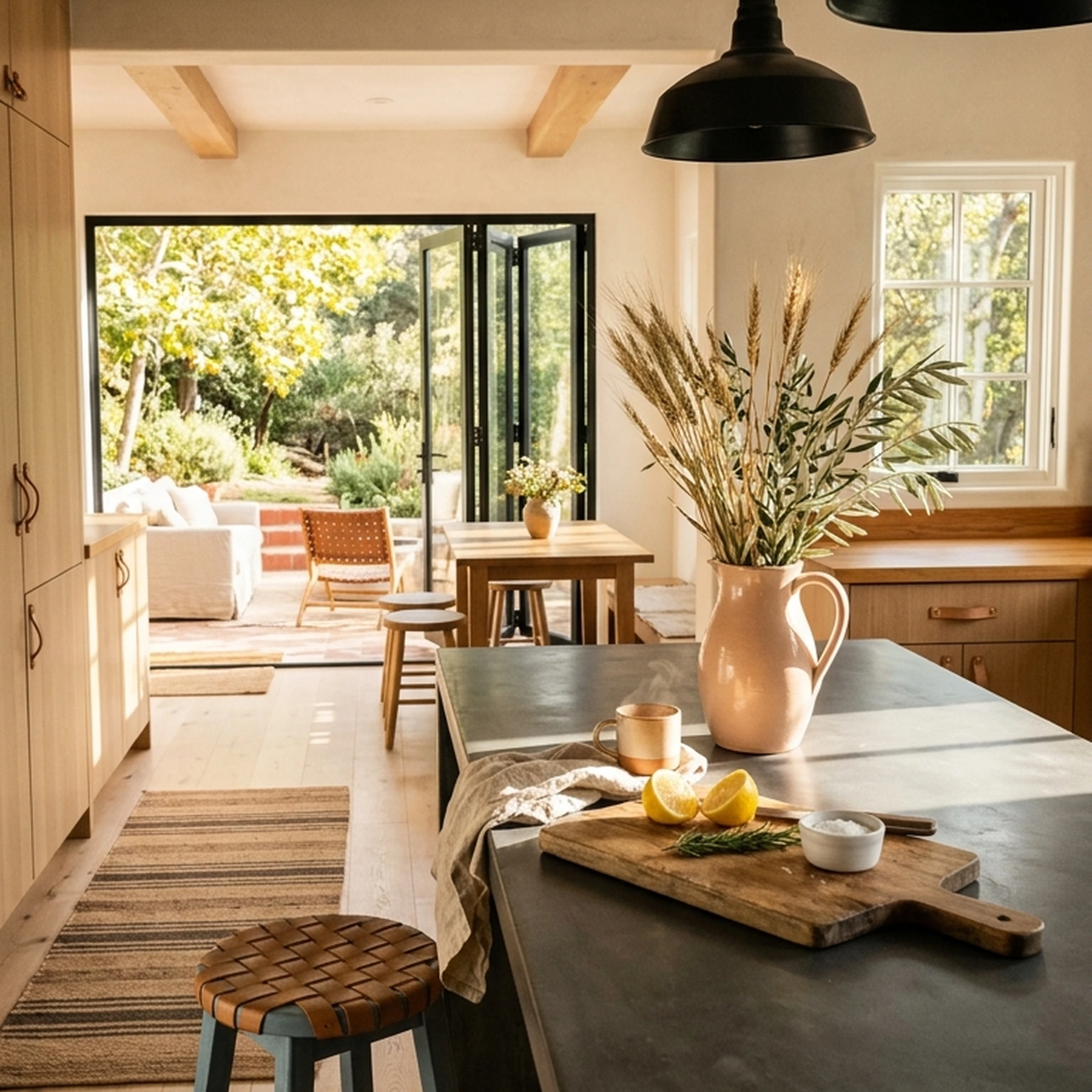
If you've watched the clips of Adele's Beverly Hills home circulate online and felt something shift, that specific pull toward warmth and intention, you're responding to something real. Her spaces don't look like a celebrity's house. They look like a very well-edited English home that somehow landed in California, and that gap between expectation and reality is the design lesson worth studying.
The reaction captured in Woman and Home's coverage of her house tour says it plainly: fans kept writing "I can't believe this is America." What they were responding to wasn't scale or price. It was warmth, restraint, and the sense that every corner had been considered rather than assembled. Those qualities are not a budget problem. They are a decision problem. And most of those decisions are more accessible than they look.
This guide breaks down the specific design principles behind Adele's spaces and shows how to apply them in a real home, whether you're furnishing a first house in Austin, refreshing a Chicago apartment, or finally committing to a living room that feels pulled together rather than accumulated.
What you'll learn:
- The color palette logic behind Adele's warm, grounded interiors and how to replicate it with paint
- Furniture selection and layout principles that produce a collected, sophisticated feel
- How to use layered lighting to shift a room from flat to cinematic
- The role of personal objects in making a space feel lived-in rather than staged
- A practical framework for selective investment across rooms and budgets
- The most common mistakes that undermine the look, and how to fix them
Key Takeaways
- Adele's interior style blends traditional English warmth with California comfort, built on warm neutrals, classic silhouettes, layered textures, and personal objects rather than statement luxury.
- Interior painting earns a Joy Score of 10 out of 10 from homeowners according to the National Association of Realtors Remodeling Impact Report, making it the highest-impact, lowest-cost starting point for any room transformation.
- Layered lighting combining ambient, task, and accent sources on warm bulbs is the single fastest way to shift a room from flat to sophisticated.
- Pulling furniture away from walls and grouping it around a focal point is a free layout change with immediate visual impact.
- The global home decor market is projected to reach USD 937 billion by 2028, reflecting how seriously design-conscious homeowners are investing in their spaces (IMARC Group).
- More than 60% of consumers report trading up in at least one product category while saving in others, according to McKinsey consumer research. In home design, this translates to investing in one or two anchor pieces per room while saving on accessories.
- Personal objects including books, inherited pieces, and curated art are what separate a room that feels lived-in from one that looks staged.
What Adele's Interior Style Actually Is

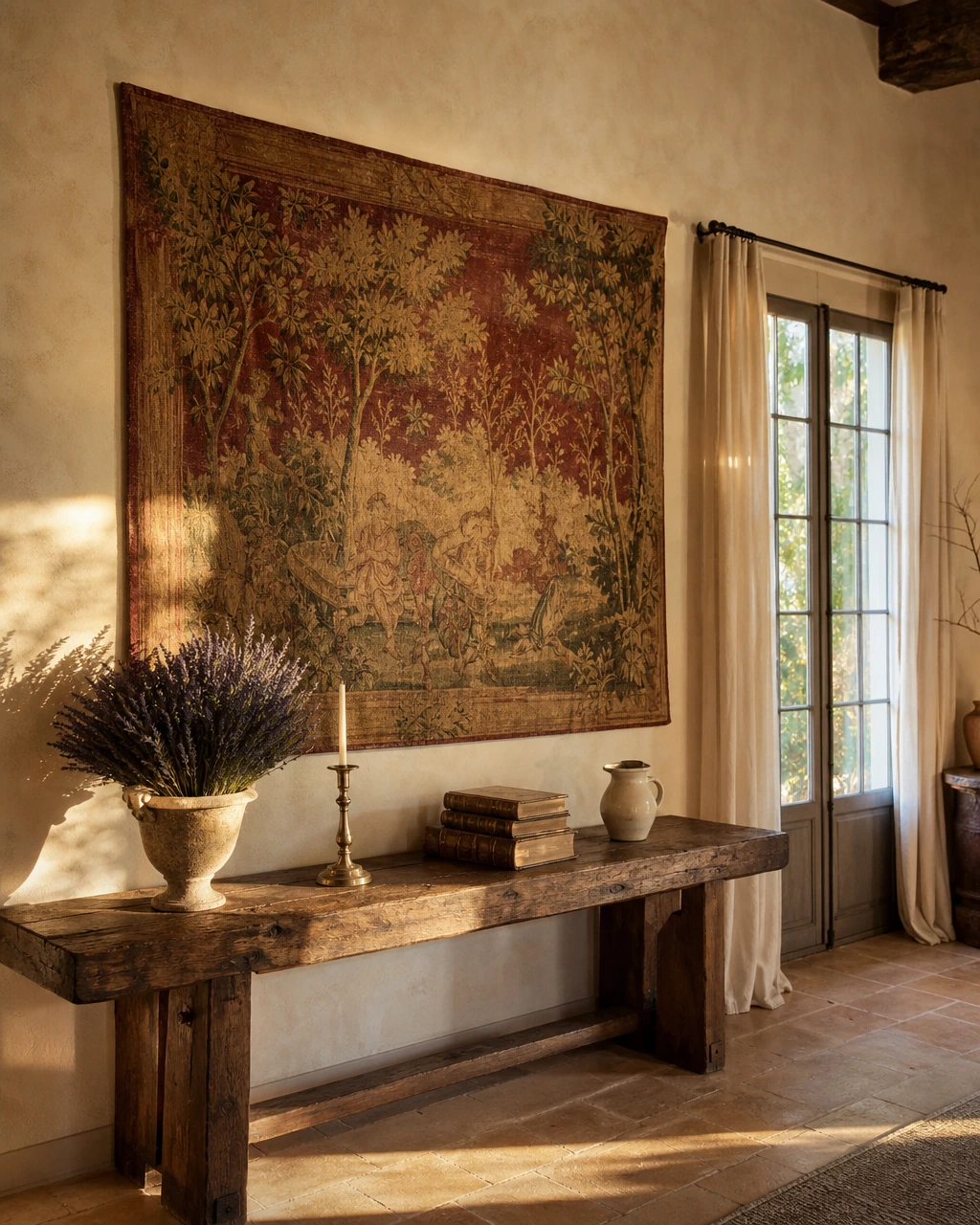
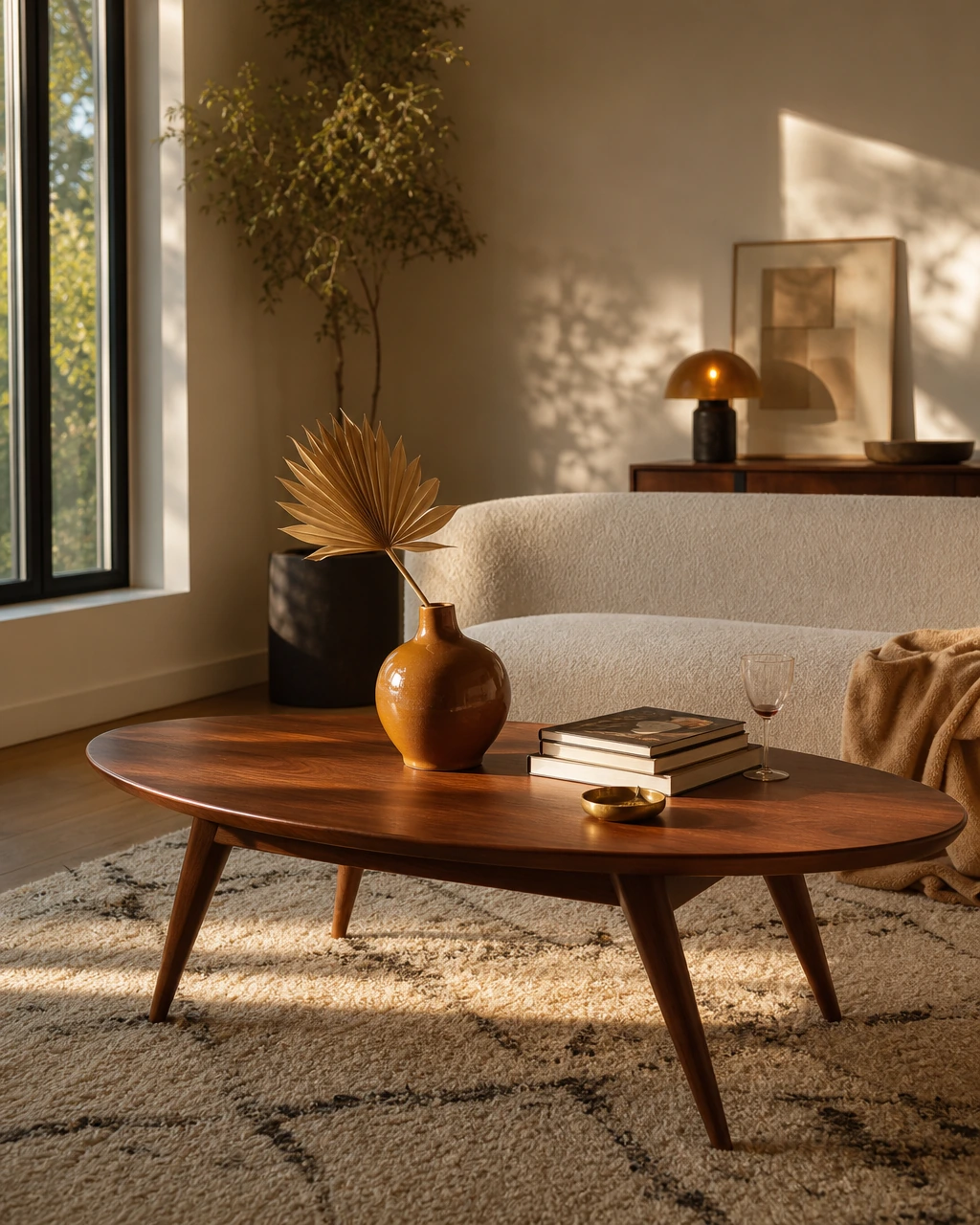
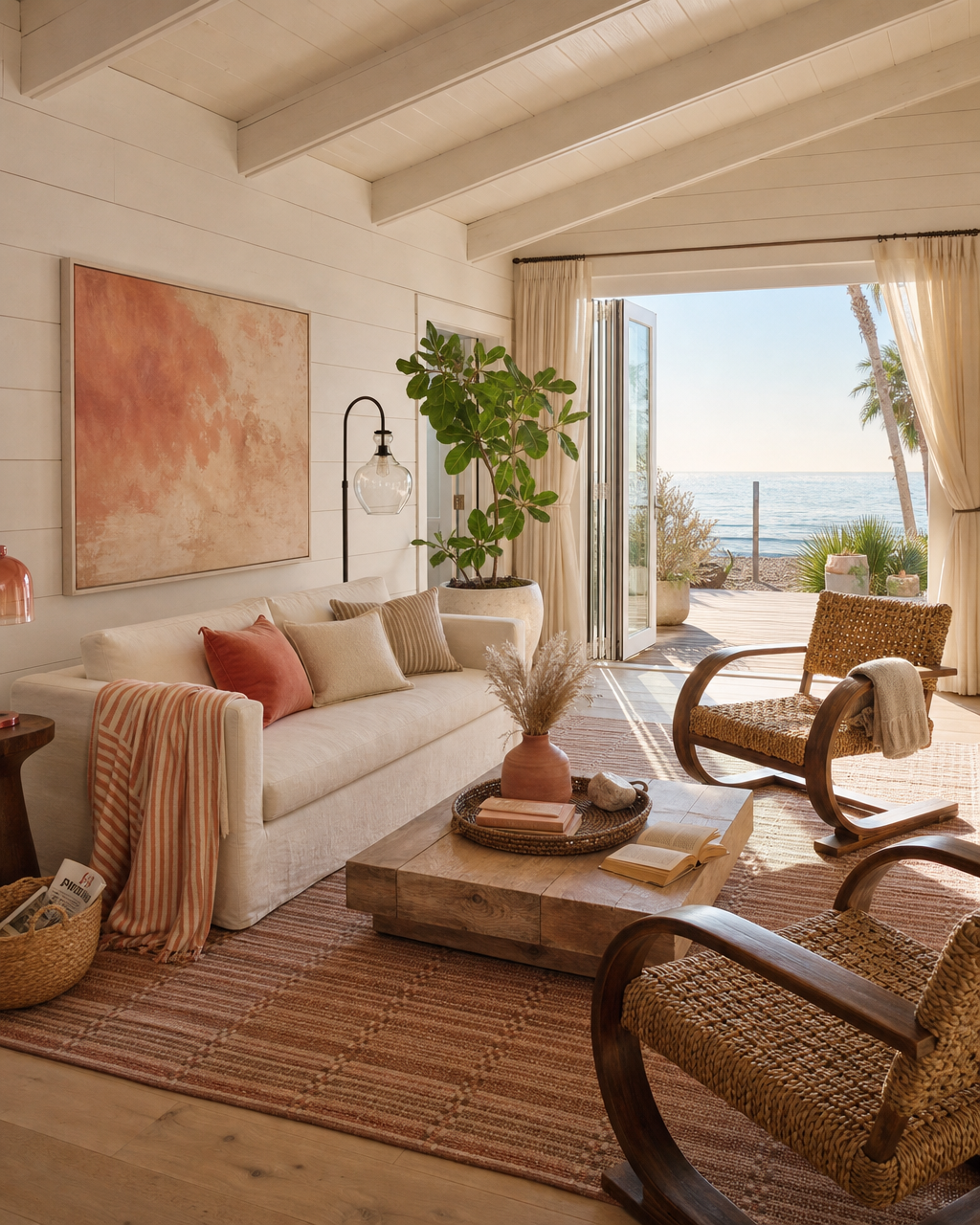
Adele's interior design aesthetic is the combination of traditional English sensibility and California comfort: warm neutral walls, classic furniture silhouettes, layered lighting from multiple sources, and personal objects that suggest a life lived rather than a room designed.
The Architectural Digest coverage of her Beverly Hills retreat shows a home that prioritizes texture, natural materials, and collected objects over minimalist showroom staging. Nothing reads as purchased in a single session. The rooms feel accumulated, which is precisely the quality that makes them feel warm.
The core elements that define her spaces:
- Warm neutral walls reading as cream, stone, or soft greige rather than stark white
- Classic furniture silhouettes with rounded edges and plush upholstery in solid colors
- Books used as both functional objects and design anchors
- Layered lighting from floor lamps, table lamps, and accent sources rather than overhead-only setups
- Personal art and objects that suggest a life lived rather than a room designed
These are not expensive principles. They are intentional ones.
The Traditional English Influence
The traditional English influence shows up in the preference for classic furniture shapes, warm wood tones, and a sense of accumulated comfort rather than curated minimalism. Think Chesterfield-adjacent sofas, bookshelves used as room dividers, and textiles layered in a way that feels collected rather than matched.
This is a style that rewards patience. You don't build it in one shopping session. You build it by choosing pieces that feel considered and adding personal objects over time.
The California Comfort Layer
What prevents the English traditionalism from feeling heavy is the California influence: natural light, open sightlines, and a relaxed quality to the furniture arrangement. Seating is grouped for conversation rather than lined against walls. Rooms feel like they're meant to be used, not preserved.
The combination is what makes the aesthetic feel livable rather than museum-like. It's a useful design principle regardless of where you live.
Why This Aesthetic Is Worth Studying Now
Design-conscious homeowners are investing more seriously in their spaces than at any point in recent memory. The U.S. home improvement market reached USD 538 billion in 2021, up from USD 406 billion in 2019, according to Harvard's Joint Center for Housing Studies "Improving America's Housing 2023" report. Owner-occupied homes account for roughly 80% of that spending, with older, higher-income owners driving most investments.
The global home decor market was valued at USD 697 billion in 2022 and is projected to reach USD 937 billion by 2028, a compound annual growth rate of approximately 5.1% (IMARC Group). That growth is being driven by rising disposable income, urbanization, and social media inspiration, all of which have raised the baseline expectation for what a well-designed home looks like.
The behavioral pattern that matters most for this guide is what McKinsey describes as selective premiumization: consumers trading up in specific categories while saving in others. More than 60% of respondents in McKinsey's consumer survey reported doing exactly this. In home design, this translates to a clear strategy. Identify the one or two pieces per room that will do the most visual work, invest there, and save on everything else.
Houzz's 2022 U.S. Home Renovation Trends Study found that 55% of homeowners renovated in 2021, with a median spend of USD 15,000. The top 10% spent at least USD 85,000. The gap between those two numbers reflects the premiumization pattern: most people are making targeted investments, not whole-room overhauls.
The Trends Survey also documented increased demand for multipurpose rooms and flexible, layered spaces, which mirrors the kind of room-within-a-room quality that defines Adele's interiors. These are not celebrity-scale aspirations. They are mainstream design priorities.
Color Palettes Inspired by Adele's Homes
A color palette is the coordinated set of colors used across walls, furniture, textiles, and decor. In Adele's homes, the palette is built on warm neutrals with depth, not the flat white that dominates most new construction.
The Interior Design 101 video from Adele Interiors makes a point that most designers echo: model homes rarely use plain white walls. They use colors that bring out the warmth of fabrics and the character of the room. White reads as a default, not a decision.
Choosing a Warm Neutral Base
The starting point for this aesthetic is a warm neutral that reads as intentional. Options that work well:
- Soft greige (a grey-beige blend) for rooms with cool natural light
- Warm cream or off-white for rooms with strong afternoon sun
- Stone or putty tones for spaces where you want depth without drama
The key is undertone. A warm neutral has yellow, pink, or red undertones. A cool neutral has blue or green undertones. Adele's spaces consistently lean warm, which is why they photograph as inviting rather than clinical.
Building Depth Through Layers
Once the wall color is established, depth comes from layering. The approach that works in her spaces and translates directly to any home:
LayerWhat It DoesWhere to SpendWall colorSets the temperature of the roomPaint (low cost, high impact)Large upholsteryAnchors the paletteInvest here: sofa, main chairRugsGrounds the furniture groupingMid-range works wellTextiles (pillows, throws)Introduces pattern and textureBudget-friendly, easy to changeAccessories and artAdds personality and color accentsMix of investment and affordable
Interior painting earns a Joy Score of 10 out of 10 from homeowners (NAR Remodeling Impact Report), the highest of any project. It's the most cost-effective place to start.
Testing Paint Colors Before Committing
Test paint samples on white cardboard and view them in morning, afternoon, and evening light before deciding. Colors shift significantly under different lighting conditions. What reads as warm greige in afternoon sun can look lavender under evening incandescent light. This is a step most people skip, and it's the reason most paint disappointments happen.
Furniture Selection for a Sophisticated, Layered Look
The furniture in Adele's homes follows a consistent logic: solid-colored large pieces, classic silhouettes, and a mix of scales that feels collected rather than matched. This is the opposite of the five-piece living room set approach, and understanding why matters for execution.
When everything in a room comes from the same collection, the room looks like a showroom floor. When pieces are chosen individually for how they work together, the room looks like it was built by someone with taste.
Choosing the Right Sofa Silhouette
The sofa is the anchor piece in any living room, and it's worth spending more here than anywhere else. For this aesthetic, look for:
- Track-arm or English roll-arm silhouettes rather than sharp contemporary profiles
- Upholstery in a solid warm neutral: linen, boucle, or a textured weave
- Proportions that feel generous without overwhelming the room
Track-arm sofas tend to work particularly well in tighter spaces because they buy back visual and physical room at the sides. For a room that already has strong architectural character, an English roll-arm adds warmth without competing.
Avoid large-scale patterned upholstery on the sofa. The interview with Adele and Estie Kessler notes that a floral sectional can make a room look like "a garden that exploded." Save pattern for pillows and accent chairs, where it adds interest without locking in the palette.
Mixing Scales and Periods
One of the most effective things you can do to make a room feel designed rather than assembled is to mix furniture from different periods and at different scales. A classic wooden side table next to a contemporary floor lamp. A vintage-style armchair alongside a clean-lined sofa. The contrast creates visual interest and signals that the room was curated rather than purchased as a set.
Chairish is a strong source for vintage and character pieces that add this quality without requiring a full antique-store budget. Mixing one or two pieces from there with newer furniture from CB2 or Crate and Barrel is exactly the kind of high-low approach that produces rooms that feel considered.
For anyone working through decision fatigue around furniture options, the principle is the same: fewer, better pieces chosen for how they work together will always outperform a room full of safe, matched selections.
Furniture Layout: Float, Don't Line
One of the most common layout mistakes is pushing all furniture against the walls. It feels like it creates more space, but it actually makes rooms feel emptier and less inviting. Floating furniture away from walls and grouping it around a focal point (a fireplace, a large window, or a significant piece of art) creates the conversation-oriented arrangement that makes Adele's spaces feel warm rather than formal.
The principle scales down well. Even in tighter spaces, pulling a sofa 18 inches from the wall and anchoring it with a rug creates a defined zone that reads as intentional. For more on furniture in small city apartments, the same floating logic applies regardless of square footage.
Lighting Design for Warmth and Ambiance
Layered lighting is the use of ambient, task, and accent lighting together to create flexible mood and functionality. It's the single most underused tool in residential design, and it's the difference between a room that feels warm at 8pm and one that feels like a waiting room.
Adele's homes consistently use multiple light sources at different heights rather than relying on overhead lighting alone. The effect is cinematic without being theatrical.
The Three-Layer Approach
A practical framework for any room:
- Ambient lighting: The general light level of the room. This can be overhead, but it should be on a dimmer. Bright overhead light at full intensity flattens a room.
- Task lighting: Directed light for specific activities. Reading lamps, desk lamps, kitchen under-cabinet lighting.
- Accent lighting: Light that draws attention to something. A picture light over art, a lamp that highlights a bookshelf, candles on a dining table.
The goal is to be able to turn off the overhead entirely in the evening and have the room still feel well-lit from the combination of lamps and accent sources.
Warm Bulb Temperature and Dimmers
For this aesthetic, use bulbs in the 2700K to 3000K range. This is the warm white spectrum that reads as inviting rather than clinical. Paired with dimmers on overhead fixtures, it gives you full control over the room's mood at different times of day.
Smart dimmer systems like Lutron Caséta work with existing fixtures and are a relatively low-cost upgrade with an outsized effect on how a room feels in the evening.
If the room already feels cold, avoid defaulting to black metal lighting fixtures. Warm wood and aged brass soften the space faster and align better with the traditional English warmth that defines this aesthetic.
Statement Pieces and Personal Objects
A statement piece is a visually dominant item that anchors a room. In Adele's homes, the statement pieces are often unexpected: a library of books, a significant piece of art, a chandelier that reads as inherited rather than purchased. The effect is personal rather than performative.
The look inside Adele's library shows how books function as both design element and personal expression. The room doesn't look like a set. It looks like someone actually lives and reads there.
Art as an Anchor
Art is one of the highest-impact, most accessible ways to elevate a room. The practical guidance from design practitioners is consistent: go larger than you think you need to. A single 30 by 40 inch print makes more impact than a gallery wall of small frames, and it's easier to execute well.
Hang art at eye level, approximately 57 inches from the floor to the center of the piece. This is the standard that makes art feel integrated into the room rather than floating above it.
For accessible sources, Minted and Chairish both offer pieces that read as considered rather than mass-produced. The goal is one piece per room that feels chosen rather than defaulted to.
Books, Objects, and the Collected Feel
Pinterest's "Hipstoric homes" trend reflects something that Adele's spaces have always embodied: the appeal of interiors that look like they've been built over time rather than purchased in a single session. Books, inherited objects, travel pieces, and personal photographs all contribute to this quality.
The practical application is to resist the urge to clear surfaces entirely in the name of minimalism. A few well-chosen objects on a bookshelf or side table signal that the room belongs to someone. That quality is what separates a room that feels warm from one that feels staged.
A Practical Framework for Selective Investment
The gap between inspiration and a finished room is where most people get stuck. You can save a hundred images of Adele's Beverly Hills home and still not know which sofa to buy or what color to paint the walls. The problem isn't inspiration. It's execution.
The selective premiumization pattern documented in McKinsey's consumer research translates directly to a room-by-room investment strategy. Identify the pieces that will do the most visual work, invest there, and save on everything else.
RoomInvest HereSave HereLiving roomSofa, lighting, one piece of artAccent pillows, side tables, throwsBedroomBedding quality, one lampDecorative accessories, small artDining roomTable, one pendant lightChairs (mix vintage with new)Home officeDesk chair, task lightingStorage, accessories
This framework produces rooms that feel expensive without requiring an unlimited budget. The key is making the investment decision deliberately rather than spreading the budget evenly across everything.
Moving from Inspiration to Purchase
The challenge with celebrity-inspired design is that the inspiration is clear but the execution path isn't. You know the feeling you want. You don't know which specific sofa, in which fabric, from which retailer, at which price point, actually produces that feeling in your specific room.
First Chair is built for exactly this moment. You can upload photos of Adele's spaces or any other interiors you've saved, describe the aesthetic direction you're after ("warm English traditional, not fussy"), and receive curated room concepts built from real, purchasable furniture across retailers including West Elm, CB2, Crate and Barrel, Pottery Barn, and Lulu and Georgia. Every piece shown actually exists and can be purchased, which matters when most AI design tools generate beautiful rooms filled with furniture that doesn't.
The platform narrows the field rather than expanding it. Instead of 47 sofa options, you get the three that actually work for your room, your aesthetic, and your budget. Insider pricing is built in on most pieces, which is relevant when you're trying to invest in one or two anchor items without overspending across the board.
Tools and Solutions for Executing This Aesthetic
The following categories cover the tools and resources most useful for bringing an Adele-inspired interior together, from visualization through to purchase.
Inspiration and Visualization Platforms
Platforms that help you gather references and test ideas before committing:
- Houzz: Design ideas, professional directories, and a product marketplace. Strong for visualizing how specific styles translate to real rooms.
- Pinterest: Mood board creation and trend discovery. Useful for building a reference library before narrowing to specific pieces.
- Architectural Digest: High-end editorial coverage of celebrity homes, including Adele's Beverly Hills properties, for style cues and layout ideas.
Paint and Color Planning Tools
Testing color before committing is non-negotiable for this aesthetic:
- Sherwin-Williams ColorSnap Visualizer: Digital tool to preview paint colors in rooms using uploaded photos.
- Benjamin Moore Color Portfolio app: AR-based color visualization for walls and trim.
- Behr ColorSmart: Online tool to test color combinations and palettes across a room.
Furniture and Decor Retailers
A high-low mix is the right approach for this aesthetic:
- CB2 and Crate and Barrel: Strong sources for classic silhouettes with modern quality. Particularly good for sofas and dining tables.
- Chairish: Online marketplace for vintage and high-end furniture. Essential for the character pieces that make a room feel collected.
- Lulu and Georgia: Consistently strong for rugs and textiles that read as considered rather than mass-produced.
AI-Assisted Design and Shopping Platforms
For moving from inspiration to a specific, purchasable room plan:
- First Chair (firstchair.app): Upload inspiration images, describe your aesthetic direction, and receive curated room concepts built from real furniture across multiple retailers. The platform pulls across West Elm, CB2, Crate and Barrel, Pottery Barn, and Lulu and Georgia, which matters when the right room rarely comes from a single catalog. Insider pricing is built in on most pieces. Designed specifically for the gap between saved inspiration and confident purchase decisions.
- Other AI visualization tools exist in this category, though most generate rendered rooms using furniture that cannot be purchased. The distinction matters when execution is the goal.
Smart Lighting and Home Tech
For achieving the layered, warm lighting that defines this aesthetic:
- Philips Hue: Smart bulbs and fixtures with dimming and color temperature control.
- Lutron Caséta: Smart dimmers and switches compatible with existing fixtures. One of the most practical upgrades for achieving evening ambiance.
Art and Print Resources
For accessible statement art that reads as considered:
- Minted: Artist-made prints with strong options in the larger formats that work best as room anchors.
- Chairish: Also a strong source for original art and vintage prints with character.
Best Practices for Recreating This Aesthetic
1. Start with Paint Before Anything Else
Paint is the easiest thing to change and one of the most powerful ways to create warmth and flow. One consistent warm neutral through common areas helps spaces read as cohesive, with accent colors introduced through bedrooms and accessories. The NAR Remodeling Impact Report confirms that interior painting delivers maximum homeowner satisfaction and strong resale benefits.
2. Anchor Large Pieces in Solid Colors
Use solid-colored large pieces like sofas and sectionals, and introduce pattern through pillows and accent chairs. A patterned sectional locks in the palette and limits future changes. A solid sofa in a warm linen or boucle gives you flexibility to evolve the room over time.
3. Invest Selectively in One or Two Statement Pieces Per Room
Splurge on a standout item (lighting, an oversized art piece, a quality sofa) and save on everything else. Larger-scale art makes more impact than many small pieces. Practitioners consistently advise hanging art at eye level, approximately 57 inches from the floor to the center of the piece, for a cohesive, integrated feel.
4. Layer Lighting with Dimmers
Use lamps, sconces, and dimmers rather than relying solely on overhead lighting. The goal is to be able to turn off the overhead entirely in the evening and have the room still feel well-lit. Efficient LED fixtures in the 2700K to 3000K range support both design flexibility and lower energy use.
5. Float Furniture Away from Walls
Pull furniture away from walls and use rugs to anchor groupings. This creates conversation-oriented arrangements that feel warm rather than formal. Even in smaller spaces, a sofa pulled 18 inches from the wall with a rug underneath reads as intentional rather than accidental.
6. Curate Personal Objects Deliberately
Books, inherited pieces, travel objects, and personal photographs are what make a room feel lived-in rather than staged. Resist the urge to clear all surfaces. A few well-chosen objects on a bookshelf or side table signal that the room belongs to someone.
7. Test Paint Samples in Real Light
Test samples on white cardboard and view them in morning, afternoon, and evening light before committing. Colors shift significantly under different lighting conditions. This step prevents the most common paint disappointment.
8. Interpret the Principles, Don't Copy the Room
Use Adele's approach as a framework: warm neutral base, traditional silhouettes, personal objects, layered lighting, furniture arranged for conversation. The goal is to understand why the rooms feel the way they do, then apply those principles to your specific space, budget, and life.
Common Mistakes That Undermine the Look
Overusing Stark White Walls
Plain white walls are a default, not a decision. They read as unfinished in rooms with warm furniture and textiles, making the space feel colder than it needs to. The fix is simple: choose a warm neutral with intention. The paint cost is minimal. The impact is significant.
Buying Large Furniture in Busy Patterns
Large-scale patterned upholstery on a sofa or sectional can quickly date a room and limit future changes in palette. Save pattern for pillows and accent chairs, where it adds interest without locking in the aesthetic.
Lining All Furniture Against Walls
Pushing furniture to walls is one of the most consistently cited layout mistakes in residential design. It makes rooms feel emptier and less inviting, not larger. Grouping pieces around a focal point and anchoring with a rug creates the warm, conversation-oriented feel that defines this aesthetic.
Relying Only on Overhead Lighting
A room lit entirely by overhead fixtures at full brightness will never feel warm, regardless of how good the furniture is. Adding one floor lamp and one table lamp, both on warm bulbs, changes the character of the room more than almost any other single change.
Ignoring Scale in Art and Rugs
Undersized art and rugs are among the most common mistakes in residential design. A rug that doesn't extend under the front legs of the furniture makes the seating arrangement look like it's floating. A small piece of art on a large wall looks like an afterthought. When in doubt, go larger.
Selecting Paint Colors Without Testing
Choosing colors solely from swatches or online images ignores how natural and artificial light affect appearance. What looks like a warm greige on a paint chip can read as lavender or pink under certain lighting conditions. Always test in the actual room before committing.
Copying Celebrity Homes Literally
The goal isn't to replicate Adele's specific rooms. It's to understand the principles behind them and apply those principles to your own space. Literal copying fails because the proportions, light conditions, and context are different. Interpreting the principles produces a room that feels personal rather than derivative.
Frequently Asked Questions
What is Adele's interior design style?
Adele's interior design style blends traditional English warmth with California comfort. The aesthetic is built on warm neutral walls, classic furniture silhouettes, layered lighting from multiple sources, and personal objects like books and art. The result feels collected and lived-in rather than staged or minimalist.
How can I recreate a celebrity home look on a realistic budget?
The most effective approach is selective premiumization: invest in one or two anchor pieces per room (typically the sofa and lighting) and save on accessories, textiles, and smaller furniture. Paint is the highest-impact, lowest-cost change you can make. Personal objects and curated art add the collected quality that makes a room feel designed rather than assembled.
What paint colors work best for a warm, sophisticated interior?
Warm neutrals in the greige, cream, or stone range work best for this aesthetic. The key is choosing a color with warm undertones (yellow, pink, or red) rather than cool undertones (blue or green). Always test samples on white cardboard in morning, afternoon, and evening light before committing to a full room.
What is layered lighting and why does it matter?
Layered lighting is the combination of ambient, task, and accent light sources used together in a single room. It matters because relying solely on overhead lighting creates a flat, uninviting atmosphere. Adding floor lamps, table lamps, and accent sources on warm bulbs in the 2700K to 3000K range transforms how a room feels in the evening and is one of the most cost-effective design upgrades available.
How do I make a room feel personal rather than staged?
Personal objects are the answer: books, inherited pieces, travel objects, and art chosen for meaning rather than trend. Resist the urge to clear all surfaces in the name of minimalism. A few well-chosen objects on a bookshelf or side table signal that the room belongs to someone, which is the quality that separates warm, inviting spaces from showroom floors.
What furniture layout mistakes should I avoid?
The most common mistake is pushing all furniture against the walls. Floating furniture away from walls and grouping it around a focal point (fireplace, window, or art) creates a more inviting, conversation-oriented arrangement. Anchor the grouping with a rug that extends under the front legs of the seating, and the room will immediately feel more considered.
Conclusion: From Inspiration to a Room You Can Actually Live In
The warmth in Adele's homes isn't a product of budget. It's a product of decisions: warm neutrals over flat white, layered lighting over overhead-only setups, furniture arranged for conversation rather than display, and personal objects that signal a life lived rather than a room designed. Those decisions are available at any price point.
The framework is straightforward. Start with paint. Invest in the sofa and one piece of lighting. Float the furniture away from the walls. Add personal objects over time. Test everything in real light before committing.
For more on the tools available for decorating a new apartment or apps for designing your space, the First Chair blog covers the practical execution side in detail.
If you're ready to move from saved inspiration to a specific, purchasable room plan, First Chair is built for exactly this moment. Upload the spaces you love, describe the aesthetic you're after, and get curated room concepts built from real furniture you can actually buy. That's the move.