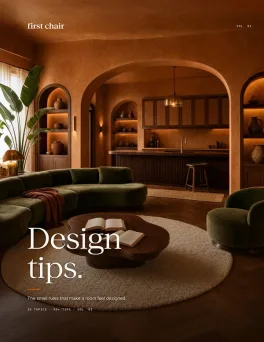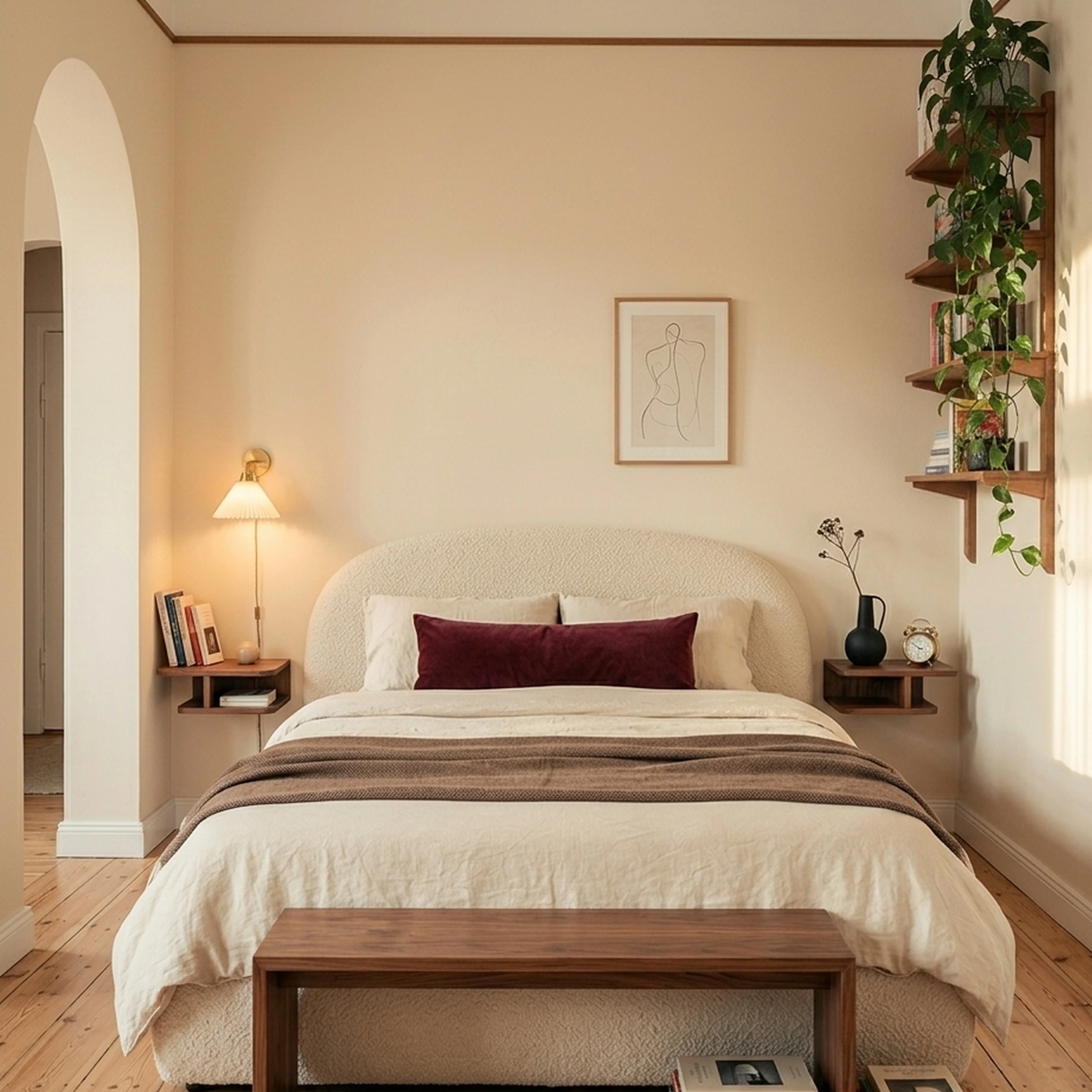

You signed your lease two months ago. The keys are in your pocket, the deposit cleared, and the living room still looks exactly like it did on move-in day: bare walls, a mattress on the floor, and 34 browser tabs of sofas you can't decide between. The Article Sven looked perfect online, but will it actually fit through that narrow hallway? And does that CB2 coffee table work with the rug you already bought, or will it clash the moment everything arrives?
This is where furniture visualizer apps earn their place on your phone. The best ones let you see pieces in your actual space before you buy, cutting through the paralysis of endless scrolling and helping you commit with confidence.
Key Takeaways
- First Chair is the only option that shows exclusively real, purchasable furniture from over 100 brands like West Elm, CB2, and Crate & Barrel, so every concept you see is something you can actually buy
- AR placement apps reduce return rates significantly, with users reporting 5-7% returns compared to the typical 15-30% for online furniture purchases
- Shopping integration separates useful from frustrating: most AI room design apps generate beautiful renders filled with furniture that doesn't exist, leaving you to hunt for lookalikes
- Free tiers vary wildly in usefulness, from unlimited renders (Homestyler) to extremely limited trials that barely let you test the concept
- Retailer-locked apps only help if you're already committed to that store's catalog, making multi-brand options like First Chair and HomeByMe more practical for most furnishing projects
The 12 Best Apps for Visualizing Furniture in Your Room
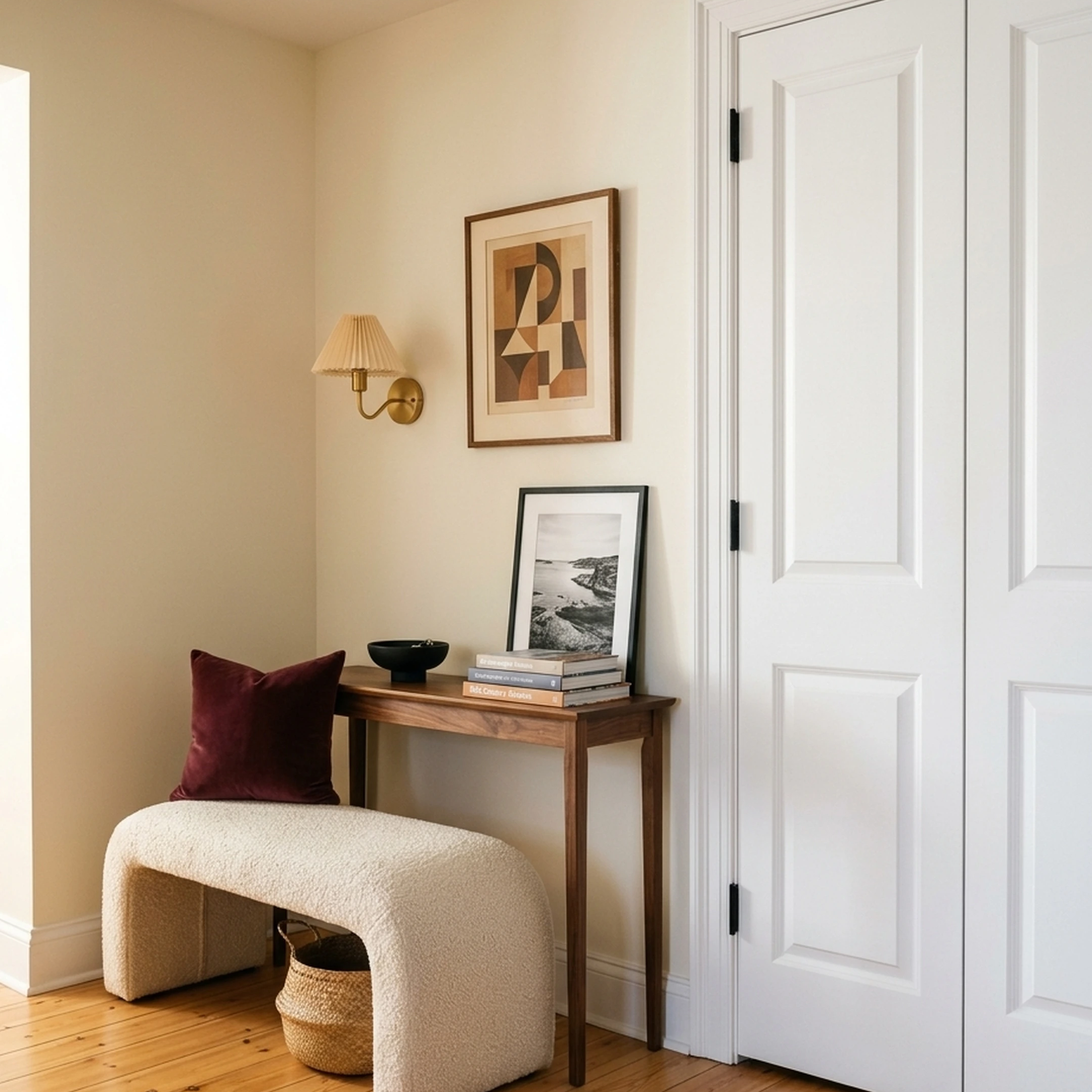
The math is simple. Online furniture returns cost retailers $890 billion annually, and those costs get baked into the prices you pay. When a velvet sectional shows up three shades darker than expected, or a dining table overwhelms a room that looked bigger in photos, someone absorbs that loss.
Visualization apps flip the equation. Wayfair reports that customers using their AR feature convert at 92% higher rates than those who don't. Houzz sees 3.4x higher purchase rates when shoppers use View in My Room. These aren't vanity metrics. They reflect real confidence that translates into fewer returns and better decisions.
The catch? Most apps stop at visualization. They'll show you a sofa in your space, but the sofa might be from a single retailer's catalog, or worse, it might be AI-generated furniture that doesn't exist anywhere. First Chair solves this by generating room concepts using only real, purchasable pieces from brands you'd actually want, then connecting you directly to checkout.
For anyone tired of overwhelming furniture options, the right visualization approach means seeing fewer, better choices that actually work together.
1. First Chair
Skip everything else if you want a furnished room, not just a pretty picture. First Chair generates complete room concepts using furniture that actually exists, from retailers like West Elm, CB2, Crate & Barrel, Article, Pottery Barn, and Lulu & Georgia.
Key Features:
- Upload a room photo or inspiration image and describe your aesthetic in plain language
- Receive curated concepts built entirely from purchasable pieces across 100+ brands
- Access insider pricing on most furniture and decor
- VIP design concierge included with membership
- 15,000+ rooms designed and growing
What it does well: First Chair interprets nuanced style direction. Tell it you want "mid-century with walnut tones and warmer leather" or "Scandinavian but less sterile," and it translates that into an actual room you can buy. The AI assists, but the output is a cohesive concept with real products, not a fantasy render.
2. IKEA Place / IKEA Kreativ
Ideal for people who already know they want IKEA furniture and need to confirm sizing before committing.
Key Features:
- AR placement of 3,200+ IKEA products using your phone camera
- 98% scale accuracy for true-to-life furniture sizing
- Visual search to find IKEA pieces similar to furniture you photograph
- Completely free with no subscriptions or in-app purchases
What it does well: IKEA pioneered AR furniture placement in 2017, and the accuracy remains best-in-class. If you're furnishing a first apartment on a budget or need a specific IKEA piece and want to confirm it fits, this delivers.
How it differs from First Chair: IKEA Place is catalog-locked to IKEA products only. First Chair pulls from 100+ brands, including higher-end options like Article, Rejuvenation, and DWR, giving you a broader range of styles, materials, and price points in one place.
3. Wayfair View in Room 3D / Decorify
Great for shoppers already browsing Wayfair who want to see specific pieces in their space before adding to cart.
Key Features:
- AR placement of furniture from Wayfair's massive catalog
- Decorify feature uses AI to restyle entire rooms with shoppable Wayfair products
- LiDAR integration for enhanced accuracy on newer iPhones
- 19% unprompted AR activation, meaning nearly 1 in 5 shoppers use it naturally
What it does well: The hybrid approach works. Use AR for individual pieces, or let Decorify reimagine your whole room in a different style. Everything shown is available on Wayfair, so there's no bait-and-switch with unavailable furniture.
How it differs from First Chair: Wayfair limits you to Wayfair's catalog. If you want a mix of West Elm, CB2, and Article in the same room, Wayfair can't help. First Chair's multi-retailer sourcing means you're not locked into one store's inventory or aesthetic.
4. Houzz
For people who enjoy browsing design inspiration and occasionally want to see if a specific piece fits their space.
Key Features:
- 25 million+ professional interior photos for inspiration
- View in My Room 3D for AR furniture placement
- Integrated marketplace with designer network access
- 45% longer sessions when users engage with AR features
What it does well: Nobody beats Houzz for sheer inspiration volume. If you're still figuring out your style, browsing 25 million photos helps. The AR feature is solid for checking individual pieces.
How it differs from First Chair: Houzz is an inspiration platform with shopping attached. First Chair is the opposite: a shopping experience that starts with your inspiration and ends with a buyable room. If you're already drowning in saved photos and need someone to just tell you what to buy, Houzz adds to the pile. First Chair curates it down.
5. REimagineHome AI
Good for real estate agents staging empty listings or homeowners who want dramatic "what if" visualizations.
Key Features:
- AI-generated room redesigns from uploaded photos
- Virtual staging for empty rooms
- Exterior and landscaping visualization
- 5 free renders to test before subscribing
What it does well: The renders look impressive. REimagineHome produces some of the most realistic AI room visualizations available, which makes it popular for real estate staging where the goal is selling a vision, not buying actual furniture.
How it differs from First Chair: REimagineHome generates AI furniture that doesn't exist. The sectional in your render might look perfect, but you can't buy it. First Chair only shows real products, so the gap between visualization and purchase is zero.
6. Planner 5D
Built for DIY floor planners who want to experiment with layouts before committing to furniture purchases.
Key Features:
- Full 2D and 3D floor plan creation
- 8,000+ furniture and decor pieces in premium tier
- AI Designer and Smart Wizard for automated suggestions
- 50 million+ downloads across platforms
What it does well: The floor planning capability is genuinely useful for understanding how furniture arrangements work before you buy anything. If you're debating whether a sectional or two chairs works better in an awkward layout, Planner 5D helps you figure it out.
How it differs from First Chair: Planner 5D is a design sandbox. The furniture in your plan is generic, not purchasable. You still need to hunt down real pieces that match your vision. First Chair skips the planning stage and goes straight to "here's the room, here's where to buy it."
7. Homestyler
Good for hobbyists who want professional-looking 3D renders without paying for professional software.
Key Features:
- 100,000+ free 3D models and materials
- Unlimited 1K resolution renders on free plan
- Photorealistic rendering engine
- Cloud-based, works in any browser
What it does well: The free tier is genuinely generous. Unlimited 1K renders with 100,000+ models means you can experiment extensively without hitting paywalls. For design students or serious hobbyists, it's hard to beat.
How it differs from First Chair: Homestyler is a design tool, not a shopping solution. You'll create beautiful renders using generic furniture models, then face the same problem: finding real pieces that match. First Chair starts with real furniture, so there's no translation step.
8. RoomGPT
For quick "what would this room look like in a different style" experiments when you're exploring options.
Key Features:
- Fastest generation times among AI room design options
- No account required for initial generations
- Simple upload-style-generate workflow
- 2 million+ users and growing
What it does well: Speed and simplicity. Upload a photo, pick a style, get a render in seconds. The no-subscription model means you only pay for what you use.
How it differs from First Chair: RoomGPT stops at the render. The furniture shown is AI-generated, so you're back to hunting for lookalikes. First Chair's concepts are immediately shoppable because every piece is real.
9. Spacely AI
Great for brainstorming room concepts when you don't have an existing room photo to start from.
Key Features:
- Generate rooms from scratch without needing a photo
- Lock color palettes and style preferences before generation
- Edit rendered rooms by adding/removing objects
- Pre- and post-generation control over results
What it does well: Creating from nothing. If you're planning a renovation or furnishing an empty space you haven't moved into yet, Spacely lets you explore concepts without needing current photos.
How it differs from First Chair: Spacely generates AI concepts with AI furniture. First Chair works from your inspiration (room photos, Pinterest saves, even cafe interiors) and outputs real, purchasable pieces. The workflow is different: Spacely is for imagining, First Chair is for buying.
10. HomeByMe
Ideal for detailed floor planning with access to real brand catalogs when you want to see actual products in your layout.
Key Features:
- Catalog includes 300+ real brands (Crate & Barrel, Pottery Barn, and others)
- Automatic shopping list generation as you design
- Full-HD photorealistic rendering
- Backed by Dassault Systèmes' professional 3D expertise
What it does well: The real brand integration sets it apart from most floor planners. You're not placing generic "sofa" models; you're placing actual products from recognizable retailers. The automatic shopping list is a nice touch.
How it differs from First Chair: HomeByMe is still a floor planning tool where you manually place furniture. First Chair generates complete concepts based on your aesthetic direction, so you're not doing the design work yourself. If you enjoy the planning process, HomeByMe works. If you want someone to just show you the answer, First Chair is faster.
11. Room Planner (iCanDesign)
Designed for mobile-first users who want quick AR placement powered by IKEA's catalog.
Key Features:
- IKEA catalog integration for AR furniture placement
- Real-time 3D view alongside AR camera mode
- visionOS support for Apple Vision Pro
- Preset room templates for quick starts
What it does well: The mobile experience is polished. If you're standing in an empty apartment trying to figure out furniture placement on the spot, it's quick to launch and use.
How it differs from First Chair: Like IKEA Place, Room Planner locks you into IKEA's catalog. First Chair's room design approach sources from 100+ brands, giving you access to Article sectionals, West Elm lighting, and CB2 accent pieces in the same concept.
12. DecorMatters
Built for design enthusiasts who want a social, gamified approach to room styling.
Key Features:
- Gamified design experience where you earn coins
- Community challenges and design contests
- AR "View in Room" capability
- Template-based room styling
What it does well: The community aspect adds motivation. If you enjoy sharing designs and competing in challenges, DecorMatters makes decorating feel more like a game than a chore.
How it differs from First Chair: DecorMatters is entertainment-focused. The furniture in your designs isn't always purchasable, and the emphasis is on creativity over execution. First Chair is built for people who want to stop designing and start living in a finished room.
The Bottom Line on Furniture Visualization
The furniture visualization space splits into two camps: apps that help you imagine and apps that help you buy. Most fall into the first category, generating impressive renders filled with furniture that exists only in AI models.
First Chair occupies different territory. Every concept uses real pieces from real brands, with insider pricing and direct purchase links. For anyone who's spent months shopping for furniture without actually buying anything, that's the difference between another saved photo and a room you can actually live in.
Frequently Asked Questions
What is the best free app to design a room?
For free floor planning with real brand catalogs, HomeByMe offers a solid starter tier. For unlimited free 3D renders, Homestyler gives you more than most paid options. But if you want a room you can actually buy, not just design, First Chair's membership includes access to 100+ brands with insider pricing that often offsets the cost.
How do augmented reality furniture apps work?
AR apps use your phone's camera and sensors to map your physical space, then overlay 3D furniture models at accurate scale. You point your camera at a spot, tap to place furniture, and see how it looks in real time. IKEA Place achieves 98% scale accuracy, meaning the virtual KALLAX shelf matches the real one within centimeters.
Can these apps really help me avoid costly design mistakes?
Yes, significantly. Houzz reports 3.4x higher purchase confidence when shoppers use AR features, and Wayfair sees 92% higher conversion rates. These numbers reflect fewer returns and better decisions. When you can see that a 90-inch sofa overwhelms your 10x12 living room before it arrives, you avoid the $200 return shipping fee.
Are the furniture pieces shown in these apps actually available for purchase?
This varies dramatically. IKEA Place, Wayfair, and Houzz show real products from their catalogs. REimagineHome, RoomGPT, and Spacely generate AI furniture that doesn't exist. First Chair is the only option that generates complete room concepts using exclusively real, purchasable furniture from multiple retailers.
How does AI enhance the furniture visualization process?
AI interprets your aesthetic preferences and generates cohesive room concepts rather than requiring you to manually place each piece. First Chair uses AI to translate descriptions like "warm minimalism with natural materials" into actual furniture selections from brands like Article, West Elm, and Rejuvenation. The AI assists with taste and curation; the output is real furniture you can buy today.