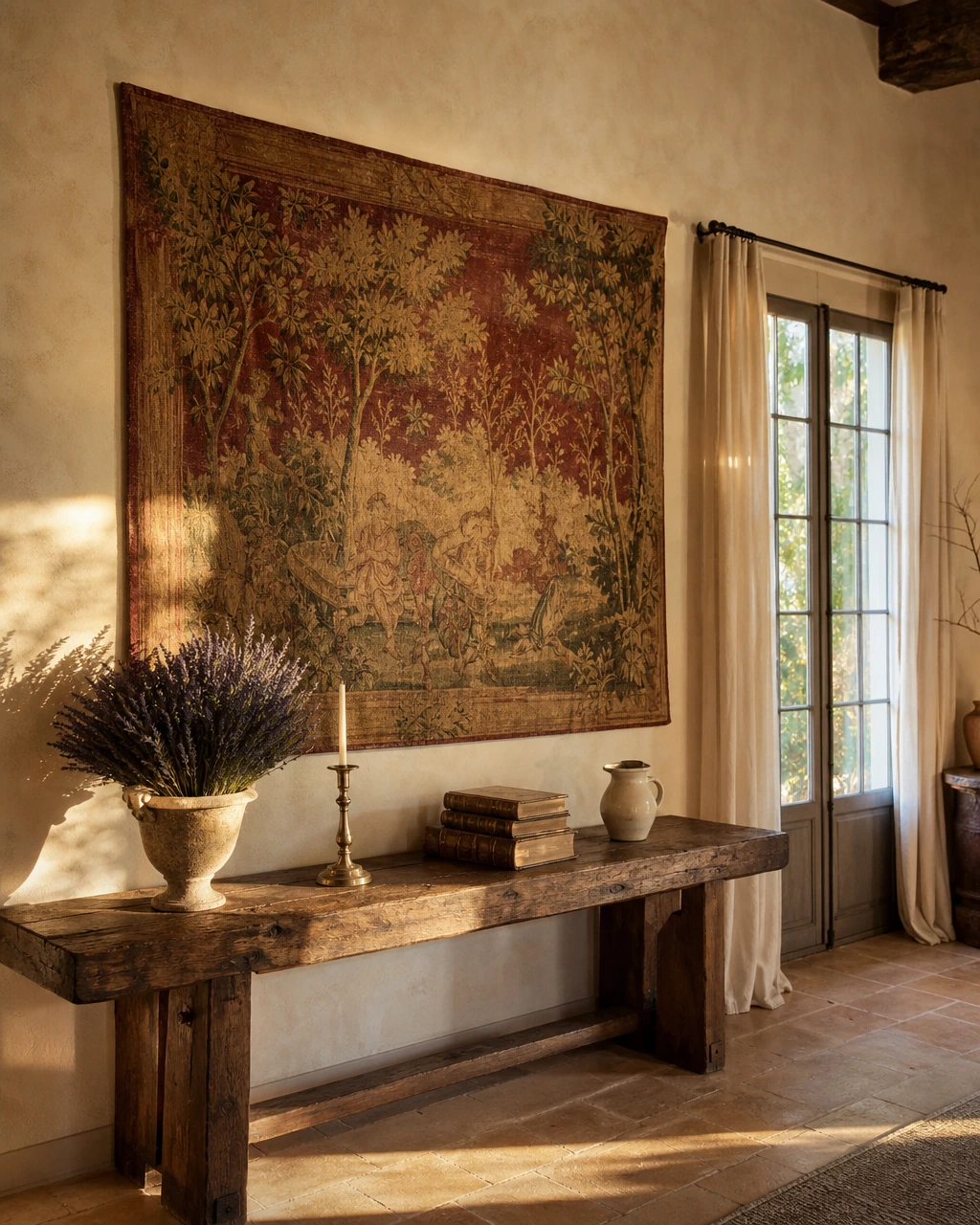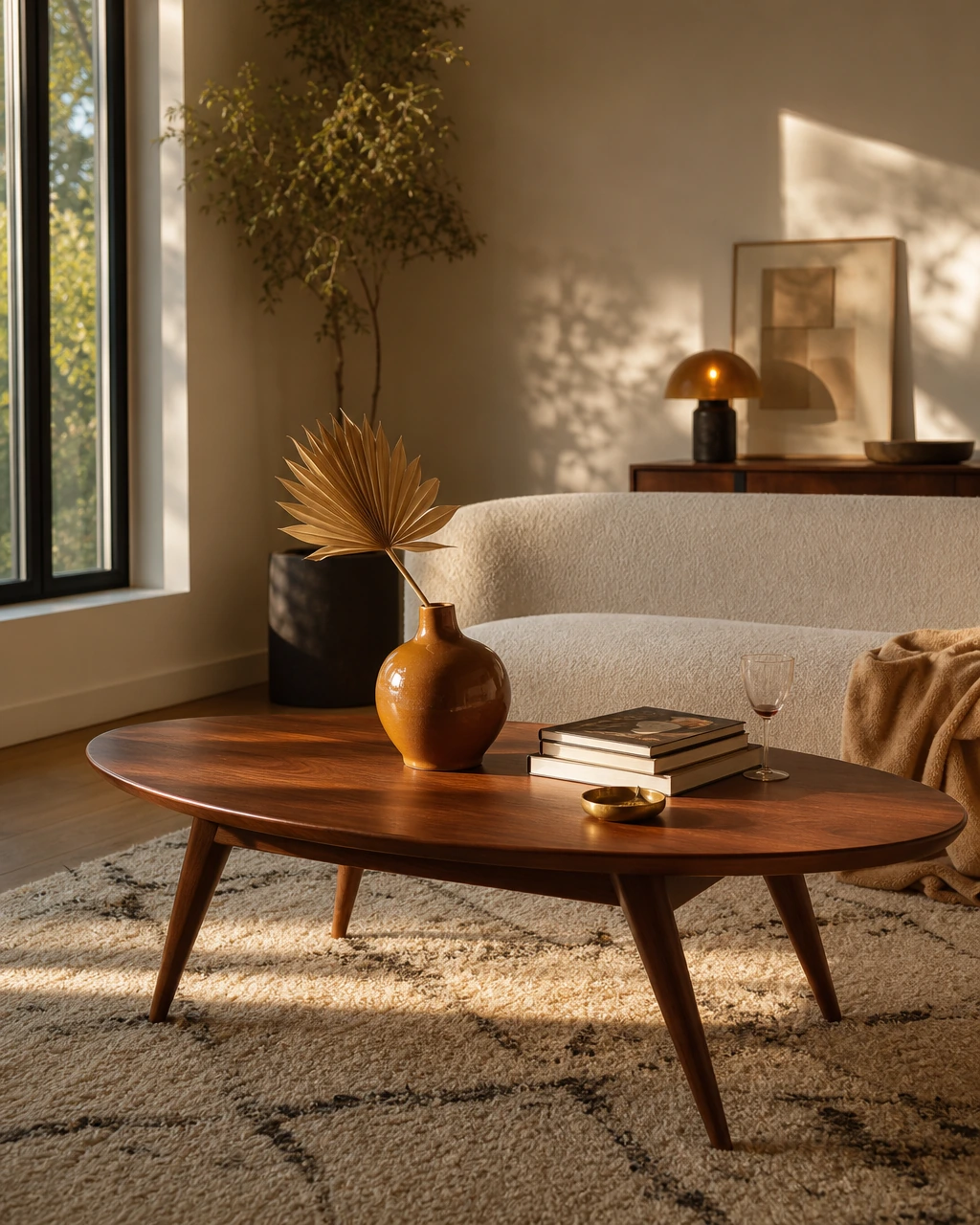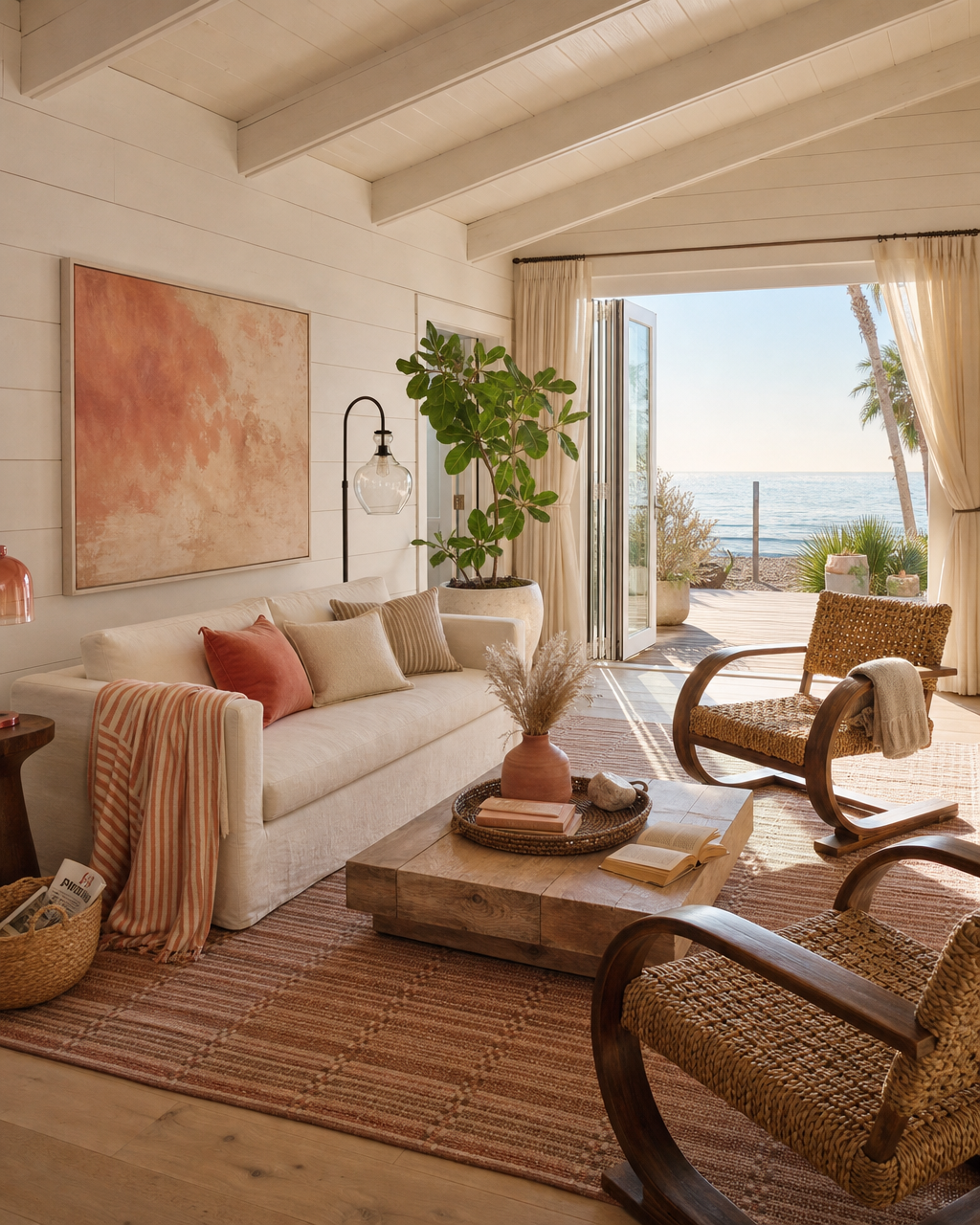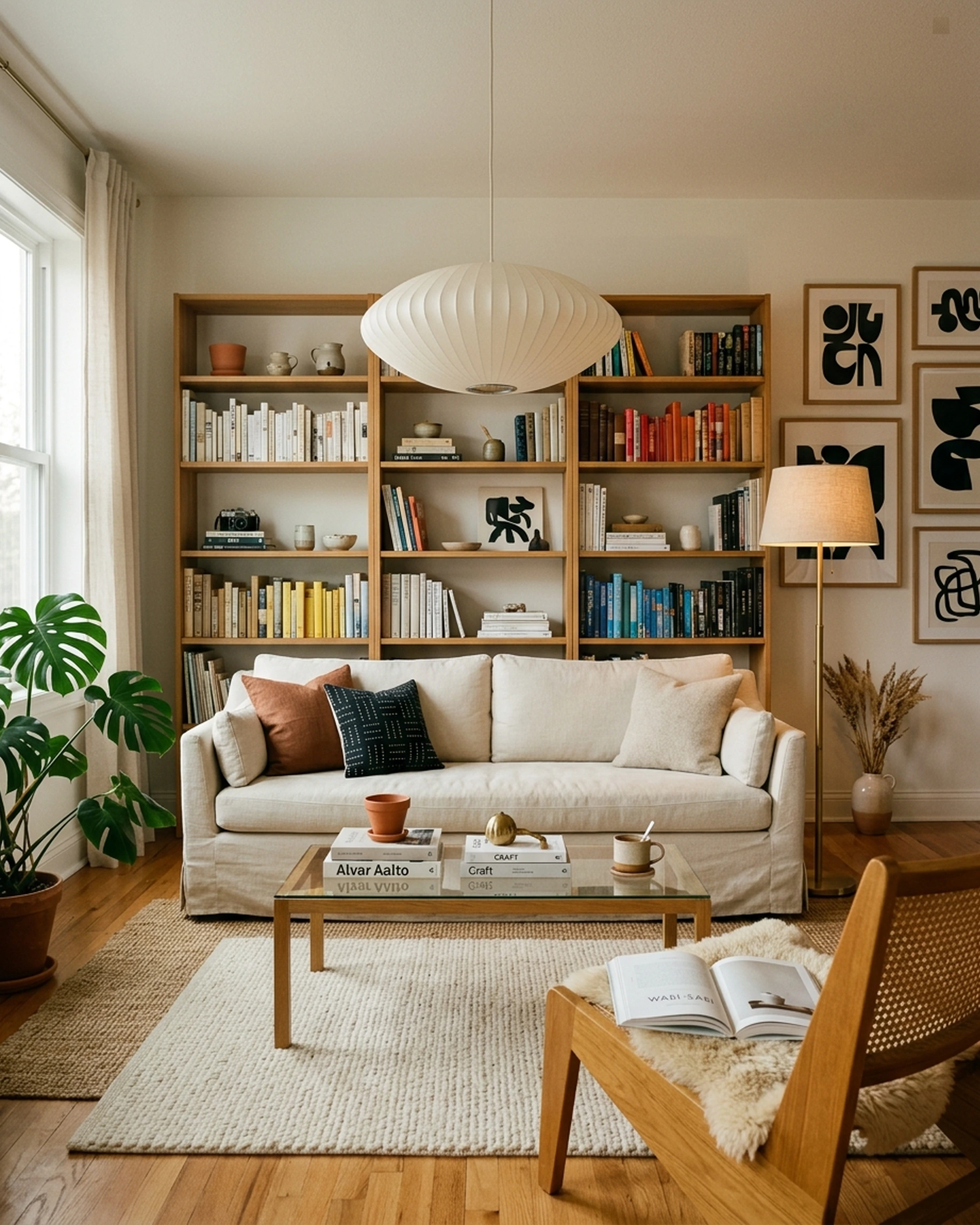

You signed the lease on your Chicago two-bedroom six months ago, and the living room still looks like a furniture staging area. The blush velvet chair you ordered sits in the corner like a question mark, surrounded by pieces that almost work together but never quite do. You know the feeling you want. You have saved forty-seven versions of it on Pinterest. The problem is not taste. The problem is that nobody has told you exactly how to execute it.
The Barbie Dream House aesthetic has moved well past nostalgia. It is now a legitimate design framework, grounded in maximalist principles that have been embraced by designers and publications that have nothing to do with Mattel. What made the Dream House compelling was never the plastic. It was the commitment: every room had a point of view, every color was intentional, every piece looked like it belonged. That is what good interior design does, and it is entirely achievable in a real apartment with real furniture and a real budget.
This guide will not tell you to paint every wall hot pink. It will tell you how to build a cohesive, personality-driven interior that captures the Dream House energy without looking themed, overwhelming your space, or creating a resale problem. Whether you want the full maximalist commitment or just a few pieces that shift the feeling of a room, the principles below apply.
What you will learn in this guide:
- How to build a Dream House-inspired color palette that works across multiple rooms
- Which furniture silhouettes and materials carry the aesthetic without reading as costume
- How to create feature walls and bold paint effects, including options for renters
- How lighting choices make or break a pink-forward interior
- How to layer decor intentionally so the room reads curated, not cluttered
- The most common mistakes that derail Barbiecore interiors before they get started
Key Takeaways
- Barbiecore interior design is grounded in maximalist principles: bold color, layered texture, and intentional pattern mixing. It is not simply about pink paint.
- Maximalism requires curated harmony, not randomness. A neutral palette does not qualify; vibrant, eye-catching colors are essential.
- Hot pink and high-gloss finishes can be polarizing and should be used as accents rather than base colors, particularly for homeowners with resale considerations.
- Powder rooms, hallways, and reading nooks are the ideal starting zones for bold color experiments before committing to main living areas.
- Peel-and-stick wallpapers, removable decals, and paint-and-primer combos make Dream House-level drama achievable for renters without permanent commitment.
- Cohesion separates a curated maximalist room from a chaotic one. Every bold choice needs a unifying thread: a shared palette, a consistent material, or a repeated motif.
- Maximalism requires editing: if something new comes in, something else may need to go. Quality and intentionality matter more than quantity.
What Barbiecore Interior Design Actually Means
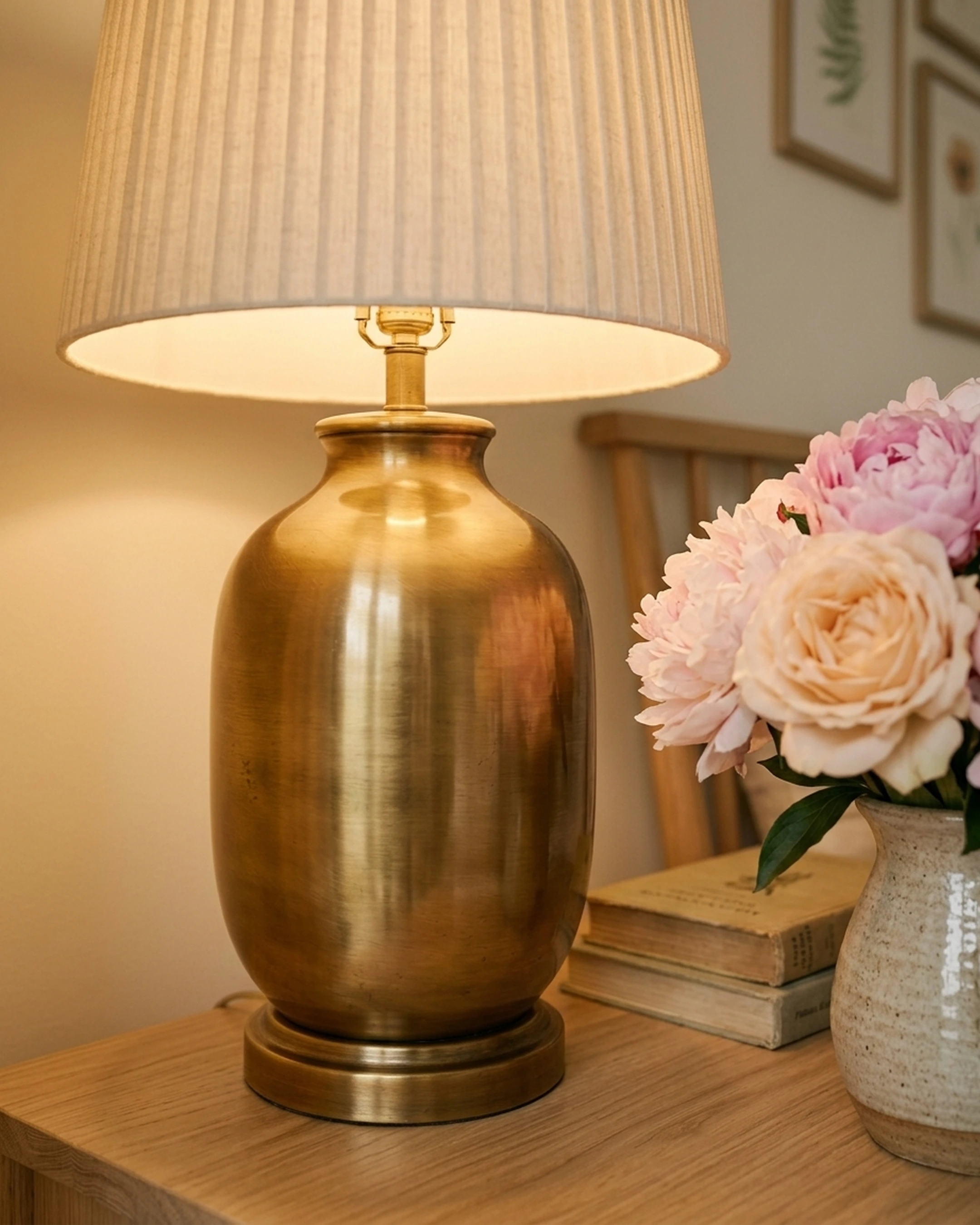
Barbiecore interior design is an aesthetic trend inspired by the Barbie Dream House, defined by pink-forward palettes, nostalgic motifs, feminine details, and playful, dreamy decor that prioritizes personality and visual boldness over restraint.
The distinction worth establishing early: Barbiecore does not mean every surface is neon pink. Designers encouraging the trend describe it as playful pinks and nostalgic motifs that reference the Dream House while staying livable. Country and Town House frames it as soft blush tones, playful pinks, feminine details, and nostalgic florals, with most homeowners adopting the look through details rather than full room overhauls.
This matters because it opens the aesthetic to a much wider range of spaces, budgets, and comfort levels. A single blush velvet chair and a warm-toned gallery wall can shift a room's feeling entirely. You do not need to commit to a hot pink sofa to get the energy right.
The Connection to Maximalism
Maximalism is the design philosophy that underpins Barbiecore. It is the "more is more" approach to interiors, built on vibrant colors, bold wallpaper, mixed patterns, ornate accents, and layered textiles. The critical qualifier: maximalism requires curated harmony rather than randomness. The distinction matters because maximalism is edited, not chaotic.
Designer Megan Hopp, quoted in Architectural Digest, is direct: "A neutral palette does not qualify as maximalist; vibrant, eye-catching colors are essential." That is the starting point for any Dream House-inspired room. The goal is not more stuff. It is more intention.
Why This Aesthetic Is Having a Moment in 2026
The broader cultural shift toward expressive, joyful interiors has been building for several years. Younger homeowners in the 25 to 45 range are pushing back against the decade-long dominance of greige minimalism. They want homes that feel personal, not staged. The Dream House, with its unapologetic commitment to color and personality, is a natural reference point for that shift.
Platforms like First Chair are built for exactly this moment. When you can describe your aesthetic as "Barbiecore but livable" or "maximalist but not chaotic" and receive a curated room concept built from real, purchasable furniture, the gap between inspiration and execution closes considerably.
Color Psychology: Building a Dream House Palette That Works
Color is the foundation of any Barbiecore interior, but the goal is not to pick the brightest pink and apply it everywhere. The goal is to build a palette that feels cohesive, emotionally resonant, and appropriate to how each room actually gets used.
Zoning Color by Room Function
Functional color zoning is one of the most practical frameworks for Dream House-inspired homes. Soft blues and greens are recommended for restful spaces like bedrooms, while more vibrant, lively colors work better for social areas like kitchens and living rooms. This means saving the boldest pinks and saturated tones for the rooms where energy and personality are assets.
A bedroom can carry the Barbiecore aesthetic through blush linens, warm white walls, and a single statement piece without feeling overstimulating. A living room or kitchen can handle more saturation because those spaces are designed for activity and conversation.
Building a Cohesive Palette Across Rooms
Palette consistency throughout a home is what separates a designed space from a decorated one. The Interior Design Institute advises using different shades or tones per room while keeping undertones aligned to create flow. For a Dream House-inspired home, this might look like the following:
The powder room and hallway entries above are intentional. These are the rooms where you can go boldest with the least risk. Playful design works best when you start in small, non-critical zones before committing to main living spaces. A powder room painted in deep magenta feels like a destination. The same room in beige feels like an afterthought.
The Hot Pink Question
Hot pink is the most recognizable element of the Dream House aesthetic and also the most polarizing. Bright orange, hot pink, and high-gloss finishes can be polarizing for buyers and are best used sparingly and tastefully in modern settings.
The practical takeaway: use hot pink as an accent, not a base. A hot pink throw pillow against a warm white sofa. A single hot pink wall in a powder room. A pink velvet chair in an otherwise neutral reading corner. These choices deliver the Dream House energy without the resale risk or visual fatigue that comes from saturation overload.
Maximalist Furniture Selection for a Dream House Living Room
The furniture in a Barbiecore-inspired room needs to do two things simultaneously: make a statement and hold together as a cohesive set. This is harder than it sounds, which is why most people either play it too safe or go too far.
Start With One Hero Piece
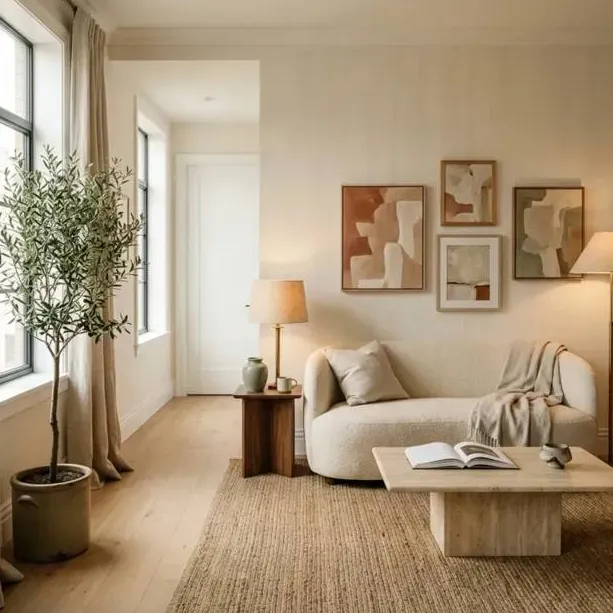
Maximalist design consistently recommends anchoring the room around a single "heroic piece," whether that is a curved sofa in a textured fabric, an ornate vintage cabinet, or a sculptural coffee table. Everything else builds around it.
For a Dream House-inspired living room, the hero piece is usually the sofa. Consider these directions:
- A curved or kidney-shaped silhouette in blush velvet or dusty rose boucle
- A tufted loveseat in a warm pink or mauve
- A statement armchair in a bold floral or geometric print
CB2 and Lulu and Georgia both carry curved and sculptural seating that reads elevated rather than costume-y. West Elm's velvet and boucle options sit at a price point that makes the commitment feel manageable without sacrificing the material quality that separates a sophisticated maximalist room from a themed one.
Layering Supporting Furniture
Once the hero piece is in place, the supporting furniture should complement without competing. A few principles that hold across maximalist rooms:
- Vary the material finish. Mix warm wood tones with metal accents and upholstered pieces.
- Keep silhouettes varied but scale balanced. A low, wide coffee table pairs well with a taller, more sculptural side table.
- Avoid matching sets. A perfectly matched five-piece living room set looks staged, not collected. The Dream House aesthetic is about pieces that feel chosen, not packaged.
- Introduce at least one vintage or antique-adjacent piece. Chairish and 1stDibs are worth browsing for the kind of ornate, personality-driven pieces that anchor a maximalist room without looking like they came from a single catalog.
Furniture That Reads Dream House Without Reading Costume
The risk with Barbiecore furniture is tipping from "playful and considered" into "themed." The line is usually drawn at scale and material quality. A blush velvet sofa from Interior Define reads sophisticated. A bright pink plastic-looking accent chair reads costume. The difference is in material weight, silhouette complexity, and surrounding context.
For small apartment furniture specifically, track-arm sofas in softer tones tend to work better than rolled-arm styles because they buy back visual space while still delivering the upholstered, plush quality that defines the Dream House aesthetic. Visible legs on furniture also help: they keep the floor plane open and prevent the room from feeling heavy.
Accent Walls and Bold Paint Techniques for Maximum Impact
The Barbie Dream House was never shy about its walls. Stripes, patterns, bold color, graphic motifs. These are achievable in real homes, and the tools available in 2026 make them more accessible than ever for both homeowners and renters.
The Case for the Feature Wall
An accent wall is a single wall in a room treated differently from the others, typically with bolder color, pattern, material, or texture, to create a focal point. Making an accent wall darker than surrounding walls is a standard professional practice for creating focal points without overwhelming the room.
The simplest version: paint one wall in a saturated color. It is a four-hour project with dramatic visual payoff, and it is the most direct path to the Dream House aesthetic without a full room commitment.
Techniques Worth Considering
The following approaches work particularly well for Barbiecore-adjacent interiors:
- Saturated single-color wall: The most direct approach. Choose a deep rose, warm coral, or dusty mauve and apply it to the wall behind the sofa or bed.
- Geometric pattern: Lowe's DIY guides describe creating diamond patterns using 4-inch and 20-inch squares, a technique that echoes the graphic, playful quality of Dream House interiors.
- Peel-and-stick wallpaper: Ideal for renters. Floral, stripe, and abstract patterns in pink-adjacent palettes are widely available and fully removable.
- Ombre or color-wash technique: Blends two tones of the same color family for a softer, more atmospheric effect that reads sophisticated rather than graphic.
- Textured wall panels: Wood slat panels or plaster-effect coatings add dimension and warmth, particularly effective in bedrooms where the goal is cozy rather than graphic.
Renters and Reversibility
One of the most significant shifts in the wall treatment space is the expansion of reversible options. Peel-and-stick decals, removable wallpapers, and projector-traced hand-painted motifs allow renters to experiment with Dream House-level drama without permanent commitment. For decorating a new apartment without structural changes, these tools make bold choices far less risky than they were five years ago.
Lighting Design to Enhance the Dream House Aesthetic
Lighting is the element most often underestimated in Barbiecore interiors. The Dream House was always well-lit, warm, and a little theatrical. Real homes can achieve the same effect with the right layering strategy.
The Three-Layer Approach
Good lighting design in any maximalist interior relies on three layers working together:
- Ambient lighting: The base layer. Warm-toned bulbs (2700K to 3000K) throughout the space create the golden, inviting quality that makes pink and blush tones read warm rather than cold.
- Task lighting: Functional but still decorative. Table lamps with sculptural bases, wall sconces with fabric shades, or pendant lights over a kitchen island.
- Accent lighting: The theatrical layer. LED strip lighting behind shelving, a neon sign in a powder room, or a statement chandelier in a dining space.
Fixture Choices That Fit the Aesthetic
The fixture itself is a design statement in a Dream House-inspired room. A few directions that work:
- Sculptural pendants in warm metals: Aged brass and antique gold read warmer and more collected than chrome or matte black. Rejuvenation and Anthropologie Home both carry options in this range.
- Rattan or woven shades: Add texture and warmth, softening the overall palette without adding more color.
- Statement chandeliers: A crystal or beaded chandelier in a bedroom or dining room delivers the Dream House glamour without requiring any other changes to the room.
- Neon signs: Used sparingly, a single neon sign in a powder room or home office reads playful and intentional. Used everywhere, it reads like a bar.
One firm opinion: if the room already feels cold or clinical, do not default to black metal lighting fixtures. Warm wood and aged brass soften the space faster and work more naturally with pink and blush palettes than any cool-toned metal will.
Incorporating Playful Decor Without Losing Sophistication
The hardest part of the Barbiecore aesthetic is the balance. Playful design is an approach that introduces fun, whimsical, or unexpected elements while maintaining sophistication, balancing vibrant and quirky features with timeless basics so the space stays stylish rather than childish.
The Editing Principle
Maximalism won't work if you simply throw random pieces together. Elements must play off each other to create a harmonious look. The editing principle that maximalist design returns to repeatedly: if something new comes in, something else may need to go. This is the difference between a curated maximalist room and a cluttered one.
Havenly's maximalism design guide frames it well: maximalism is "not noisy or haphazard" and requires editing to create balance and flow. Every piece should earn its place.
Decor Categories That Work Well
The following categories carry the Dream House aesthetic without tipping into clutter:
- Throw pillows and cushions: The easiest way to introduce pattern, color, and texture. Mix scales (large florals with small geometrics) within a shared color palette.
- Rugs: A statement rug is often the best starting point for a maximalist room. It anchors the furniture arrangement and establishes the color story before a single piece of furniture is chosen.
- Art and wall decor: Gallery walls work well in Dream House-inspired spaces, particularly when they mix framed prints, mirrors, and three-dimensional objects rather than matching frames in a grid.
- Books and collections on display: Heirlooms, books, and collected vintage treasures are personality-building elements in maximalist rooms. Display them intentionally rather than storing them out of sight.
- Greenery: Plants add organic texture that softens bold color choices. Avoid tropical-looking plants if the aesthetic is more romantic than botanical.
What to Avoid
A few specific mistakes that undermine the sophistication of a Barbiecore interior:
- Matching everything to the same shade of pink. The palette needs variation in tone and saturation to feel collected rather than themed.
- Ignoring scale. A small decorative object on a large shelf reads as an afterthought. Group smaller pieces together or choose objects with enough visual weight to hold their own.
- Skipping texture. A room that is all smooth surfaces and flat color reads flat. Velvet, boucle, rattan, ceramic, and wood all add the tactile depth that makes a maximalist room feel rich rather than loud.
For stopping furniture decision fatigue, the principle is the same: fewer, better choices made with conviction beat an endless accumulation of almost-right pieces.
Small Space Solutions for Dream House Design
The Dream House was always aspirationally large. Real apartments in cities like New York, Chicago, or San Francisco are not. The good news is that the core principles of Barbiecore translate well to smaller spaces, sometimes better than they do to large, open-plan rooms.
Why Bold Color Works in Small Spaces
Counterintuitively, bold color in a small room can make it feel more intentional and complete rather than cramped. A powder room painted in deep magenta feels like a destination. The same room in beige feels like an afterthought. The key is committing fully rather than hedging. A half-committed bold color choice reads worse than either a full commitment or a neutral.
Furniture Choices for Tight Footprints
The following principles hold for small spaces within the Dream House aesthetic:
- Choose pieces with legs rather than floor-to-ground silhouettes. Visible floor space reads as more open.
- A curved sofa or loveseat in a small living room creates a softer, more intimate feel than a boxy sectional.
- Mirrors in ornate frames add the Dream House glamour while bouncing light and creating the illusion of depth.
- Built-in or wall-mounted shelving keeps the floor clear while providing display space for the layered decor that defines the aesthetic.
The One-Room Approach
If a full Dream House transformation feels overwhelming, start with one room and do it properly. A bedroom is often the best choice because it is personal, private, and does not need to accommodate guests or resale concerns in the same way a living room does.
A blush accent wall, a statement headboard, layered bedding in complementary tones, and warm lighting can transform a generic rental bedroom into something that genuinely feels like yours. First Chair is built for exactly this kind of focused execution. Upload a photo of your bedroom, describe the aesthetic direction ("Barbiecore but sophisticated" or "maximalist but calm"), and receive a curated room concept built from real, purchasable pieces across West Elm, CB2, Crate and Barrel, Lulu and Georgia, and other retailers. The goal is not more options. It is the right options, already edited for cohesion.
Tools and Solutions for Recreating the Dream House Aesthetic
The following categories cover the practical tools and services that make a Barbiecore-inspired interior achievable in a real home.
Design Planning and Curation Platforms
Getting the room concept right before purchasing anything is the single most important step in a maximalist interior. Buying individual pieces without a cohesive plan is how you end up with a room full of almost-right choices.
- First Chair: An AI-assisted interior design and shopping platform that translates nuanced aesthetic directions like "Barbiecore but livable" or "maximalist but not chaotic" into curated room concepts built from real, in-stock furniture across multiple retailers. Unlike tools that generate fantasy renders, every recommendation is purchasable. First Chair pulls across West Elm, CB2, Crate and Barrel, Pottery Barn, and Lulu and Georgia, which matters when the right room rarely comes from a single catalog. Insider pricing is included on most pieces. Start with your room.
- Apartment Therapy: Editorial platform with actionable guidance on playful design and small-space experimentation, useful for identifying starting points before committing to purchases.
Paint, Wallcovering, and Accent Wall Solutions
The wall treatment is often the highest-impact, lowest-cost change in a Dream House-inspired room.
- Lowe's: Major home-improvement retailer with DIY guides for accent walls, textured finishes, geometric patterns, and wood panels, plus paint-and-primer products that reduce the labor involved in bold color changes.
- Peel-and-stick wallpaper brands: Widely available through multiple retailers, removable wallpapers in floral, stripe, and abstract patterns make Dream House-level drama achievable for renters without permanent commitment.
- Stoneside: Window treatment company that offers color psychology guidance and supports integrated palette decisions across paints and fabrics.
Furniture and Statement Piece Sourcing
The hero piece anchors everything else. Sourcing it from the right place matters.
- CB2 and West Elm: Primary sources for curved, sculptural, and velvet-upholstered seating that carries the Dream House aesthetic without reading as costume. Both offer pieces at price points that make the commitment manageable.
- Chairish and 1stDibs: Secondary market platforms for vintage and antique-adjacent pieces that add the collected, personality-driven quality that distinguishes a curated maximalist room from a showroom floor.
- Interior Define: Custom upholstery brand with options for boucle, velvet, and textured fabrics in blush and pink-adjacent tones.
Lighting and Decorative Fixture Sources
Lighting temperature and fixture choice are the two most underestimated variables in a Barbiecore interior.
- Rejuvenation: Carries sculptural pendants and sconces in aged brass and antique gold finishes that work naturally with pink and blush palettes.
- Anthropologie Home: Statement chandeliers, beaded pendants, and decorative lighting that delivers Dream House glamour at accessible price points.
DIY and Instructional Resources
For homeowners comfortable with hands-on projects, the following resources translate Dream House visual drama into achievable weekend projects.
- Liz Lovery's accent wall guide: Covers fifteen accent wall ideas ranging from saturated paint to decals and hand-painted motifs, framed as achievable weekend projects.
- YouTube DIY channels: Step-by-step guidance for stenciled walls, peel-and-stick paneling, ombre stripes, and gallery walls, with projector-tracing techniques for renters who want graphic motifs without permanent paint.
Best Practices for a Modern Dream House Interior
The following practices are grounded in expert design guidance and apply regardless of how far you want to take the Barbiecore aesthetic.
- Start with a cohesive color story, not random pinks. Choose colors based on how each room is used: calm hues for restful spaces, vibrant tones for social zones. Every purchase should reference the established palette.
- Anchor the room with one hero piece or feature wall before layering. Maximalism built without an anchor becomes clutter. Establish the dominant element first, then build around it.
- Layer patterns intentionally by varying scale within a shared palette. Mix large florals with small geometrics, but ensure they share at least one color. Pattern mixing without a common thread reads chaotic rather than curated.
- Use playful decor in controlled doses to maintain sophistication. Bold colors, sculptural furniture, and quirky fixtures work best when balanced with timeless basics. Neither the playful nor the classic elements should overpower the other.
- Start in small spaces or non-critical zones. Powder rooms, playrooms, and hallways can tolerate more unusual color and decor without disrupting main living zones. Use these spaces to test commitment before extending the aesthetic to a living room.
- Edit ruthlessly. Maximalism is not about accumulation. If something new comes in, something else may need to go. Prioritize quality and intentionality over quantity.
- Test colors and materials in real lighting before committing. Colors read differently under natural light, warm bulbs, and cool overhead lighting. Test paint samples and fabric swatches in the actual room before purchasing at scale.
- Match lighting temperature to the palette. Warm-toned bulbs (2700K to 3000K) make pink and blush tones read warm and inviting. Cool-white bulbs make the same palette look clinical and flat.
Common Mistakes When Recreating the Dream House Aesthetic
The following mistakes consistently derail Barbiecore interiors before they reach their potential.
Frequently Asked Questions
What is the Barbiecore interior design aesthetic?
Barbiecore is an interior design trend inspired by the Barbie Dream House, characterized by pink-forward palettes, nostalgic motifs, feminine details, and playful, dreamy decor. It sits within the broader maximalist design movement and emphasizes bold color, layered texture, and personality-driven choices. The aesthetic ranges from soft blush and floral details to fully saturated pink rooms, depending on how far you want to take it.
Do I have to use pink to achieve a Dream House-inspired interior?
No. Pink is the most recognizable element of the aesthetic, but the underlying principles are about boldness, personality, and intentional layering. Warm corals, dusty mauves, deep magenta, and even unexpected jewel tones can carry the Dream House energy. The commitment to color and personality matters more than the specific hue.
How do I make a maximalist room feel curated rather than cluttered?
Start with one hero piece or feature wall and build around it. Establish a cohesive color palette before purchasing anything, and ensure every piece references that palette in some way. Edit regularly: if something new comes in, evaluate whether something else should go. Maximalism is about intentional abundance, not accumulation.
What is the best room to start with for a Barbiecore makeover?
Powder rooms and hallways are the lowest-risk starting points because they are small, non-critical zones where bold color and unusual decor choices read as intentional rather than overwhelming. Bedrooms are a strong second choice because they are personal and private, which removes the resale and guest-accommodation considerations that complicate living room decisions.
How can renters achieve the Dream House aesthetic without permanent changes?
Peel-and-stick wallpapers, removable decals, and freestanding furniture pieces make the aesthetic fully achievable without permanent modifications. Lighting swaps (replacing fixtures or adding lamps), textile layering (rugs, throw pillows, curtains), and gallery walls using removable adhesive strips can transform a rental space significantly without touching the walls permanently.
How do I balance Barbiecore style with resale value?
Use hot pink and high-gloss finishes as accents rather than base colors. Build the room's foundation in blush, warm white, or cream, and introduce the bolder elements through furniture, textiles, and decor rather than permanent paint or wallcovering choices. Removable options preserve the aesthetic while protecting resale flexibility.
Conclusion: From Dream House to Your House
The Barbie Dream House was never aspirational because of the plastic. It was aspirational because every room had a point of view. That is the principle worth carrying into a real home: not the specific colors or the specific pieces, but the commitment to intentionality. A room that knows what it is trying to be, and executes it with conviction, will always feel better than a room full of safe, almost-right choices.
The execution gap between the room you are saving on Pinterest and the room you are actually living in is smaller than it feels. It usually comes down to one anchor piece, one committed color decision, and a willingness to edit rather than accumulate.
Start with your room at First Chair and describe the aesthetic direction you are working toward. The platform curates real, purchasable pieces across multiple retailers, already edited for cohesion, so you can move from inspiration to a finished room without the endless tabs and second-guessing that usually derail the process.