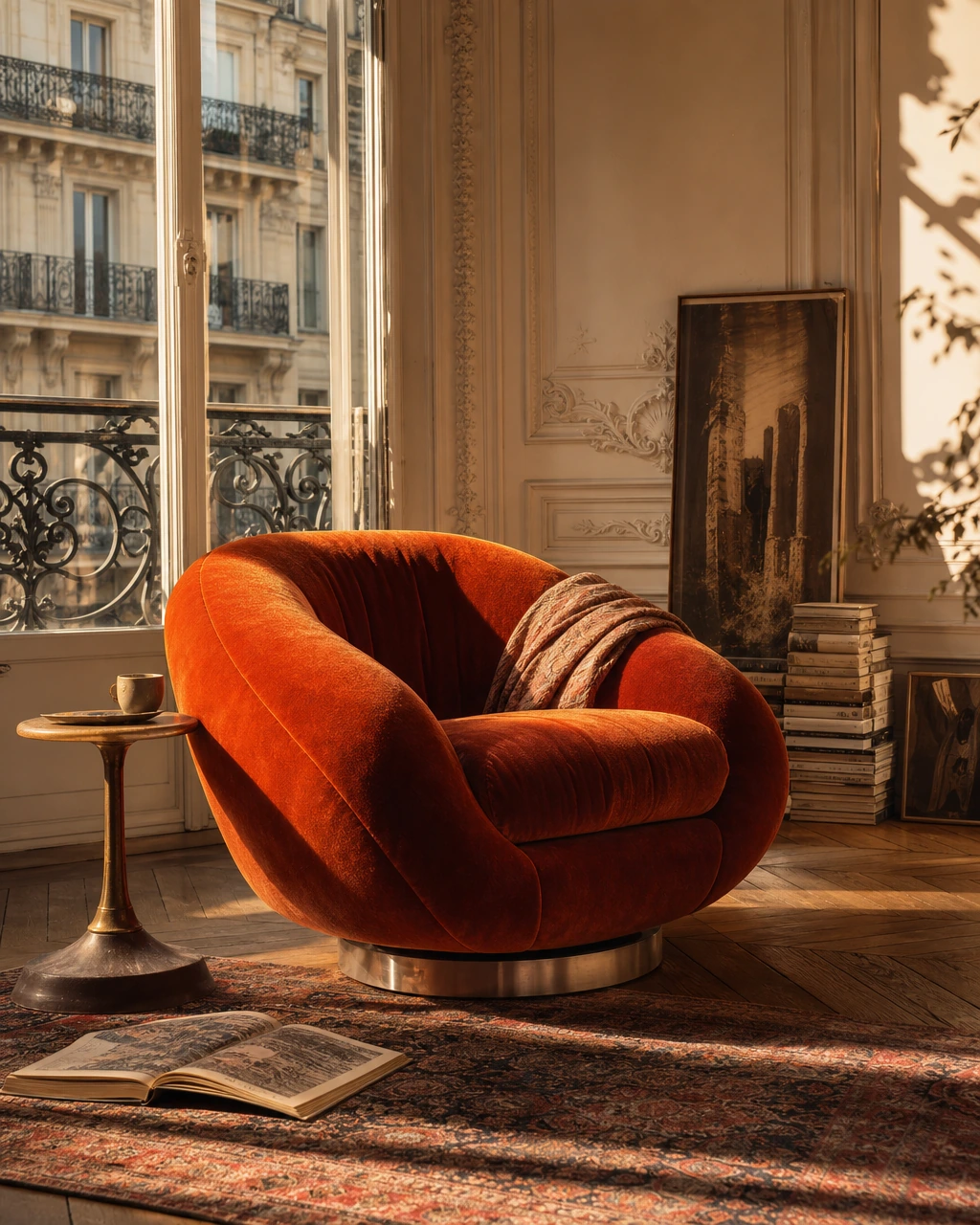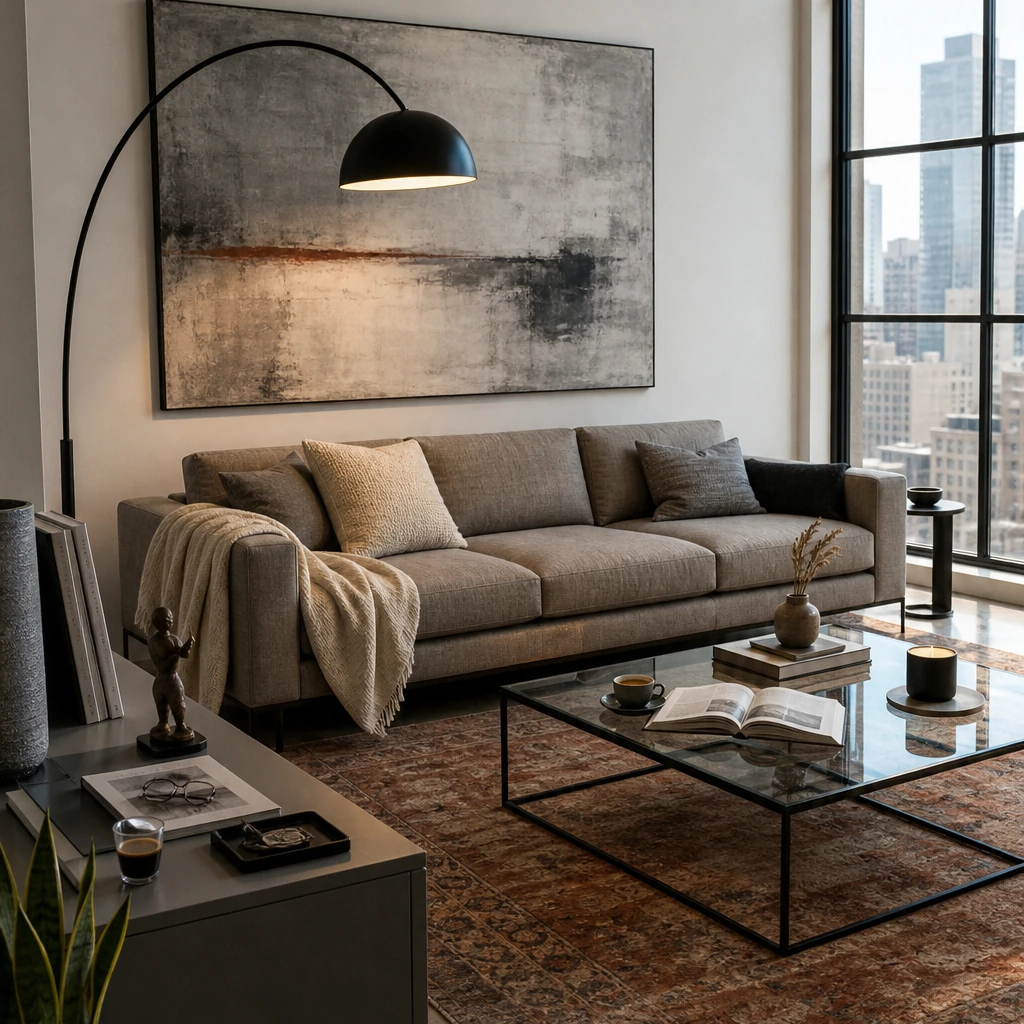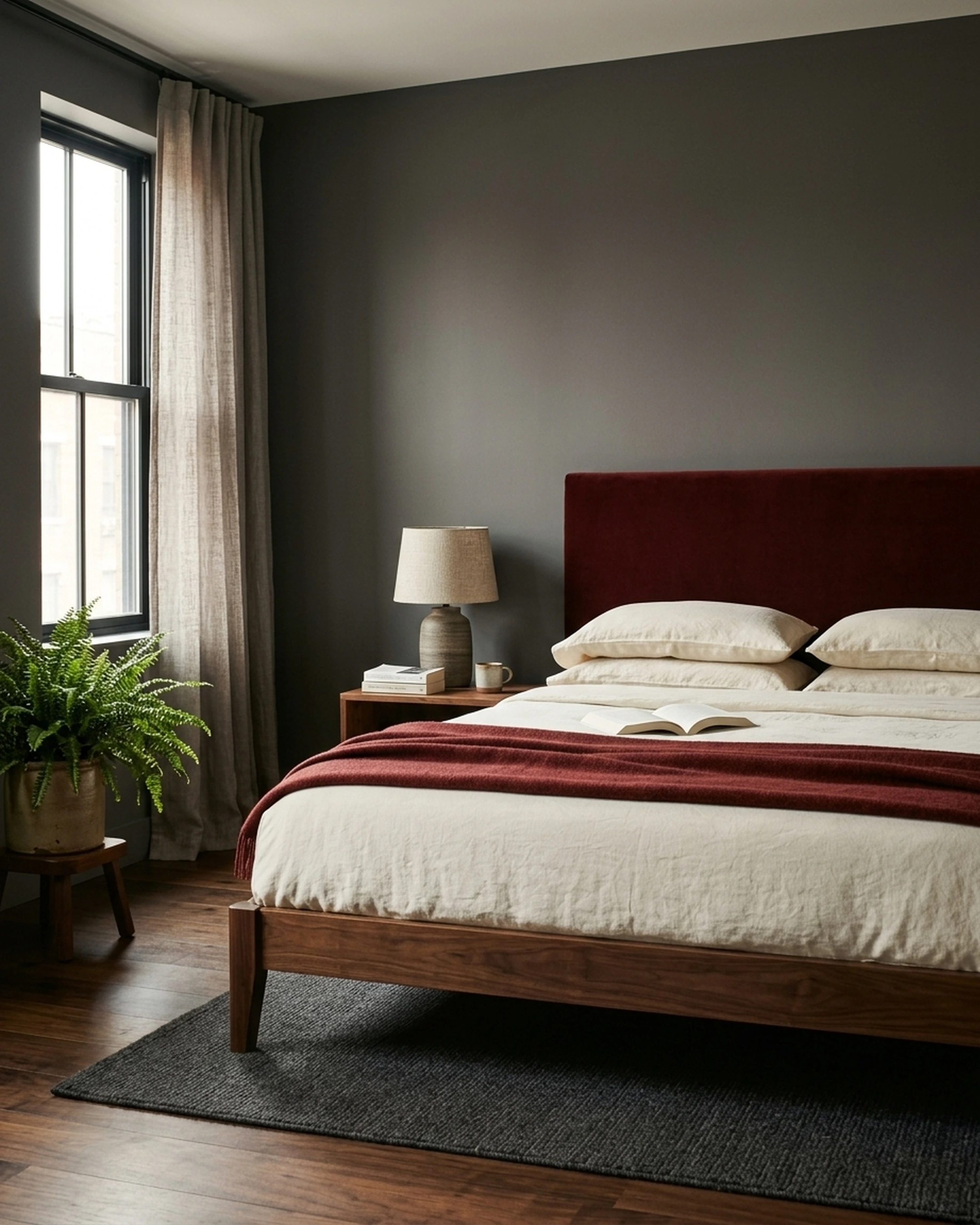

You signed a lease in Austin last spring, finally bought that first home in Denver, or realized somewhere around month 14 that the bedroom you've been sleeping in still looks exactly like it did when you moved in. The bed is there. The dresser is there. A lamp you bought in a hurry sits on the nightstand. But the room feels like a waiting room, not a place you actually want to be at the end of the day.
The fix is almost never a full renovation. Big-ticket home purchases have stalled across the U.S. as elevated interest rates and limited housing turnover push consumers toward smaller, higher-impact upgrades: paint, lighting, textiles, and a few considered pieces. That is exactly the logic that applies to bedrooms. A primary suite addition averages only 32% ROI nationally, while a well-executed paint job, a new rug, and layered lighting can transform the same room for a fraction of the cost.
This guide covers 30 bedroom decorating ideas across every major aesthetic and budget range. Each idea is grounded in what actually works in real rooms, not fantasy renders or showroom setups that fall apart the moment you try to replicate them in a 10-by-12-foot space with a window in an awkward spot.
Here is what you will learn:
- Which low-cost upgrades deliver the highest visual return
- How to approach minimalist, farmhouse, rustic, and luxury aesthetics without buying everything new
- How scale decisions in small bedrooms matter more than style decisions
- How color psychology and paint choice affect perceived room size and rest quality
- How to layer lighting like a designer without touching your electrical system
- How to pull a cohesive room together by making decisions in the right order
Key Takeaways
- Small bedroom upgrades consistently outperform large additions in ROI. A primary suite addition returns only 32% of its cost at resale, while paint, lighting, and textiles cost a fraction and deliver immediate livability gains.
- The global home decor market is projected to reach USD 862 billion in 2026, reflecting sustained consumer demand for home upgrades across all budget levels.
- Neutral wall colors are generally perceived more positively in bedrooms than strong warm or cool tones, according to a 2024 peer-reviewed study from Selcuk University.
- Layered lighting (ambient, task, and accent) is one of the highest-impact, lowest-cost bedroom upgrades available and the most consistently underused.
- Cohesion in a bedroom rarely requires buying everything new. It usually requires buying fewer, better pieces that share at least one common element: material, finish, color family, or silhouette.
- Scale decisions matter more than style decisions in small bedrooms. A piece that looks right in a showroom can make a 10-by-12-foot room feel like a storage unit.
- Most people already know the feeling they want their bedroom to have. The challenge is executing it with the right pieces in the right order, not finding more inspiration.
What Bedroom Decorating Actually Means
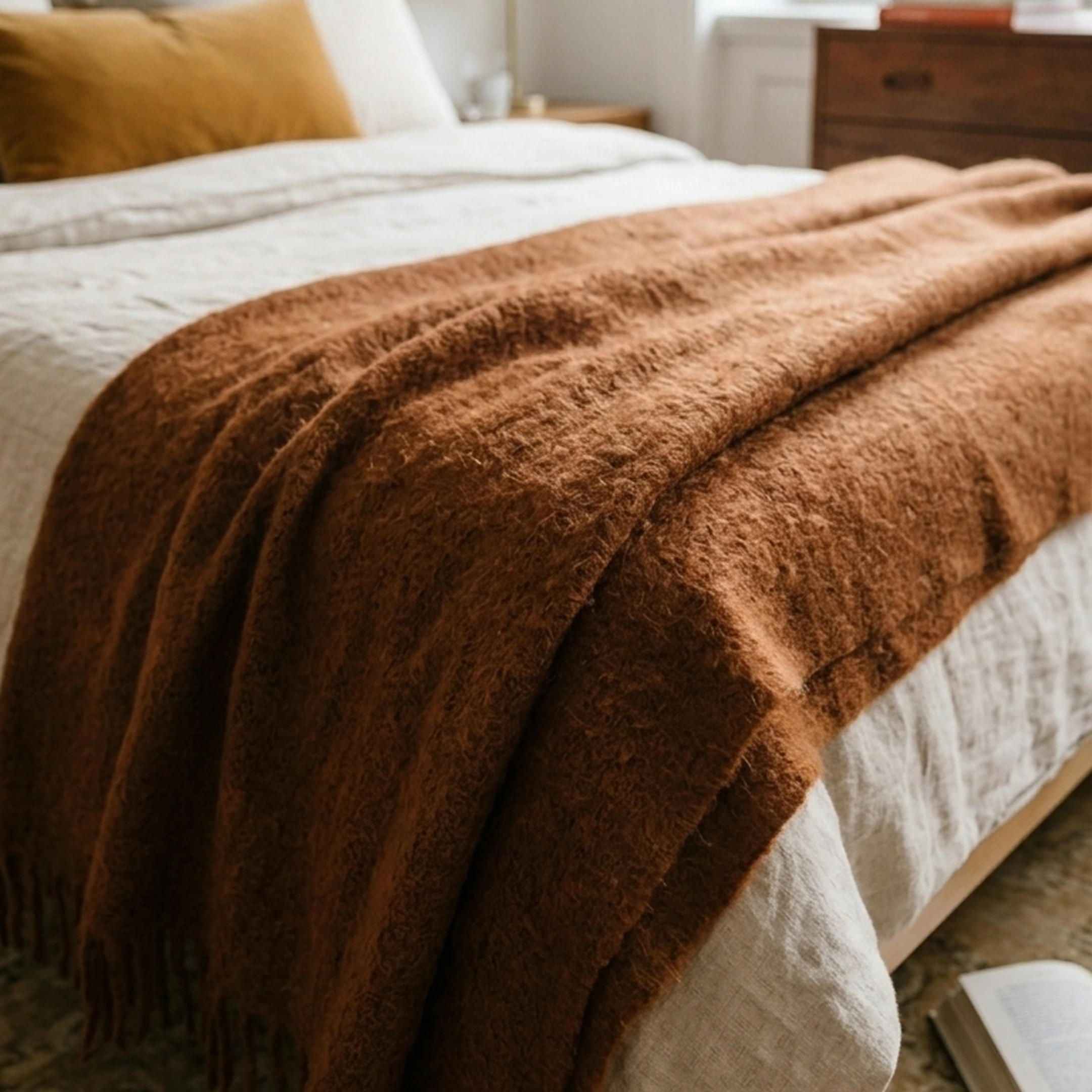
Bedroom decorating is the practice of selecting and arranging furniture, textiles, lighting, color, and accessories to create a space that supports rest, reflects personal aesthetic, and functions well within its physical constraints.
That definition sounds obvious, but it contains the most important word in bedroom design: constraints. Unlike a living room, which is a social and functional space, a bedroom is almost entirely personal. It needs to work for sleep, for getting dressed, for winding down. Every decorating decision should serve those functions first and aesthetics second.
The global interior design market reached USD 185.7 billion in 2025 and is projected to grow to USD 298 billion by 2033, driven in large part by residential renovation demand. Within that, the residential renovation segment accounts for roughly 25.3% of revenues, growing at 5.9% annually. The demand is real. The challenge is channeling it toward decisions that actually improve how a room feels to live in.
Why Bedroom Upgrades Matter More Now
Consumer spending patterns have shifted in a way that directly validates the bedroom-refresh approach. Rather than committing to large structural projects, homeowners and renters are investing in smaller, higher-frequency upgrades that improve daily comfort without requiring financing or major disruption.
The data supports this clearly. Furniture and mattress spending declined in 2025 while décor and essential maintenance held up, with millennial homeowners aged 25 to 44 increasing their share of home improvement spending. The bedroom is the room most likely to benefit from this pattern: it is private, personal, and responsive to relatively modest changes.
From a financial perspective, the ROI data is instructive. A midrange primary suite addition costs an average of USD 170,517 and adds USD 55,097 in resale value, yielding 32% ROI. An upscale version costs USD 351,613 and returns only 18%. By contrast, a full bedroom repaint costs under USD 200 in materials and delivers immediate livability improvement with no depreciation risk.
The home decor market is projected at USD 862 billion in 2026, with growth driven by consumers who want durability, comfort, and functionality, not just visual appeal. That shift in consumer values aligns exactly with what makes a bedroom feel genuinely good to be in: warmth, texture, considered lighting, and pieces that work together rather than compete.
Budget-Friendly Bedroom Decor: High Impact, Low Spend
Budget-friendly bedroom decorating means prioritizing changes that shift the entire feel of a room without requiring new furniture. The highest-return moves cost under USD 200 and take a weekend.
Paint: The Fastest Room Reset
A gallon of quality interior paint runs USD 40 to USD 70. A full bedroom repaint in materials typically costs under USD 200. The visual impact is immediate and total, which is why paint is the single highest-return bedroom upgrade available.
Color choice matters more than most people expect. A 2024 peer-reviewed study on bedroom wall color perception found that neutral wall colors are generally perceived more positively than strong warm or cool tones. That does not mean beige. It means colors with enough warmth or depth to feel intentional without overwhelming the space.
Good starting points for bedroom paint:
- Warm white with a cream or linen undertone (Benjamin Moore White Dove, Sherwin-Williams Alabaster)
- Soft greige that reads warm in natural light
- Deep, muted tones like dusty sage or warm charcoal for a single accent wall
Skip bright white if the room gets cool northern light. It will read cold and clinical, which is the opposite of what a bedroom needs.
Textile Swaps That Change the Whole Room
New bedding, a throw, and two pillow covers can shift a bedroom's personality for under USD 150. The key is treating the bed as the room's anchor and building texture around it rather than matching everything to a single coordinated set.
What works in practice:
- A linen duvet cover in a warm neutral as the base layer
- One or two textured throw pillows in a contrasting material (boucle, velvet, or woven cotton)
- A chunky knit or waffle-weave throw draped at the foot of the bed
- A rug that adds warmth underfoot and grounds the furniture arrangement
Avoid the matching bedroom set. Coordinated sets tend to read as staged rather than lived in, and they make it harder to update the room incrementally over time.
Declutter Before You Decorate
The most skipped idea in bedroom decorating is also the most effective. A bedroom with too much visual noise will never feel calm, regardless of how good the individual pieces are. Before buying anything, remove what does not belong: the chair that holds clothes, the stack of books on the floor, the extra pillow that does not go with anything.
Editing is a design move. The room often improves before a single new piece arrives.
Modern Minimalist Bedroom Design Ideas
Modern minimalist bedroom design is defined by restraint: fewer pieces, cleaner lines, and a deliberate relationship between furniture and empty space. The goal is a room that feels calm because it has room to breathe.
The Case for Fewer Pieces
The most common minimalist mistake is buying minimal-looking furniture but still filling every surface. True minimalism is about spatial breathing room. The bed, one or two nightstands, and a single storage piece are usually enough for a primary bedroom.
Pieces that work well in a minimalist bedroom:
- A platform bed with a low profile and a clean upholstered or wood headboard
- Floating nightstands that keep the floor visible
- A single wide dresser rather than multiple smaller storage pieces
- Recessed or wall-mounted lighting to eliminate table lamp clutter
CB2 and Room and Board both carry minimalist bedroom furniture that holds up in real apartments without tipping into cold or sterile territory.
Warm Minimalism vs. Cold Minimalism
There is a meaningful difference between minimalism that feels calm and minimalism that feels empty. The warm version uses natural materials: oak or walnut wood tones, linen upholstery, woven textiles, and matte finishes. The cold version defaults to white walls, chrome hardware, and high-gloss surfaces.
If the goal is a bedroom that feels restful rather than clinical, lean toward warm minimalism. One piece of natural wood, a linen duvet, and a jute or wool rug will do more for the room's comfort than any amount of white paint.
Minimalist Bedroom Color Palette
A minimalist bedroom palette typically works in a narrow tonal range: two or three colors that are close in value but different in texture. Think warm white walls, natural linen bedding, and a slightly deeper warm wood floor or rug. The contrast comes from material and texture, not color contrast.
Cozy Farmhouse and Rustic Bedroom Styles
Cozy farmhouse bedroom design prioritizes warmth, texture, and a sense of collected-over-time character rather than showroom perfection. The aesthetic works when it feels genuinely lived in, not assembled from a single catalog.
What Makes a Farmhouse Bedroom Feel Authentic
Authenticity in the farmhouse aesthetic comes from mixing materials: reclaimed wood alongside linen, iron hardware alongside soft cotton, vintage finds alongside new pieces. The room should look like it evolved rather than arrived all at once.
Key elements that carry the aesthetic:
- A wood headboard with visible grain or a simple shiplap-style panel behind the bed
- Layered bedding in cotton, linen, or quilted textures
- Warm, low-wattage lighting (Edison bulbs, ceramic table lamps, or woven pendant shades)
- A vintage or vintage-style rug with some pattern and warmth
Pottery Barn and Crate and Barrel both carry farmhouse-adjacent bedroom pieces that read warm without veering into kitschy territory.
Rustic Bedroom Ideas for Renters
Renters can achieve a rustic feel without touching the walls. A wood-framed bed, a woven area rug, and a few carefully chosen accessories (a ceramic lamp, a linen throw, a small wooden tray on the nightstand) will carry the aesthetic without requiring any permanent changes.
The one thing renters consistently overlook: lighting. Swapping out a builder-grade overhead fixture for a plug-in pendant or a pair of warm-toned table lamps changes the room's entire atmosphere after dark. This is a reversible change that costs under USD 100 and has an outsized effect on how the room feels.
Mixing Rustic with Modern
The most livable version of rustic bedroom design usually includes at least one modern element to keep it from feeling heavy. A clean-lined nightstand alongside a reclaimed wood headboard. A simple white duvet under a patterned quilt. The contrast keeps the room from reading as a period piece and makes it easier to update over time.
Luxury Bedroom Decorating for High-End Budgets
Luxury bedroom decorating is not about spending the most money. It is about investing in fewer, better pieces that hold their quality and visual weight over time, and saving on everything else.
Where to Spend and Where to Save
The bed frame and mattress are worth the investment. These are the pieces you interact with every day, and quality shows in both comfort and longevity. A well-made upholstered bed from Interior Define or a solid wood frame from Room and Board will outlast three rounds of budget alternatives.
Where you can save without sacrificing the look:
- Bedding: high-quality linen duvet covers are available at West Elm and CB2 for under USD 200
- Decorative accessories: a single good ceramic lamp or a well-chosen piece of art does more than a collection of mediocre pieces
- Rugs: a natural fiber rug from Lulu and Georgia or Serena and Lily reads expensive without the price tag of a hand-knotted antique
Investment Pieces Worth the Price
The following table shows which bedroom pieces tend to justify higher spend and why.
Luxury Bedroom Lighting
Layered lighting is the single most underused luxury upgrade in residential bedrooms. Most bedrooms rely on a single overhead fixture, which creates flat, unflattering light with no flexibility for mood or function.
A properly layered bedroom uses ambient lighting on a dimmer, task lighting at shoulder height for reading, and accent lighting at lower levels to add warmth and depth. The combination creates a room that can shift from functional to genuinely relaxing without changing a single piece of furniture.
Small Space Bedroom Solutions and Space-Saving Tips
Small bedroom design is a distinct challenge from large bedroom design. The rules are different, and most general decorating advice does not account for the constraints of a 10-by-12-foot room.
Scale Is the Most Important Decision
In a small bedroom, scale matters more than style. A sofa that looks perfect in a showroom can make a small bedroom feel like a storage unit. The same principle applies to beds, dressers, and nightstands. Getting scale right is the prerequisite for everything else.
Practical scale rules for small bedrooms:
- Choose a bed frame without a footboard to visually extend the room
- Use floating nightstands instead of floor-standing ones to keep the floor visible
- Select a dresser that is taller rather than wider to use vertical space efficiently
- Avoid rugs that are too small: a rug that does not extend past the sides of the bed makes the room feel cramped rather than cozy
For a deeper look at this, the furniture for small apartments guide covers scale decisions in detail, including how to measure before you buy and what to prioritize when the room has awkward proportions.
Storage Solutions That Do Not Look Like Storage
The best small bedroom storage is invisible or doubles as decor. Options that work in practice:
- Under-bed storage frames with built-in drawers
- Ottomans at the foot of the bed with interior storage
- Floating shelves above the nightstand for books and small objects
- A wardrobe with mirrored doors to reflect light and visually expand the room
Color and Light in Small Bedrooms
Small bedrooms benefit from light, warm colors on the walls and ceiling. This does not mean white. A soft warm greige or pale sage will read airy without feeling sterile. The ceiling should match the walls or go slightly lighter, never darker, to avoid lowering the perceived ceiling height.
Natural light should be maximized. Heavy curtains that block light during the day make a small bedroom feel smaller. Sheer linen panels that filter light while maintaining privacy are the practical choice for most small bedrooms.
Color Psychology and Paint Ideas for Bedrooms
Color psychology in bedroom design refers to how wall color affects mood, perceived room size, and the quality of rest the space supports.
Colors That Support Rest
Research consistently points toward muted, low-saturation colors as the most restful choices for bedrooms. Soft blues, warm greiges, dusty greens, and pale terracottas tend to feel calming without reading as cold or clinical. The study on bedroom wall color perception reinforces this: neutral tones outperform strong warm or cool colors in how positively users perceive the space.
Colors to approach carefully in bedrooms:
- Bright white: reads cold in rooms with limited natural light
- Saturated yellow: energizing rather than restful
- Bright red or orange: stimulating and difficult to balance with soft furnishings
- High-contrast black and white: visually active and hard to wind down in
Accent Wall vs. Full Room Color
An accent wall behind the bed is one of the most effective low-commitment color moves in a bedroom. It adds depth and visual interest without committing the entire room to a bold choice. The accent wall color should be two to three shades deeper than the surrounding walls, not a completely different hue, for the most cohesive result.
Full-room color works best with muted, sophisticated tones. A room painted entirely in a deep dusty blue or warm terracotta can feel enveloping and intentional when the bedding and furniture are chosen to complement it rather than compete with it.
Paint Finish Matters
Most bedroom walls should be painted in an eggshell or matte finish. Flat paint hides imperfections but marks easily. Satin and semi-gloss read too shiny for a restful space. Eggshell is the practical middle ground: easy to clean, low sheen, and flattering in most lighting conditions.
DIY Bedroom Projects and Upcycling Furniture
DIY bedroom projects are most effective when they solve a specific problem rather than adding decoration for its own sake. The best projects address something the room is missing: a headboard, better hardware, a gallery wall, a refreshed dresser.
High-Impact DIY Projects Under USD 100
These five projects consistently deliver strong visual results at low cost:
- Repaint a dresser. A coat of chalk paint in a warm neutral transforms a dated piece into something that looks intentional. Sand lightly, prime if needed, and apply two thin coats.
- Add a fabric headboard. A piece of plywood, batting, and upholstery fabric creates a custom headboard for under USD 80. The result looks far more expensive than the materials.
- Replace hardware. Swapping drawer pulls and knobs on a dresser or nightstand is a 30-minute project that changes the entire character of the piece. Brass, matte black, and ceramic hardware are available for USD 3 to USD 8 per pull.
- Frame a mirror. An unframed mirror from a hardware store becomes a design element with a simple wood or painted frame.
- Create a gallery wall. A collection of frames in complementary sizes, painted the same color, creates a cohesive wall installation for the cost of frames and printing.
Upcycling Furniture Worth the Effort
Not every piece of old furniture is worth upcycling. The pieces that tend to justify the effort:
- Solid wood dressers and nightstands (paint or refinish well and hold up long-term)
- Simple wood bed frames (can be stained, painted, or updated with new hardware)
- Upholstered pieces with good bones but dated fabric (reupholstering is a bigger project but transforms the piece completely)
Avoid upcycling particleboard furniture. It does not hold paint well, and the effort rarely produces a result worth the time invested.
Where to Source Upcycling Candidates
Chairish and 1stDibs carry vintage and secondhand bedroom furniture worth refinishing. Local estate sales and Facebook Marketplace are the most cost-effective sources for solid wood pieces that clean up well. The best finds are usually simple, well-made pieces from the 1960s through 1980s: clean lines, solid construction, and enough neutrality to work in almost any aesthetic direction.
Bedroom Lighting and Ambiance Design
Bedroom lighting design is the most underinvested area of most residential bedrooms and one of the highest-impact changes available. Most bedrooms rely on a single overhead fixture, which produces flat, unflattering light with no ability to adjust mood or support different activities.
The Three-Layer Lighting System
Layered lighting combines ambient, task, and accent sources to create flexibility and warmth. A properly layered bedroom includes:
- Ambient lighting: A ceiling fixture or recessed lights on a dimmer. This is the room's general illumination and should be controllable.
- Task lighting: Bedside lamps or wall-mounted reading lights positioned at shoulder height when seated in bed. These should be warm-toned (2700K to 3000K color temperature) to support winding down.
- Accent lighting: A lamp on a dresser, a floor lamp in a corner, or LED strip lighting behind a headboard. These add depth and warmth to the room after dark.
The combination creates a room that can shift from functional to genuinely relaxing without changing a single piece of furniture.
Lighting Mistakes That Make Bedrooms Feel Wrong
The most common bedroom lighting errors and their consequences:
MistakeWhat It Does to the RoomFixSingle overhead fixture, no dimmerFlat, harsh light with no flexibilityAdd a dimmer switch or replace with layered sourcesCool-white bulbs (5000K+) at bedsideStimulating rather than restfulSwitch to 2700K warm-white bulbsLamps too small for the nightstandLooks unbalanced, provides poor reading lightScale lamp height to nightstand and bed heightNo lighting below eye levelRoom feels like an officeAdd a floor lamp or dresser lampBlack metal fixtures in a cold roomMakes the room feel colderSwitch to warm brass, ceramic, or natural wood bases
Plug-In Lighting for Renters
Renters who cannot hardwire new fixtures have strong options. Plug-in pendant lights, battery-operated wall sconces, and table lamps with warm-toned bulbs can create a fully layered lighting scheme without touching the electrical system. Rejuvenation and Anthropologie Home both carry plug-in options that read as intentional rather than temporary.
Tools and Platforms for Bedroom Decorating
The right tools reduce the gap between inspiration and execution. Here is how the current landscape breaks down.
2D and 3D Room Planning Tools
These tools let homeowners and renters experiment with layouts before committing to furniture purchases.
- RoomSketcher: Web and mobile floor-planning tool that generates bedroom layouts and 3D views from room measurements. Useful for testing bed placement and traffic flow before buying.
- Sweet Home 3D: Open-source desktop application for drawing 2D floor plans and viewing rooms in 3D. Free and functional for basic layout work.
- Planner 5D: Browser-based interior design app for creating bedroom floor plans and realistic 3D scenes. More visual than technical tools.
Retailer-Integrated Planning Tools
Major furniture retailers offer planning tools tied to their own catalogs, which is useful for visualizing specific pieces but limits cross-retailer comparison.
- IKEA Kreativ: Augmented-reality visualization that lets users place IKEA products in photos of their actual rooms. Useful for storage planning, particularly PAX wardrobes.
- Crate and Barrel: Curated bedroom design inspiration with room-by-room shopping and style filtering.
- Room and Board: Modern bedroom furniture with strong material and finish customization options for buyers who want to specify pieces precisely.
Inspiration-to-Purchase Platforms
The gap between a saved inspiration image and a finished, buyable room is where most bedroom decorating projects stall. First Chair is built specifically to close that gap.
Users upload photos of spaces they love, whether from a hotel stay, a magazine, or a saved Pinterest image, and describe the aesthetic direction they want using layered language like "warm minimalist" or "rustic but elevated." First Chair generates cohesive room concepts using real, in-stock furniture and decor sourced across West Elm, CB2, Crate and Barrel, Pottery Barn, and Lulu and Georgia. Every recommendation is a piece that actually exists and can be purchased, with insider pricing built in. No fake renders, no furniture that does not exist, no 30 open tabs.
For anyone working through a bedroom refresh and hitting the familiar wall of too many options and not enough clarity, the guide on stopping the furniture options spiral is worth reading before opening another tab.
Design-Focused Online Retailers
For sourcing specific pieces once the direction is clear:
- Chairish and 1stDibs: Vintage and secondhand furniture worth refinishing or using as-is. Best for finding pieces with genuine character.
- Anthropologie Home and Rejuvenation: Decorative accessories, lighting, and textiles that add warmth and specificity without requiring a full room overhaul.
Best Practices for Bedroom Decorating
These eight principles apply across every style and budget level.
- Establish the anchor before the accessories. The bed frame, rug, and wall color are the decisions everything else responds to. Get those right first, then layer in accessories.
- Buy fewer, better pieces. A bedroom with five considered pieces will always feel more intentional than a bedroom with fifteen mediocre ones.
- Test paint colors in the actual room. Paint chips look different under natural light, artificial light, and at different times of day. Buy sample pots and live with them for 48 hours before committing.
- Scale furniture to the room, not the showroom. Measure the room and the furniture before purchasing. A piece that looks proportional in a large showroom can overwhelm a small bedroom.
- Layer lighting before buying new furniture. Adding a floor lamp, a warm-toned bedside lamp, and a dimmer switch costs under USD 150 and changes the room more dramatically than most furniture swaps.
- Let the rug anchor the furniture arrangement. The rug should extend at least 18 inches beyond the sides of the bed. A rug that is too small makes the room feel unresolved regardless of how good the other pieces are.
- Edit before you add. Remove what does not belong before buying anything new. The room often improves immediately.
- Choose cohesion over matching. Pieces do not need to match. They need to share at least one common element: a material, a finish, a color family, or a silhouette language.
Common Bedroom Decorating Mistakes
These are the errors that consistently make bedrooms feel off, along with what to do instead.
Buying Accessories Before Anchor Pieces
Starting with throw pillows, candles, and wall art before establishing the bed frame, rug, and wall color produces a room that feels decorated but not designed. The accessories have nothing to respond to. Fix: establish the three anchor decisions first, then layer in accessories.
Choosing a Rug That Is Too Small
A rug that sits only under the bed, or worse, only in front of it, makes the room feel unresolved. The rug should extend at least 18 inches beyond the sides of the bed and ideally anchor the entire furniture arrangement. Fix: size up before purchasing and use painter's tape to mock up the rug footprint on the floor.
Using a Single Overhead Light Source
Flat overhead lighting makes a bedroom feel like a waiting room regardless of how good the furniture is. Fix: add at least one warm-toned bedside lamp and one accent light source. Put the overhead on a dimmer if possible.
Defaulting to a Matched Bedroom Set
Matched sets tend to read as staged rather than lived in. They also make it harder to update the room incrementally because changing one piece disrupts the set logic. Fix: buy pieces that share a material or finish language but come from different sources.
Ignoring Ceiling Height in Color Decisions
Painting the ceiling a darker color than the walls lowers the perceived ceiling height, which makes small bedrooms feel cramped. Fix: keep the ceiling the same color as the walls or go slightly lighter.
Over-Accessorizing Flat Surfaces
Nightstands, dressers, and shelves covered in objects create visual noise that makes it harder to relax. Fix: limit each surface to two or three objects maximum, and make sure each one earns its place.
Buying Furniture Without Measuring
A piece that looks proportional in a showroom or on a product page can overwhelm a small bedroom or look undersized in a large one. Fix: measure the room, mark out the furniture footprint with tape, and confirm clearances before purchasing.
Skipping the Edit
Adding new pieces to a room that already has too much in it rarely improves the room. Fix: remove before you add. Take everything off the surfaces, clear the floor, and only put back what genuinely belongs.
The 30 Bedroom Decorating Ideas: Full Reference List
Here is the complete list organized by category and approximate budget range.
How to Pull a Bedroom Together: The Execution Framework
Pulling a bedroom together is less about having the right ideas and more about making decisions in the right order. Most bedroom decorating projects stall not from lack of inspiration but from starting in the wrong place.
Start with the Anchor, Not the Accessories
The bed frame, the rug, and the primary wall color are the decisions that everything else responds to. Accessories bought before these are established tend to feel random once the anchor pieces arrive.
The order that works:
- Establish the wall color (or confirm you are keeping the existing one)
- Choose the bed frame and headboard
- Select the rug (size and tone first, pattern second)
- Choose bedding that works with the rug and wall color
- Add lighting
- Add nightstands and storage
- Layer in accessories last
The Cohesion Test
A bedroom feels cohesive when the pieces share at least one common element: a material, a color family, a finish, or a silhouette language. They do not need to match. They need to relate.
A warm wood bed frame, a linen duvet, a jute rug, and ceramic lamps all share warmth and natural material quality. They come from different brands and different price points, but they read as a considered room rather than a random collection.
Frequently Asked Questions
What is the most impactful low-cost bedroom upgrade?
Paint is consistently the highest-return bedroom upgrade available. A full bedroom repaint costs under USD 200 in materials and delivers an immediate, total visual transformation. Layered lighting is the second-highest-impact upgrade and is similarly low-cost, often achievable for under USD 150 with warm-toned lamps and a dimmer switch.
How do I make a small bedroom feel larger?
Scale decisions matter more than color or style in small bedrooms. Choose a bed frame without a footboard, use floating nightstands to keep the floor visible, select a rug that extends at least 18 inches beyond the sides of the bed, and keep the ceiling the same color as the walls or slightly lighter. Sheer curtains that allow natural light in during the day also help significantly.
What wall colors work best in a bedroom?
Neutral wall colors are generally perceived more positively in bedrooms than strong warm or cool tones, according to a 2024 peer-reviewed study on bedroom wall color perception. Practical choices include warm whites with cream undertones, soft greiges, dusty sages, and muted terracottas. Avoid bright white in rooms with cool northern light, as it reads cold and clinical.
How do I create a cohesive bedroom without buying everything new?
Cohesion comes from shared elements, not matching sets. Choose pieces that share at least one common element: a material (natural wood, linen, ceramic), a finish (matte, warm brass, natural fiber), or a color family. A warm wood bed frame, a linen duvet, a jute rug, and ceramic lamps will read as a considered room even if they come from different brands and different price points.
Is it worth adding a primary bedroom suite for resale value?
The financial case is weak. A midrange primary suite addition costs an average of USD 170,517 and adds USD 55,097 in resale value, yielding approximately 32% ROI nationally. An upscale version returns only 18%. Cosmetic bedroom upgrades (paint, lighting, textiles, and a few considered furniture pieces) deliver immediate livability improvement at a fraction of the cost with no depreciation risk.
What is the right rug size for a bedroom?
The rug should extend at least 18 inches beyond the sides of the bed. For a queen bed, a 8-by-10-foot rug is typically the minimum. A rug that sits only under the bed or only in front of it makes the room feel unresolved regardless of how good the other pieces are. When in doubt, size up.
Conclusion
A bedroom that finally feels right is almost never the result of a renovation. It is the result of a few decisions made in the right order: the right wall color, an anchor piece that sets the room's tone, a rug that grounds the furniture, and lighting that makes the room feel warm after dark.
The 30 ideas in this guide cover every major aesthetic and budget range, but the underlying principle is the same across all of them. Buy fewer, better pieces. Edit before you add. Make the anchor decisions first. And choose cohesion over matching.
If you know the feeling you want the room to have but keep hitting the wall of too many options and not enough clarity, First Chair is built for exactly that moment. Upload a reference image, describe the direction you want, and the platform narrows the field to real, in-stock pieces from West Elm, CB2, Crate and Barrel, Pottery Barn, and Lulu and Georgia that actually work together. No fake renders, no furniture that does not exist, and no 30 open tabs.
The room you have been imagining is closer than you think. You just need to make the right decisions in the right order.