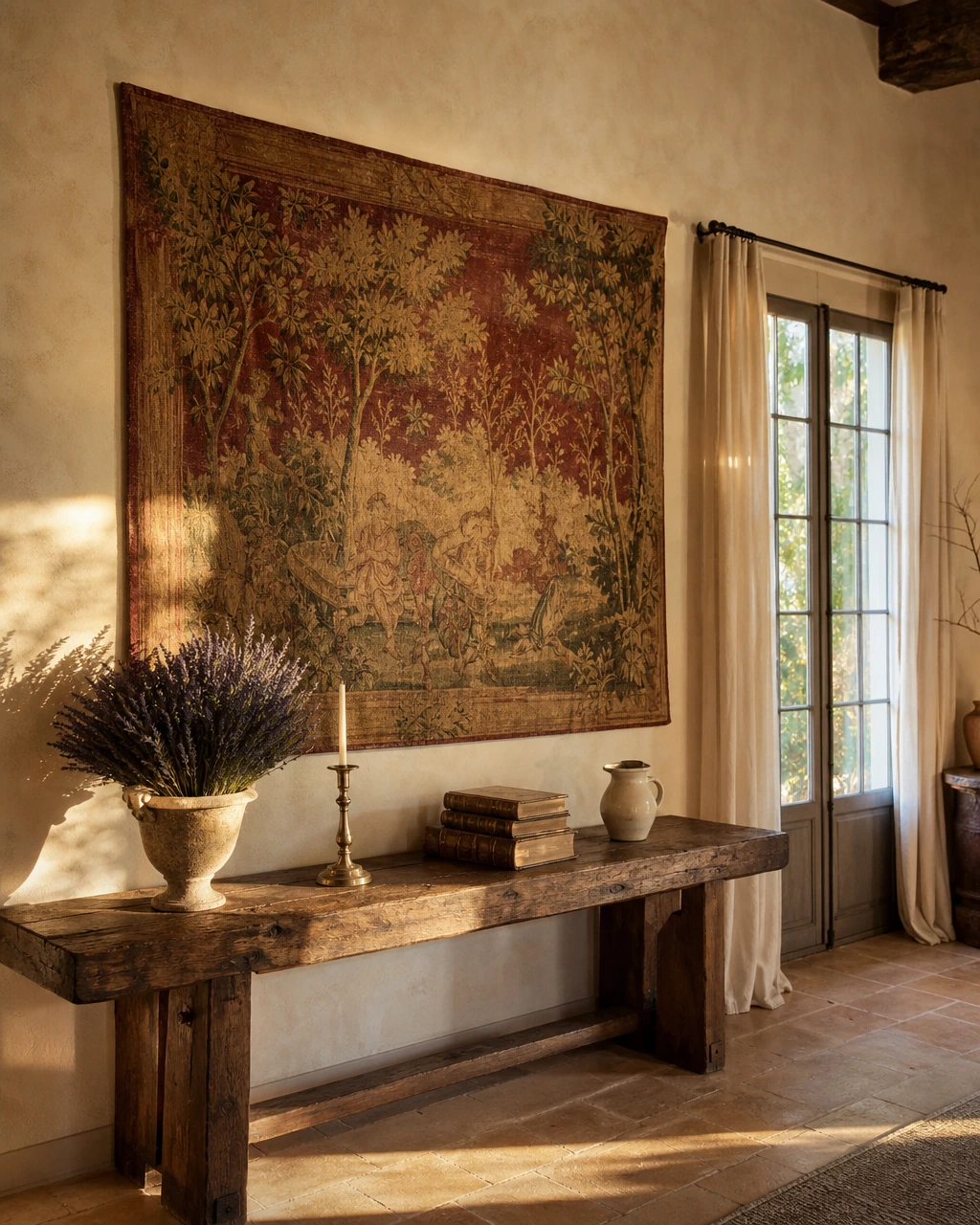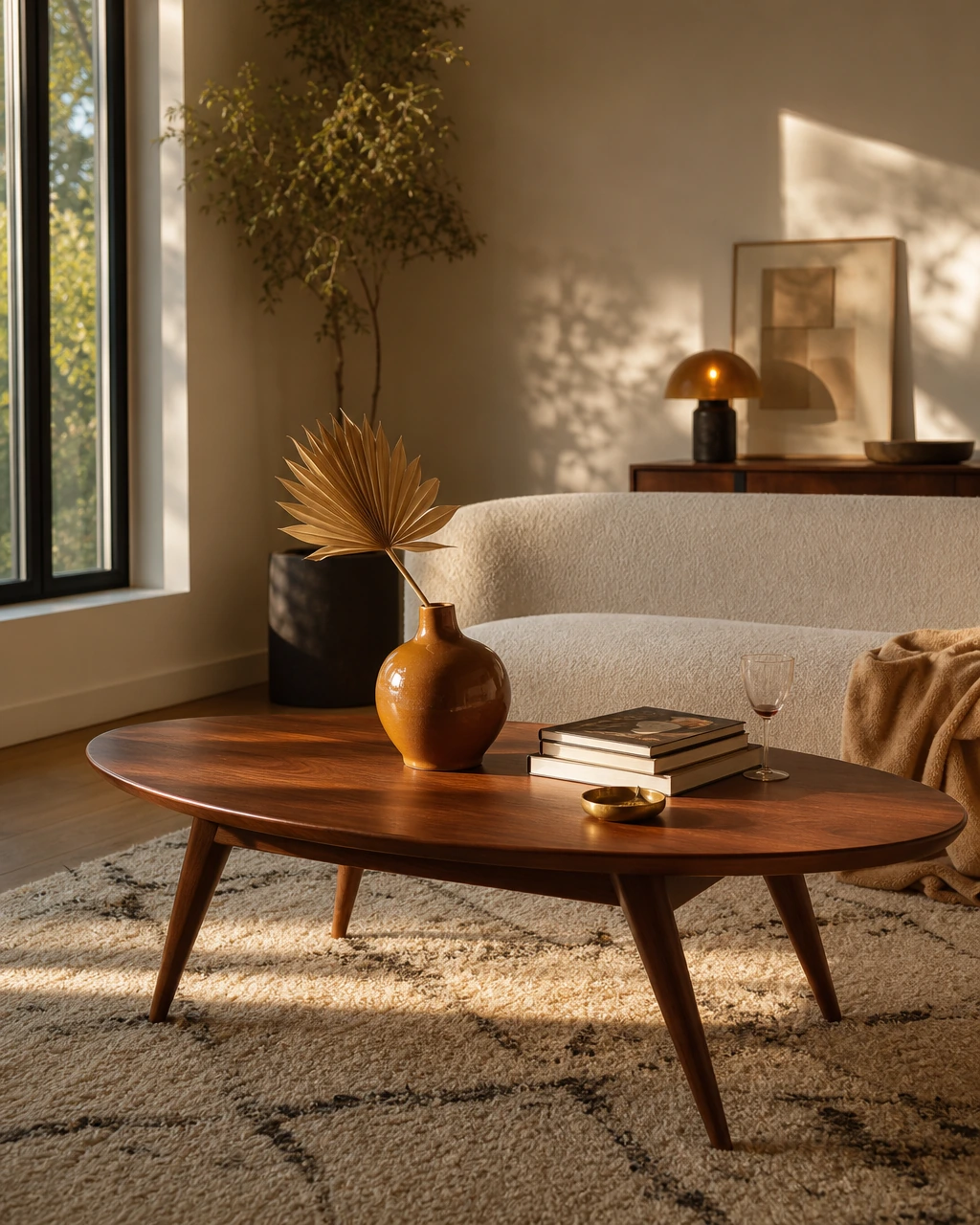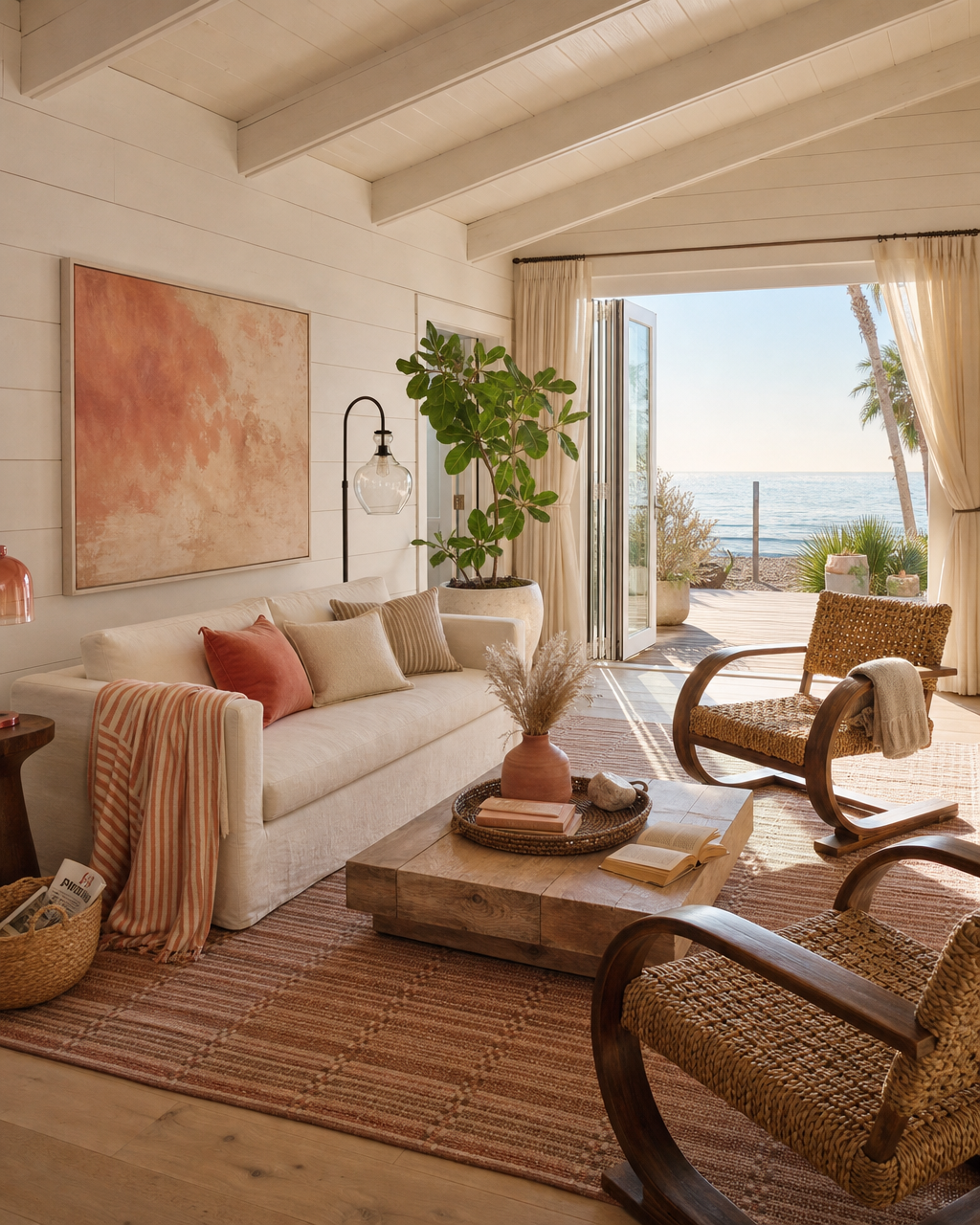
You moved into your Austin apartment six months ago with a clear vision: warm, layered, a little retro, the kind of room that feels like it was assembled over years rather than ordered from a single catalog. You saved the references. You know the feeling you want. But somewhere between the Pinterest board and the actual furniture decisions, the room stalled. The sofa arrived and it looks fine. The walls are still bare. Something is missing, and you cannot quite name it.
That gap between inspiration and execution is exactly where Harry Styles' aesthetic lives, and it is also where most people get stuck trying to recreate it. His spaces, particularly the visual world built around his album "Harry's House" and his London residence, are not expensive in the way most celebrity interiors are. They are intentional. The warmth, the layering, the gallery walls, the vintage references alongside clean modern lines: none of it requires a designer budget. It requires a framework.
The design principles behind this aesthetic are genuinely reproducible. They are not about square footage or spending. They are about understanding which decisions carry the most visual weight and making those decisions deliberately before buying anything else. This guide breaks down each of those decisions and translates them into moves you can make in your own space, whether you are starting from scratch or trying to fix a room that has never quite clicked.
What you will learn in this guide:
- How to build the warm neutral foundation that makes eclectic layering work
- The color palette logic that holds diverse pieces together
- Where to invest and where to save in the high-low mix
- How layered lighting changes a room more than any furniture swap
- The gallery wall approach that feels collected rather than staged
- Texture combinations that create tactile richness without clutter
- The eight most common mistakes that undermine this aesthetic and how to fix them
Key Takeaways
- Harry Styles' interior aesthetic is built on warm neutral foundations layered with controlled color accents, vintage references, and personal objects. The look is about intention, not budget.
- Eclectic interior design is one of 2025's most celebrated approaches to home decoration, and that momentum has carried into 2026 as consumers move away from sterile minimalism toward spaces that feel personal and lived-in.
- A consistent color palette of three to five tones is the structural backbone of any successful eclectic room. Each accent color should appear at least twice in the room at different scales.
- Keeping the foundation within neutral tones allows decor and accents to be swapped seasonally without requiring a full room reset, making the neutral base the most practical structural decision you can make.
- Layered lighting at multiple heights, including floor lamps, pendants, and table lamps, is one of the highest-impact changes available without replacing any furniture.
- Gallery walls anchored by personal memorabilia, art prints, and vintage photographs are a defining feature of Styles-inspired spaces. The critical detail is including objects that are genuinely yours, not just store-bought.
- The high-low mix, combining one or two investment anchor pieces with budget-friendly vintage and thrift finds, is the most practical execution strategy for this aesthetic.
- Geometric shapes and environmentally friendly materials like stone, bamboo, and Tencel are expected to be prominent in eclectic interiors through 2026, aligning with the natural, warm material palette this aesthetic requires.
What Harry Styles' Interior Aesthetic Actually Is
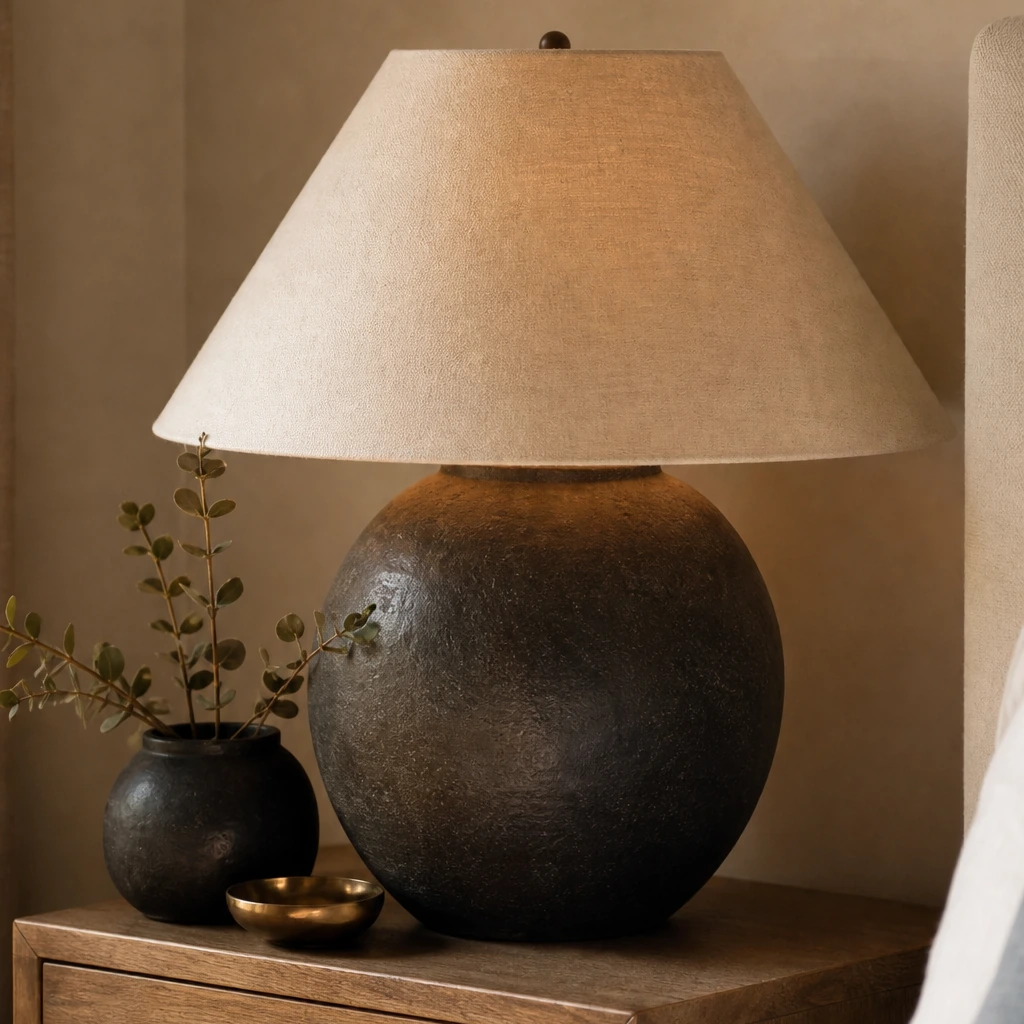
Harry Styles' interior aesthetic is warm modern eclecticism: a design approach that combines clean-lined contemporary furniture with vintage and mid-century references, layered textures, expressive personal objects, and a controlled color palette built on warm neutrals with bold accent colors.
This is not maximalism in the chaotic sense. It is intentional abundance. Every element earns its place. The room feels full without feeling cluttered because the underlying structure, neutral walls, warm wood, a limited color palette, holds everything together. The spaces associated with him share a consistent set of characteristics: clean-lined furniture in warm wood tones, bold color pops drawn from a controlled palette, vintage and mid-century references, layered textiles, and walls that tell a story through art and personal objects.
House Beautiful's coverage of the "Harry's House" album aesthetic identifies the furniture and decor that define his visual world as available from mainstream retailers including West Elm and Urban Outfitters. The look is not locked behind a designer price tag.
The Three Core Principles
Three principles define the aesthetic and make it reproducible:
- Warm neutrals as the foundation. Creamy whites, soft beiges, and warm wood tones form the base. These allow bolder elements to read clearly without competing with each other.
- A controlled color palette. Styles-inspired spaces typically pull from three to five colors, often including warm pinks, mustard yellows, olive greens, or terracotta, used consistently across textiles, art, and accessories.
- Personal objects as design elements. Vinyl records, vintage photographs, travel souvenirs, and memorabilia are not afterthoughts. They are load-bearing parts of the room's visual identity.
Why This Aesthetic Resonates in 2026
Consumer appetite has shifted. The all-white minimalism that dominated the previous decade is giving way to spaces that feel layered, personal, and lived-in. Eclectic interiors are described as one of 2025's most celebrated approaches to home decoration, and that momentum has continued into 2026. Styles' aesthetic sits precisely at that intersection of warmth, personality, and considered restraint.
For design-conscious homeowners who want to understand the broader interior design landscape before making furnishing decisions, the trend data consistently points in the same direction: personal, layered, and warm is where residential design is heading.
Building Your Color Palette: The Structural Foundation
A color palette is a planned set of three to five core colors repeated throughout a space to create visual harmony across diverse elements. In eclectic design, the palette is the invisible thread that makes a room feel cohesive even when the furniture spans multiple eras and styles.
Decorilla's eclectic design guidance recommends keeping the foundation within neutral tones so that decor and accents can be swapped in and out over time without requiring a full room reset. This is the most practical structural decision you can make before buying a single piece of furniture.
Choosing Your Neutral Base
For a Styles-inspired room, the neutral base should lean warm rather than cool. The distinction matters more than most people expect.
Warm NeutralCool NeutralWhy Warm Works Better HereCreamy off-whiteBright whiteWarm whites make textures read more richlyWarm beige or greigeCool grayWarm tones make color accents feel intentionalNatural linenPolyester whiteLinen has a relaxed quality that resists looking stagedLight oak or walnutDark espresso or blackWarm wood tones ground the room without heaviness
Cool grays and bright whites tend to flatten the layered, tactile quality that defines this aesthetic. Warm neutrals make textures read more richly and make color accents feel intentional rather than jarring.
Adding Your Color Accents
Once the neutral base is established, introduce two to three accent colors through textiles, art, and accessories. The key is repetition: each accent color should appear at least twice in the room at different scales so the eye reads it as intentional.
Styles-inspired palettes often include:
- Warm pink or blush: Velvet cushions on a linen sofa, or a blush throw draped over an armchair
- Mustard or ochre: A wool rug anchoring the seating area, or ceramic vessels on a shelf
- Olive or sage green: A ceramic planter near a window, or an upholstered accent chair
- Terracotta: A cluster of pottery on a shelf, or a small textile accent near the gallery wall
Fig Linens and Home's coverage of Harry Styles-inspired bedding demonstrates how bold textile choices, including hot-pink and patterned options from his Madison Square Garden residency, can anchor a room's color story without requiring expensive furniture changes.
Mixing Vintage and Modern: The High-Low Approach
Modern eclectic design is not random. Every choice should be intentional. The vintage-modern mix that defines Styles' aesthetic works because it follows a clear logic: clean-lined modern pieces provide structure, while vintage and mid-century elements provide warmth, character, and narrative.
The high-low mix, combining one or two investment anchor pieces with budget-friendly finds from thrift stores or mainstream retailers, is the most practical execution strategy. You do not need to spend significantly on every piece. You need one or two pieces that anchor the room visually, and everything else can be sourced more affordably.
Where to Invest
The sofa. This is the largest visual element in most living rooms. A clean-lined sofa in a warm neutral, linen, boucle, or soft velvet, is worth the investment. Track-arm silhouettes tend to work better in smaller apartments because they buy back visual and physical space. Skip the matching set entirely. The room ends up looking staged rather than collected.
The rug. A good rug grounds the entire room and ties disparate pieces together. A vintage-style or hand-knotted rug in warm tones is one of the highest-impact purchases available. It is also one of the hardest things to fake with a budget alternative.
One statement light fixture. A sculptural pendant or mid-century floor lamp does significant visual work and signals intentionality. This is not where to save.
Where to Save
- Side tables and accent furniture sourced from thrift stores or vintage shops
- Art prints from online print marketplaces
- Cushions, throws, and textiles from mainstream retailers including CB2, West Elm, and Anthropologie Home
- Ceramic accessories and planters from budget-friendly home stores
BHG's coverage of Harry Styles' era-inspired decor confirms that the vintage and retro elements central to his aesthetic, vinyl displays, mid-century coffee tables, and textured throws, are widely available through thrift and vintage channels at accessible price points.
For practical guidance on furniture selection for smaller spaces, the same principles apply: invest in the anchor pieces, source the supporting cast more affordably, and let the layering do the work.
Layered Lighting: The Most Underestimated Design Move
Layered lighting is the use of multiple light sources at different heights, including ambient ceiling fixtures, task lamps, and accent uplighting, to create mood, depth, and flexibility in a room. It is one of the most transformative changes available without replacing any furniture, and it is consistently underused in residential spaces.
Designer Darla DeMorrow, cited in House Digest's guide to Harry's House-inspired interiors, recommends achieving mood lighting through multiple levels and layers: uplighting from the floor, lamps at varying heights, and lights on crown molding. Single overhead fixtures, regardless of how attractive they are, rarely achieve the warm, enveloping quality that defines this aesthetic.
Building a Layered Lighting Scheme
A practical layered lighting setup for a living room includes four distinct layers:
- Ambient layer: A ceiling fixture or pendant that provides general illumination. In a Styles-inspired room, this should be warm-toned and sculptural rather than purely functional.
- Task layer: Table lamps on side tables or a desk lamp if the room doubles as a workspace. Warm bulbs only. Cool white bulbs will undermine every warm material choice you have made.
- Accent layer: Floor lamps positioned to uplight corners or highlight art. A lamp behind a sofa creates a warm halo effect that photographs beautifully and feels genuinely cozy.
- Decorative layer: Candles, small battery-operated lamps, or a string of warm lights that add intimacy at the lowest level.
Choosing Fixtures for an Eclectic Room
Warm metal finishes, aged brass, antique bronze, and brushed gold, tend to work better in this aesthetic than cool chrome or matte black. If the room already feels cold, do not default to black metal lighting. Warm wood and aged brass soften the space faster and more reliably than any other single change.
Eclectic decor guidance consistently recommends mixing chandeliers, floor lamps, and pendant lights in varied finishes for both functional and decorative impact. The variety of finishes is intentional: it contributes to the collected quality that makes the room feel assembled over time rather than purchased in a single trip.
Gallery Walls and Personal Collections: Telling Your Story
A gallery wall is an arrangement of multiple artworks, photographs, or objects on a single wall used to create a focal point and communicate personal narrative. It is a defining feature of Styles-inspired interiors and one of the most accessible design moves available, requiring no structural changes and minimal investment.
The critical distinction between a gallery wall that works and one that looks like a random collection of frames is intentionality. House Digest's eclectic styling guide identifies the most effective Styles-inspired gallery walls as those that combine album art, vintage photographs, and personal memorabilia within a consistent color or frame palette.
Building a Gallery Wall That Feels Collected, Not Staged
The goal is a wall that looks like it evolved over time, not one assembled in an afternoon from a single retailer. Practical steps:
- Choose a frame palette. Mix natural wood frames with one or two metal frames in a warm finish. Avoid matching every frame exactly, but avoid complete randomness too.
- Vary the sizes. Include at least one large anchor piece, two or three medium pieces, and several smaller ones. The variation creates visual rhythm.
- Mix mediums. Combine art prints, vintage photographs, a small mirror, and one or two three-dimensional objects like a small shelf or a mounted record.
- Include personal objects. This is where most people hold back, and it is the most important step. A photograph from a trip, a concert ticket framed simply, a postcard. These are what make the wall feel real rather than styled.
- Lay it out on the floor first. Arrange the pieces on the floor before committing to wall placement. Adjust until the composition feels balanced without being symmetrical.
Architectural Digest's coverage of Harry Styles' music video aesthetic highlights how personal objects and expressive art create the lived-in quality that distinguishes his spaces from generic celebrity interiors.
For homeowners who want to visualize gallery wall layouts before committing to nail holes, several apartment design apps allow you to experiment with arrangements digitally before anything goes on the wall.
Texture Layering: Building Tactile Richness
Texture layering is the practice of combining materials with different surface qualities, smooth, rough, shiny, matte, soft, and hard, within a single room to create visual and tactile depth. It is what makes a room feel rich and considered rather than flat and showroom-ready.
Eclectic decor guidance emphasizes combining fluffy rugs, glass vases, leather chairs, and ceramic planters to achieve depth. In a Styles-inspired room, the texture palette typically includes:
MaterialWhy It WorksWhere to Use ItVelvetLuxurious and slightly retro; reads as both elevated and warmCushions, accent chair, small ottomanChunky knit or boucleAdds softness and warmth; resists looking too polishedThrows, cushion coversNatural woodWarm tone, ages beautifullyCoffee tables, side tables, shelvingCeramic or stonewareHandmade quality, tactile interestPlanters, vases, decorative objectsLinenNatural, slightly rumpled quality; resists looking stagedCurtains, sofa upholstery, bed linenLeather or suedeContrasting material note that prevents the room from feeling too softSingle chair, one or two cushions
The Practical Texture Rule
Include at least four different surface qualities in any room. If everything is soft and matte, the room will feel flat. If everything is shiny and smooth, it will feel cold. The contrast between materials is what creates visual interest, and it is what separates a room that photographs well from one that actually feels good to be in.
Sustainable Materials and Long-Term Design Thinking
Sustainable materials are environmentally friendly or responsibly sourced materials, including bamboo, stone, recycled fabrics, and low-impact textiles like Tencel and Lyocell, that are increasingly central to contemporary eclectic design.
Decorilla's 2026 trend report notes that environmentally friendly materials like stone, bamboo, and new fabrics such as Tencel and Lyocell will be even more prominent in eclectic interiors this year. This matters practically because sustainable materials tend to age better. Natural stone, solid wood, and quality natural textiles develop character over time rather than degrading. Cheap synthetics and poorly finished pieces show wear quickly, which undermines the collected, layered quality that makes eclectic rooms work.
Material Choices That Support the Aesthetic
- Solid oak or walnut: Warm tone, ages beautifully, works for coffee tables, shelving, and side tables
- Natural linen: Relaxed, slightly rumpled quality that resists looking staged; ideal for curtains and sofa upholstery
- Wool or jute rugs: Texture and warmth underfoot; both materials improve with age
- Ceramic and stoneware: Handmade quality and tactile interest; handmade or slightly imperfect pieces feel more personal than mass-produced alternatives
- Bamboo: Sustainable, warm tone, works well for shelving and smaller furniture pieces
- Tencel or Lyocell: Soft, sustainable, drapes well; ideal for bedding and lightweight throws
For homeowners thinking about furniture buying decisions from a long-term perspective, prioritizing natural materials over synthetic alternatives is one of the most reliable ways to build a room that improves with age rather than dating quickly.
Tools and Platforms for Executing This Aesthetic
The right tools reduce the gap between inspiration and purchase. These categories cover what homeowners actually need to move from a saved reference to a finished room.
AI-Assisted Design and Shopping Platforms
The core challenge with this aesthetic is not finding inspiration. It is translating inspiration into specific, buyable pieces that work together in your actual space. Generic AI render tools generate visually appealing rooms filled with furniture that does not exist. That is not useful when you need to make a real purchase.
First Chair is an AI-assisted interior design and shopping platform built specifically for this problem. Users upload photos of spaces they love, describe their aesthetic direction using nuanced language like "warm eclectic but not cluttered" or "vintage modern with warm woods," and receive curated room concepts built from real, in-stock furniture and decor from multiple retailers including West Elm, CB2, Crate and Barrel, Pottery Barn, and Lulu and Georgia. Every recommendation is grounded in pieces that actually exist and can be purchased. The platform also offers insider pricing on selected pieces, without the promo-code hunt. For homeowners trying to execute a Styles-inspired room without the endless tabs and second-guessing, First Chair narrows the field to pieces that work together rather than presenting infinite options. Pricing is competitive; details are available directly through the platform.
Online Interior Design Services
Full-service e-design platforms offer professional guidance for homeowners who want a designer's eye on their specific space. Decorilla offers eclectic and modern design packages and publishes detailed trend reports on eclectic interiors. These services typically involve a design brief, mood board, and furniture recommendations tailored to your room dimensions and budget.
Furniture and Decor Retailers
The high-low mix this aesthetic requires means sourcing across multiple price points and channels.
- West Elm and CB2: Clean-lined modern sofas, warm wood furniture, and textured textiles that form the contemporary backbone of the look
- Anthropologie Home and Lulu and Georgia: Eclectic accessories, patterned textiles, and statement pieces with personality
- Chairish and 1stDibs: Vintage and mid-century furniture and accessories that provide the retro references central to the aesthetic
- Local thrift and vintage shops: The most important sourcing channel for the personal, collected quality that makes this look work
Room Planning and Visualization Tools
Before committing to furniture placement, especially in smaller apartments, planning tools help avoid expensive mistakes.
- Graph paper and cut-outs: Low-tech but effective. Drawing a bird's-eye diagram of the room and using cut-outs to experiment with furniture placement is a step most people skip and most designers recommend.
- Retailer AR apps: Several major furniture retailers offer augmented reality tools that let you preview furniture scale and placement in your actual space before purchasing.
Lighting Specialists
Sculptural pendants, mid-century floor lamps, and aged brass fixtures are not always easy to find at mainstream retailers. Specialty lighting vendors and online marketplaces offer a wider range of warm-finish fixtures in the mid-century and eclectic styles this aesthetic requires.
Sustainable and Natural Material Suppliers
- Benjamin Moore and Sherwin-Williams: Both offer low-VOC paint lines in warm neutral tones that support healthier interiors
- Eco-friendly flooring and textile vendors: Bamboo flooring, recycled wool rugs, and Tencel bedding align with the 2026 material direction and tend to age better than synthetic alternatives
Best Practices for Executing This Aesthetic
1. Start with the neutral foundation before buying anything else
Establish your wall color and large furniture pieces in warm neutrals first. This gives you a flexible base that allows accent colors and accessories to be swapped over time without requiring a full room reset. Creamy off-whites and warm beiges are more forgiving than any bold choice.
2. Build your color palette before shopping
Choose three to five accent colors and commit to them before purchasing any textiles, art, or accessories. Write them down. Each color should appear at least twice in the room at different scales. This single step prevents the most common eclectic design failure: a room that feels visually chaotic because nothing repeats.
3. Pair every modern piece with a vintage counterpoint
A sleek modern sofa works better next to a vintage wood coffee table than next to a matching modern one. The contrast between eras is what creates the collected quality. Use repeated wood tones or colors to connect the two pieces visually.
4. Layer lighting before adding more furniture
If the room feels flat or cold, add a floor lamp and a table lamp before buying anything else. Layered lighting changes the emotional quality of a room more than any furniture swap. This is the highest-impact, lowest-cost intervention available.
5. Include at least one genuinely personal object in every room
A concert ticket, a photograph from a trip, a book with a meaningful inscription. These objects are what make the difference between a room that looks styled and one that feels lived-in. They cannot be purchased. They have to come from your own life.
6. Edit regularly and apply the one-week rule
Before permanently adding a new piece to the room, let it sit in a designated corner for a week. If it still feels right after a week, add it. If it does not, remove it. This practice prevents the accumulation of pieces that seemed good individually but do not contribute to the whole.
7. Balance soft and hard materials in every room
If the room skews too soft, add a leather chair or a stone accessory. If it skews too hard, add a chunky knit throw or a velvet cushion. The contrast between material types is what creates tactile richness.
8. Anchor open spaces with defined seating zones
In larger or open-concept rooms, use furniture placement to create sub-zones rather than scattering pieces across the space. A rug defines the seating area. Chairs facing each other create a conversation zone. Defined zones make open spaces feel intentional rather than empty.
Common Mistakes That Undermine This Aesthetic
Mistake 1: Overloading patterns without a unifying color scheme
The consequence is visual chaos rather than layered richness. Even in eclectic design, mixed prints need a shared color palette to hold together. The fix: identify the two or three colors that appear in all your chosen patterns and make those your accent palette.
Mistake 2: Skipping the neutral base
All-bold walls and large furniture lock you into one palette and make updates expensive. The fix: repaint walls in a warm neutral and reupholster or slipcover the largest furniture piece. This single change often resolves a room that has never felt cohesive.
Mistake 3: Placing furniture without a layout plan
Random furniture placement leads to cramped or disjointed rooms, especially in open-plan spaces. The fix: draw a bird's-eye diagram on graph paper and experiment with cut-outs before moving anything. This takes thirty minutes and prevents months of living with a layout that does not work.
Mistake 4: Relying only on overhead lighting
A single ceiling fixture will flatten textures and make colors appear harsh regardless of how warm the bulb is. The fix: add a floor lamp and a table lamp before buying any new furniture. The room will feel immediately different.
Mistake 5: Copying the look without adding personal objects
A room assembled entirely from store-bought decor will look styled rather than lived-in. The fix: identify three objects from your own life that mean something to you and find a way to display them. These do not need to be beautiful. They need to be real.
Mistake 6: Mixing styles without repeating any elements
If no color, material, or shape repeats across the room, the space feels like unrelated vignettes rather than a cohesive whole. The fix: identify one element, a wood tone, a color, a material, that appears in at least three pieces in the room. That repetition is what creates visual rhythm.
Mistake 7: Treating the gallery wall as an afterthought
The gallery wall is a structural element of this aesthetic, not decoration. Planning it with the same attention as the furniture layout, including laying pieces out on the floor first, is what separates a gallery wall that anchors the room from one that looks like a collection of frames.
Mistake 8: Choosing poor-quality materials that age badly
Low-quality synthetics and poorly finished pieces show wear within months, undermining the sophisticated, collected quality of the aesthetic. The fix: prioritize natural materials, solid wood, wool, linen, ceramic, even at smaller scales. A well-made ceramic planter ages better than an inexpensive synthetic sofa.
For a deeper look at the furniture shopping patterns that lead to costly mistakes, the data consistently points to the same root cause: buying individual pieces without a clear room concept in place first.
Frequently Asked Questions
What is Harry Styles' interior design style?
Harry Styles' interior aesthetic is best described as warm modern eclecticism. It combines clean-lined contemporary furniture with vintage and mid-century references, layered textures, expressive personal objects, and a controlled color palette built on warm neutrals with bold accent colors. The spaces feel personal and collected rather than styled or showroom-ready.
How do I recreate a Harry Styles-inspired room on a budget?
The most effective approach is the high-low mix: invest in one or two anchor pieces, typically the sofa and the rug, and source everything else more affordably through thrift stores, vintage shops, and mainstream retailers. The gallery wall, layered lighting, and textile layering that define the aesthetic are all achievable at low cost. The look is built on intention, not budget.
What colors are associated with Harry Styles' home aesthetic?
Styles-inspired interiors use warm neutrals as the base, including creamy whites, warm beiges, and natural wood tones, layered with accent colors drawn from warm pinks, mustard yellows, olive greens, and terracotta. The palette is controlled rather than expansive, with each accent color repeated at least twice in the room at different scales.
What furniture styles work best for a Harry Styles-inspired living room?
Clean-lined sofas in warm neutral upholstery, mid-century coffee tables in warm wood, and vintage or sculptural accent chairs are the core furniture pieces. Track-arm sofas work particularly well in smaller apartments because they preserve visual and physical space. The furniture should feel modern in silhouette but warm in material, avoiding anything too sharp, cold, or industrial.
How do I build a gallery wall that feels collected rather than staged?
Start by laying all pieces on the floor before committing to wall placement. Mix frame materials, natural wood and warm metal, without matching them exactly. Include at least one genuinely personal object alongside art prints and vintage photographs. Vary the sizes so the composition has rhythm. The most important step is including objects that come from your own life rather than purchasing everything new.
What is the difference between eclectic design and maximalism?
Eclectic design is a curated mix of different styles, eras, and cultures that balances contrast with visual harmony through a consistent color palette and repeated elements. Maximalism is a broader "more is more" approach with bold colors, mixed patterns, and dramatic decor. Styles' aesthetic leans eclectic: it is abundant but structured, with every element earning its place through intentional selection rather than accumulation.
Can this aesthetic work in a small apartment?
Yes, and in some ways it works better in smaller spaces because the layering creates visual richness that makes a room feel considered rather than sparse. The key adjustments for small apartments are choosing track-arm sofas to preserve visual space, keeping the neutral base lighter to avoid heaviness, and being more selective about which personal objects earn a place in the room. The gallery wall and layered lighting are particularly effective in small spaces because they add depth and warmth without taking up floor space.
Conclusion: From Inspiration to a Room That Actually Works
The Harry Styles aesthetic is not a style category you buy your way into. It is a set of design decisions made in a specific order: neutral foundation first, color palette second, anchor pieces third, layering and personal objects last. The order matters because each decision creates the conditions for the next one to work.
The rooms that capture this quality, warm, collected, personal, and visually rich without feeling cluttered, are not the result of a larger budget or a more talented eye. They are the result of a clearer framework applied with patience. You already know what the room should feel like. The gap is execution.
If you are ready to move from the saved references to the actual room, First Chair translates your inspiration into real, shoppable room concepts built from pieces that actually exist, sourced across West Elm, CB2, Crate and Barrel, Pottery Barn, and Lulu and Georgia, so the room feels layered rather than retailer-stamped. Start with your room and find out what it actually needs.