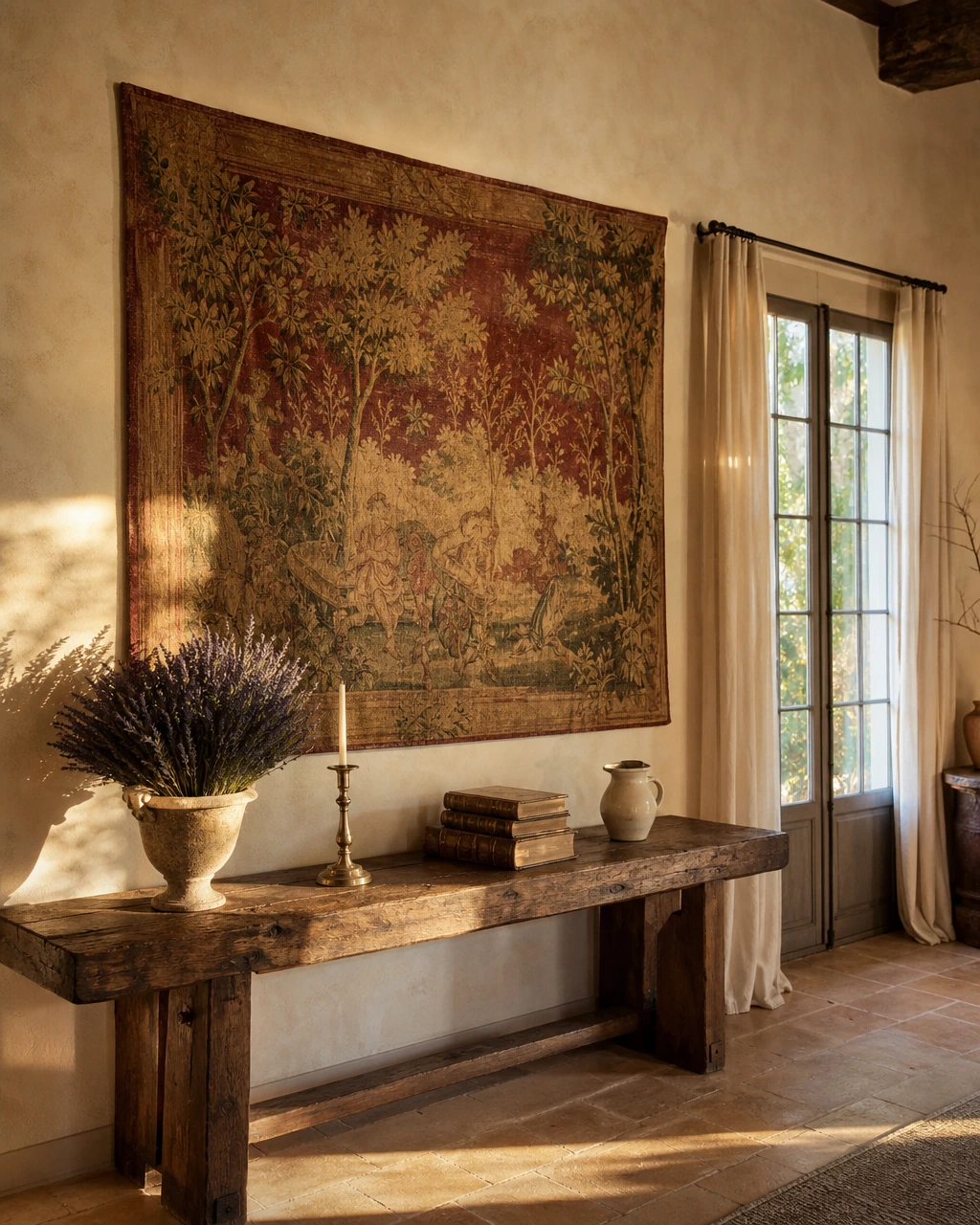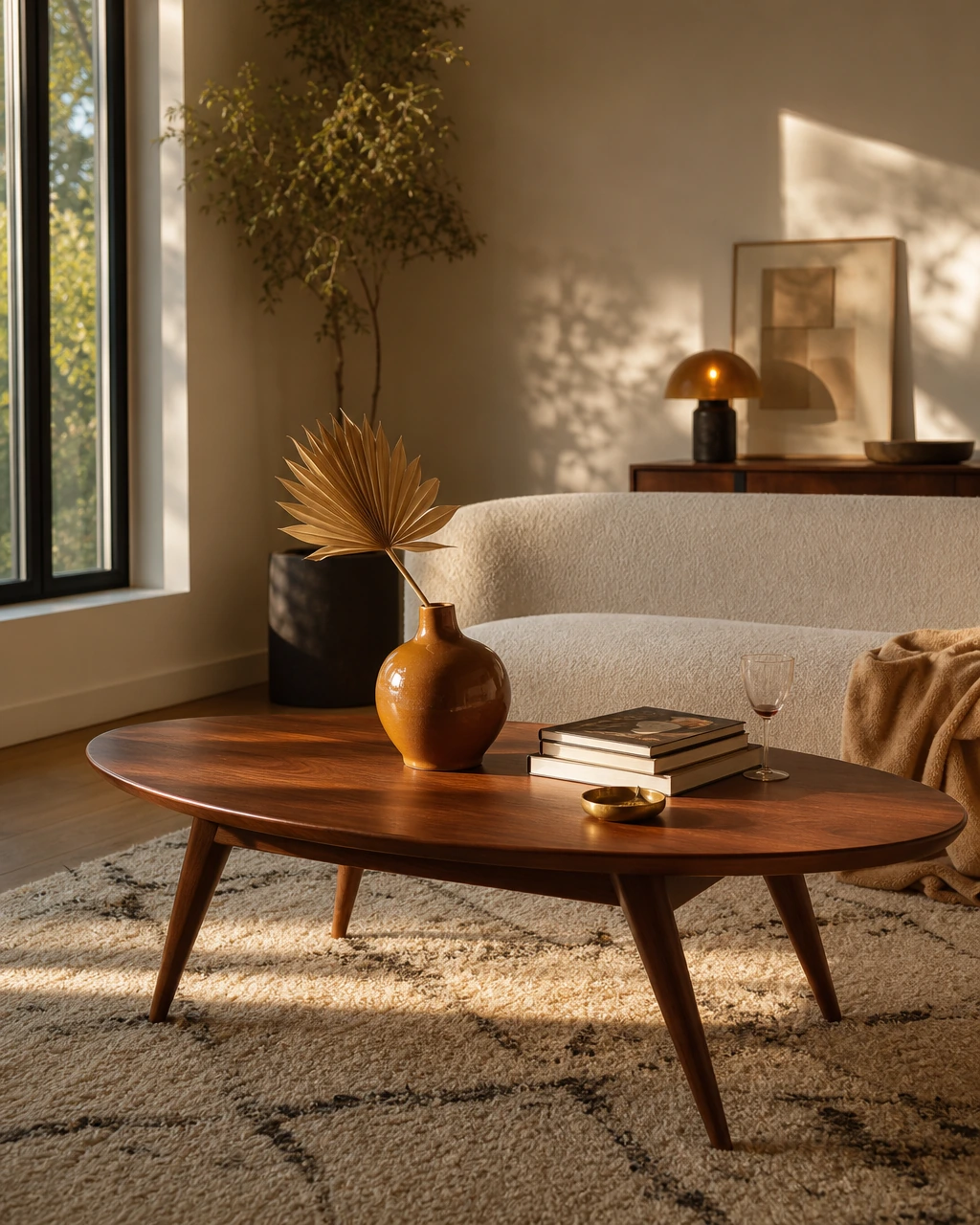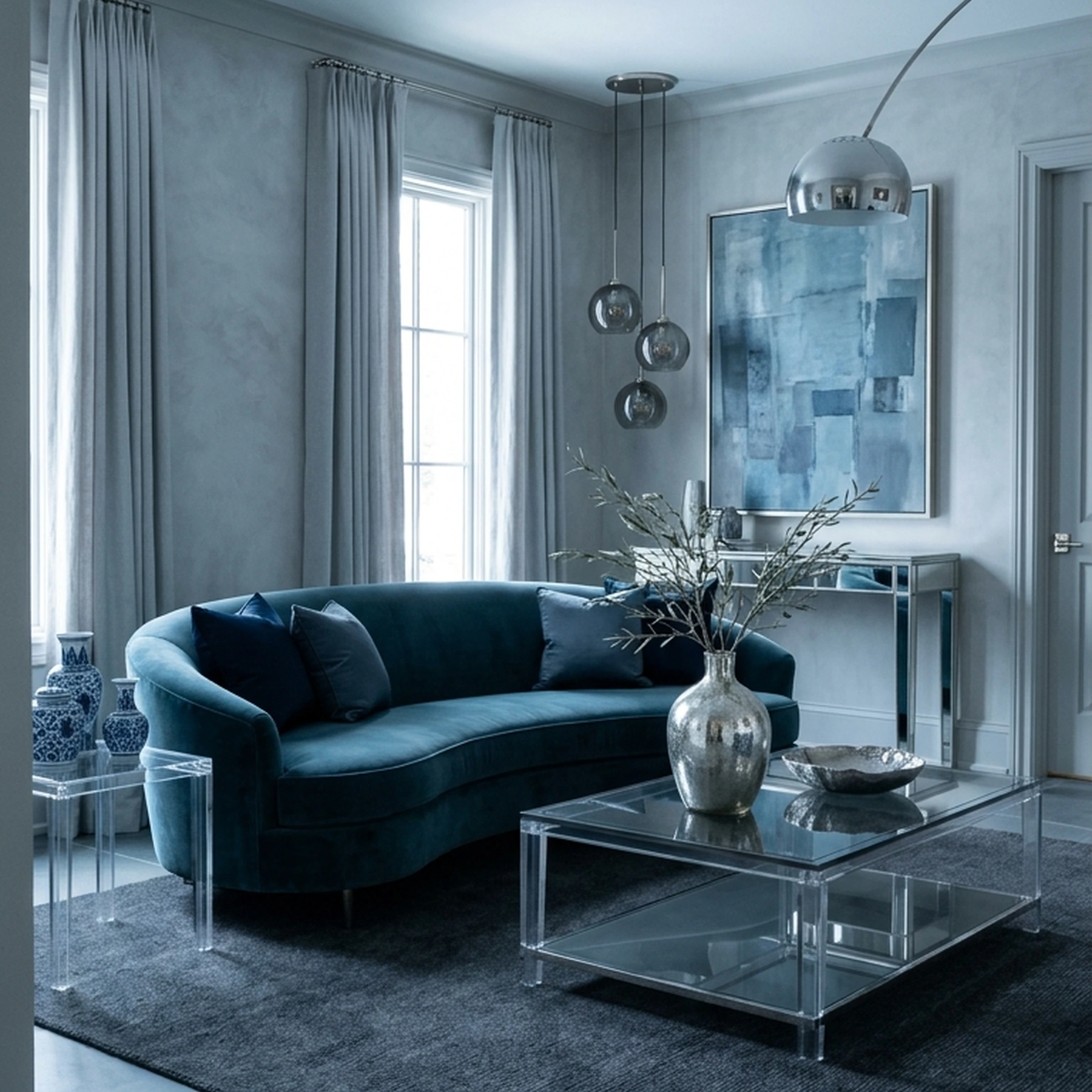

Data-backed insights revealing how staged homes sell faster, command higher prices, and why helping buyers picture themselves in a space is worth more than most sellers realize
You just listed your Craftsman home in Austin, and suddenly you're seeing it through a buyer's eyes. The oversized sectional that worked for family movie nights makes the living room feel smaller. The gallery wall you've spent years building feels personal in a way buyers can't quite connect with. And the spare bedroom that's become a catch-all office, gym, and storage space isn't helping anyone picture themselves living there. Meanwhile, your agent keeps mentioning staging, and you're wondering if it's worth the investment or just another expense before closing. The data is clear: 83% of buyers' agents say staging makes it easier for buyers to visualize a property as their future home. That same principle applies whether you're preparing a home for sale or trying to picture how a new space could come together.
Key Takeaways
- Staging delivers measurable ROI - 75% of sellers who stage see returns of 5-15% over asking
- Speed matters - Staged homes sell 73% faster than unstaged properties
- Living rooms drive decisions - 37% of buyers prioritize living room staging above all rooms
- Costs are manageable - Median staging cost is $1,500, with potential returns of $4,000 to $42,000
- Agent consensus is overwhelming - Over 90% of realtors agree staging helps sell properties
- Visualization is the mechanism - 77% of buyers' agents confirm staging helps buyers picture living there
- Virtual staging cuts costs dramatically - Digital staging reduces expenses by up to 97%
Understanding Home Staging: What It Is and Why It Works
Home staging is the practice of preparing a property for sale by arranging furniture, decor, and accessories to highlight the home's best features while helping potential buyers envision themselves living there. It's not decorating for the current owner's taste. It's creating a neutral, aspirational canvas that appeals to the broadest possible buyer pool.
The goal isn't to mask problems or deceive anyone. Good staging clarifies a home's potential by demonstrating how rooms can function, how furniture can flow, and how the space actually lives day to day.
Statistical Evidence: How Staging Impacts Sales Price
1. 29% of agents report staging led to 1-10% higher offers
National Association of Realtors data confirms 29% of real estate agents observed staging resulting in dollar value increases between 1% and 10%. On a $400,000 home, that's $4,000 to $40,000 in additional sale proceeds.
2. 19% of sellers' agents see 1-5% higher offers for staged homes
Breaking down the price impact further, 19% of sellers' agents report the modest 1-5% bump. This conservative estimate still translates to thousands of dollars on most properties.
3. 10% of sellers' agents report 6-10% higher offers
The higher end of price improvements shows 10% of sellers' agents seeing 6-10% increases on staged properties. These results typically come from homes where staging addressed clear presentation problems.
4. 75% of sellers see ROI of 5-15% over asking price
Real Estate Staging Association data indicates 75% of sellers who invest in staging see returns between 5% and 15% above their asking price. The investment pays for itself multiple times over.
5. 85% of staged homes sold for 5-23% over listing price
85% of staged homes sold for 5-23% above their original listing prices. This 2020 data reflects competitive market conditions where staging becomes even more valuable when multiple buyers compete for the same property.
6. ROI for staging can exceed 550%
The Home Staging Institute calculates staging ROI can exceed 550% when factoring in both price increases and reduced carrying costs from faster sales. Few home improvements deliver comparable returns.
7. Average ROI exceeds 200% for staged properties
Home Staging and Redesign Association data shows average ROI over 200% for sellers who invested in staging. Even conservative staging investments typically double the money spent.
8. Staging can yield $4,193 to $41,930 more on a median-priced home
On the median U.S. home price of $419,300, a 1% increase from staging adds $4,193 while a 10% increase adds $41,930. The math favors staging at nearly every price point.
Speed of Sale: How Staging Reduces Time on Market
9. 49% of sellers' agents observe staging reduced time on market
Nearly half of sellers' agents, 49% specifically, report that staging directly decreased how long their listings sat before selling. Faster sales mean lower carrying costs and less stress.
10. 30% of agents see slight decreases in selling time
Among those observing time-on-market improvements, 30% of sellers' agents noted modest reductions. Even a week or two faster sale can save thousands in mortgage payments, utilities, and insurance.
Visualizing Your Own Space
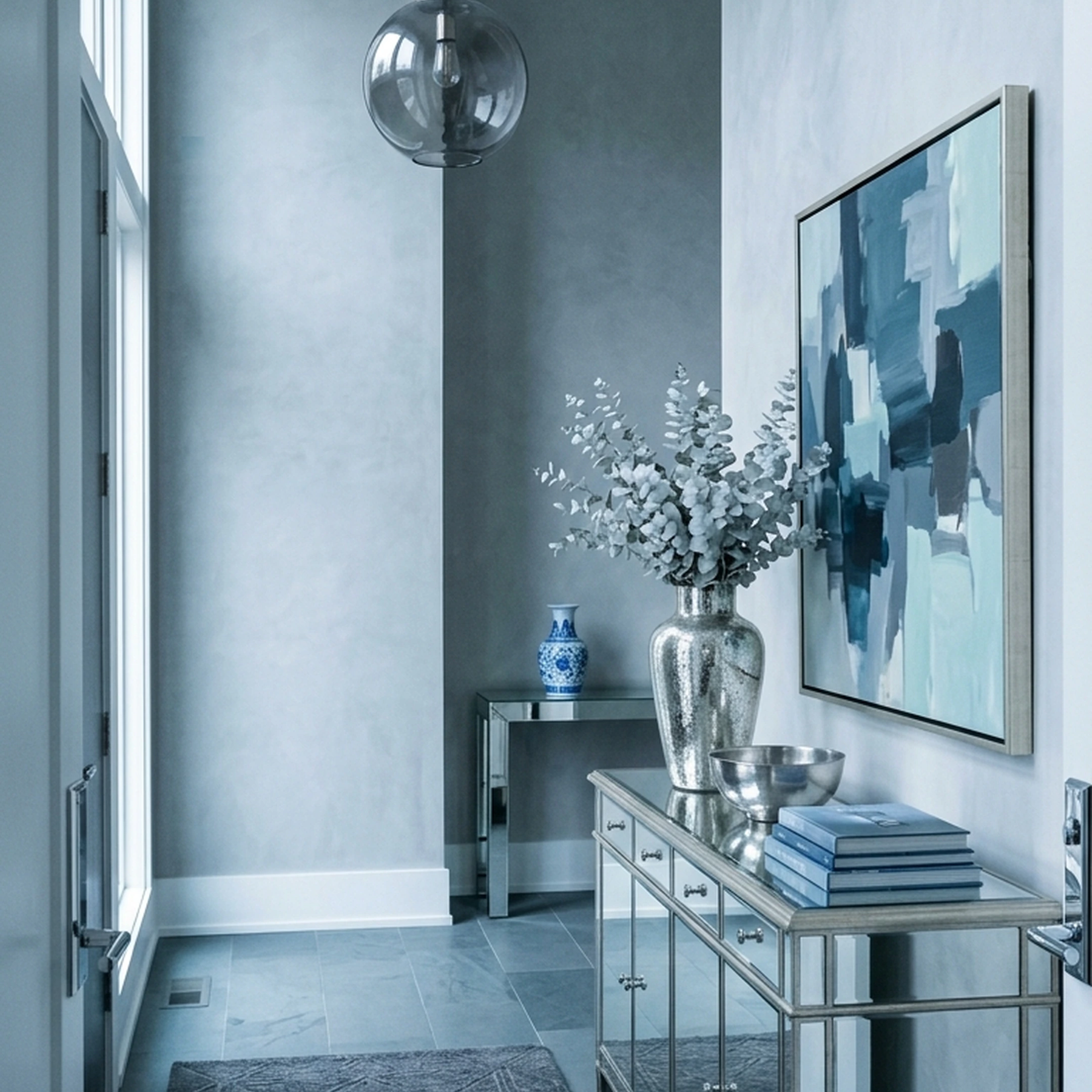
The same challenge buyers face when touring empty or cluttered homes applies when you're furnishing your own apartment or house. You know the style you want, but translating Pinterest inspiration into actual furniture selections feels overwhelming. First Chair solves this by turning your space photos and style preferences into complete room concepts with real furniture from West Elm, CB2, Crate & Barrel, and Article. Upload a photo, describe your aesthetic, and get curated designs you can actually purchase.
11. 19% of agents note significant time reductions
More dramatically, 19% of sellers' agents observed significant decreases in selling time after staging. These properties often received offers within days rather than weeks.
12. Staged homes sell 73% faster than unstaged ones
The Home Staging Institute reports staged homes sell 73% faster than properties that skip this preparation. That's the difference between selling in one month versus nearly four.
13. Staged homes sold 72% faster
Real Estate Staging Association data confirms staged homes sold approximately 72% faster than comparable unstaged properties. The speed advantage has remained consistent across market conditions.
14. 85% of realtors agree staged homes sell faster
When surveyed, nearly 85% of realtors agree that staging accelerates the sale process. Industry consensus on this point is remarkably strong.
15. Staged homes sell 88% faster and for 20% more
Combining speed and price data, staged homes sell 88% faster while also commanding 20% higher prices than unstaged comparables. The dual benefit makes staging one of the most effective pre-listing investments.
16. 31% of agents report staging greatly decreased time on market
Breaking down the speed improvements further, 31% of real estate agents specifically reported that staging greatly decreased their listings' time on market.
Buyer Perception: How Staging Shapes Purchase Decisions
17. 83% of buyers' agents say staging helps visualization
The most cited statistic in staging research: 83% of buyers' agents confirm that staging makes it easier for buyers to visualize the property as their future home. This is the fundamental mechanism behind staging's effectiveness.
18. 60% of agents say staging affects some buyers
Drilling into buyer responses, 60% of buyers' agents report staging had an effect on some buyers, though not universally. Different buyers respond differently to staging quality and style.
19. 26% of agents say staging affects most buyers' views
A meaningful 26% of agents report staging positively influenced most buyers' perception of the home. These agents likely work in markets where buyer expectations run higher.
20. Only 12% say staging had no effect on buyers
Remarkably, only 12% of agents indicated staging had no effect whatsoever on buyer perception. The vast majority see at least some benefit.
From Staging Homes to Furnishing Yours
Professional stagers succeed because they understand scale, proportion, and visual flow. They translate vague style preferences into specific, cohesive furniture selections. First Chair brings that same capability to people furnishing their own homes. The visualization problem staging solves for sellers is the same problem First Chair solves for renters and homeowners. You describe your style, upload your space, and First Chair generates complete room concepts using real furniture you can buy, with insider pricing on most pieces.
21. 32% of agents say matching buyer taste increases perceived value
When staging aligns with buyer preferences, 32% of buyers' agents report it positively impacted perceived home value. Style choices matter, not just the presence of furniture.
22. 31% say buyers are more likely to tour homes staged in photos
Online listing photos drive foot traffic, and 31% of agents confirm buyers are more willing to schedule tours when they see staged photos online.
23. Over 90% of realtors agree staging helps sell properties
The broadest consensus measurement: over 90% of realtors agree that staging benefits help sell properties. Disagreement exists mainly around cost-benefit calculations for specific situations.
24. 77% of buyers' agents confirm visualization benefit
Consistently across surveys, 77% of buyers' agents agree staging makes it easier for buyers to visualize the property as their future home.
25. 95% of buyers' agents see at least some effect from staging
Nearly universal impact: 95% of buyers' agents agree staging has at least some effect on how buyers perceive homes. The debate is about degree, not existence.
26. 40% of buyers are more likely to visit staged homes found online
When browsing listings, 40% of buyers are more willing to schedule in-person visits for homes that appeared staged in photos.
27. Staged homes receive up to 10% more online views
The online advantage compounds: staged homes can receive up to 10% more online views than unstaged comparables. More views mean more potential buyers.
28. 82% of agents say staging helped buyers visualize
Confirming earlier findings, 82% of buyers' agents reported staging specifically helped buyers visualize the property as their future home.
29. 41% of agents say buyers prefer touring staged homes seen online
Online-to-offline conversion matters: 41% of agents noted buyers are more willing to walk through a home they first encountered as staged in online listings.
Room Staging Priorities: Where to Focus Your Investment
Not every room carries equal weight. Understanding where buyers focus their attention helps prioritize limited staging budgets.
30. Living room ranks first: 37% of buyers prioritize it
The living room is the most important room to stage for 37% of buyers. It's where families gather, where guests are entertained, and often the first major space buyers see.
Applying Staging Principles to Your Home
Whether staging for a sale or furnishing for yourself, the same principles apply: living rooms matter most, bedrooms create personal connection, and cohesive style beats expensive pieces. First Chair helps you apply professional staging wisdom to your own space. The app turns your room photos and style preferences into complete concepts with real furniture from retailers you can actually buy from, eliminating the guesswork that leads to furniture mismatch costs.
31. Primary bedroom matters to 34% of buyers
Close behind, 34% of buyers prioritize primary bedroom staging. The master suite represents personal retreat space, and buyers want to envision their morning routines.
32. Kitchen staging important to 23% of buyers
Though harder to stage dramatically, 23% of buyers prioritize kitchen presentation. Thoughtful styling can still make a meaningful difference here.
33. Guest bedroom is least important: only 7% priority
At the bottom of the list, only 7% of buyers prioritize guest bedroom staging. Limited budgets should skip this room entirely.
34. 91% of agents stage living rooms most commonly
Reflecting buyer priorities, 91% of agents stage living rooms as their primary focus when preparing properties.
35. 83% of agents stage primary bedrooms
Following the living room, 83% of agents include primary bedroom staging in their preparation. A well-made bed with quality linens goes a long way.
36. 69% of agents stage dining rooms
Dining spaces receive attention from 69% of agents, particularly in homes where entertaining potential is a selling point.
37. 68% of agents stage kitchens
Kitchen staging, including decluttering counters and adding simple accessories, is prioritized by 68% of agents.
38. Only 22% stage guest or children's bedrooms
Confirming limited value, only 22% of agents bother staging secondary bedrooms. These rooms are the first to cut from tight budgets.
Staging Cost Analysis: Investment vs. Return
Understanding costs helps sellers calculate expected returns and make informed decisions about staging scope.
39. Median professional staging cost is $1,500
The median cost for staging service is $1,500. This covers consultation, furniture rental, and arrangement for key rooms.
40. Agent-handled staging costs $500 median
When sellers' agents personally handle staging, the median cost drops to $500. Some agents include basic staging in their services.
Making Furnishing Decisions Easier
Staging costs money because professional expertise is required to translate style preferences into specific furniture selections that work together. That same challenge exists when you're furnishing your own home. First Chair eliminates that friction. Upload photos of your space, describe your aesthetic direction, and First Chair generates curated room concepts using real furniture from West Elm, CB2, Crate & Barrel, Article, and other retailers, complete with insider pricing on most pieces. No guesswork, no overwhelming furniture options.
41. National average staging cost is $1,849
Including all components, the national average staging cost is $1,849. This comprehensive figure covers home decoration and furniture rental.
42. Staging typically costs 1-3% of asking price
As a rule of thumb, staging costs between 1% and 3% of the home's asking price. Higher-priced homes generally require more extensive staging.
43. Vacant home staging costs about $2,000 average
Empty properties need more investment: staging a vacant home costs about $2,000 on average since furniture must be rented rather than rearranged.
44. Occupied home staging costs about $800 average
When working with existing furniture, staging an occupied home costs about $800 on average. This covers consultation, rearrangement, and supplemental pieces.
45. Vacant luxury home staging: $6,800 for 30 days
High-end properties require proportional investment: vacant luxury home staging runs $6,800 for a 30-day rental period.
Why First Chair
Home staging statistics consistently point to one insight: people buy faster and spend more when they can visualize how a space will actually live. That's not just true for home buyers touring open houses. It's true for anyone staring at an empty apartment wondering which sofa to order.
First Chair turns saved inspiration into room concepts you can actually purchase. The living room on your Pinterest board becomes a shoppable plan with real pieces from multiple retailers, complete with insider pricing on most of them.
The staging industry exists because visualization drives decisions. First Chair puts that same principle in your pocket.
Frequently Asked Questions
How much does home staging typically cost?
Professional staging costs a median of $1,500, with occupied homes averaging around $800 and vacant homes closer to $2,000. Luxury vacant properties can run $6,800 or more for 30-day furniture rentals. Virtual staging offers a budget alternative at $24-99 per photo.
Does home staging really make a difference in sales price?
Yes. 29% of agents report staging leads to 1-10% higher offers. On a median-priced home, that translates to $4,000-$42,000 in additional proceeds. 75% of sellers who stage see returns of 5-15% over asking price.
What are the most important rooms to stage?
Living rooms rank first, with 37% of buyers prioritizing this space. Primary bedrooms follow at 34%, then kitchens at 23%. Guest bedrooms and children's rooms can be skipped entirely, as only 7% of buyers prioritize these spaces.
Can I DIY home staging, or should I hire a professional?
DIY staging can work if you focus on decluttering, deep cleaning, and strategic furniture rearrangement. 91% of agents recommend decluttering as the most impactful step, which costs nothing but time. Professional staging makes sense when you need furniture rentals for vacant properties or when your existing furnishings create presentation challenges. Agent-assisted staging averages just $500 when they handle it personally.
How long does it take to stage a house?
Traditional staging takes approximately 1-2 weeks from initial consultation through completed installation. Virtual staging can be completed in 24-48 hours. The timeline extends for vacant properties requiring full furniture rental and setup.