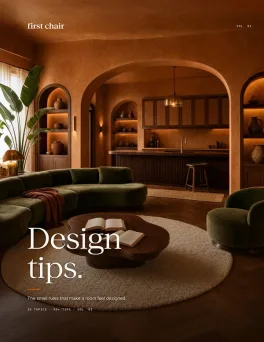
You just leased a waterfront flat in Sydney’s Surry Hills. The bones are good. The light is better than expected. You uploaded a photo to InstantInterior, got back a gorgeous mid-century render, and then spent the next three hours trying to find a single piece of furniture from that image. None of it exists. The walnut credenza? Fake. The sculptural floor lamp? Generated. The bouclé armchair that made the whole room work? Not for sale anywhere.
This is the fundamental problem with most AI interior design tools. They're excellent at showing you what a room could look like. They're useless at helping you actually live there. The AI design market is projected to hit $6.96 billion by 2032, but that growth is in visualization, not execution. If you're looking for early access to something that actually bridges that gap, the alternatives below range from render-focused to genuinely shoppable.
Key Takeaways
- Most AI room tools generate fantasy furniture: Interior AI, Spacely, and similar platforms create beautiful renders using pieces that don't exist or aren't purchasable, leaving you back at square one when it's time to actually buy
- First Chair shows you rooms you can buy: Every piece comes from Lulu & Georgia, Crate & Barrel, and dozens of other retailers, so you can go from render to checkout
- Layout tools solve a different problem than furnishing tools: Planner 5D and Homestyler help with room planning and spatial visualization but don't address the harder question of what furniture to actually put in the space
- Render speed doesn't matter if the output isn't actionable: Some tools generate images quickly, but speed is irrelevant when the furniture shown doesn't exist for purchase
- Virtual staging tools are built for real estate, not for people furnishing their own homes: Collov AI and Virtual Staging AI serve agents selling properties, not residents trying to make a space feel like home
1. First Chair: Real Furniture, Real Rooms, Real Decisions Made Easier
Forget the render graveyard. First Chair exists for people who already know what they like but can't seem to close the gap between a saved Pinterest board and a finished living room.
What It Does Well
First Chair interprets nuanced style direction and returns curated room concepts using furniture you can actually purchase. Upload a photo of your space or an inspiration image, describe your aesthetic in layered terms like "Scandinavian with walnut warmth" or "minimalist but not cold," and receive recommendations that work together as a cohesive room.
The critical difference: every sofa, rug, coffee table, and lamp shown comes from real retailers. First Chair pulls across West Elm, CB2, Crate & Barrel, Pottery Barn, Lulu & Georgia, Article, and brands you haven't met yet. No fake renders. No generated furniture that disappears when you try to buy it.
Key Strengths
- Every piece is real and purchasable: No fantasy furniture, no dead-end inspiration
- Multi-retailer sourcing: Not locked to a single catalog like IKEA Kreativ or Wayfair's tools
- Nuanced style interpretation: Understands "rustic with refined silhouettes" or "brutalist with warm textiles," not just broad categories
- Insider access on pieces: Member savings show up at checkout
- Reduces decision fatigue: Curated concepts, not infinite scrolling
The Bottom Line
First Chair is built for the person who's been saving interiors for six months while their actual apartment still looks temporary. It's the difference between admiring a room and living in one. If you're tired of beautiful renders that lead nowhere, this is where the tab-closing finally begins.
How it differs from other AI room tools: Many AI room design tools prioritize visualization, retailer-specific catalogs, or layout planning rather than helping users source furniture across multiple retailers. First Chair treats the render as the starting point, not the destination.
2. Interior AI
Interior AI has a large style library and advanced visualization features. It also generates furniture that doesn't exist.
Upload a room photo and you'll get dozens of directions back in minutes. If you're trying to answer a simple question like "what would this room look like with warmer woods, deeper seating, and softer lighting?" Interior AI gets you there quickly.
The appeal is variety. There are more than 55 styles to explore, plus extras like VR walkthroughs, 3D flythroughs, and batch processing for multiple rooms at once.
What It Does Well
- Fast visual exploration
- Large style library
- Polished renders
- Useful presentation features for designers and real estate teams
How it differs from First Chair: If your goal is a mood board or a real estate listing, Interior AI works. If your goal is a furnished apartment, it doesn't.
3. Spacely AI
Spacely AI is built for people who design rooms for a living.
If you're an architect presenting concepts to clients, an interior designer working from floor plans, or a studio managing multiple projects at once, the workflow makes sense. If you're furnishing your own apartment, it can feel like showing up to a construction site with a throw pillow problem.
The standout feature is sketch-to-render. Designers can turn rough drawings into polished visuals quickly, which speeds up client presentations and early concept work.
What It Does Well
- Sketch-to-render visualization
- Fast concept generation
- Professional presentation outputs
- Built around designer workflows
How it differs from First Chair: Spacely is for designers working with clients. First Chair is for the person who is the client, trying to furnish their own space with pieces they can actually purchase.
4. Collov AI
Collov is built for a very specific job: making empty homes look lived in.
If you're a real estate agent staring at a vacant listing with white walls, builder-grade lighting, and echoing rooms, virtual staging can make a meaningful difference. Collov helps agents create polished listing photos without moving a single piece of furniture.
The real estate focus shows throughout the product. Features are designed around marketing a property, attracting buyers, and helping listings stand out online.
What It Does Well
- Fast virtual staging
- Multiple residential design directions
- Virtual tours and listing presentation tools
- Built around real estate workflows
How it differs from First Chair: Collov stages homes for sale. First Chair furnishes homes for living.
5. RoomGPT
RoomGPT is the fastest option on this list.
Upload a photo, choose a style, and you'll get a redesigned version back in minutes. If you're staring at an empty apartment and need a quick spark of inspiration, that's genuinely useful.
A room that looks great in a generated image still has to become actual furniture, actual dimensions, and actual purchases. RoomGPT is strongest at helping you visualize possibilities. It leaves the furnishing decisions to you.
What It Does Well
- Fast room visualizations
- Simple workflow
- Easy style experimentation
- Good for exploring directions before committing
How it differs from First Chair: One shows you a picture. The other helps you actually create the room.
6. Homestyler

Start with Homestyler if your biggest question is fit.
When you're staring at a floor plan and trying to figure out whether an apartment-scale sectional leaves enough walking space, or whether a dining table blocks the kitchen path, accurate layout planning matters. That's where Homestyler shines.
The platform lets you build rooms to scale, test layouts, and visualize furniture placement in 3D before moving anything into the space.
The tradeoff is that furnishing and floor planning are different jobs. Knowing a 96-inch sofa fits doesn't help much if you still have to find the sofa, compare materials, choose a color, and figure out whether it works with the rest of the room.
What It Does Well
- Detailed floor planning
- Accurate room dimensions
- 3D layout visualization
- Spatial testing before purchase
How it differs from First Chair: Homestyler helps you understand your room's geometry. First Chair helps you furnish it with pieces that actually exist and work together.
7. Planner 5D
If you're knocking down a wall, converting a basement, planning an addition, or designing a home from scratch, the ability to build floor plans and visualize structural changes is genuinely valuable. You can experiment with layouts long before construction starts.
The tradeoff is that most people aren't redesigning their homes. They're trying to make an existing room feel finished.
Once the walls, windows, and floor plan are set, a different set of questions takes over. Which sofa works here? What scale coffee table makes sense? Which lighting, rug, and accent pieces pull everything together?
What It Does Well
- Floor plan creation
- Architectural visualization
- Renovation planning
- Detailed 3D renders
How it differs from First Chair: Planner 5D helps you design a room. First Chair helps you furnish one that already exists. Different starting points, different problems.
8. DecorMatters
DecorMatters combines AI design with AR visualization and a social community. The approach is playful but often leads back to the same problem: where do you actually buy this stuff?
DecorMatters lets you visualize furniture in your space using AR, which helps with scale and proportion questions. The social community aspect means you can share designs and get feedback from other users. For people who enjoy the discovery and sharing process, the engagement model works.
The platform also includes mood board features and style quizzes to help define aesthetic preferences.
Key Strengths
- See furniture in your actual space
- Share designs and get feedback
- Quizzes and mood boards for preference definition
- Engaging and accessible design
How it differs from First Chair: If you enjoy browsing and sharing, DecorMatters works. If you need to actually furnish a room, the playfulness becomes a distraction.
What to Skip: The Render Trap
Across almost every InstantInterior alternative, they generate beautiful images of rooms filled with furniture that doesn't exist, can't be purchased, or comes from a single retailer's limited catalog.
Skip tools that:
- Generate fake furniture: If you can't buy what you see, the render is just a more sophisticated Pinterest board
- Lock you into one retailer: IKEA Kreativ only shows IKEA products. Wayfair's tools only show Wayfair. Your room deserves the right piece, not just the piece in someone's inventory
- Focus on speed over outcome: A render in 15 seconds means nothing if you spend 15 hours trying to find the furniture afterward
- Solve for real estate agents, not residents: Virtual staging tools optimize for selling a property, not for living in one
- Add more inspiration instead of reducing decisions: If you're already overwhelmed, another source of beautiful rooms you can't replicate isn't helping
The Execution Gap Is Real
The AI design market is growing at a CAGR of 21.51%, but that growth is in visualization, not in helping people actually furnish homes. The gap between seeing a room and living in one remains wide.
First Chair exists to close that gap. Not by generating more images of rooms that can't exist, but by showing you rooms filled with real pieces from West Elm, CB2, Crate & Barrel, Article, Lulu & Georgia, and retailers you haven't discovered yet. Every recommendation is shoppable. Every concept is buildable. Every piece is real.
If you're ready to stop admiring renders and start living in a room that finally feels finished, join the waitlist. The Pinterest graveyard ends here.
Frequently Asked Questions
What makes First Chair different from other AI interior design tools?
First Chair is where every piece of furniture shown is real and purchasable from actual retailers. While Interior AI, Spacely, and similar tools generate beautiful renders of rooms filled with fake or non-existent furniture, First Chair curates concepts using pieces from West Elm, CB2, Crate & Barrel, Pottery Barn, Lulu & Georgia, Article, and dozens of other brands. You can go from concept to checkout without spending hours trying to reverse-engineer where to buy something that doesn't exist.
Are virtual staging tools like Collov AI useful for furnishing my own home?
Virtual staging tools are designed for real estate agents who need to make empty listings look appealing in photos, not for people who plan to actually live in and use the furniture. Collov AI and similar platforms optimize for selling properties, which means the furniture shown serves a visual purpose rather than a practical one. If you're furnishing a home you'll live in, you need something built for that specific problem.
Can I use layout planners like Homestyler or Planner 5D to furnish a room?
Layout planners help you understand spatial relationships, test whether a 96-inch sofa fits against a wall, or visualize how different furniture arrangements affect traffic flow. They solve the geometry problem. They don't solve the furnishing problem, which includes questions like which specific sofa to buy, where to buy it, whether it works with your existing pieces, and whether it fits your aesthetic direction. Layout planning and furnishing execution are separate problems that require different solutions.
Why do most AI room tools generate furniture that doesn't exist?
AI interior design tools are built on image generation models trained to create visually appealing renders, not to recommend specific purchasable products. The technology optimizes for aesthetic output rather than commercial viability. This makes them useful for mood boards, real estate staging, and inspiration gathering, but useless for actually furnishing a room you need to live in. First Chair takes a fundamentally different approach by starting with real, purchasable furniture and building concepts from there.
How does First Chair handle different aesthetic directions?
First Chair interprets nuanced style language rather than forcing you into broad categories like "modern" or "traditional." You can describe your aesthetic as "Scandinavian with walnut and oak warmth, deeper seats, softer textiles" or "minimalism with weight, fewer pieces, lived-in materials, calm tones" and receive curated concepts that match. This layered approach to style interpretation means recommendations feel considered and personal rather than generic.