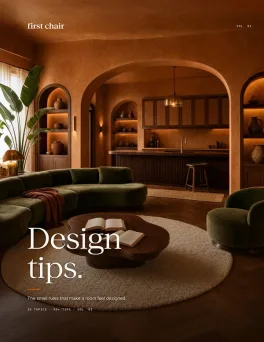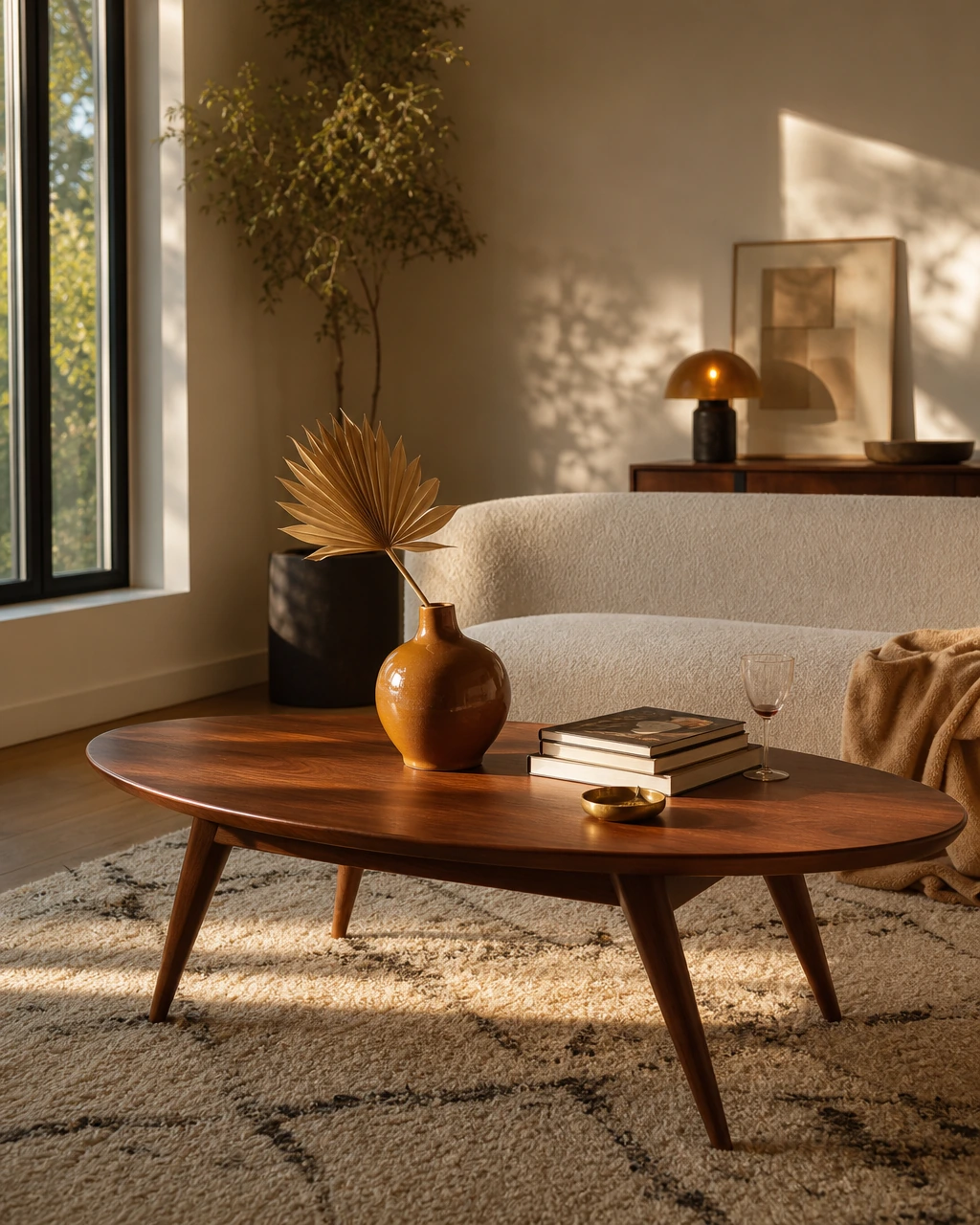
You just moved in with your partner to a railroad apartment in Williamsburg, and the compromise phase has officially begun. Your cream bouclé sofa survived the move. Their black gaming chair did too. The Pinterest board you both swore you'd follow somehow turned into 14 tabs of "mid-century but warmer" coffee tables, three abandoned CB2 carts, and one rug that looked wildly different in daylight. InteriorAI generates a gorgeous render of your living room in 30 seconds. The lighting is perfect. The room feels cohesive. Then you try to buy it, and none of the furniture exists. The sofa is AI-generated. The rug is a hallucination. The room you fell in love with can't actually be built.
This is the core limitation pushing design-minded renters and first-time homeowners toward InteriorAI alternatives that connect inspiration to real, shoppable pieces.
InteriorAI excels at fast visualization with 55+ preset design styles, but the renders often stop at inspiration. For anyone ready to move beyond pretty pictures and into a finished room with pieces from West Elm, CB2, or Article, these six alternatives take a more practical approach to getting from concept to checkout.
Key Takeaways
- Shoppable designs separate serious alternatives from render-only tools: First Chair generates room concepts using real furniture from multiple retailers, while most InteriorAI alternatives create beautiful renders filled with pieces you can't purchase anywhere
- Multi-retailer sourcing matters for cohesive rooms: First Chair pulls across West Elm, CB2, Crate & Barrel, Pottery Barn, Lulu & Georgia, plus brands you haven't met yet, rather than locking you into one store's catalog
- Floor planning tools solve different problems than visualization: Homestyler and Planner 5D excel at spatial planning and 3D modeling but require you to hunt for furniture separately after designing
- Free tiers come with real tradeoffs: Spacely AI offers free renders for testing, but the gap between visualization and purchasing remains unsolved without additional tools or hours of tab-hunting
Inspiration Without Execution

InteriorAI processes room photos in roughly 25-30 seconds, transforming empty spaces into styled renders across dozens of aesthetic directions. The speed is impressive. The quality is often stunning. But users consistently report the same frustration: no way to purchase the furniture shown.
This creates what interior design professionals call the "inspiration gap." You can see exactly what you want, but translating that vision into a real room requires opening dozens of furniture tabs, approximating each piece, and hoping the proportions work together.
The alternatives below address different aspects of this gap, from shoppable room concepts to detailed floor planning to budget-friendly quick renders.
1. First Chair: Comes with Real, Buyable Furniture
First Chair takes a fundamentally different approach than InteriorAI or any visualization-only tool. Instead of generating fantasy renders, First Chair creates room concepts using actual furniture and decor from real retailers that you can purchase the same day.
What It Does Well
First Chair solves the specific problem of having taste but struggling with execution. You upload inspiration photos, describe the aesthetic direction you want (Scandi with walnut warmth, mid-century with rounded arms, minimalist but livable), and receive curated concepts built entirely from purchasable pieces. The room you see is the room you can buy.
Key Features
- Room concepts built exclusively from real, purchasable furniture and decor
- Multi-retailer sourcing across CB2, Crate & Barrel, Pottery Barn, and more
- Nuanced style interpretation that handles layered directions like "rustic but refined" or "botanical, not tropical"
- Insider pricing on most pieces, with member savings appearing at checkout
- Direct purchase path from visualization to completed order
Why It Stands Apart
Every other alternative on this list requires a separate shopping phase after visualization. First Chair eliminates that entirely. The room concept and the purchase path exist in the same experience, which means no more hunting for "something similar" to a sofa that doesn't exist.
If you're ready to actually furnish a room, not just look at renders, First Chair connects inspiration directly to checkout. First Chair works for anyone who has taste and inspiration but needs help translating it into specific, purchasable furniture that works together.
2. Spacely AI: Professional-Grade Renders
Spacely AI is a strong fit for design professionals creating proposals and client-facing concepts. It’s for architects, agencies, and interior design teams to communicate a vision quickly through polished concepts and presentation-ready renders.
The renders typically feature generic or AI-generated pieces instead of real, purchasable products. Once a client approves the direction, the sourcing process still happens separately through vendors, trade catalogs, and procurement workflows.
What It Does Well
Spacely excels at producing polished, presentation-quality renders in roughly 45 seconds. Design professionals use it to pitch concepts, present directions to clients, and create proposal-ready visuals before sourcing begins.
Key Features
- Professional-grade render quality suitable for client presentations
- Free tier available for testing and occasional use
- Sketch-to-render capabilities for early concept development
- SketchUp integration for architects and designers
- Multiple industry awards validating output quality
How It Differs from First Chair: Spacely AI is built for architects and interior designers creating concepts for clients. First Chair is designed for people who want help actually furnishing their own space with real products.
3. Homestyler: Complete Floor Planning with 3D Visualization
Choose Homestyler if your problem is with floorplanning. If you’re working on designing your room and furnishing it, too, you’d probably want to skip this instead.
If your goal is creating a room that feels cohesive, styled, and fully furnished, the experience can feel more technical than design-led. The focus is on mapping the room, not necessarily helping you bring the finished look together.
What It Does Well
Homestyler lets you build rooms from scratch with accurate dimensions, then populate them with furniture from an extensive catalog. The AR mobile preview feature allows you to see furniture at scale in your actual space. For anyone dealing with an awkward layout or trying to figure out whether a sectional will actually fit through the doorway, the measurement-first approach solves real problems.
Key Features
- Full 2D floor plan creation with 3D visualization
- 10M+ model library covering furniture, materials, and finishes
- AR mobile app for viewing furniture at 1:1 scale in real spaces
- CAD import/export (DWG/PDF) for professional workflows
- Team collaboration features for shared projects
How It Differs from First Chair: Homestyler makes sense if you're planning a renovation or dealing with challenging room dimensions. But once you've solved the layout problem, you're still left hunting for actual furniture.
4. RoomGPT: Budget-Friendly Quick Visualization
RoomGPT is built for fast, low-commitment experimentation. It’s one of the most accessible AI room tools on the market, aimed at people who want to test a few visual directions without spending much time or money.
The experience is lightweight by design. You upload a room photo, pick a style, and get a quick render back within seconds. It works well for casual inspiration and rough mood-boarding, especially if you’re still figuring out the general look you want.
RoomGPT produces basic render quality compared to professional-grade alternatives, and like InteriorAI, shows furniture that can't be purchased. The renders provide directional inspiration but require significant additional effort to translate into buyable pieces. The platform works for quick mood-boarding but not for actual furnishing decisions.
What It Does Well
RoomGPT makes it easy to explore aesthetic directions quickly. The platform keeps the process simple, fast, and inexpensive, which makes it approachable for first-time users experimenting with room ideas.
Key Features
- Multiple design style options for quick iteration
- Fast render generation for rapid experimentation
- Mobile-friendly interface via iOS app
How It Differs from First Chair: The platform works best as a quick mood-board generator. If your goal is actually pulling a room together with real furniture, you’ll still need a separate process for sourcing, matching, and shopping.
5. Planner 5D: Detailed Layout and Renovation Planning
Planner 5D takes the technical design approach even further than Homestyler, offering detailed 2D and 3D planning tools aimed at both homeowners and professionals.
What It Does Well
Planner 5D excels at the architectural side of interior design. You can create accurate room layouts, experiment with wall placement and structural changes, and visualize how different floor plans would function before any furniture enters the picture. For anyone considering renovation work alongside furnishing, the layout-first approach makes sense.
Key Features
- Detailed 2D floor plan creation with precise measurements
- 3D visualization with walkthrough capability
- Extensive furniture and material libraries for visualization
- Project sharing and collaboration tools
- Cross-platform availability (web, mobile, desktop)
How It Differs from First Chair: Planner 5D solves layout and spatial planning problems rather than furniture curation and purchasing.
6. DecorMatters: Community-Driven Design Inspiration
DecorMatters works if you enjoy collaborative inspiration and want feedback on design directions. The platform combines AI room visualization with a community of design enthusiasts sharing concepts, ideas, and feedback.
Instead of focusing on furnishing a room from start to finish, DecorMatters leans into inspiration and collaboration. You can browse other users’ rooms, join design challenges, and post concepts to get feedback before making decisions.
What It Does Well
DecorMatters emphasizes community feedback and shared inspiration alongside its design tools. You can post room concepts and receive input from other users, browse what others have created, and find aesthetic inspiration through social features rather than just algorithmic suggestions.
Key Features
- AI-powered room visualization and styling
- Community features for sharing and feedback
- Design challenges and collaborative projects
- Mobile-first experience optimized for browsing and inspiration
How It Differs from First Chair: DecorMatters is built for sharing ideas and getting design feedback. First Chair is built for helping you actually furnish the room with real, buyable pieces.
The Visualization-to-Purchase Gap
Most InteriorAI alternatives stop at the render. You upload a room photo, generate a concept you like, then immediately leave the platform to start sourcing furniture yourself. The room looks finished on screen, but turning it into a real space still means opening retailer tabs, comparing lookalikes, checking dimensions, and hoping the pieces work together once they arrive.
A beautiful concept is only useful if you can actually build it.
First Chair is built differently. The concepts are grounded in real, purchasable pieces that are meant to work together from the start. The goal isn’t just inspiration. It’s helping you get to a room that feels finished, personal, and actually possible to bring home.
Frequently Asked Questions
Can AI interior design tools help me buy actual furniture?
Most AI room visualizers, including InteriorAI, generate renders showing furniture that doesn't exist in any store. They're useful for exploring aesthetic directions but require extensive separate shopping to find real pieces. First Chair is the primary exception, building room concepts entirely from purchasable furniture across retailers like West Elm, CB2, Crate & Barrel, and Article. The room you see is the room you can buy.
What are the main differences between InteriorAI and First Chair?
InteriorAI generates quick visualizations with 55+ preset styles using AI-generated furniture that can't be purchased. First Chair takes a fundamentally different approach, creating room concepts built from real, buyable pieces sourced across multiple retailers. InteriorAI helps you imagine a room; First Chair helps you actually live in one.
Are there completely free AI interior design apps available?
Several alternatives offer free tiers with limitations. Spacely AI provides free credits for testing render quality. Homestyler's free tier includes basic 3D with watermarks. RoomGPT offers approximately two free generations. However, free visualization tools still leave the furniture-sourcing problem unsolved, often requiring more time hunting for real pieces than the initial render saved.
How does First Chair help reduce "Pinterest paralysis"?
Pinterest paralysis happens when you've saved hundreds of inspiring images but can't translate them into a finished room. First Chair accepts your saved inspiration, interprets the aesthetic direction you actually want, and generates room concepts using specific, purchasable furniture. Instead of a mood board that sits indefinitely, you get a room you can order this week from retailers you already trust.
Is First Chair suitable for professional interior designers?
First Chair serves design-minded consumers furnishing their own homes rather than professional designers with trade accounts and showroom access. Professionals needing client presentation renders may prefer Spacely AI or Homestyler's technical tools. However, designers looking for a faster way to source retail furniture for residential clients could find First Chair's multi-retailer curation valuable alongside traditional trade resources.