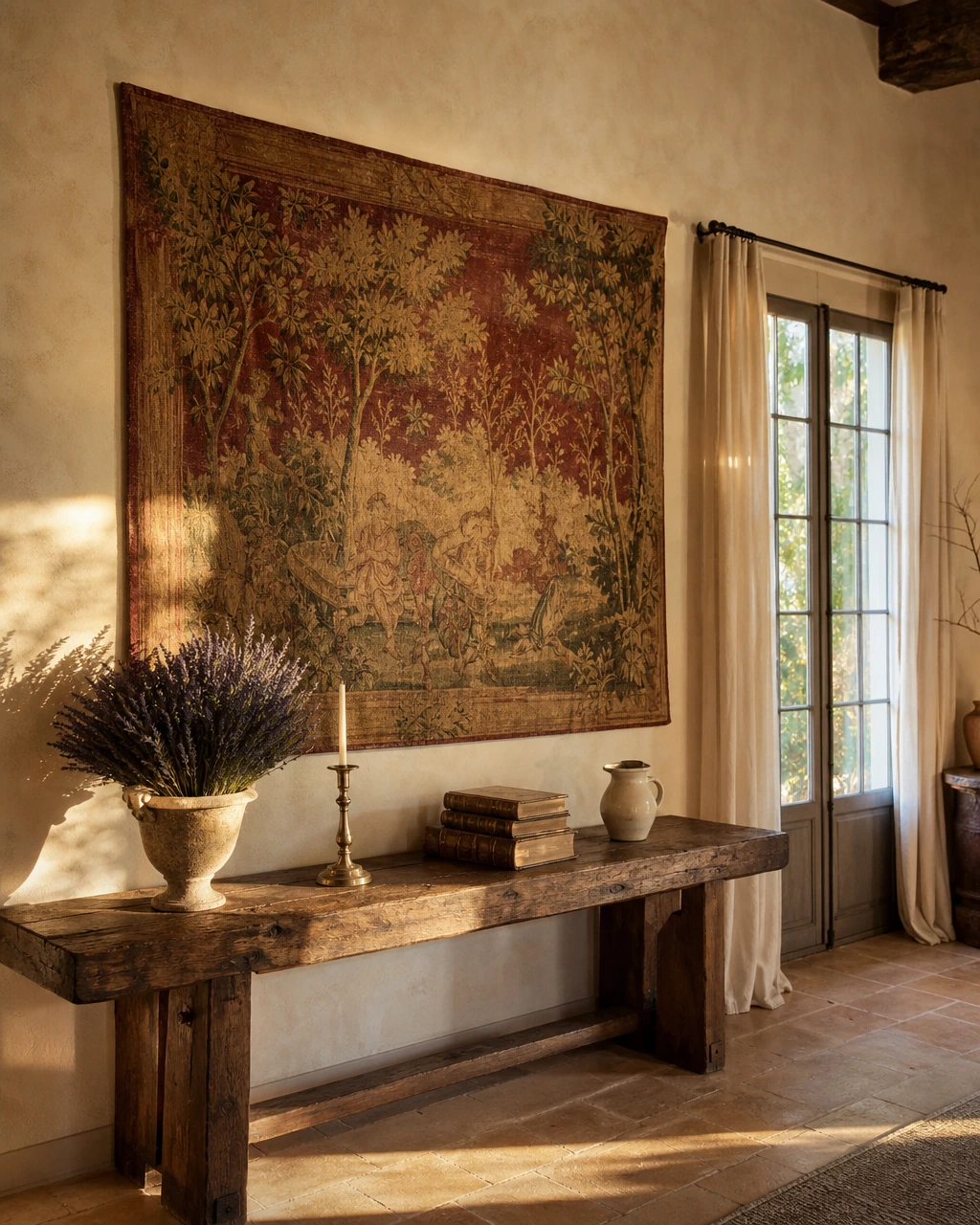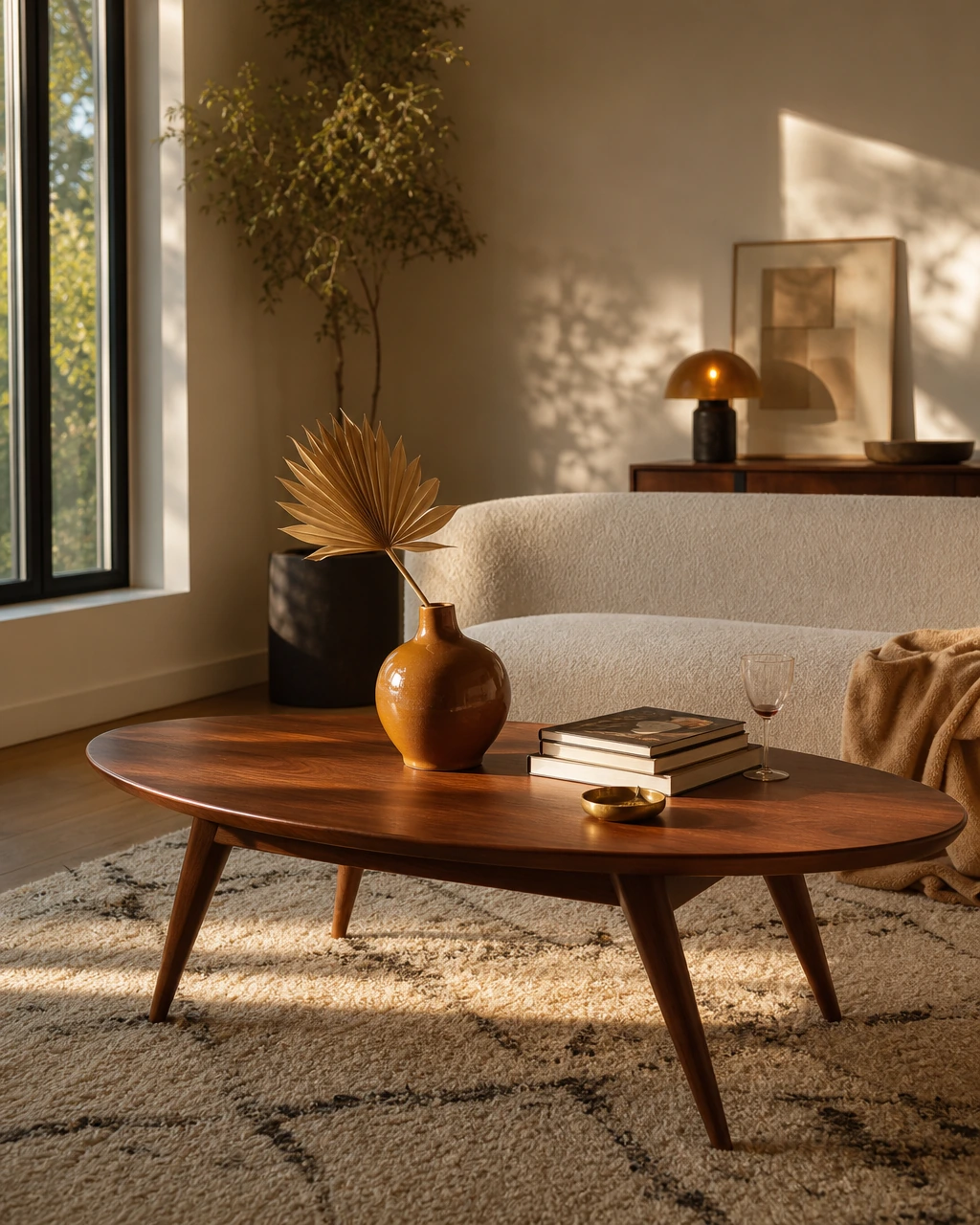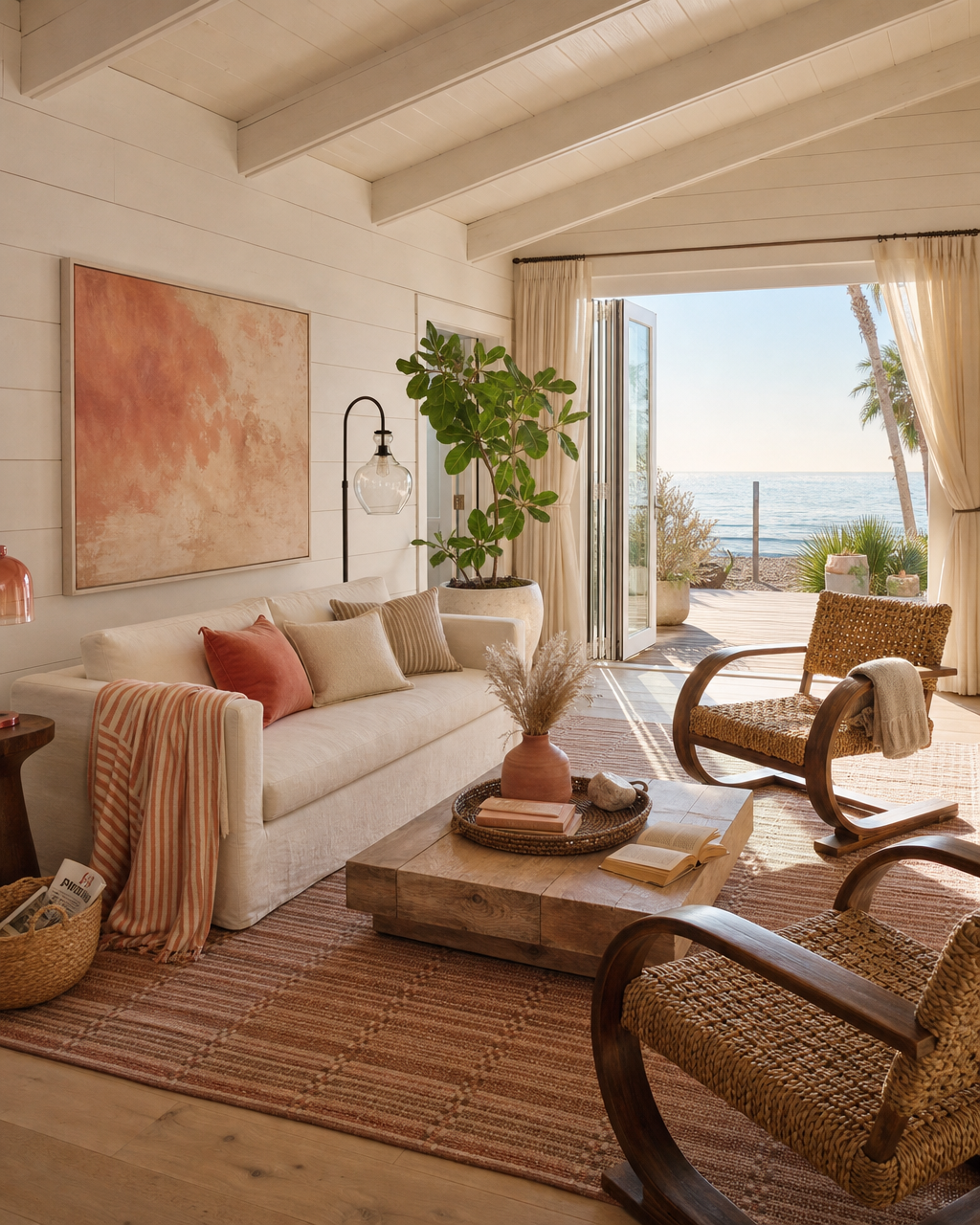
You have seen the photos. The Fort Lauderdale waterfront estate with the infinity pool dissolving into the Intracoastal. The Barcelona residence in Castelldefels with its floor-to-ceiling glass and flat roof sitting quietly against a Mediterranean hillside. You saved them. Maybe more than once. And the thought that followed was not "I wish I had $10 million." It was something more specific: "I want my home to feel like that."
That distinction matters. Because what makes Messi's residences compelling is not the scale. It is the clarity. Warm minimalism. Natural light doing the heavy lifting. Outdoor spaces treated as actual rooms. A palette so restrained it makes every material feel intentional. These are design principles, not price points. And design principles can be borrowed, adapted, and applied at a fraction of the budget.
Messi's Fort Lauderdale mansion spans over 10,500 square feet on 170 feet of waterfront and was purchased for $10.75 million. His Barcelona residence in Castelldefels is valued around $7 million. His broader real estate portfolio, including properties in Miami and Ibiza, is estimated at around $300 million. None of that is the point. The point is that the design language across all of these properties is consistent, coherent, and surprisingly transferable.
This guide breaks down the specific architectural and interior design elements that define Messi's homes, explains why each one works, and gives you a practical framework for applying them to your own renovation or new build.
What you will learn:
- The architectural principles behind Mediterranean Revival and warm minimalism
- How open-plan layouts and neutral material palettes create lasting sophistication
- How to design outdoor spaces as multi-zone living rooms rather than leftover land
- What smart home integration actually requires when planned from the start
- How to design a home gym, wellness suite, and entertainment room that get used
- The sustainability features worth including in a luxury residential project
- The most common mistakes homeowners make when attempting this aesthetic, and how to avoid them
Key Takeaways
- Messi's Fort Lauderdale estate was purchased for $10.75 million and sits on 170 feet of waterfront with an infinity pool, two boat decks, and over 10,500 square feet of living space.
- His Barcelona residence in Castelldefels is valued around $7 million and is defined by flat roofs, floor-to-ceiling glass, and a minimalist interior palette of soft beige and warm grey.
- The design language across his properties, open plans, neutral materials, indoor-outdoor continuity, and integrated technology, is scalable to homes well below the $10 million threshold.
- Warm minimalism consistently outperforms ornate decoration in luxury residential design: material quality and spatial restraint create more lasting sophistication than pattern or volume.
- Outdoor spaces in Messi's homes are treated as multi-zone living rooms, not afterthoughts. That approach is the single most transferable idea for homeowners with meaningful outdoor square footage.
- Smart home technology in his residences is architecturally integrated from the start, not retrofitted. Planning for it early saves significant cost and disruption.
- His global real estate empire, including residences and seven high-end hotels, is estimated at around $300 million.
The Architecture Behind Messi's Homes: Mediterranean Revival Meets Warm Minimalism

Mediterranean Revival architecture is a residential style rooted in Italian and Spanish coastal precedents, characterized by stucco exteriors, tiled or flat roofs, arched openings, covered loggias, and a strong structural relationship between interior and exterior space. Messi's Fort Lauderdale estate is described as a Mediterranean-style home updated with clean lines, minimal ornamentation, and expansive glazing. His Barcelona residence takes the same coastal DNA and strips it further: flat roofs, horizontal lines, and glass walls that read closer to warm modernism than traditional Spanish villa.
The result across both properties is what design analysts now call warm minimalism. It is not cold Scandinavian restraint. It is not maximalist Mediterranean ornament. It sits between the two: generous volumes, natural materials, and a palette that feels calm rather than stark.
What Makes the Barcelona Residence Work Architecturally
The Barcelona home relies on three architectural moves that work together. Floor-to-ceiling glass walls dissolve the boundary between interior living areas and the garden and pool beyond. An open-plan layout removes the visual interruptions that make rooms feel smaller and more formal. A consistent material palette, marble floors, custom woodwork, soft plaster walls, carries from room to room without interruption, creating a sense of cohesion that reads as intentional rather than assembled.
None of these moves require a $7 million budget. They require a clear brief and a willingness to resist the urge to add more.
Translating Mediterranean Revival to Your Own Project
The most common mistake homeowners make when attempting Mediterranean-inspired design is copying the decorative surface without understanding the structural logic underneath. Terracotta roof tiles and arched doorways are not the point. The point is the relationship between mass and void, between covered and open space, between interior rooms and exterior living areas.
A practical starting framework for a Mediterranean-influenced renovation:
- Identify the primary view from your main living areas and orient the largest glazing toward it.
- Replace solid exterior walls adjacent to outdoor living areas with sliding or folding glass door systems.
- Use a consistent hard flooring material that runs from inside to outside, visually extending the interior.
- Keep the exterior palette to two or three materials: stucco or smooth render, natural stone, and timber or steel for detail.
- Add covered outdoor space, a loggia, pergola, or deep overhang, to create a transitional zone between inside and out.
The table below maps the key architectural characteristics across Messi's primary residences and their practical equivalents for an affluent residential project.
Design ElementBarcelona ResidenceFort Lauderdale EstatePractical EquivalentRoof formFlat roof with horizontal emphasisMediterranean Revival with modern updatesFlat or low-pitch roof; avoid steep traditional pitchesExterior materialStucco, glass, clean renderStucco, stone, expansive glazingTwo to three materials maximum; avoid mixing too many finishesGlazing strategyFloor-to-ceiling glass wallsExpansive windows, lofty ceilingsHigh-performance sliding glass door systems oriented to primary viewInterior-exterior connectionOpen plan to garden and poolWaterfront terraces, infinity poolConsistent flooring from inside to terrace; sliding doors to outdoor living zoneArchitectural characterWarm modernism, flat planesMediterranean Revival, clean linesChoose one clear architectural language and hold it across the project
Open-Plan Living and Interior Design Principles
Open-plan layout is a floor plan configuration where traditional partitions between kitchen, dining, and living spaces are minimized or removed, creating larger, flowing social areas. Both Messi's Barcelona and Fort Lauderdale homes use open plans with high ceilings to maximize light, air circulation, and social flexibility. The Architectural Digest India coverage of his Barcelona home notes that the interior feels spacious and uncluttered despite housing a family of five.
The interior palette across his properties is consistent: soft beige, warm grey, and taupe as base tones, layered with marble, custom woodwork, and textiles. There are no competing focal points. There is no pattern mixing. The sophistication comes entirely from material quality and spatial proportion, not from decoration.
Neutral Palettes Done Right: Material Quality Over Visual Noise
The instinct when working with neutral palettes is to add interest through pattern or contrast. Messi's homes resist that instinct. Interest comes from texture instead: the grain of a stone floor, the warmth of a timber ceiling, the weight of a linen sofa. The palette stays quiet so the materials can speak.
A practical approach for homeowners:
- Anchor the room with one high-quality hard surface. Marble, limestone, or large-format porcelain in a warm tone sets the foundation.
- Choose upholstery in natural fibers: linen, bouclé, or wool in off-white, warm grey, or camel.
- Limit wood tones to one or two. Mixing too many wood species in a neutral room creates visual noise without adding warmth.
- Use art and greenery as the only strong visual accents. One large-scale artwork and a few well-placed plants do more than a gallery wall of smaller pieces.
For homeowners working through furniture selection for a cohesive room, the principle is the same one that defines Messi's interiors: fewer pieces doing more work.
Room-by-Room Design Breakdown
The table below maps the key design choices visible across Messi's primary residences and their practical equivalents for an affluent residential project.
RoomMessi's ApproachPractical EquivalentLiving areaOpen plan, high ceilings, floor-to-ceiling glass, neutral upholsteryRemove non-structural walls; invest in large sliding glass doors; choose a single sofa in natural linenKitchenCustom millwork, integrated appliances, indoor-outdoor kitchen connectionSub-Zero or Wolf appliances; handleless cabinetry in warm white or timber veneer; pass-through window to outdoor kitchenPrimary suiteSpa-adjacent, calm palette, private terrace accessDedicate one bathroom to a full wellness suite; add a private terrace door from the bedroomOutdoor livingInfinity pool, lounge zones, dining terrace, sports areaZone the garden into sun, shade, dining, and activity areas; connect each zone to a specific interior roomEntertainmentPrivate cinema, gaming room, multi-room audioChoose one dedicated entertainment room; invest in acoustic treatment and a quality projection systemGym and wellnessOn-site gym, spa center, saunaPrioritize a gym and one wellness feature (sauna or steam) over trying to replicate every amenity
Indoor-Outdoor Living: How Messi's Properties Handle the Transition
Indoor-outdoor living is a design approach that treats exterior spaces as functional extensions of the interior, connected through large openings, consistent materials, and deliberate spatial planning. It is the defining feature of Messi's Fort Lauderdale estate, which sits on 170 feet of waterfront with an infinity pool, two boat decks, and multiple terraces designed for both daily use and entertaining.
The outdoor areas are not decorative. They are programmed. There is a zone for swimming, a zone for lounging, a zone for dining, and a zone for active recreation. Each zone connects visually and physically to a specific interior room. The result is a home that feels significantly larger than its footprint because the usable living area extends well beyond the walls.
Designing an Infinity Pool and Waterfront Terrace
An infinity pool is a swimming pool designed with one or more edges that visually merge with the horizon or surrounding landscape, typically overlooking water, a valley, or a garden. Messi's homes use infinity pools to anchor the outdoor living zone and create a visual connection between the interior and the view beyond.
For homeowners considering a similar installation:
- Site the pool on the axis of the primary view from the main living area. The pool should be visible from inside, not hidden behind the house.
- Use a consistent coping and deck material that matches or complements the interior flooring.
- Plan for an outdoor kitchen and covered dining area adjacent to the pool, not separated from it.
- Integrate lighting into the pool shell and surrounding landscape from the start. Retrofitting underwater and landscape lighting is significantly more expensive.
- In waterfront markets like Fort Lauderdale, dock permitting and coastal construction rules apply. Confirm local floodplain and coastal construction requirements before finalizing the design.
Private Sports Facilities and Active Recreation Spaces
Messi's Barcelona property includes a personal football pitch with full turf and goals. This is the most celebrity-specific element of his homes and the least directly transferable. But the underlying principle, dedicating meaningful outdoor square footage to active recreation, is entirely relevant.
For most affluent homeowners, the practical equivalent is a padel court, a half-court basketball setup, or a high-quality synthetic turf area for children. The design principle is the same: treat the sports area as a designed space with proper surfacing, lighting, and boundary definition, not as leftover land.
Smart Home Technology Integration in Luxury Residences
Smart home integration in Messi's residences includes smart temperature control, surveillance cameras, perimeter alarms, smart locks, and remote-controlled lighting and sound systems, as documented in design analysis of his homes. These systems are not retrofitted additions. They are architecturally integrated, with concealed wiring, dedicated equipment rooms, and control interfaces built into the design from the outset.
This distinction matters enormously for homeowners planning a renovation or new build. Smart home systems planned from the start cost a fraction of what they cost to retrofit. Conduit runs, equipment room sizing, and network infrastructure are straightforward to include during construction and expensive to add afterward.
Core Systems Worth Prioritizing
Not every smart home feature delivers equal value. The systems that consistently justify their cost in luxury residential projects are:
- Lighting control: Motorized shades and programmable lighting scenes transform how a room feels at different times of day. Lutron is the industry standard for high-end residential lighting control.
- Climate control: Zoned HVAC with smart scheduling reduces energy consumption and improves comfort. Mitsubishi Electric and Daikin produce systems compatible with advanced automation platforms.
- Security and access: Controlled entry, perimeter cameras, and smart locks are standard in gated residential communities. ADT and Honeywell Home offer residential-grade systems with professional monitoring.
- Multi-room audio: Whole-home audio systems from Sonos or Bose allow consistent sound quality across indoor and outdoor zones without visible speakers in every room.
- Centralized control: Platforms like Crestron or Control4 integrate all of the above into a single interface, controllable via mobile device or wall panel.
Planning Smart Technology Into a Renovation
The most common mistake in smart home planning is treating it as a technology decision rather than an architectural one. The decisions that matter most happen before a single device is purchased.
- Identify which rooms and zones require automation during the design phase.
- Specify conduit runs and pull strings in all walls and ceilings before they are closed.
- Allocate a dedicated equipment room or closet for networking hardware, amplifiers, and control processors.
- Coordinate with the architect and MEP engineer on equipment room sizing, ventilation, and power requirements.
- Choose a single automation platform and hold to it. Mixing platforms creates integration problems that are expensive to resolve.
For homeowners exploring interior design apps for homeowners as a starting point for planning, technology integration is worth addressing early in the design process, not as a finishing detail.
Home Gym, Wellness Suites, and Entertainment Rooms
Messi's Barcelona mansion includes a gym, spa, and private theatre. His Fort Lauderdale estate adds a fitness room, spa center, gaming room, and movie theater. These amenities reflect a broader shift in luxury residential design: wellness and entertainment spaces are now treated as core program elements, not optional extras.
A home spa or wellness suite is a dedicated area featuring spa-like amenities, typically including a sauna, steam room, massage area, and relaxation zone, often positioned adjacent to a home gym. A private cinema is a dedicated, acoustically optimized room with a large projection screen, tiered or lounge seating, and immersive sound.
Designing a Home Gym That Gets Used
The most important design decision for a home gym is not the equipment. It is the location and the environment. Gyms placed in dark basements with low ceilings get used less than gyms with natural light, good ventilation, and a direct connection to outdoor space.
Practical guidelines:
- Allocate a minimum of 300 to 400 square feet for a functional home gym with cardio, strength, and stretching zones.
- Use rubber flooring throughout. It protects the subfloor, reduces noise, and is easier to clean than tile or hardwood.
- Install a wall of mirrors on at least one side. This is functional, not decorative.
- Invest in a few high-quality pieces of equipment rather than filling the room with machines that will go unused. Technogym produces premium residential fitness equipment that holds up aesthetically in a well-designed space.
- Position the gym adjacent to the wellness suite if budget allows. The transition from workout to recovery is a design move that significantly increases how often both spaces get used.
Home Cinema Design Principles
A private cinema is not simply a large television in a dark room. The elements that separate a well-designed home theatre from an expensive afterthought are acoustic treatment, proper screen sizing relative to seating distance, and a lighting system that transitions between ambient and blackout modes.
Key decisions:
- Screen size should be determined by the seating distance, not by the room size. A general rule is that the screen width should be roughly half the viewing distance.
- Acoustic panels on the rear and side walls reduce echo and improve dialogue clarity. They do not need to be visible as acoustic panels; fabric-wrapped panels can be designed to look like wall art.
- Seating should prioritize comfort over capacity. Four to six well-designed lounge chairs or a custom sectional will be used more than twelve cramped theatre seats.
Eco-Conscious Design and Sustainability in Messi-Inspired Homes
Design coverage of the "One-Zero Eco-House" concept developed in response to Messi's profile cites a projected build cost of approximately $8.2 million, incorporating solar panels, a rooftop garden, and smart climate systems as core architectural features rather than add-ons. This reflects a broader direction in luxury residential design: sustainability is no longer a compromise. It is a quality signal.
High-net-worth homeowners increasingly treat energy performance, material provenance, and environmental impact as part of the design brief, alongside aesthetics and amenity. This is consistent with the direction of luxury real estate markets in coastal cities like Miami, Barcelona, and Ibiza, where Messi's property portfolio is concentrated.
Practical Sustainability Features Worth Including
The sustainability features that deliver the best combination of environmental performance and long-term value in luxury residential projects are:
- Solar and battery storage: SunPower and Tesla Energy produce residential solar and battery systems that integrate cleanly into modern architecture. In Florida and California, solar is now standard in new luxury construction.
- High-performance glazing: The large glass walls that define Messi's homes are only viable in warm climates if the glazing performs well thermally. Triple-glazed or low-E coated glass systems prevent the heat gain and loss that would otherwise make floor-to-ceiling windows impractical.
- Efficient HVAC: Zoned heat pump systems from Mitsubishi Electric or Daikin reduce energy consumption significantly compared to traditional forced-air systems, particularly in homes with high ceilings and large glazing areas.
- Sustainable materials: Reclaimed timber, locally sourced stone, and low-VOC finishes are increasingly available at the quality level required for luxury residential projects.
Tools and Solutions for Recreating This Aesthetic
Translating Messi's design language into a real project requires a coordinated stack of specialists and vendors. The table below maps the key categories and representative options.
High-End Residential Architecture and Interior Design
For master planning, facade design, layouts, and finishes, the right firm shapes every decision that follows.
- Gensler: Global architecture and interiors firm active in luxury residential and mixed-use projects.
- HOK: Large practice offering high-end residential and hospitality design with strong emphasis on sustainability.
- Boutique warm modernism studios: Smaller, design-forward firms known for the restrained luxury aesthetic visible in Messi's Barcelona home tend to produce more tailored results than large corporate practices for residential projects.
Smart Home and Automation Systems
Integrated lighting, climate, audio, and security require a platform decision made early in the design process.
- Crestron: Advanced home automation and AV control systems widely used in luxury homes.
- Control4: Whole-home automation platform for lighting, audio, climate, and security.
- Lutron: Specialized in high-end lighting control and motorized shades, particularly relevant for glass-heavy Mediterranean and modern homes.
Security and Surveillance
Gated entry, perimeter monitoring, and high-profile privacy setups are standard in the residential tier Messi's homes occupy.
- ADT: Residential security systems with professional monitoring and cameras.
- Honeywell Home: Security, cameras, and smart locks integration.
- Vivint: Integrated smart home security and surveillance systems.
Outdoor Living, Pools, and Landscape Design
Creating infinity pools, terraces, gardens, and sports spaces requires specialists who treat exterior areas as architectural rooms.
- Custom luxury pool builders: Firms specializing in infinity pools and spa integration for waterfront properties.
- Leading landscape architecture firms: For waterfront terraces, Mediterranean planting schemes, and sports fields.
- FieldTurf and Sporturf: Synthetic turf providers for private sports pitches and active recreation areas.
Home Gyms, Entertainment Rooms, and Specialty Interiors
Fitness suites, gaming rooms, and cinemas each require category-specific expertise.
- Technogym: Premium fitness equipment designed for luxury residential gyms.
- Private cinema integrators: Specialists in acoustic treatment, projection systems, and custom seating for home theatres.
- Sonos and Bose: Multi-room audio systems for entertainment spaces and outdoor zones.
Luxury Kitchen and Bath Fixtures
The material quality in Messi's kitchens and bathrooms comes from a small number of high-performing brands.
- Sub-Zero and Wolf: High-end refrigeration and cooking appliances for showpiece kitchens.
- Kohler and Dornbracht: Premium bath and kitchen fixtures.
- Caesarstone and Cosentino (Silestone, Dekton): Engineered surfaces for countertops and flooring.
Interior Design and Furniture Curation
Translating an architectural vision into actual furniture and decor decisions is where most homeowners get stuck. The inspiration is clear. The execution is not. You know you want warm woods, clean silhouettes, and a neutral palette that feels collected rather than matched. Finding the specific sofa, the right rug, the lighting that works with the ceiling height, across multiple retailers, without spending weeks in tabs, is a different problem entirely.
First Chair is built for exactly this moment. Upload a photo of a room you love, describe the aesthetic direction you are working toward, and the platform generates a cohesive room concept using real, in-stock furniture from actual retailers including West Elm, CB2, Crate and Barrel, Pottery Barn, and Lulu and Georgia. Every recommendation is a piece you can actually buy. For homeowners working through a renovation inspired by the design language in Messi's homes, First Chair narrows the field from overwhelming to actionable, with member pricing built in and no endless scrolling required.
Best Practices for Recreating the Messi Design Language
These principles are drawn from design analysis of his residences and broader luxury residential practice. They are not aspirational. They are operational.
- Prioritize family-centric function over showpiece rooms. Analyses of Messi's Barcelona home emphasize that it is not a showy mansion. It is a refined, purpose-driven residence where open family areas, functional kitchens, and leisure spaces dominate over ostentatious decoration. Design main living areas around how your family actually spends time before adding statement rooms.
- Use glass and natural light to connect interiors with views and landscape. Messi's homes rely on floor-to-ceiling windows and sliding doors to bring in sea and waterfront views, making relatively simple interiors feel luxurious. Invest in high-performance glazing and align major rooms to views. Use consistent flooring from inside to terrace to visually extend space.
- Adopt a neutral, timeless palette with rich materials, not busy patterns. Interior descriptions highlight soft beige, grey, and taupe, marble floors, and custom woodwork, achieving sophistication through material quality rather than bold decoration. Create a base of neutral walls and floors; layer texture and a few art pieces instead of multiple competing focal points.
- Integrate smart and sustainable solutions from the outset, not as add-ons. Eco-home coverage emphasizes solar panels, smart temperature control, and efficient systems integrated architecturally rather than retrofitted. During design, coordinate the architect, MEP engineers, and smart home vendor to plan for concealed wiring, equipment rooms, and roof space for solar and batteries.
- Design outdoor areas as rooms with specific functions. Messi's residences treat the backyard and waterfront as a multi-zone lifestyle space: infinity pool, lounge areas with shade, terraces for gatherings, sports area, boat docks. Map the exterior into functional zones and connect them to specific interior rooms via doors and sightlines.
- Balance privacy and openness with thoughtful siting and landscaping. Waterfront homes must blend openness (views) with privacy (no direct sightlines from public areas). Use hedges, trees, and screens to shield vulnerable areas while keeping main view corridors open. Reserve some outdoor zones as fully private.
- Curate amenities that match your lifestyle and maintenance capacity. Messi's mix of gym, spa, cinema, pitch, and docks reflects his specific priorities. Choose two or three major amenities you will truly use rather than overloading the house with underused, high-maintenance facilities.
Common Mistakes to Avoid
These are the errors that consistently undermine otherwise well-intentioned luxury residential projects attempting this aesthetic.
- Copying scale instead of principles. Attempting to mirror Messi's 10,500-square-foot waterfront estate leads to wasted space and high operating costs. Focus on translating his principles, light, open plans, functional luxury, at a size that fits your family and plot. The consequence of overbuilding relative to your actual lifestyle is a home that feels empty rather than generous.
- Overdecorating and mixing conflicting styles. Messi's homes show restraint: minimalist decor, clean lines, neutral palettes. Overmixing styles, Mediterranean outside, ultra-ornate inside, too many competing colors, dilutes the luxury feel immediately. Choose one clear architectural and interior language and hold it across every room.
- Treating outdoor spaces as afterthoughts. A significant portion of the value in Messi's properties comes from the outdoor amenities: pitch, pool, terraces, water access. Homeowners who allocate most of their budget to interior finishes and leave the garden as a construction afterthought consistently regret it. Budget for outdoor zones from the start of the project, not after the interior is complete.
- Retrofitting smart home technology. Planning smart systems after construction is complete typically costs two to three times more than integrating them during the build, and the result is always less clean. Visible conduit, surface-mounted equipment, and compromised aesthetics are the consequence. Make the technology decisions before the walls close.
- Choosing the wrong glazing for the climate. Floor-to-ceiling glass is central to this aesthetic but requires high-performance glazing in warm climates. Standard double-glazed units in a Florida or Southern California home will create heat gain that makes the spaces uncomfortable and drives up cooling costs. Specify low-E coatings or triple glazing from the outset.
- Underestimating the maintenance requirements of luxury amenities. An infinity pool, a home cinema, a private sports pitch, and a full smart home system all require ongoing maintenance. Homeowners who install all of these without planning for the operational cost often find themselves with underused facilities and unexpected expenses. Be honest about which amenities your household will actually maintain and use.
- Selecting furniture before the architecture is resolved. The neutral palette and clean silhouettes in Messi's interiors work because the proportions of the rooms are resolved first. Furniture selected before ceiling heights, window placement, and flooring are finalized often ends up fighting the architecture rather than working with it. Resolve the shell before committing to pieces.
- Prioritizing trends over timelessness. The design language in Messi's homes is not trend-driven. Warm minimalism, natural materials, and indoor-outdoor continuity have been consistent principles in quality residential architecture for decades. Homeowners who chase the current moment in luxury design often find their renovation feels dated within five years. Build for longevity, not for this season's design coverage.
Frequently Asked Questions
What architectural style defines Lionel Messi's homes?
Messi's residences primarily reflect Mediterranean Revival architecture updated with warm modernist principles. His Fort Lauderdale estate features stucco exteriors, clean lines, and expansive glazing consistent with Mediterranean Revival. His Barcelona residence in Castelldefels takes a more minimalist direction with flat roofs, floor-to-ceiling glass walls, and an open-plan interior. Both properties share a consistent emphasis on indoor-outdoor continuity and neutral material palettes.
How much did Messi's Fort Lauderdale mansion cost?
The Fort Lauderdale waterfront estate was purchased for $10.75 million and spans over 10,500 square feet on 170 feet of waterfront. The property includes an infinity pool, two boat decks, eight to ten bedrooms, multiple living areas, indoor and outdoor kitchens, a fitness room, spa center, and movie theater.
What interior design principles from Messi's homes are most transferable to a typical luxury renovation?
The most transferable principles are warm minimalism (neutral palettes, natural materials, restraint over decoration), indoor-outdoor continuity (consistent flooring from inside to terrace, large sliding glass doors oriented to primary views), and functional amenity planning (designing two or three major amenity spaces properly rather than overloading the home with underused rooms). These principles scale well to homes significantly smaller than Messi's estates.
How do you integrate smart home technology into a luxury renovation without it looking retrofitted?
The key is treating smart home systems as infrastructure decisions made during the design phase, not as appliances added afterward. This means specifying conduit runs before walls close, allocating a dedicated equipment room during the floor plan stage, and choosing a single automation platform (Crestron or Control4 are the standard choices at this level) before any construction begins. Retrofitting smart systems after construction is complete typically costs significantly more and produces a less clean result.
What is the most important outdoor design decision for a home inspired by Messi's residences?
Treating outdoor spaces as programmed rooms rather than leftover land. Messi's Fort Lauderdale estate divides the exterior into distinct zones: swimming, lounging, dining, and active recreation, each connected visually and physically to a specific interior room. The single most impactful move for homeowners with meaningful outdoor square footage is mapping these zones before any construction begins and budgeting for them as seriously as interior rooms.
What is warm minimalism and how does it differ from standard minimalism?
Warm minimalism is a design approach that combines the spatial restraint and uncluttered quality of minimalism with natural materials, soft neutral tones, and tactile textures that prevent the aesthetic from feeling cold or austere. Standard minimalism often relies on white walls, black metal, and hard surfaces. Warm minimalism substitutes soft beige and warm grey for white, introduces timber, stone, and linen, and prioritizes natural light over artificial drama. Messi's Barcelona residence is a consistent example of this approach applied at a luxury residential scale.
Conclusion: From Inspiration to a Room You Can Actually Live In
The design language across Messi's homes is not about wealth. It is about clarity. Every property in his portfolio demonstrates the same set of principles applied consistently: light over decoration, material quality over material quantity, outdoor space treated as program, technology integrated as infrastructure, and amenities chosen for actual use rather than impression.
These are not principles that require a $10 million budget. They require a clear brief, a willingness to resist the urge to add more, and the confidence to commit to a direction and hold it across every decision in the project.
The hardest part for most homeowners is not the architecture. It is the furniture and decor layer, where the inspiration is clear but the execution becomes overwhelming. You know the feeling you are after. Finding the specific pieces that produce that feeling, across multiple retailers, without spending weeks in tabs and second-guessing every choice, is where most projects stall.
That is exactly what First Chair is built to solve. Upload a photo of a room you love, describe the aesthetic direction you are working toward, and the platform generates a cohesive room concept using real, in-stock furniture from actual retailers. Every recommendation is a piece you can actually buy, with member pricing built in. If you are starting with a specific room, the tools for decorating a new apartment guide covers how to sequence the decisions. And if you are working with a tighter footprint, the furniture guide for small city apartments applies the same principles of proportion and restraint at a smaller scale.
The room you have been imagining is closer than you think. The principles are clear. The next move is yours.