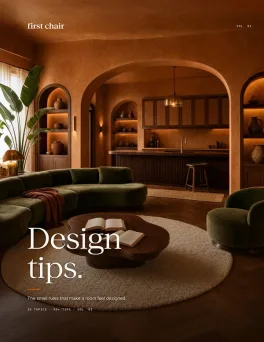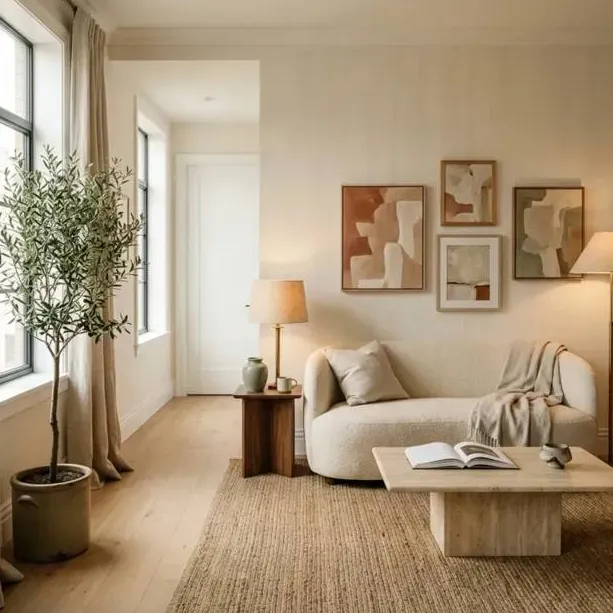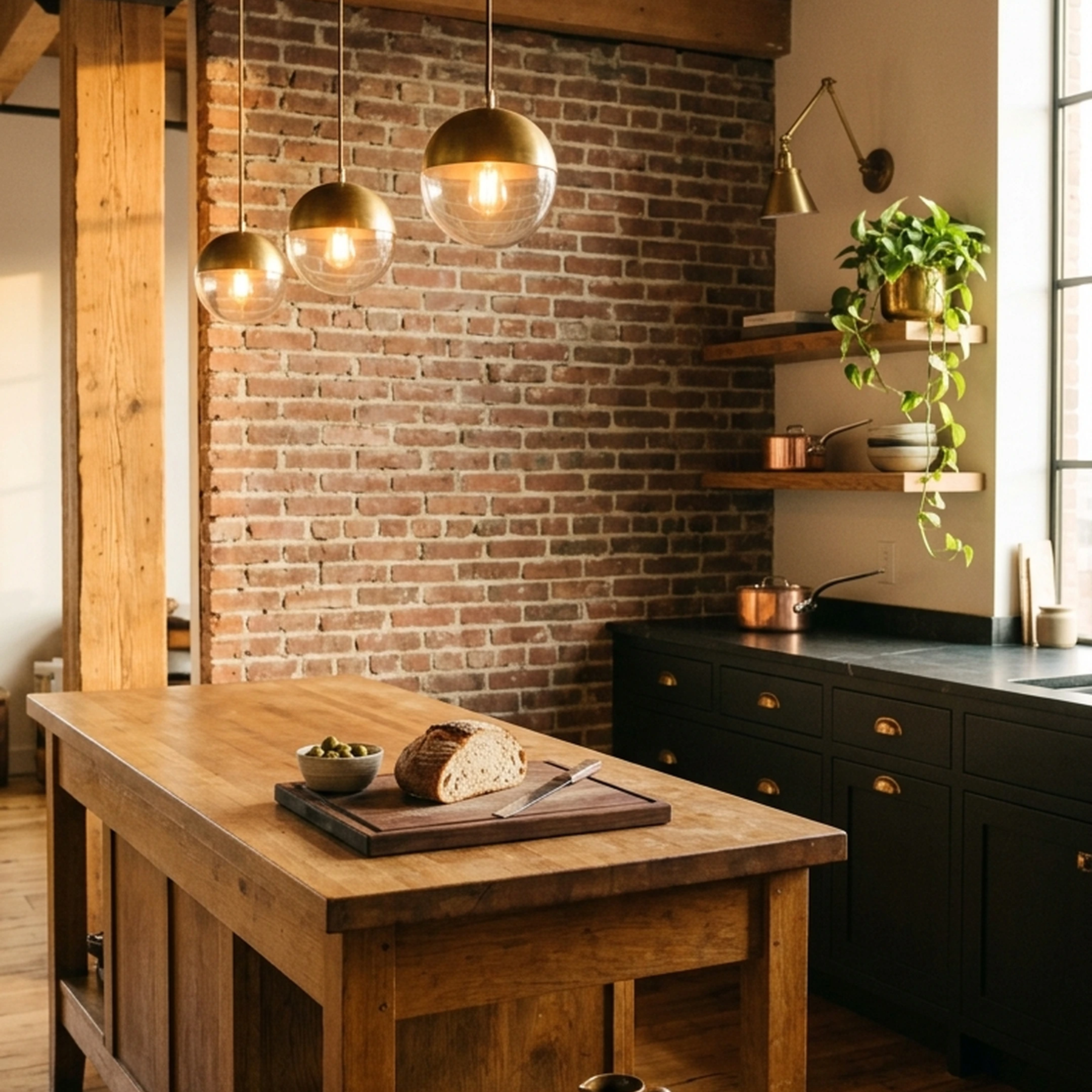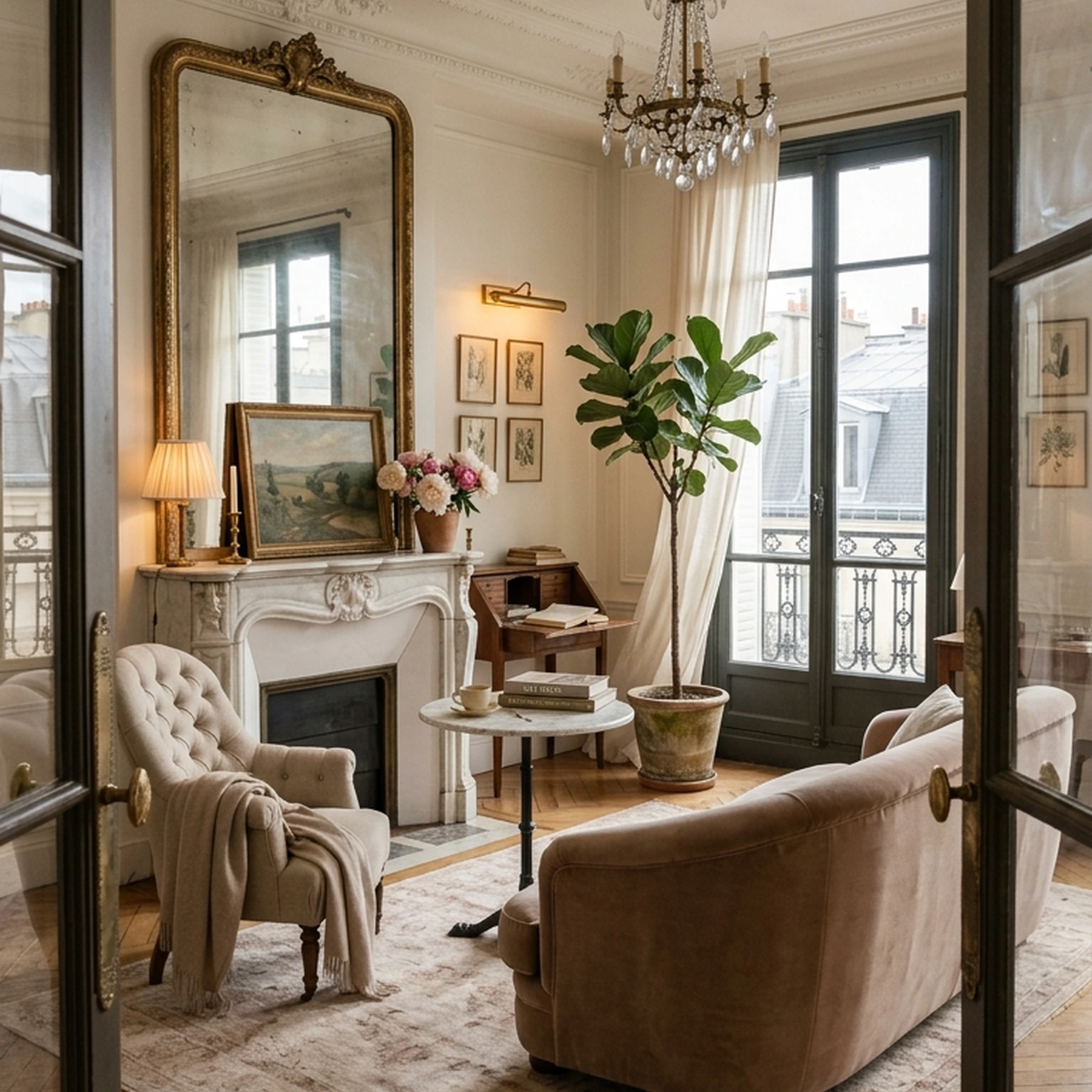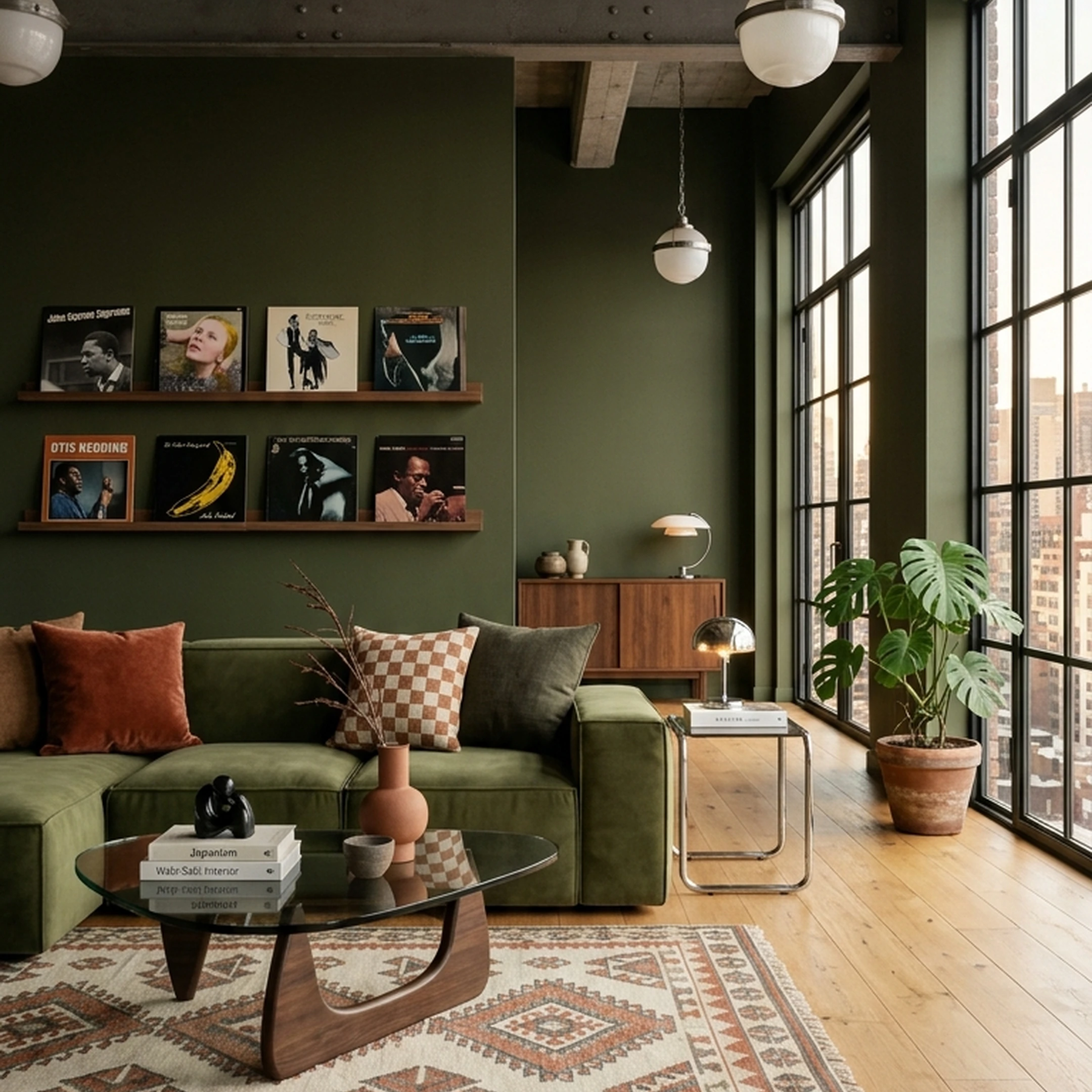
You just moved back home after grad school, and your childhood bedroom needs to become an adult space. It measures 12 by 13 feet with one window and a closet you can't reconfigure. Pinterest has 47 saved rooms you love. The problem is none of them fit your layout or the furniture you can actually find. So you try RoomGPT because everyone on TikTok swears by it. The render looks gorgeous. Warm wood tones, a sectional that fits perfectly, a rug that ties everything together. Then you try to buy any of it, and nothing exists.
This is the reality of AI visualization tools in 2026. The technology has improved dramatically. The renders are stunning. But for anyone serious about decorating a new space, there's a fundamental question worth asking: what happens after the pretty picture?
Key Takeaways
- RoomGPT generates room redesigns fast, but none of the furniture exists. The tool transforms photos into styled renders in 15 to 30 seconds, covering 20+ design themes. The catch: every sofa, rug, and lamp you see is AI-generated. You can't buy any of it.
- Credit-based model requires ongoing purchases. A single room exploration can consume credits quickly once you test multiple styles and regenerate for small changes.
- The "inspiration gap" is RoomGPT's core limitation. Beautiful renders mean little when you spend the next 10 hours manually hunting for similar furniture across West Elm, CB2, and Article. Most users never bridge the gap between visualization and a finished room.
- Shoppable alternatives solve what RoomGPT doesn't. Tools like First Chair generate room concepts using real, purchasable furniture from actual retailers, eliminating the disconnect between what you see and what you can actually buy.
What Is RoomGPT? An Overview of AI Room Design
RoomGPT is an AI-powered visualization tool that transforms room photos into redesigned versions using machine learning. You upload a single photograph of your space, select a design style, and receive a rendered version showing that room reimagined in your chosen aesthetic. The technology uses ControlNet architecture with Stable Diffusion to analyze spatial elements and apply style transfer algorithms.
The tool launched as an open-source project in March 2023 and went viral on TikTok with 3.5 million views. It reached 100,000 monthly visitors within 48 hours and eventually peaked at 4 million monthly website visitors. The rapid growth made it one of the most recognized names in AI room design.
What RoomGPT actually does
Accepts a single room photograph as input, offers 10 to 20+ preset style themes including Modern, Scandinavian, Industrial, Bohemian, and Tropical, generates redesigned renders in 15 to 30 seconds, preserves basic room geometry like walls and windows during rendering, and outputs images suitable for inspiration and concept exploration. The technology works best for quick aesthetic exploration. The limitation becomes clear the moment you try to act on what you see. That linen sectional in the render? It doesn't exist. The walnut coffee table? AI-generated. The pendant light over the dining area? A digital hallucination.
RoomGPT's Features: Exploring the Free AI Room Design App Experience
RoomGPT operates on a credit-based freemium model. New users receive one to three free credits to test the tool, with each generation consuming one credit. After that, you need to purchase more.
Pricing varies depending on the RoomGPT product and platform you use. Some versions use one-time credit packs, while others offer subscription plans through the App Store or Google Play. Check the official pricing page or your app marketplace for the most current plans and rates before purchasing.
- Core features include: Single-photo upload with automatic room detection, style presets covering major design aesthetics, processing times averaging 15 to 30 seconds, downloadable renders without watermarks on paid plans, and basic room geometry preservation during rendering.
- What's missing: No custom text prompts to describe specific preferences, no ability to upload your own furniture pieces, no edit mode for post-generation adjustments, no measurement tools or floor plan integration, and no connection to real furniture or retailers. For casual inspiration, this model works fine. For anyone trying to furnish an actual room with real furniture that fits specific dimensions, the tool hits its ceiling quickly.
RoomGPT vs. The Best AI Room Design Free
The AI room design category has expanded significantly since RoomGPT's viral moment. Several alternatives now offer different approaches to the same problem.
The comparison matters most for users who know their constraints but haven't settled on aesthetic direction. Exploring "Scandinavian with walnut warmth" versus "mid-century modern with leather accents" versus "minimalist with softer textiles" requires iteration. Tools that penalize iteration with per-use models push users toward premature decisions.
For users who want to actually buy what they see, this is where the category splits meaningfully. Most AI room tools generate furniture that doesn't exist. A smaller subset connects directly to real product catalogs.
From Photo to Plan: Using AI Room Design Free From Photo
The photo-to-design workflow is where RoomGPT shines brightest. Upload a picture of your current space, and within 30 seconds you have a visualization of that same room in a completely different style.
The typical RoomGPT workflow
Photograph your room from the main viewing angle, upload the image to the platform, select from available style presets (Modern, Scandinavian, Industrial, etc.), wait 15 to 30 seconds for processing, download or screenshot the result, and repeat with different styles if desired. This process works well for answering "what if" questions. What if my living room went Scandinavian? What if I added industrial elements? What if I softened the space with bohemian textiles? The rapid generation time means you can cycle through multiple aesthetics in a single session.
Where the workflow breaks down
The renders fail the "where do I buy this" test entirely. You see a room that feels right, but every piece in it exists only as pixels. The gap between visualization and execution falls entirely on you. That means hours cross-referencing the render against West Elm's current inventory, CB2's sectional collection, and Crate & Barrel's rug selection, trying to approximate what the AI showed you. For users who want to see broad aesthetic direction before diving into specifics, RoomGPT delivers. For users who need actionable next steps toward a finished room, the workflow creates more questions than it answers.
Beyond Renders: Why Shoppable AI Interior Design Matters
The AI interior design market is growing rapidly. That growth reflects real demand for help bridging the gap between inspiration and finished rooms. But the category is splitting into two distinct approaches: tools that generate beautiful renders of imaginary furniture, and tools that curate real pieces you can actually purchase.
This distinction matters more than any feature comparison. RoomGPT generates renders using AI-created furniture. The sofa proportions look perfect. The wood tones coordinate beautifully. The rug anchors the space exactly right. None of it exists. You're essentially looking at a fantasy version of your room filled with imaginary pieces.
The real cost of non-shoppable renders
10+ hours per room hunting for similar pieces across multiple retailers, frequent mismatches between what you find and what the render showed, higher return rates when purchased furniture doesn't match expectations, and decision fatigue from endless tabs and options without clear guidance. This is why furniture return rates remain stubbornly high in online retail. People buy based on inspiration they can't quite match, receive pieces that don't work together, and send them back. Shoppable AI design takes a fundamentally different approach. Instead of generating fictional furniture, it curates real pieces from actual retailers and shows them working together in your space.
Transforming Inspiration to Reality: The Power of Confidence-Driven Design Tools
The gap between saving inspiration and finishing a room isn't a knowledge gap. Most people know what they like. They've saved hundreds of pins. They can point to hotel lobbies, cafe interiors, and friends' apartments that feel exactly right.
The gap is confidence and execution. You know you want something "Scandinavian but warmer" or "minimal but not cold." Translating that feeling into specific furniture purchases, in the right dimensions, that actually work together? That's where people stall out.
This is why decision fatigue kills more room projects than constraints. It's not that the right sofa doesn't exist. It's that there are 400 sofas across eight retailers, and you don't know which one belongs in your room.
What confidence-driven tools provide: Curated concepts that narrow infinite options to coherent directions, pieces pre-selected to work together in scale, material, and tone, real products with actual dimensions so you can verify fit before buying, and a starting point that eliminates "where do I even begin" paralysis. First Chair approaches room design as a confidence tool. It interprets your aesthetic direction and builds cohesive concepts using furniture from brands like West Elm, CB2, Pottery Barn, and Lulu & Georgia.
RoomGPT vs. First Chair: Why Real Furniture Matters in AI Design
The comparison comes down to a simple question: do you want to see what a room could look like, or do you want to know exactly what to buy?
RoomGPT answers the first question well. You upload a photo, pick a style, and get a render that shows aesthetic possibility. The technology works. The renders look good. The process takes 30 seconds. Then you try to find the sofa. It doesn't exist. The coffee table? AI-generated. The rug, the lamp, the chairs? All fictional.
First Chair answers the second question. You describe your aesthetic direction and upload inspiration or room photos. First Chair interprets that into room concepts built entirely from real, purchasable furniture. The sofa comes from Article. The rug is from Lulu & Georgia. The coffee table ships from West Elm. Every piece has dimensions you can measure against your doorways and actual information you can evaluate. First Chair also includes insider access on most pieces, which often covers the difference between browsing separately at each retailer and having someone curate the right pieces for you. For anyone who wants inspiration without commitment, RoomGPT delivers quickly. For anyone who wants a finished room with furniture that exists, First Chair closes the gap between visualization and reality.
Frequently Asked Questions
Can RoomGPT work with empty rooms, or does it need existing furniture in the photo?
RoomGPT works best with photos that show the room's architecture clearly. Empty rooms actually work well because the AI doesn't need to remove existing furniture before applying the new style. The key requirements are good lighting, a clear view of walls and windows, and a straight-on camera angle. Corners, very dark rooms, and extreme angles tend to produce less accurate results.
How does RoomGPT handle specific furniture requests, like "I want to keep my current sofa"?
It doesn't. RoomGPT generates complete room redesigns without the ability to preserve specific elements. If you have a sofa you love and want to design around it, you'll need to manually assess whether each generated render could work with your existing piece. There's no way to upload your current furniture and ask the AI to design around it.
What file formats and image quality does RoomGPT accept, and what does it output?
RoomGPT accepts standard image formats including JPG and PNG. Higher resolution inputs generally produce better results, but the tool compresses images during processing. Output resolution typically maxes out around 2048 pixels on the longest edge. The renders are suitable for screen viewing and sharing but may appear soft or pixelated if printed at larger sizes.
Does RoomGPT work for commercial spaces like offices, restaurants, or retail stores?
The technology focuses primarily on residential interiors. While you can upload photos of commercial spaces, the style presets and training data are optimized for living rooms, bedrooms, and similar home environments. Commercial interior design has different constraints around accessibility, traffic flow, and durability that residential-focused tools don't address.
How do RoomGPT's results compare when used on different room types like kitchens versus living rooms?
Living rooms and bedrooms typically produce the most reliable results because they represent the bulk of the training data. Kitchens present challenges because appliances, cabinets, and countertops have specific functional relationships that aesthetic style transfer can distort. Bathrooms similarly struggle with fixtures and plumbing elements. The AI may move sinks, eliminate counters, or reshape built-in elements in ways that look nice but don't represent physically possible renovations.
Does RoomGPT store or share my room photos, and what happens to my data?
RoomGPT's data handling practices depend on which version you're using. The original open-source version processes images differently than commercial versions. For specific privacy details, check the privacy policy of the particular RoomGPT platform you're using. Most AI design tools retain uploaded images temporarily for processing, and some may use them to improve their algorithms.
Can I cancel my RoomGPT subscription or stop automatic renewals easily?
If you've subscribed through the App Store or Google Play, cancellation follows standard platform procedures. You can manage subscriptions through your device's subscription settings. For web-based subscriptions purchased directly, check your account settings or contact support. Cancellation processes vary depending on which RoomGPT platform and payment method you used.