
Picture this: you just closed on a 1920s colonial in Westchester, the kind with original plaster ceilings and a foyer that practically begs for a chandelier. You've been saving interiors on Pinterest for months. You know the feeling you want, something between old-money restraint and the kind of rooms that make guests stop talking the moment they walk in. But every search leads you to either theatrical theme-park results or generic "gold accent" roundups that miss the point entirely.
The Great Gatsby is not a decorating manual. It is a mood. F. Scott Fitzgerald described Jay Gatsby's West Egg mansion in terms of feeling rather than specification: towers, candlelight, cut crystal, lawns rolling toward the water. The real Long Island estates that informed that vision, including Oheka Castle and Beacon Towers on the Gold Coast, were built during the precise moment when Art Deco was reshaping how wealthy Americans thought about interiors. Geometric precision, jewel-tone palettes, lacquered surfaces, tiered chandeliers: these are design principles, not period props. And design principles can be applied to any room.
What makes a Gatsby-inspired interior work in 2026 is the same thing that makes any room work: restraint, repetition, and a clear point of view. The risk is not going too far. The risk is going halfway and stopping, ending up with a few gold accents in an otherwise undecided room. This guide is built around the elements that carry the most visual weight and the decisions that matter most before you spend anything.
In this guide you will learn:
- What Art Deco actually means as a design system, not just a visual reference
- Which furniture silhouettes and materials define the Gatsby aesthetic
- How to use lighting as the room's primary design argument
- How to create an entrance that sets the right tone from the first step inside
- Which fabrics and wallcoverings deliver the tactile richness of the era
- How architectural details can be added without structural renovation
- How to extend the aesthetic outdoors
- Where to spend and where to save across every category
Key Takeaways
- Art Deco is defined by geometric forms, jewel-tone palettes, and luxurious materials including chrome, lacquer, marble, and velvet. These elements can be layered into existing rooms without structural changes.
- The luxury furniture market was valued at USD 28.41 billion in 2023 and is projected to grow at a 5.5% CAGR through 2030, driven by demand for statement pieces in high-end residential spaces (Grand View Research).
- Lighting is the single highest-impact investment in a Gatsby-inspired room. Searches for gold and brass light fixtures grew more than 40% year-over-year, per Houzz's 2022 trends report.
- Jewel tones work best when balanced with neutrals and metallics. Saturated color belongs in drapery, rugs, and upholstery, not on every wall.
- Geometric motifs including chevrons, sunbursts, and fan shapes should repeat across at least two surfaces in a room to read as intentional rather than decorative noise.
- Vintage and antique sourcing from platforms like Chairish and 1stDibs gives access to authentic Art Deco pieces that mass-market retailers cannot replicate.
- A 1stDibs survey of 750 designers found that 27% selected Art Deco as one of the top three historical styles most likely to increase in popularity, behind only mid-century modern.
- Top-income homeowners account for nearly half of all home improvement spending, making this audience the primary driver of the luxury interior market (Harvard Joint Center for Housing Studies).
What Art Deco Actually Means as a Design System
Art Deco is a design movement that emerged in the 1920s and 1930s, characterized by geometric forms, symmetry, streamlined shapes, and luxurious materials including chrome, lacquer, exotic woods, marble, and glass. It was a deliberate rejection of the organic curves of Art Nouveau in favor of precision, modernity, and unapologetic luxury.
The distinction that matters for homeowners: Art Deco is a system, not a collection of objects. The movement's visual logic rests on three principles working together.
Geometric repetition. Chevrons, zigzags, sunbursts, stepped forms, and fan shapes appear across wallpapers, flooring, textiles, and metalwork. When these motifs appear on only one surface, they read as a trend purchase. When they appear on two or three surfaces in the same room, they read as a point of view.
Material hierarchy. Art Deco interiors are built around a small number of materials that carry significant visual weight: high-gloss lacquer, chrome or aged brass, marble with dark veining, velvet, and exotic or richly grained woods. The Institute's guide to Art Deco describes these as elements that can be layered into existing rooms without structural changes.
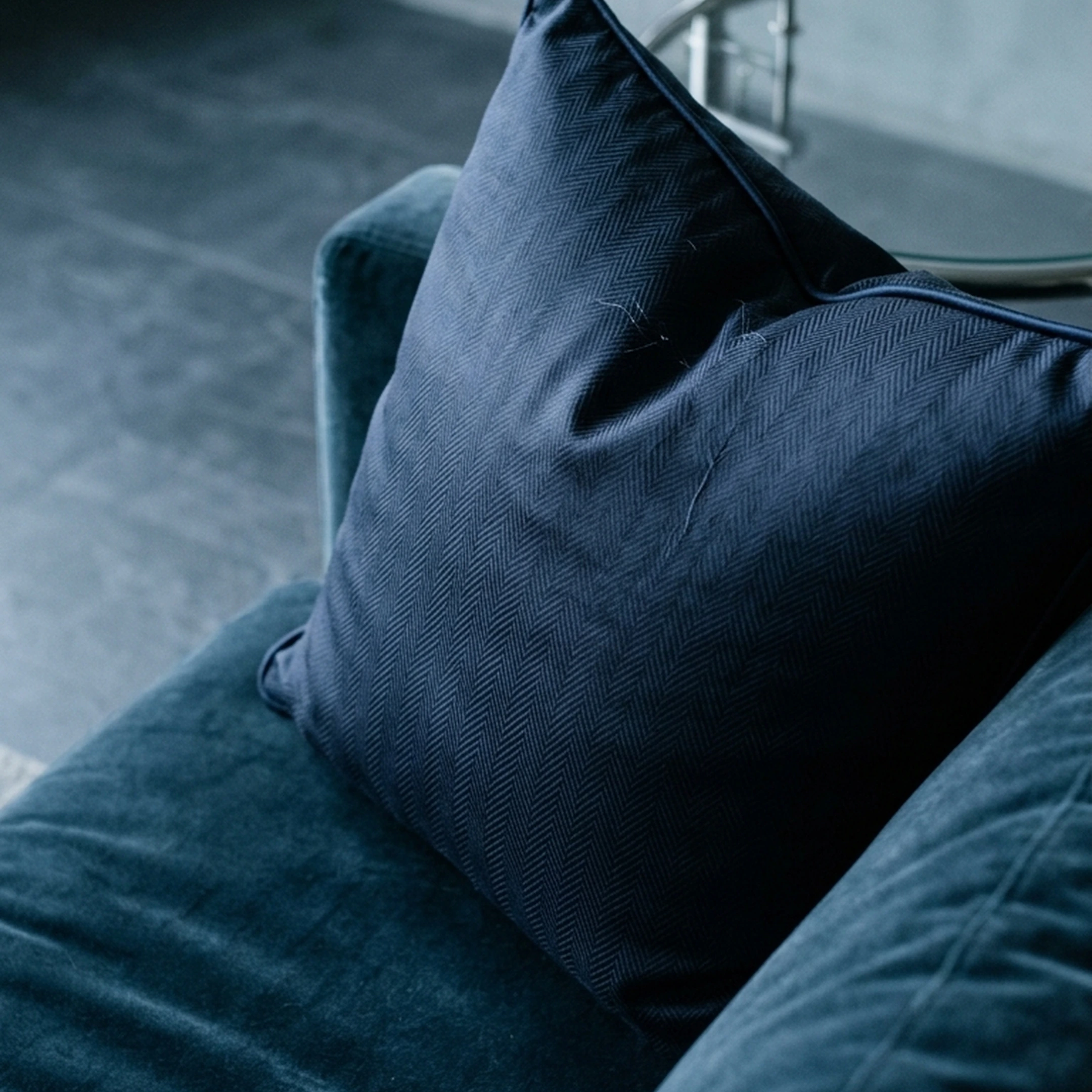
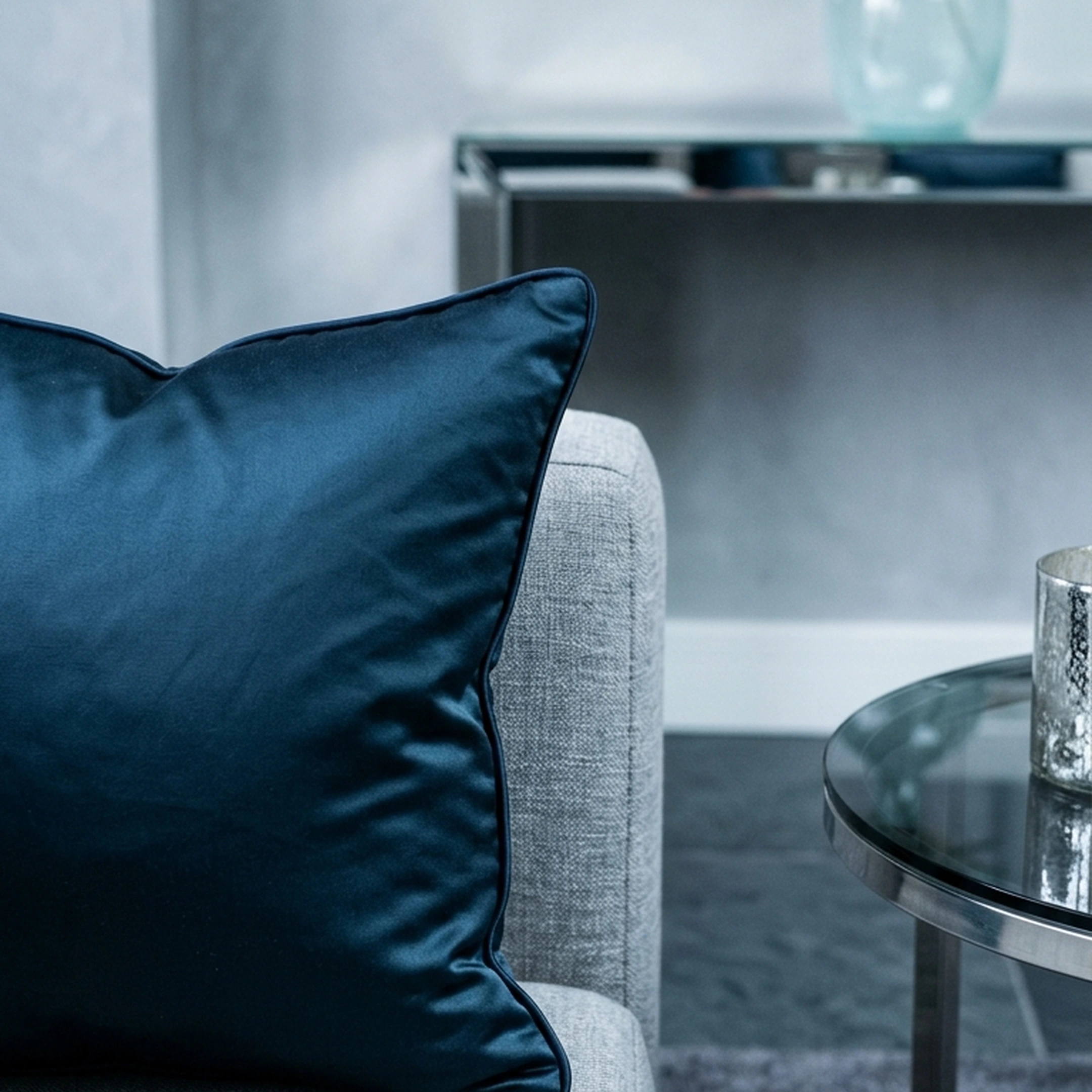
Jewel-tone restraint. The palette of deep emerald, sapphire, ruby, and amethyst is not meant to cover every surface. It is meant to appear in specific, high-impact locations: a velvet sofa, a set of drapery panels, an area rug, while walls and ceilings hold in warmer neutrals that allow the saturated tones to register fully.
Get these three principles working together and the room will read as genuinely 1920s-inspired regardless of when the pieces were made or where they were purchased.
Why Gatsby-Inspired Design Is Commercially Relevant Right Now
The broader market context supports the timing of this aesthetic shift. Affluent homeowners are increasingly investing in historically inspired, highly personalized interiors, and Art Deco is benefiting directly from that trend.
The global home decor market was valued at USD 697.2 billion in 2022 and is projected to reach USD 1.047 trillion by 2032, at a CAGR of 3.1%, according to Grand View Research. That growth is driven by rising disposable income and consumer interest in home aesthetics, including furniture, textiles, and decorative accessories: the core categories for recreating a Gatsby-inspired interior without major construction.
Within that broader market, the luxury segment is growing faster. The luxury furniture market is projected to expand at a 5.5% CAGR from 2023 to 2030, with residential applications accounting for more than 60% of revenue in 2022. The same Grand View Research analysis notes that demand is supported by growing high-net-worth populations and a shift toward statement furniture pieces in high-end residential projects, which aligns precisely with the Gatsby approach of investing in a small number of genuinely significant pieces.
The demographic picture reinforces this. Homeowners aged 35 to 64 account for the majority of big-ticket renovation outlays, particularly in higher-income brackets, according to the Harvard Joint Center for Housing Studies. The same research shows that owners in the top income quintile accounted for nearly half of all home improvement spending in 2019. This cohort is also more comfortable blending vintage aesthetics with modern function, a pattern documented by resale platforms where Art Deco consistently ranks as one of the top-performing vintage categories.
Post-pandemic design media has framed a broader "Roaring 2020s" mood: more color, more pattern, and more emphasis on social spaces including dining rooms, cocktail bars, and dramatic foyers. A 1stDibs survey of 750 designers found that almost 70% planned to incorporate vintage or antique pieces in at least half of their projects, and 27% selected Art Deco as one of the top three historical styles most likely to increase in popularity. Gatsby-style entertaining spaces fit naturally into this shift.
Art Deco Color Palettes: The Gatsby Room in Practice
The Jewel-Tone Framework
The jewel-tone color palette of Art Deco consists of deep, saturated colors: emerald green, sapphire blue, ruby red, and amethyst purple, typically paired with black and metallics. The guide to Art Deco notes that these tones are being reinterpreted in contemporary interiors in more streamlined, less maximalist ways, which is exactly the right approach for a livable Gatsby-inspired room.
The practical framework is to treat jewel tones as accents rather than backgrounds. A room with warm cream or soft greige walls, a deep emerald velvet sofa, aged brass lighting, and a geometric rug in navy and gold will read as unmistakably Deco without feeling like a period room in a museum.
The table below maps color roles to specific applications:
Farrow and Ball's deeper palette, including tones like Hague Blue and Studio Green, translates well into Deco-adjacent rooms without requiring a full period commitment.
Geometric Motifs: The Rule of Repetition
A single chevron rug in an otherwise unrelated room reads as a trend purchase. The same rug paired with a sunburst mirror, geometric wallpaper on one feature wall, and a fan-back chair creates a room with a clear point of view.
The Chairish Art Deco design guide identifies geometric precision, vertical emphasis, luxury materials, and bold jewel-tone palettes as the core principles designers use to evoke 1920s glamour in modern homes. The key is repetition across surfaces: motifs should appear in at least two locations in the room, ideally at different scales (a large-pattern rug and a smaller-scale wallpaper, for example) to create visual rhythm without monotony.
1920s Furniture Styles and Where to Source Them
Key Silhouettes for a Gatsby-Inspired Room
Art Deco furniture is defined by clean geometric lines, high-gloss finishes, luxurious upholstery, and a sense of deliberate scale. Pieces tend to be substantial without being heavy, and symmetrical without being rigid.
The pieces that carry the most stylistic weight, in order of visual impact:
- Lacquered bar cabinet or credenza. High-gloss black or deep jewel-tone lacquer with chrome or brass hardware. This is the single piece that most efficiently signals the aesthetic.
- Velvet sofa with geometric silhouette. Look for track arms, low profiles, and upholstery in emerald, sapphire, or deep burgundy. Avoid overstuffed or rolled-arm profiles, which read as a different era entirely.
- Marble-top console or side table. Marble with dark veining paired with a brass or chrome base is a direct period reference.
- Fan-back or stepped lounge chair. The stepped or tiered form references the skyscraper shapes that defined 1920s architecture and design.
- Geometric area rug. A large-scale chevron or stepped pattern in navy, black, and gold anchors the room and reinforces the motif language.
Where to Source Authentic and High-Quality Pieces
For authentic vintage pieces, Chairish and 1stDibs both carry significant Art Deco inventory, from authenticated period pieces to high-quality vintage finds across a wide price range. Estate sales and auction houses in cities with older housing stock, particularly in the Northeast and Midwest, regularly surface genuine Art Deco pieces at prices well below retail.
For new furniture with Deco-inspired silhouettes, Restoration Hardware (RH) produces collections with 1930s-influenced lacquer and metal accents. West Elm offers recurring Deco-leaning collections including curved sofas, brass-trimmed casegoods, and geometric rugs at a more accessible price point. CB2 carries Art Deco-adjacent bar carts and accent furniture that work well as supporting pieces.
If you find yourself with too many furniture options and no clear direction, the most efficient approach is to identify one or two anchor pieces, the lacquered cabinet and the velvet sofa, and build the rest of the room around them. Every subsequent purchase becomes easier once the dominant material and color story is established.
Gatsby-Inspired Lighting Fixtures and Chandeliers
Why Lighting Is the Highest-Impact Investment
Lighting is where a Gatsby-inspired room either succeeds or falls flat. More than any other element, the right chandelier or sconce transforms a room from "nicely decorated" to "arrived." This is also where the investment pays off most visibly.
Searches for accent lighting and statement lighting grew more than 80% year-over-year in Houzz's 2022 trends report, with searches for gold and brass light fixtures growing more than 40%. This reflects a broader shift toward decorative, sculptural lighting that aligns precisely with the Gatsby aesthetic.
Art Deco lighting is described by design historians as "little sculptures": tiered, geometric, and metallic, designed to be as visually compelling when unlit as when illuminated. The chandelier in a Gatsby-inspired room is not background. It is the room's focal point.
Choosing the Right Chandelier
The tiered or stepped chandelier is the most direct Art Deco reference. The characteristics to look for:
- Geometric metal frames in aged brass, polished chrome, or black with gold accents
- Crystal or frosted glass elements that scatter light dramatically
- Vertical emphasis: fixtures that draw the eye upward rather than spreading horizontally
Visual Comfort and Co. produces high-end Art Deco-influenced chandeliers and sconces used widely by interior designers. Hudson Valley Lighting Group offers geometric metal-and-glass fixtures that reference early 20th-century styles across a range of price points. For grand foyer or dining room applications, Schonbek (a Swarovski brand) produces crystal chandeliers that evoke the ballroom quality of Gatsby's entertaining spaces.
Layering Light for Depth and Drama
A single overhead fixture, however beautiful, is not enough. Gatsby's rooms were lit with depth: candles, table lamps, sconces, and overhead light working together to create warmth and drama simultaneously.
The layering sequence:
- One statement chandelier or pendant as the primary fixture
- Paired wall sconces flanking a mirror, fireplace, or console
- Table lamps with geometric bases and fabric shades in cream or gold
- Candles or candleholders as a finishing layer for entertaining
This approach also solves one of the most common problems in rooms that feel almost right but not quite: flat, single-source overhead lighting that flattens depth and makes even beautiful furniture look ordinary.
Creating an Elegant Entrance and Foyer
The Foyer as the Room's First Argument
The foyer sets the visual vocabulary for everything that follows. If the entrance reads as Art Deco, the rest of the house has permission to follow. If it reads as generic, the Deco elements elsewhere will feel like isolated gestures rather than a coherent point of view.
The highest-impact foyer investments, in order of visual return:
- A statement mirror with geometric frame. A sunburst, stepped, or fan-shaped mirror above a console immediately establishes the aesthetic.
- A console table with marble top and brass or chrome base. This combination is period-accurate and works in virtually any foyer proportion.
- Geometric tile or inlaid wood flooring. If the existing floor is neutral, a geometric runner in navy, black, and gold can do the same work without permanent changes.
- A single dramatic light fixture. A tiered pendant or chandelier scaled to the ceiling height transforms the entrance from a pass-through to a destination.
Proportion and Scale in Smaller Foyers
The instinct in a small foyer is to go small with everything. This is usually wrong. One oversized mirror or one dramatic light fixture in a compact entrance reads as confident and intentional. A collection of small, cautious pieces reads as indecisive.
The rule: choose one element to be genuinely bold, and keep everything else restrained. A large sunburst mirror with a slim brass console and simple geometric tile is more effective than three medium-sized pieces competing for attention.
For homeowners thinking through how furniture fits a small city apartment before committing, the same principle applies: scale up one anchor piece and simplify everything around it.
Luxe Fabrics and Wallpaper Choices for Gatsby Glamour
Fabrics That Read as Genuinely 1920s
The tactile quality of a Gatsby-inspired room comes from textiles as much as from furniture. The visual richness of Art Deco interiors was not just about color and geometry: it was about the way surfaces felt, the way light moved across velvet and silk and lacquer.
The fabrics most associated with Art Deco interiors:
- Velvet. The defining upholstery fabric of the era. Deep jewel tones in velvet carry more visual weight than any other material choice. Use it on sofas, accent chairs, and drapery.
- Silk and silk-effect fabrics. For drapery and cushions, silk or high-quality silk-effect fabrics in cream, gold, or deep color add the luminosity the period is known for.
- Geometric-patterned textiles. Chevron, zigzag, and stepped patterns in upholstery and throw pillows reinforce the motif language of the room.
- Faux fur and textured throws. Used sparingly as accent layers, these add tactile richness without tipping into costume.
Wallpaper as a Design Anchor
A single feature wall of Art Deco wallpaper can establish the entire room's aesthetic direction. Cole and Son produces Deco-inspired geometric and fan motifs suitable for dining rooms and feature walls. House of Hackney offers bold patterns that pair well with Deco lighting and furniture.
The practical approach: use geometric wallpaper on one wall, typically behind a sofa, bed, or fireplace, and keep the remaining walls in a complementary solid. This creates a focal point without overwhelming the room.
For rooms where wallpaper feels like too large a commitment, a geometric rug in the same color story achieves a similar anchoring effect at floor level.
Architectural Details: Moldings, Arches, and Paneling
The Details That Separate Decorated from Designed
Architectural details are where a Gatsby-inspired room moves from "decorated" to "designed." The real Long Island estates that inspired Fitzgerald were built with the kind of millwork and plasterwork that most modern homes simply do not have. The question is how much of that quality can be added without a full renovation.
Art Deco architectural details are defined by geometric precision, vertical emphasis, and deliberate craftsmanship. The elements that translate most effectively into existing homes:
- Crown molding with stepped or banded profiles. Standard crown molding can be upgraded to a stepped or layered profile that reads as Deco without requiring structural work.
- Arched doorways or openings. Where existing openings are rectangular, a simple arched trim detail can suggest the period's architectural vocabulary.
- Wall paneling in geometric arrangements. Rectangular or diamond-pattern paneling, painted in a contrasting tone or lacquered finish, transforms a plain wall into an architectural statement.
- Coffered or tray ceilings. In dining rooms and living rooms, a coffered ceiling with geometric divisions adds the vertical drama associated with 1920s grand interiors.
Working With What You Have
Most of these details can be added by a skilled millwork contractor without touching load-bearing elements. Fry Reglet produces metal moldings and reveals that create contemporary versions of stepped or banded Deco details. For bespoke paneling, built-in bars, and coffered ceilings, custom cabinetry studios affiliated with the Architectural Woodwork Institute can execute period-accurate work across a range of budgets.
Treat architectural details as a long-term investment rather than a decorating decision. A well-executed coffered ceiling or paneled wall adds genuine value to a home and does not date the way furniture trends do.
Gatsby-Themed Outdoor Spaces and Gardens
Formal Garden Principles for Gatsby-Inspired Exteriors
The outdoor spaces of Gatsby's estate were as carefully composed as the interiors: formal lawns, terraces designed for entertaining, views that made guests feel they had arrived somewhere significant. The landscape design associated with the real Long Island Gold Coast estates, documented by Preservation Long Island, was rooted in formal European traditions: symmetrical axes, clipped hedges, reflecting pools, and terraces that created a clear progression from arrival to entertaining space.
The elements that translate most effectively to residential gardens:
- A formal axis. A central path or lawn that leads from the entrance to a focal point, whether a fountain, reflecting pool, or garden structure, creates the sense of arrival that defines the Gatsby aesthetic.
- Clipped hedges and topiary. Boxwood or yew hedges in geometric forms reinforce the Art Deco principle of controlled, precise form in natural materials.
- A terrace designed for entertaining. Stone or tile terracing with period-appropriate furniture, including wrought iron or cast aluminum in geometric patterns, extends the interior aesthetic outdoors.
- Lighting for evening atmosphere. Lanterns and uplighting on architectural plantings create the kind of evening atmosphere associated with Gatsby's legendary parties.
Outdoor Furniture and Materials
For outdoor furniture that reads as period-appropriate, look for cast aluminum or wrought iron pieces with geometric detailing, painted in black or deep green. Stone or concrete planters in stepped or geometric forms reinforce the architectural vocabulary. A reflecting pool or water feature, even at a modest scale, adds the quality of stillness and reflection that the era's grand estates used to create drama.
Budget-Friendly Alternatives to High-End Gatsby Decor
Where to Spend and Where to Save
A fully realized Art Deco interior, sourced entirely from 1stDibs and custom millwork studios, represents a significant investment. But the principles that make a room feel genuinely Gatsby-inspired are not dependent on spending at that level. The key is understanding which elements carry the most visual weight and prioritizing accordingly.
The spend-versus-save framework for a Gatsby-inspired room:
Sourcing Strategies Across Every Budget
For authentic vintage pieces at accessible prices, Chairish and 1stDibs both offer pieces across a wide price range. Estate sales and auction houses in cities with older housing stock, particularly in the Northeast and Midwest, regularly surface genuine Art Deco pieces at prices well below retail.
For new pieces with Deco-inspired silhouettes, West Elm and CB2 carry geometric rugs, brass-trimmed lighting, and velvet upholstery that work as supporting elements. The goal is not to fill the room with mid-market pieces but to use one or two genuine statement pieces as anchors and support them with more accessible finds.
First Chair pulls across multiple retailers including West Elm, CB2, Crate and Barrel, and Lulu and Georgia, which matters when the right room rarely comes from a single catalog. The platform helps identify which pieces carry the most visual weight for the budget available, so the investment lands where it actually shows. Start with your room concept to see how the pieces come together before committing to anything.
Tools and Resources for a Gatsby-Inspired Project
The following categories represent the practical landscape for executing a Gatsby-inspired interior, from sourcing to visualization to professional execution.
Vintage and High-End Furniture Marketplaces
The most direct path to authentic Art Deco pieces runs through platforms that specialize in vintage and antique inventory.
- 1stDibs is a global online marketplace specializing in high-end vintage and antique furniture, with significant Art Deco inventory across furniture, lighting, and decorative objects.
- Chairish is a curated marketplace heavily focused on vintage and Art Deco pieces, and also publishes detailed Art Deco design guidance for homeowners and designers.
- Pamono is an EU-based online marketplace offering vintage and contemporary design furniture and lighting, including 1920s and Art Deco items.
Mainstream Retailers With Deco-Inspired Lines
Not every piece needs to be vintage. Several mainstream retailers carry Deco-influenced designs that work well as supporting elements.
- Restoration Hardware (RH) produces collections with 1930s and Art Deco-inspired silhouettes, lacquer finishes, and metal accents.
- West Elm offers recurring Deco-leaning collections including curved sofas, brass-trimmed casegoods, and geometric rugs.
- Crate and Barrel carries Art Deco-adjacent bar carts, lighting, and accent furniture suitable as Gatsby-style supporting pieces.
Luxury Lighting Manufacturers
Lighting is the category where brand and quality matter most. These manufacturers are used regularly by interior designers working in the Art Deco and Hollywood Regency space.
- Visual Comfort and Co. produces high-end Art Deco-influenced chandeliers and sconces used widely in luxury residential projects.
- Hudson Valley Lighting Group offers geometric metal-and-glass fixtures referencing early 20th-century styles across a range of price points.
- Schonbek (a Swarovski brand) produces crystal chandeliers suited to grand foyer and dining room applications.
Wallcovering, Textiles, and Paint
Surface treatments are where the tactile quality of a Gatsby-inspired room is established.
- Cole and Son is a historic British wallpaper brand offering Deco-inspired geometric and fan motifs suitable for feature walls and dining rooms.
- House of Hackney produces bold patterns that pair well with Deco lighting and furniture.
- Farrow and Ball offers a premium paint range with deep, saturated tones and heritage-inspired palettes that work with 1920s aesthetics.
AI-Assisted Design and Shopping Platforms
Visualizing bold Art Deco choices before purchasing reduces the risk of expensive mistakes.
- First Chair is an AI-assisted interior design and shopping platform that helps homeowners turn inspiration into real, shoppable rooms using furniture and decor that can actually be purchased. Users can upload inspiration images, describe aesthetic directions like "Art Deco but livable" or "Gatsby but not theatrical," and receive curated room concepts built from real, in-stock pieces across multiple retailers. The platform offers insider pricing on selected pieces and is designed to reduce the decision fatigue that comes with sourcing across dozens of tabs. Competitive pricing; early access available at firstchair.app.
- Other visualization tools including AR features from major furniture retailers allow homeowners to preview large-scale geometric wallpaper, dark lacquered pieces, or oversized chandeliers before purchase.
Architectural Millwork and Custom Fabrication
For permanent architectural details, quality fabrication makes the difference between a room that looks designed and one that looks decorated.
- Fry Reglet produces metal moldings and reveals that create contemporary versions of stepped or banded Deco details.
- Custom cabinetry studios affiliated with the Architectural Woodwork Institute (AWI) can execute bespoke paneling, built-in bars, and coffered ceilings in luxury residential projects.
Best Practices for an Authentic, Livable Gatsby Interior
- Anchor the space with geometric patterns, not just props. Consistent geometric motifs, including chevrons, zigzags, sunbursts, and fan shapes, should appear across at least two surfaces in a room. One motif on one surface reads as a trend purchase. Two or three surfaces create a point of view.
- Invest in a few luxury materials that carry real stylistic weight. Chrome, brass, high-gloss lacquer, exotic woods, marble, and velvet do more work than a room full of period knickknacks. Prioritize a lacquered bar cabinet, marble-top console, or velvet sofa with brass trim as focal points.
- Use bold jewel tones balanced with neutrals and metallics. Keep walls and ceilings in softer neutrals in main rooms, and express saturated color in drapery, area rugs, and upholstery. This retains drama without heaviness.
- Let lighting be sculptural and layered. A single overhead fixture is not enough. Mix a statement chandelier with wall sconces, table lamps, and candles to create depth and warmth. The chandelier should be the room's focal point, not its only light source.
- Treat the foyer as the room's thesis statement. The entrance sets the visual vocabulary for everything that follows. One genuinely bold element, an oversized sunburst mirror or a tiered pendant, is more effective than a collection of cautious medium-sized pieces.
- Use wallpaper as a feature rather than a commitment. A single geometric feature wall, typically behind a sofa, bed, or fireplace, establishes the room's aesthetic direction without overwhelming it. Keep remaining walls in a complementary solid.
- Source one authentic vintage piece per room. Even a single genuine Art Deco piece, a lacquered credenza, a period sconce, a fan-back chair, gives the room an authority that reproductions alone cannot replicate. Chairish and 1stDibs are the most accessible sources at a range of price points.
- Treat architectural details as long-term investments. Coffered ceilings, stepped moldings, and geometric paneling add genuine value to a home and do not date the way furniture trends do. Budget for them accordingly.
Common Mistakes to Avoid
1. Going halfway and stopping. The most common Gatsby-inspired room failure is a few gold accents in an otherwise undecided space. Art Deco requires repetition and commitment. If the geometric motif appears only on the rug, the room will not read as intentional. Fix: identify the three surfaces where the motif will appear before purchasing anything.
2. Choosing the wrong sofa silhouette. Overstuffed, rolled-arm, or tuxedo-style sofas read as a different era entirely. A Gatsby-inspired room requires track arms, low profiles, and geometric upholstery. Consequence: the anchor piece of the room actively contradicts the aesthetic. Fix: prioritize silhouette over color when evaluating sofas.
3. Using black metal lighting in a room that already reads as cold. Black metal fixtures are a contemporary default, but they read as industrial rather than Art Deco. Consequence: the room loses warmth and period accuracy simultaneously. Fix: default to aged brass or polished chrome for lighting in Gatsby-inspired spaces. Reserve black metal for accent hardware only.
4. Treating the foyer as a pass-through. A generic foyer undermines every Deco element that follows it. Consequence: the room's point of view never fully lands because the entrance did not establish it. Fix: invest in one genuinely bold foyer element before addressing any other room.
5. Sourcing entirely from one retailer. No single retailer carries the full range of materials, silhouettes, and price points needed for a cohesive Gatsby-inspired room. Consequence: the room ends up looking retailer-stamped rather than collected. Fix: source the anchor pieces from vintage platforms and support them with mid-market finds from multiple retailers.
6. Ignoring scale. Art Deco interiors were built around deliberate scale: large mirrors, substantial furniture, oversized chandeliers. Consequence: a room furnished with cautious, small pieces reads as tentative rather than grand. Fix: size up the anchor pieces and simplify everything around them.
7. Overloading on accessories. The Gatsby aesthetic is about a few things done with genuine commitment, not a room full of period objects. Consequence: the room reads as a collection rather than an interior. Fix: edit aggressively. Every accessory should either reinforce the geometric motif, the jewel-tone palette, or the material hierarchy. If it does none of these, it does not belong.
8. Skipping the layered lighting. A single overhead chandelier, however beautiful, produces flat light that undermines the room's depth and warmth. Consequence: the room looks better in photographs than in person. Fix: add wall sconces, table lamps, and candles before considering the room finished.
Frequently Asked Questions
What is the difference between Art Deco and Hollywood Regency?
Art Deco is the broader design movement that emerged in the 1920s and 1930s, defined by geometric forms, jewel-tone palettes, and luxurious materials including chrome, lacquer, marble, and velvet. Hollywood Regency is a glamorous American interior style that overlaps with late Art Deco: characterized by mirrored furniture, bold color, metallic accents, and theatrical lighting. Hollywood Regency tends to be more eclectic and less geometrically rigorous than pure Art Deco, making it a softer entry point for homeowners who want Gatsby-era glamour without strict period accuracy.
Do I need to renovate to achieve a Gatsby-inspired interior?
No. The elements that carry the most visual weight in a Gatsby-inspired room, including lighting, upholstery, rugs, wallpaper, and decorative accessories, can all be changed without structural renovation. Architectural details like stepped moldings, geometric paneling, and coffered ceilings can be added by a skilled millwork contractor without touching load-bearing elements. A room can read as genuinely 1920s-inspired through furniture and textile choices alone.
What is the single most impactful purchase for a Gatsby-inspired room?
Lighting. A tiered or stepped chandelier in aged brass or chrome with crystal or frosted glass elements transforms a room more immediately than any other single purchase. It establishes the room's focal point, reinforces the geometric motif language, and creates the layered warmth that defines the era's interiors. After lighting, a lacquered bar cabinet or credenza is the second most efficient signal of the aesthetic.
How do I avoid a Gatsby-inspired room looking like a theme park?
The key is restraint and repetition rather than accumulation. Choose one or two geometric motifs and repeat them across two or three surfaces. Invest in a small number of genuinely significant pieces rather than filling the room with period objects. Keep walls and ceilings in warm neutrals and reserve jewel tones for upholstery, drapery, and rugs. One authentic vintage piece per room gives the space authority that a collection of reproductions cannot replicate.
Where can I find authentic Art Deco furniture without spending at the top of the market?
Chairish and 1stDibs both offer Art Deco pieces across a wide price range, not just at the highest end. Estate sales and auction houses in cities with older housing stock, particularly in the Northeast and Midwest, regularly surface genuine Art Deco pieces at prices well below retail. For new pieces with Deco-inspired silhouettes, West Elm and CB2 carry geometric rugs, brass-trimmed lighting, and velvet upholstery that work well as supporting elements around one or two authentic anchor pieces.
Can a Gatsby-inspired aesthetic work in a smaller apartment?
Yes, with adjustments to scale and selection. In a smaller space, the principle of choosing one genuinely bold element and keeping everything else restrained becomes even more important. A large sunburst mirror, a velvet sofa in a deep jewel tone, and a single statement pendant light can establish the aesthetic in a compact living room without overwhelming the space. The design principles for small city apartments apply directly: scale up one anchor piece and simplify everything around it.
Conclusion: From Inspiration to a Room You Can Actually Live In
The Great Gatsby has been inspiring interiors for a century because it describes a feeling rather than a floor plan. The feeling is achievable. It requires a clear point of view, a small number of genuinely significant pieces, and the discipline to stop adding things once the room has what it needs.
The principles are consistent regardless of budget: geometric repetition across at least two surfaces, a material hierarchy built around lacquer, brass, marble, and velvet, jewel tones used as accents rather than backgrounds, and lighting that layers rather than flattens. Get these four things working together and the room will read as unmistakably 1920s-inspired without looking like a period room in a museum.
The hardest part is not knowing what to buy. It is knowing what to stop buying. That is where having a clear room concept before you start shopping makes the difference between a room that finally comes together and one that accumulates pieces indefinitely without arriving anywhere.
First Chair helps you move from inspiration to a finished room concept built around real, in-stock pieces from multiple retailers, so the decisions are made before the purchases are. Start with your room and see what the Gatsby aesthetic actually looks like when it is built around furniture you can buy today.