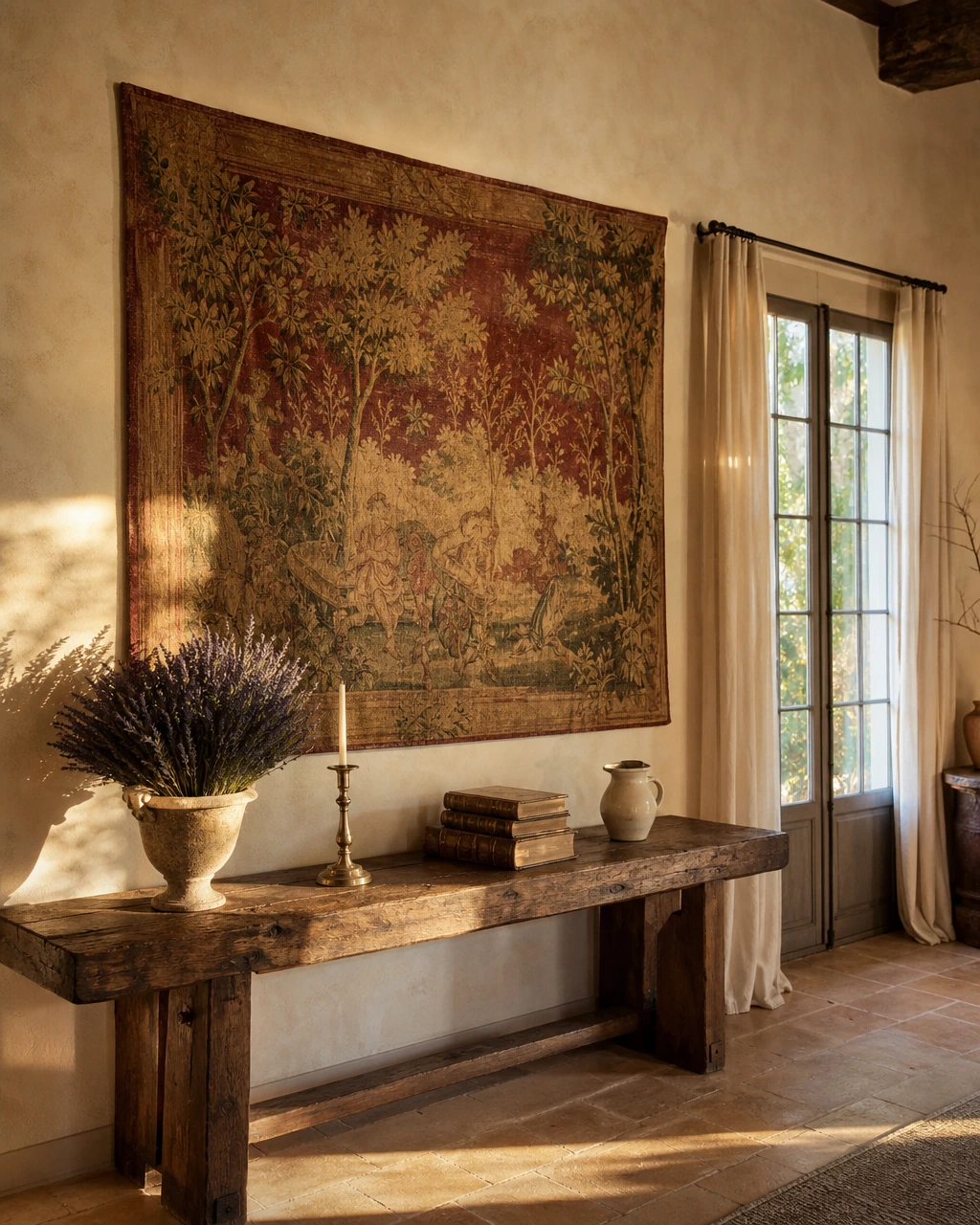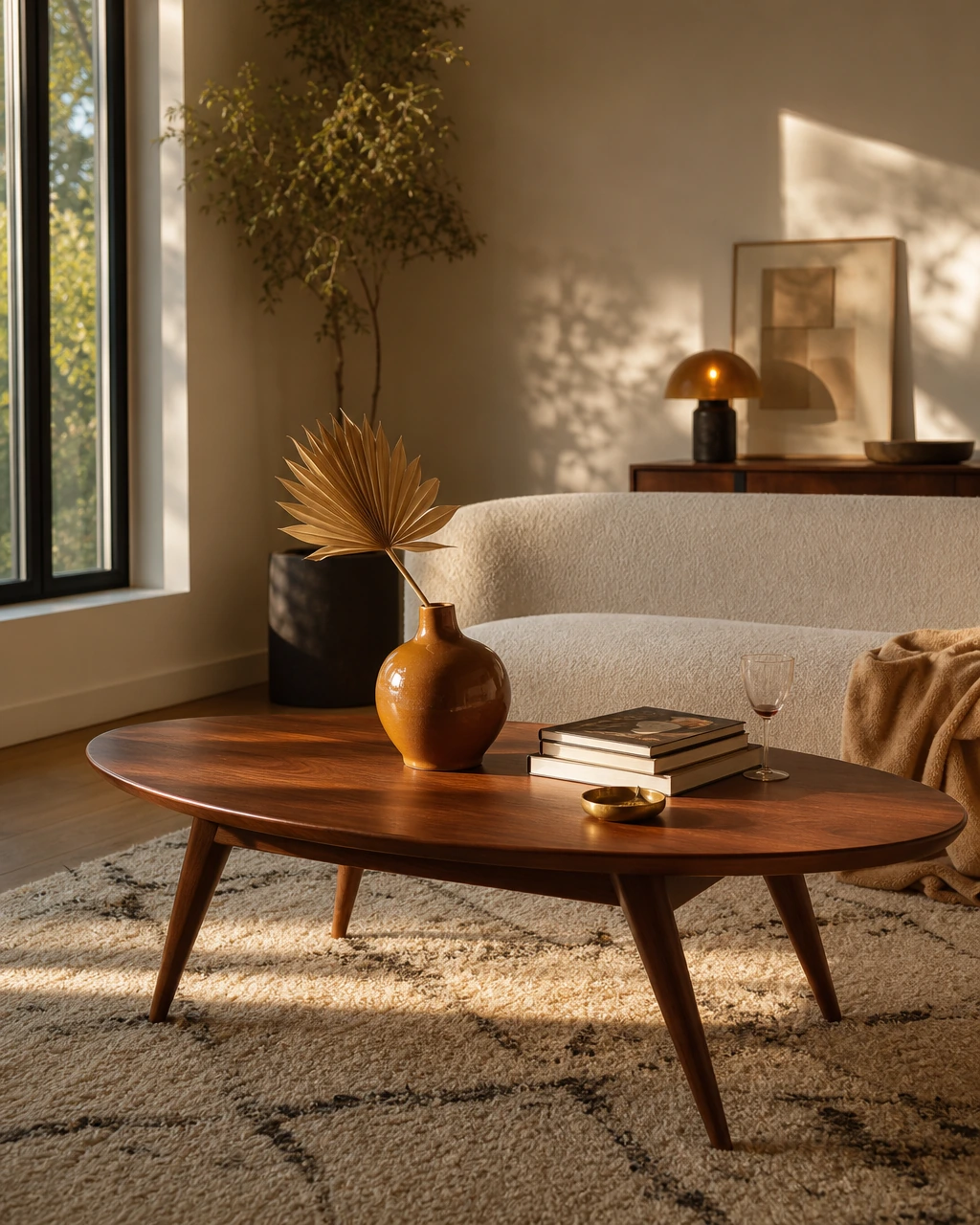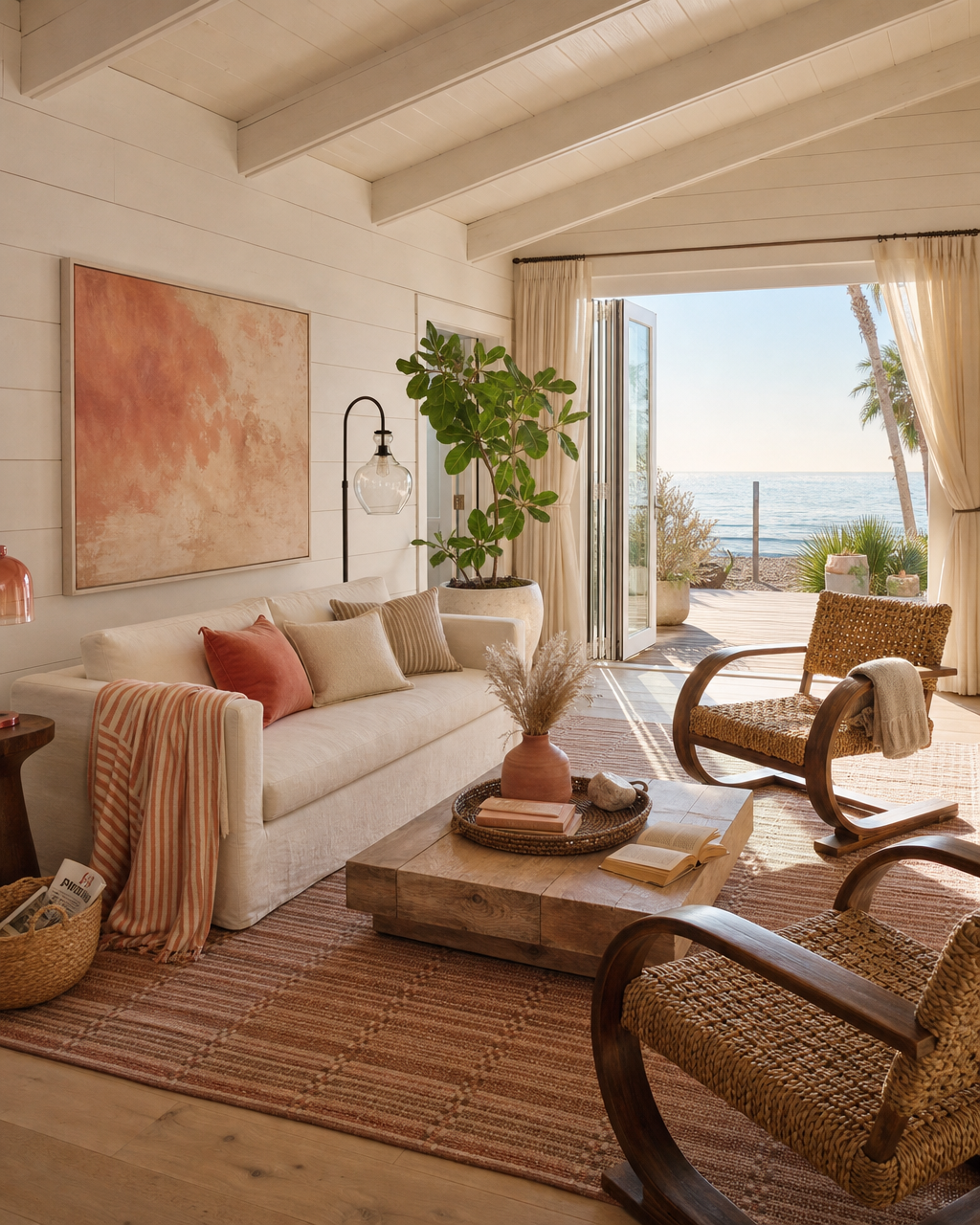
You've probably seen the Brentwood mansion. Maybe it came up in a real estate deep-dive, maybe someone sent you the Architectural Digest walkthrough, or maybe you found the 4K tour at 11pm and ended up watching the whole thing. Either way, the space has a pull that's hard to explain and even harder to dismiss. It doesn't read like a celebrity home in the usual sense. It reads like a building that was designed with a genuine point of view.
The question that follows, for anyone who takes interior design seriously, is always the same: what's actually replicable here? Not the $23.5 million acquisition price or the rooftop driveway or the 20-car auto gallery. The underlying logic. The material decisions. The way indoor and outdoor space feel continuous rather than adjacent. The sense that every room has a clear identity and a reason to exist.
This guide breaks down the specific design moves that define Scott's Brentwood estate and translates them into renovation strategies for homeowners working with serious budgets and serious intentions. The goal is not imitation. It's understanding what makes the space work, then applying those principles to your own site, your own layout, and your own taste. Whether you're planning a full gut renovation or a targeted upgrade to a primary suite and outdoor living area, the design thinking behind a project like this is worth studying carefully.
What you'll learn in this guide:
- The architectural concept behind the "modern yacht" design and what it actually requires to execute
- How to design indoor-outdoor zones that function at the same level as interior rooms
- The material palette logic that makes Scott's interiors feel layered rather than sterile
- Which wellness and entertainment amenities deliver the most value in a $500K-plus renovation
- How to build smart home infrastructure correctly from the start
- The most common and costly mistakes in luxury renovation projects at this scale
Key Takeaways
- Travis Scott's Brentwood mansion spans 16,700 square feet across three levels with seven bedrooms and eleven bathrooms, purchased for $23.5 million in 2020 with current valuations around $27 million.
- The home's "modern yacht" concept organizes the entire design around three moves: panoramic glazing, layered indoor-outdoor zones, and deliberate material contrast between raw and refined surfaces.
- Luxury interior firm Vesta Collection, which has outfitted Scott's properties, reports a clear shift among high-net-worth clients toward livable, multi-functional spaces rather than gallery-style interiors.
- The most transferable design elements are the indoor-outdoor zone structure, the dark stone against warm wood palette, spa-style bathroom design, and the use of one or two custom statement pieces to anchor primary rooms.
- California Title 24 energy standards shape what large-scale glazing projects require in terms of performance glass, shading, and HVAC; these requirements must be factored into design from day one, not treated as an afterthought.
- Smart home integration works best when a single control platform (Crestron, Control4, or equivalent) is selected before any wiring is run; retrofitting costs significantly more and rarely achieves the same result.
- The outdoor spaces at the Brentwood estate function as architectural extensions of the interior, with terraces sized and furnished as rooms rather than as leftover space around the building.
The Architectural Concept: What "Modern Yacht" Actually Means

Yacht-inspired residential architecture is a design approach that borrows the formal language of luxury marine vessels: flowing horizontal forms, layered deck-like levels, wraparound terraces, and an emphasis on panoramic views from every primary living space. Travis Scott's Brentwood home is explicitly described as a "modern yacht" concept, and the property's architecture centers on expansive glass walls, open-concept living, and glass sliders that connect interior rooms to outdoor patios at every level.
The concept works on Scott's hilltop site because the lot earns it. The rooftop driveway, the layered decks, and the 75-foot infinity pool all respond directly to the topography and the views. That site-specificity is worth noting before any homeowner attempts to replicate the formal language elsewhere.
What the Yacht Concept Gets Right
The design logic behind yacht architecture translates well to residential projects for a few reasons. It prioritizes views and circulation as primary design elements rather than afterthoughts. It creates a strong formal identity without relying on decorative excess. And it naturally integrates indoor and outdoor living because the "deck" metaphor demands it.
For homeowners working with hillside lots, waterfront properties, or elevated urban sites, the yacht concept is a legitimate organizing principle. For flat suburban lots with limited views, the formal language needs significant adaptation to avoid feeling forced or disconnected from the site.
The Three Structural Moves Worth Borrowing
These are the design decisions that define the yacht concept at its core, and all three translate to projects at smaller scales:
- Layered levels with distinct programmatic identities. Entertainment below, primary living in the middle, private spaces above. Each level has a clear purpose and a different relationship to the exterior.
- Continuous glass lines that maintain visual connection between levels and to the exterior. The glazing is not decorative. It is structural to the spatial experience.
- Terraces sized and furnished as rooms. Not as afterthoughts. Not as overflow space. As rooms that happen to be outside.
Why This Design Moment Matters Now
The interest in spaces like Scott's Brentwood estate is not purely about celebrity real estate. It reflects a broader shift in how high-net-worth homeowners think about what a home should do.
Post-pandemic housing research from McKinsey shows persistent demand for larger homes with dedicated wellness areas and multifunctional spaces, driven by hybrid work and lifestyle changes. That shift has not reversed. High-net-worth buyers increasingly prioritize privacy, flexible layouts, and experiential amenities over purely decorative opulence.
The Vesta Collection profile of Scott's properties captures this directly: wealthy clients are moving away from "gallery" environments toward livable yet visually elevated interiors that use durable fabrics, natural woods, and layered textures. The goal is a "more collected and less decorated look," which is a fundamentally different brief than the maximalist luxury of a decade ago.
Outdoor living has followed the same trajectory. Vesta's data from luxury staging projects shows rising demand for outdoor furniture and layouts with distinct dining, working, lounging, and entertaining zones, reflecting the same design caliber and utility expected of interior spaces. The outdoor kitchen and alfresco dining areas at Scott's Brentwood estate are not amenities. They are rooms.
Smart home integration has moved from premium add-on to baseline expectation at this price point. The global smart home market reached approximately $79 billion in 2024, according to Deloitte's connected consumer research, with strong growth in connected security, energy management, and entertainment systems. The solar panels and glass-and-concrete facade at Scott's Brentwood home reflect the fusion of sustainability with contemporary luxury aesthetics that is now standard at this level.
Indoor-Outdoor Living: Designing Spaces That Actually Connect
Indoor-outdoor living is a design approach where interior and exterior spaces are visually and functionally continuous, achieved through large sliding or folding doors, level floor transitions, and duplicate functional zones on both sides of the threshold. The outdoor spaces at Scott's Brentwood estate function as architectural extensions of the interior, with terraces sized like rooms, covered areas that preserve views, and an outdoor kitchen positioned for functional flow rather than spectacle.
This is the single most replicable element of the Scott aesthetic for homeowners with the right site conditions. It does not require 16,700 square feet. It requires intentional planning.
Designing Outdoor Zones with Indoor Caliber
The interview with Vesta's CEO describes distinct outdoor zones for dining, lounging, working, and entertaining as a baseline expectation among high-net-worth clients. The practical translation for a $500K-plus renovation:
- Treat the outdoor dining area as a room with a ceiling (pergola, cantilevered overhang, or retractable shade structure)
- Use weather-resistant materials that match the interior palette rather than defaulting to generic teak or wicker
- Install outdoor lighting on the same control system as interior lighting so the transition feels seamless after dark
- Size outdoor seating for the same number of people as your interior living room
- Position the outdoor kitchen for functional flow, with prep, cooking, and service zones that mirror how an interior kitchen operates
The Glazing Question
Large glass walls are the most visually dramatic element of the Scott aesthetic and also the most technically complex to execute correctly. California Title 24 energy standards require specific performance thresholds for glazing, insulation, HVAC, and lighting in new construction and major renovations. Attempting to install large unshaded glass walls without high-performance glazing and a corresponding mechanical strategy leads to overheating, glare, and code issues.
The practical approach: specify thermally broken aluminum framing with low-e glass, integrate motorized exterior shading, and plan the HVAC system around the glazing load from the start. This is not optional in California and is increasingly standard in other high-performance luxury markets.
For homeowners working on small city apartments or urban spaces where full indoor-outdoor integration is not feasible, the same visual logic can be applied at a smaller scale through floor-to-ceiling windows, Juliet balconies, and consistent material palettes that extend from interior to exterior.
Material Palette: The Logic of Contrast and Restraint
The material logic in Scott's interiors is contrast: hard against soft, dark against light, raw against refined. Architectural Digest notes that the entrance showcases a floor-to-ceiling wooden sculpture by Japanese artisan Toshi Kawabata, which sets the material tone immediately upon entry, while the kitchen features jet-black marble countertops that read as both luxurious and grounded. This is not a monochromatic minimalist interior. It is a layered one.
Building a Material Palette That Works
The most common mistake in luxury renovation is selecting materials that are individually impressive but collectively incoherent. A jet-black marble island reads very differently next to warm white oak floors than it does next to polished concrete. The contrast needs to be intentional.
A workable framework for a Scott-inspired palette:
Material CategoryScott's ApproachAchievable EquivalentPrimary surfaceJet-black marble countertopsNero Marquina or Absolute Black graniteWarm counterpointNatural wood sculpture, cabinetryWhite oak, walnut, or cerused oak millworkStructural finishConcrete, glassPolished concrete floors or large-format porcelainTextile layerUpholstered seating, area rugsPerformance velvet, bouclé, natural fiber rugsStatement objectCustom art piece at entryCommissioned sculpture or oversized ceramic
Where to Source at This Level
For surfaces, Caesarstone and Cosentino's Silestone offer engineered stone options that perform better than natural marble in high-use areas while maintaining the visual weight. For custom millwork and furniture, firms like Vesta Collection operate at the intersection of interior design and custom fabrication. For statement art pieces and vintage objects that can anchor an entry or living room, Chairish and 1stDibs both carry original works without requiring a gallery relationship.
The furniture buying guidance at First Chair can help narrow the field when you're trying to source a warm wood console that works against a dark stone wall. The platform pulls across West Elm, CB2, Crate and Barrel, Pottery Barn, Lulu and Georgia, and other retailers, which matters when the right room rarely comes from a single catalog.
Wellness and Entertainment Amenities: What's Worth the Investment
Scott's Brentwood estate includes a private home theater seating approximately 15 people, a 610-bottle wine cellar, a home gym, a sauna, and spa-style bathrooms throughout. These are not decorative features. They are programmatic commitments that shape how the house is used and experienced daily.
For homeowners planning $500K-plus renovations, the question is not whether to include wellness and entertainment amenities but which ones deliver the most value relative to their cost and their actual use patterns.
Home Theater Design
A private home theater is one of the highest-cost, highest-impact amenities in this category. A 10 to 15-seat theater at the level Scott's home represents requires acoustic isolation, dedicated HVAC, professional AV integration, and custom seating. IMAX Private Theatre offers an ultra-luxury cinema solution for residential installations. For most homeowners, a well-executed 8 to 10-seat theater with Dolby Atmos audio, a 4K laser projector, and proper acoustic treatment delivers the experiential impact at a fraction of the cost.
The critical planning note: acoustic isolation must be designed into the structure before walls are closed. Retrofitting sound isolation is expensive and often incomplete.
Spa-Style Bathrooms
A spa-style bathroom is a bathroom designed to replicate spa experiences, typically featuring freestanding soaking tubs, large-format showers, natural stone surfaces, mood lighting, and integrated storage. The highest-ROI moves in this category:
- Large-format natural stone or stone-look porcelain on floors and walls (visual weight without excessive grout lines)
- Freestanding soaking tub positioned as a focal point, not tucked into a corner
- Curbless shower with linear drain for a seamless floor plane
- Layered lighting: ambient, task at mirror, and accent at niche or tub surround
- Heated floors, which cost relatively little to install during renovation and significantly affect daily experience
Kohler's luxury fixture line covers most of what this category requires at a price point that makes sense for a serious renovation budget.
The Auto Gallery
The Brentwood estate features a 20-car auto gallery treated as a showcase space with polished floors and dramatic lighting. For homeowners with significant vehicle collections, the auto gallery concept is worth taking seriously as a design element rather than treating the garage as purely utilitarian.
The design moves that elevate a garage to gallery status: epoxy or polished concrete floors, LED strip lighting at the ceiling perimeter, glass walls or doors that allow visibility from adjacent interior spaces, and a consistent material palette that connects to the main house rather than defaulting to generic garage finishes.
Smart Home Integration: Building the Infrastructure Right
In luxury residential projects at this level, smart home integration is a baseline expectation rather than a premium add-on. The solar panels and glass-and-concrete facade at Scott's Brentwood home reflect the fusion of sustainability with contemporary luxury aesthetics that now defines the category.
Choosing a Control Platform
The most common and expensive mistake in smart home integration is building a fragmented ecosystem: one brand for lighting, a separate thermostat, a different security system, and a third-party AV setup that none of the others communicate with. The result is a technically impressive home that is frustrating to actually operate.
The three platforms that dominate serious luxury residential installations:
PlatformStrengthsBest FitCrestronDeepest integration capabilities, enterprise-grade reliabilityUltra-luxury projects, $5M+ renovationsControl4 (Snap One)Strong dealer support, covers lighting, AV, security, climate$500K-$5M renovations, broad functionalityLutronBest-in-class lighting and shade controlOften layered within Crestron or Control4 systems
The planning rule: decide on the control platform before any wiring is run. Structured wiring, network backbone, and centralized equipment racks need to be designed into the renovation from the start. Retrofitting is possible but significantly more expensive.
Energy and Sustainability Integration
California Title 24 requirements push luxury homeowners toward solar, high-performance HVAC, and efficient glazing regardless of aesthetic preference. For homeowners outside California, the same investments make financial and experiential sense: solar reduces operating costs, high-performance HVAC maintains comfort in heavily glazed spaces, and smart energy management systems provide visibility into consumption patterns.
Custom Furniture and Statement Pieces: Collected vs. Decorated
The distinction Vesta Collection's CEO draws in the JustLuxe profile is the most useful framing for this category: the goal is a "more collected and less decorated look." A collected interior is one where pieces appear to have been acquired over time with intention, rather than purchased as a matched set from a single retailer.
How to Build a Collected Interior
The visual cues are subtle but consistent: slight variation in wood tones, a mix of periods or origins, one or two pieces that are clearly custom or unique alongside more accessible supporting pieces. For a Travis Scott-inspired interior, the collected approach means:
- One or two custom or commissioned pieces that anchor the primary rooms (entry, living room, primary bedroom)
- Supporting furniture that is high quality but not necessarily custom, sourced across multiple retailers for variety
- Textiles and accessories that add texture and warmth without competing with the statement pieces
- Restraint in quantity: fewer pieces doing more work, rather than every surface occupied
The temptation in a large-budget renovation is to fill every room completely. The rooms that read as most considered are usually the ones where the designer had the confidence to leave space. The principle of stopping the furniture options spiral applies directly here.
Where First Chair Fits
First Chair helps homeowners identify real, purchasable furniture and decor that works cohesively across a room concept, sourcing across multiple retailers rather than limiting recommendations to a single catalog. For a renovation project inspired by Scott's material palette, the platform can help narrow the field from hundreds of potential pieces to the specific sofa, rug, and lighting combination that actually works together in the room you have. If you're trying to turn a reference photo into a real room plan, that's exactly the workflow the platform is built for.
Tools and Solutions for Luxury Renovation Projects
The following categories represent the primary solution areas for a $500K-plus renovation in this aesthetic direction. Vendor examples are illustrative, not exhaustive.
Architectural and Interior Design Firms
Used to translate celebrity inspiration into code-compliant, site-specific design.
- Gensler: Global architecture and design firm with strong residential and hospitality portfolios.
- HOK: Multidisciplinary practice with high-end residential and mixed-use projects.
- Boutique luxury architects: Scott's dialogue with architect Valerio Olgiati on non-referential architecture illustrates the role of design-driven boutique architects in projects at this level.
Luxury Interior Design and Custom Furniture Studios
- Vesta Collection: Los Angeles-based firm specializing in high-end interiors, custom furniture, and staging for celebrity properties including Travis Scott and LeBron James.
- Kelly Wearstler: Known for bold, textural, luxury interiors with strong material identity.
- Peter Marino Architect: Renowned for high-luxury interiors that blend art and material richness.
- First Chair: For homeowners who want to identify real, in-stock furniture and decor that matches a specific material language across multiple retailers, with insider pricing on selected pieces, First Chair provides curated room concepts grounded in purchasable reality rather than fantasy renders.
Smart Home and Automation Platforms
- Crestron: Enterprise-grade home automation and AV systems, standard in ultra-luxury residential projects.
- Control4 (Snap One): Residential automation platform covering lighting, audio, video, and security.
- Lutron: Specializes in high-end lighting and shade control, often layered within larger systems.
High-End Kitchen, Bath Fixtures, and Surfaces
- Kohler: Premium fixtures and smart bathroom solutions across the luxury tier.
- Sub-Zero and Wolf: Luxury refrigeration and cooking appliances commonly specified in high-end kitchens.
- Caesarstone and Cosentino (Silestone): Engineered stone surfaces for counters and wall cladding.
Luxury Outdoor Living and Pool Design
- Brown Jordan: High-end outdoor furniture widely used in luxury residential projects.
- Hayward and Pentair: Pool equipment and automation for lighting, filtration, and water features.
- Regional landscape architecture practices: For infinity pool design and outdoor kitchen integration specific to your site and climate.
Home Theater and Entertainment Systems
- IMAX Private Theatre: Ultra-luxury home cinema solution for residential installations.
- Dolby Atmos: Audio standard for high-end cinematic home theater experiences.
- Specialist AV integrators: Design and install projection, acoustics, seating, and control systems as a complete package.
Best Practices for Luxury Renovation Projects at This Scale
1. Design for Livability, Not Just Spectacle
The shift Vesta Collection documents is real: high-net-worth clients want rooms that work for everyday family life as well as entertaining. Translate yacht-like drama into usable zones with clear traffic flow, adequate storage, and seating that actually accommodates the number of people who will use the space.
2. Make Outdoor Spaces Equal to Indoor Spaces
Outdoor furniture and layouts should reflect the same design caliber and utility as interior spaces. Create distinct outdoor zones for dining, lounging, and entertaining with weather-resistant materials that match the interior palette, not generic outdoor furniture that reads as an afterthought.
3. Integrate Wellness and Privacy from the Outset
Acoustic separation, visual privacy, and wellness rooms (gym, spa bath, meditation space) need to be planned early in the design process. These elements are significantly harder and more expensive to add after walls are closed.
4. Use Material Contrast Intentionally
Pair high-gloss finishes with raw textures (unpolished stone, natural wood, textured fabrics) to avoid sterile minimalism and add depth. The contrast should be planned across the whole home, not decided room by room.
5. Layer Smart Home Systems Discreetly
Plan structured wiring, network backbone, and centralized racks early in renovation. Keep controls intuitive. Avoid system fragmentation by consolidating under one main platform before any wiring decisions are made.
6. Treat Circulation and Views as Primary Design Elements
Organize floor plans around view corridors, natural light, and clear circulation paths. Major rooms should capitalize on the best outlooks the site offers. Circulation should feel intentional, not like an afterthought between rooms.
7. Invest in a Few Signature Pieces Rather Than Uniform Opulence
The entrance sculpture, the auto gallery, and the infinity pool act as signature experiences in Scott's home. Anchor spaces with one or two focal pieces (sculptural lighting, custom art, statement furniture) and let supporting elements be more restrained.
8. Adapt the Inspiration to Your Site
The design principles are transferable. The specific formal language is site-dependent. Identify what your lot actually offers (views, topography, orientation, privacy) and let that shape how the inspiration is applied.
Common Mistakes to Avoid
Copying the Layout Without Adapting to the Site
Scott's yacht concept works because the home sits on a hilltop lot with panoramic views and a rooftop driveway. Attempting to replicate the same formal language on a flat, view-limited suburban lot produces awkward circulation, wasted volume, and a design that reads as imitation rather than inspiration. The consequence is a home that feels like a costume rather than a considered piece of architecture.
Fix: Identify the design principles (layered levels, indoor-outdoor continuity, material contrast) and apply them to what your site actually offers.
Over-Glazing Without a Mechanical Strategy
Large glass walls are visually compelling and technically demanding. Without high-performance glazing, exterior shading, and an HVAC system designed around the solar load, a heavily glazed home is uncomfortable, expensive to operate, and potentially non-compliant with local energy codes. This is one of the most common and costly mistakes in luxury renovation projects.
Fix: Specify thermally broken aluminum framing with low-e glass, integrate motorized exterior shading, and design the HVAC system around the glazing load from day one.
Prioritizing Aesthetics Over Acoustics
Open plans and hard surfaces create echo, noise transfer, and a lack of acoustic privacy that becomes genuinely uncomfortable in daily use. This is particularly relevant in entertainment-heavy homes with home theaters, open kitchens, and large gathering spaces.
Fix: Design acoustic treatment, strategic soft furnishings, and zoning that separates noisy and quiet areas into the project from the start. Retrofitting acoustics is expensive and rarely complete.
Fragmenting the Technology Ecosystem
Buying smart home devices from multiple brands without a cohesive control platform creates a frustrating user experience regardless of how impressive the individual components are.
Fix: Select a single control platform (Crestron, Control4, or equivalent) and build everything around it before any wiring decisions are made.
Treating the Garage as Utilitarian Space
At this budget level, a garage that reads as a generic storage area is a missed opportunity. The auto gallery concept at Scott's home demonstrates that a garage can be a signature experience.
Fix: Specify polished or epoxy concrete floors, perimeter LED lighting, and glass or open visibility from adjacent interior spaces. Connect the material palette to the main house.
Buying Matched Sets Instead of Building a Collected Interior
A room furnished entirely from one retailer or one collection reads as staged rather than lived in. The visual coherence that makes Scott's interiors work comes from intentional contrast, not matching.
Fix: Source supporting furniture across multiple retailers and reserve the budget for one or two custom or commissioned pieces that anchor the primary rooms. For home furnishing mistakes that cost the most, this one consistently ranks near the top.
Underestimating Permitting and Regulatory Timelines
Major structural changes, pool additions, and large-scale glazing projects in California and other regulated markets require permits, energy compliance documentation, and often neighbor notification. These timelines can add months to a project.
Fix: Engage a local architect or permit expediter early in the process. Factor regulatory timelines into the project schedule from the first planning conversation.
Frequently Asked Questions
What is the design style of Travis Scott's Brentwood mansion?
Travis Scott's Brentwood mansion is designed around a "modern yacht" concept, characterized by clean horizontal lines, expansive glass walls, layered deck-like levels, and a strong indoor-outdoor connection. The interior mixes jet-black marble, warm natural wood, and custom art pieces to create a material palette that is both dramatic and livable. The property spans 16,700 square feet across three levels with panoramic city views throughout.
How much did Travis Scott's Brentwood house cost?
Travis Scott purchased his Brentwood mansion for $23.5 million in 2020, after the property had been listed at asking prices as high as $42 million. Current market valuations for the property are frequently cited around $27 million, reflecting its architectural rarity and privacy engineering. The home spans 16,700 square feet with seven bedrooms and eleven bathrooms.
What are the most achievable design elements from Travis Scott's home for a luxury renovation?
The most transferable elements are the indoor-outdoor zone structure, the material contrast palette (dark stone against warm wood), spa-style bathroom design, and the use of one or two custom statement pieces to anchor primary rooms. These principles apply at a range of scales and budgets without requiring the full footprint or site conditions of the Brentwood estate.
What smart home systems are used in high-end homes at this level?
Luxury residential projects typically use enterprise-grade platforms like Crestron or Control4 to integrate lighting, climate, security, shading, and entertainment into a single control system. Lutron is widely used for lighting and shade control specifically. The key planning principle is selecting the platform before any wiring is run, as retrofitting smart home infrastructure is significantly more expensive than building it in from the start.
How do I recreate a luxury indoor-outdoor living space without a hillside lot?
The indoor-outdoor connection is primarily achieved through large sliding or folding glass doors, level floor transitions between interior and exterior, and outdoor zones that are furnished and lit to the same standard as interior rooms. A hillside lot with panoramic views amplifies the effect, but the design logic works on flat lots when the outdoor space is treated as a room with defined zones for dining, lounging, and entertaining rather than as leftover space around the house.
What interior design firms work on celebrity homes at this level?
Vesta Collection is a Los Angeles-based luxury interior and custom furniture firm that has outfitted celebrity properties including Travis Scott and LeBron James. Kelly Wearstler and Peter Marino are among the most recognized names in high-luxury residential interiors. For homeowners who want to identify real, purchasable furniture that matches a specific aesthetic direction across multiple retailers, First Chair provides curated room concepts grounded in actual in-stock pieces.
Conclusion: From Inspiration to a Room You Can Actually Live In
The design logic behind Travis Scott's Brentwood estate is more accessible than the price tag suggests. The yacht concept, the material contrast palette, the indoor-outdoor zone structure, the spa-style bathrooms, the collected interior approach: all of these translate to projects at smaller scales when the underlying principles are understood rather than superficially copied.
The most important shift is treating inspiration as a starting point rather than a blueprint. Scott's home works because every decision responds to that specific site, that specific topography, and that specific brief. Your renovation will work for the same reason, or it won't work at all.
The gap between a reference image and a finished room is where most projects lose momentum. If you're ready to move from inspiration to a real room plan with furniture that actually exists, start with your room at First Chair and see how quickly the right pieces become obvious.