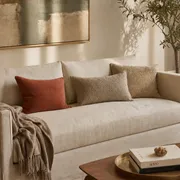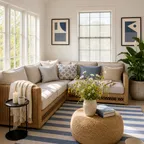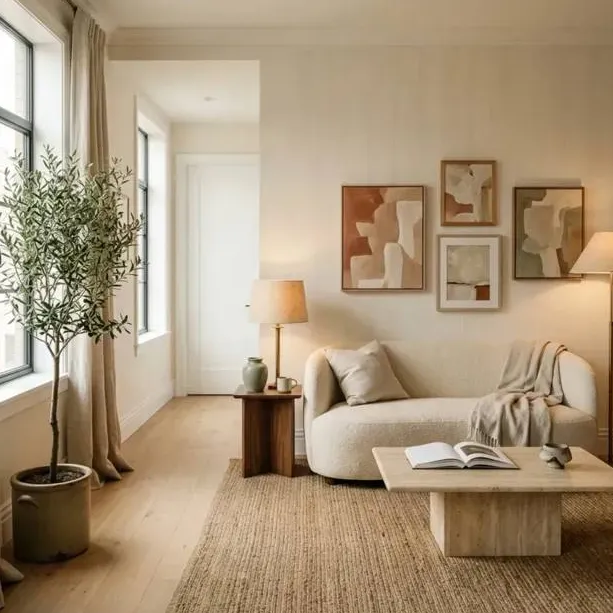
You spent a Saturday in San Francisco finally clearing out the living room. The sagging sofa is going. So is the side table you’ve moved three times, the chair no one actually sits in, and the rug you’ve been trying to make work since your last apartment. You’re not furnishing from scratch. You’re replacing the pieces that made sense five years ago with ones you actually want to live with now.
That’s how you end up with 14 West Elm tabs open.
It’s easy to see why. Few retailers cover this much ground without losing their point of view. Harmony gives you deep, sink-in comfort. Andes has the cleaner architectural profile your room might need. Haven lands somewhere comfortably in the middle. Then there are sleepers, apartment-scale sofas, modular sectionals, leather finishes, performance fabrics, and enough upholstery choices to make a Saturday disappear.
The good news is that West Elm’s range means there’s probably a sofa here for the way you actually live. The trick is knowing which one.
This guide breaks down 10 of the best West Elm sofas and sectionals for 2026, including how they differ in comfort, proportions, durability, and everyday use. The point isn’t to give you more pieces to scroll through. It’s to help you find the West Elm sofa that makes the whole room click.
Key Takeaways
- Harmony is the move for serious lounging. Its soft cushions and deep proportions make it one of West Elm’s strongest choices for movie nights, naps, and relaxed living rooms.
- Andes is the standout for tailored structure. Its cleaner lines, firmer seat, and multiple depth choices make it especially good for smaller rooms, WFH setups, and people who prefer support over sink.
- Haven is the crowd-pleaser. It balances plushness and structure well, especially for families or homes where the sofa has to work for both lounging and conversation.
- West Elm’s real advantage is range. Across one retailer, you can move from cloud-soft to genuinely firm, compact to modular, sleeper to statement sectional, with a deep upholstery library across the collection.
- Performance fabrics are worth prioritizing if kids, pets, wine, or regular entertaining are part of the room.
- Try before you buy when possible. Sofa comfort is personal, and West Elm gives you enough variation in depth and firmness that a showroom visit can quickly separate your favorite from the one that merely photographs well.
Why West Elm Sofas and Sectionals Work So Well in Modern Living Rooms

West Elm has become a default for design-minded shoppers for a reason. The silhouettes feel current without chasing every trend. The color palettes are easy to build around. And within a single collection, there’s enough variation in depth, firmness, upholstery, and configuration to solve very different rooms.
That matters when you’re buying the largest piece in the space.
A sofa isn’t like changing a lamp or swapping pillows. It dictates the room’s circulation, visual weight, seating posture, and usually the palette around it. West Elm gives you enough control to get those decisions right without asking you to commission something completely bespoke.
The lineup falls into a few clear camps:
- Deep loungers: Harmony and Haven
- Tailored, supportive sofas: Andes, Eddy, and Harris
- Balanced everyday pieces: Henry and Marin
- Space-working sleepers: Shelter and Urban
- Large-scale statement seating: Dalton
The other advantage is aesthetic compatibility. A West Elm sofa can sit next to a CB2 coffee table, a Lulu & Georgia rug, a Rejuvenation light, or a vintage chair from Chairish without the room looking like four different catalogs collided.
The Best West Elm Sofas and Sectionals
1. West Elm Harmony Sofa and Modular Sectional
Best for: Movie nights, napping, taller users, deep-seat people
Choose Harmony if you want the sofa to be the place everyone ends up.
This is West Elm’s unapologetically lounge-first sofa. The silhouette stays clean, but the experience is soft, deep, and relaxed. If your ideal Friday night involves dinner on the coffee table and three episodes becoming six, Harmony makes sense.
Key specifications:
- Widths: 66, 76, 82, 92, or 104 inches
- Depth: 41 inches standard, 44 inches extra deep
- Seat depth: 21 inches usable with lumbar pillows
- Fabric options: 145+ choices, including performance and velvet options
- Base: Low plinth profile in wood finishes
The appeal is the contrast between a fairly restrained frame and generous cushions. You get the relaxed feel of a cloud sofa without the entire piece looking like an overstuffed marshmallow.
Harmony also works particularly well as a modular sectional. In a large living room, that gives you enough mass to properly anchor the space instead of leaving the sofa floating awkwardly in the middle.
The bottom line: If lounging is the brief, Harmony is the strongest place to start in the West Elm lineup.
2. West Elm Andes Sofa and Sectional
Best for: Clean-lined rooms, WFH setups, smaller spaces, firmer-seat people
Andes is the sofa for someone who looks at Harmony and thinks, beautiful, but more structure would work better.
The lines are tighter. The legs are higher. The cushions are firmer. Visually, it takes up less space than a similarly sized deep-seat sofa because more floor stays visible underneath it.
That makes Andes especially good in city apartments where every inch has to behave.
Key specifications:
- Widths: 60, 77, 86, or 96 inches
- Depth: 34 inches standard or 39 inches deep
- Seat depth: 21 inches standard or 25 inches deep
- Seat height: 18 inches
- Firmness: 4/5
- Leg clearance: 7.5 inches
- Fabric options: 140+ upholstery choices
The two depth choices are the detail that makes Andes unusually useful. A 34-inch sofa can feel noticeably easier in a 10-foot living room than a 40-plus-inch deep model. If there’s room and more lounge is the goal, the deeper version gives you that without changing the overall design language.
The raised frame is another win. Visible floor keeps the piece visually light, and a robot vacuum can actually get underneath it.
The bottom line: Andes is one of West Elm’s best all-around designs. It looks sharp, scales well, and gives you more control over depth than most sofas at this level.
3. West Elm Haven Sofa and Sectional
Best for: Families, movie watchers, everyday living rooms
Haven sits right between Harmony’s full lounge and Andes’ tailored support.
That middle ground is exactly why it works.
The seat still feels generous, but you don’t disappear into it. The removable back and arm pillows also make it easy to change how you use the sofa depending on whether you’re hosting friends, reading, or horizontal by 8:30 p.m.
Key specifications:
- Widths: Roughly 60 to 108 inches depending on configuration
- Seat depth: 24.5 inches
- Firmness: 3/5
- Key feature: Movable back and arm cushions
- Available in performance upholstery options
The long bench-style seat gives Haven a relaxed look without introducing lots of visual seams. In a family room, that makes the entire sofa feel calmer, even when the room itself isn’t.
Performance upholstery is the sensible choice here. Haven is exactly the sort of sofa people actually live on, so pick the fabric accordingly.
The bottom line: Haven is probably the safest West Elm recommendation for a household with mixed opinions about softness. Plush enough to lounge, structured enough to live with every day.
West Elm Leather Sofas: When Leather Is the Better Choice
West Elm offers leather across several sofa families, which makes it easier to get the same silhouette in a material that changes the whole mood of the room.
A leather Andes, for example, reads sharper and more architectural than its fabric counterpart. Leather on a deeper silhouette can push a room in a richer, more collected direction.
A few things are worth knowing:
- Top-grain leather generally develops character beautifully with use.
- Distressed finishes are especially forgiving because natural variation becomes part of the look.
- Aniline-style leathers tend to show more patina and variation, which is ideal if the piece should look better rather than untouched over time.
- Leather has more visual weight than pale linen or bouclé, so balance it with lighter rugs, open-leg tables, or softer textiles if the room starts feeling heavy.
If you love the depth of leather but want something easier to maintain, a dark performance velvet can create a similarly rich anchor with a softer hand.
The strongest move is to let leather be one of the room’s hero materials. Avoid surrounding it with three more brown leather pieces. Contrast will make it look better.
The Best West Elm Sectional for Your Room Size
Small Living Rooms
Start with Andes or Eddy.
Both have cleaner profiles and visible legs, which keep more floor in view. That matters in tight rooms.
Andes can go as narrow as 60 inches, and its 34-inch standard depth is notably easier to place than a deep lounge sofa. Eddy is similarly compact and structured.
Skip a 44-inch-deep sofa in a genuinely narrow room unless the circulation path has been measured and clearly works. A sofa can be beautiful and still be six inches too much sofa.
Medium Living Rooms
Start with Haven or Henry.
Both have balanced proportions and enough comfort for everyday lounging without becoming the entire room.
Haven is the softer, more casual choice. Henry is cleaner and more upright.
This is the size room where the sofa should anchor the layout without becoming the only thing you see.
Large Living Rooms
Start with Harmony or Dalton.
Big rooms need furniture with enough visual and physical weight to hold them.
A small sofa floating in an open-concept living room usually makes the space feel more awkward, not more spacious. Harmony’s modular configurations solve that beautifully, especially when you can create a proper L-shaped conversation zone.
If you’re working out which furniture fits your apartment, map the sofa footprint on the floor before ordering. Painter’s tape is boring. It’s also cheaper than discovering your chaise lands directly in the walkway.
4. West Elm Urban Sleeper Sectional with Storage Chaise
Best for: Guest-friendly apartments, multipurpose rooms, homes short on storage
Urban is one of the hardest-working pieces in the lineup.
You get daily seating, a pull-out guest bed, and a large storage compartment inside the chaise. That’s a lot of function for one footprint, especially in an apartment where adding a guest bed or linen cabinet separately simply isn’t happening.
Key specifications:
- Dimensions: Around 111 x 88 x 33 inches in a 2-piece configuration
- Bed: Queen pull-out
- Storage: Under-chaise compartment
- Best feature: Seating, sleeping, and storage in one piece
The important design decision here is that the sleeper mechanism stays visually quiet. Urban still reads like a proper sectional first.
Use the storage for the things guests actually need: bedding, extra pillows, blankets. That keeps you from storing guest linens in three different closets and forgetting where the fitted sheet went.
The bottom line: Urban earns its footprint. For a one-bedroom that occasionally becomes a two-bedroom, it’s a very smart piece.
5. West Elm Shelter Sleeper Sofa
Best for: Guest rooms, compact living rooms, occasional overnight visitors
A lot of sleeper sofas look like sleeper sofas even when they’re closed. Shelter doesn’t.
Its clean profile lets it function as a normal contemporary sofa most of the year, with the queen sleeping surface hidden until you actually need it.
Key specifications:
- Closed size: Around 80 x 38 x 31 inches
- Bed: Queen
- Mattress: Gel memory foam
- Sofa feel: Soft to medium
- Mechanism: Designed for straightforward pull-out use
At 80 inches wide, it’s substantial enough to feel like a real sofa but compact enough for a second bedroom, den, or apartment living room.
A mattress topper is still a thoughtful move for longer guest stays. That’s true of almost every sofa bed. For a weekend guest, though, Shelter strikes the balance well.
The bottom line: Pick Shelter when you want the guest-bed function to disappear completely when it’s not being used.
6. West Elm Henry Sofa
Best for: First sofas, shared households, multipurpose living rooms
Henry is easy to underestimate because it doesn’t scream for attention. That’s part of the appeal.
It has a comfortable middle-of-the-road seat, a higher back than many low-profile contemporary sofas, and reversible cushions. In a room where two people want different things from a sofa, Henry is unusually easy to agree on.
Key specifications:
- Widths: 66, 76, 86, or 96 inches
- Depth: 36 or 39 inches
- Seat depth: Around 22 inches
- Back height: Around 33 inches
- Firmness: Medium
- Best feature: Reversible cushions
The taller back deserves attention. Plenty of good-looking contemporary sofas stop so low that your upper back is essentially on its own. Henry gives you more contact and support while keeping the silhouette clean.
The bottom line: Henry is the dependable one. Not boring. Just very hard to regret.
7. West Elm Marin Sofa
Best for: Layered interiors, transitional rooms, people who redecorate around their sofa
Marin makes sense when the room around it needs room to evolve.
The silhouette doesn’t trap you inside a particular trend. It works with a vintage rug now, a cleaner wool rug later, linen curtains, patterned pillows, a sculptural CB2 coffee table, or an old wood side table from Chairish.
Key specifications:
- Widths: 71, 85, or 94 inches
- Depth: Around 38 inches
- Height: Around 30 inches
- Feel: Medium-firm and supportive
- Fabric options: Broad upholstery range
- Notable detail: Soft arm pillows against a more tailored frame
That flexibility matters more than it sounds. A good sofa should be able to survive a new rug.
The bottom line: Marin is one of the easiest West Elm sofas to build a room around because it has enough character to hold its own without dictating everything else.
8. West Elm Harris Sectional
Best for: Busy family rooms, pets, everyday use
Harris is built for the room where sitting nicely isn’t the brief.
Kids climb on it. The dog jumps up. Someone eats takeout on it even after everyone agreed they wouldn’t. This is where firmer cushions and performance upholstery start looking very sensible.
Key specifications:
- Available in sectional configurations
- Feel: Supportive rather than sink-in
- Performance upholstery choices available
- Sleeper configurations available on select versions
A firmer sofa also tends to look tidier between fluffing sessions, which is useful if the room should feel pulled together without rearranging cushions every morning.
Choose a textured performance fabric if the sofa is doing serious family duty. Texture hides everyday marks better than an ultra-flat pale weave.
The bottom line: Harris is for people who want the sofa to look composed even when the household isn’t.
9. West Elm Eddy Sofa
Best for: Compact rooms, upright sitting, laptop-on-the-sofa people
Eddy is the firmest personality in the group.
That makes it one of the best choices if you dislike the feeling of sinking into a sofa or regularly use your living room as a second workspace.
Key specifications:
- Widths: 60, 74, 82, or 94 inches
- Depth: Around 34.5 inches
- Seat depth: Around 20.5 inches
- Feel: Firm
- Leg clearance: Around 7.5 inches
- Available in reversible sectional configurations
The shallow footprint and exposed legs make Eddy especially useful in smaller rooms. Pair it with a softer rug, a wool throw, or an upholstered accent chair to soften the visual crispness.
The bottom line: Eddy proves a compact sofa doesn’t have to feel temporary. Choose it because structure is the priority.
10. West Elm Dalton Sectional
Best for: Large rooms, entertaining spaces, design-forward homes
Dalton is the one to look at when the sofa needs to carry the room.
The proportions are generous, and the overall effect is more polished and substantial than a basic family-room sectional. In a larger living room, that extra presence is useful.
Key specifications:
- Modular configurations available
- Deep seating
- Designed for larger-scale layouts
- Strong visual presence
Deep seats are worth checking in person if you’re shorter or prefer upright posture. That isn’t a flaw. It’s geometry. Add lumbar pillows if the silhouette works but more support is needed behind the back.
The bottom line: Dalton is strongest in rooms that need scale. Give it space and let it be the anchor.
What West Elm Does Particularly Well
The biggest reason to shop West Elm isn’t that every sofa feels the same. It’s the opposite.
A lot of furniture retailers have a house sit. Everything is roughly the same depth, roughly the same firmness, with the visual design doing most of the differentiating.
West Elm gives you more meaningful variation. You can go from the deep, low softness of Harmony to the upright structure of Eddy. You can choose Andes in different depths. You can move into a sleeper without abandoning the design language. You can build a modular sectional for a large house or pick an apartment-scale sofa for a narrow rental.
That range makes it easier to buy for your actual body and room instead of choosing purely from photographs.
A few West Elm strengths worth using
- Strong upholstery choice. The fabric library gives you much more control over how the same sofa reads.
- Performance fabrics across family-friendly silhouettes. This is the practical move if the sofa sees heavy use.
- Multiple depth and width choices. Particularly useful in apartments and awkward living rooms.
- Coherent design language. Easy to mix with CB2, Crate & Barrel, Pottery Barn, Lulu & Georgia, Article, vintage, and pieces you already own.
- Showrooms. Sit testing still beats speculation.
Don’t treat all 140 fabric swatches as 140 decisions. Decide on the room first. Warm or cool. Quiet or statement. Textured or smooth. Then choose from the handful that serve that direction.
How to Choose Between Harmony, Haven, and Andes
These three get compared constantly because they cover the three most common sofa preferences.
Choose Harmony if:
You curl up, nap, watch movies, and want the sofa to feel genuinely indulgent. You have enough floor depth for the frame. You don’t mind a more relaxed cushion look.
Choose Haven if:
You want deep comfort without going fully cloud-soft. Multiple people use the sofa differently. You like being able to move back and arm cushions around.
Choose Andes if:
You sit upright more often than you nap. Your room needs visual lightness. You want a more tailored, architectural silhouette. You care about choosing between a shallow and deeper frame.
If you’re still split, this is one of those decisions where your body knows faster than your browser. Sit on all three.
Which West Elm Fabrics Make the Most Sense?
Fabric is where a very good sofa decision can become a great one.
Performance upholstery makes sense for most high-use living rooms. Not because everyone needs a sofa that can survive a toddler with a marker, but because the living room is rarely a museum.
Choose performance fabric when:
- You have kids or pets.
- You eat or drink on the sofa.
- The sofa is the main everyday seat.
- You’re choosing a pale or medium-light color.
- You entertain often.
Choose velvet when:
- You want more color depth.
- The room needs softness against wood, glass, or metal.
- You like the way fabric changes slightly as light moves across it.
Choose leather when:
- You want patina rather than pristine sameness.
- The sofa is a hero piece in the room.
- You’re building around warmer woods, wool rugs, linen, or aged metal.
Always order swatches. A fabric photographed under studio lighting isn’t the same fabric next to your oak floors at 4 p.m.
When to Buy a West Elm Sofa
West Elm regularly runs promotional periods across the year, so it’s worth checking current offers before purchasing, particularly around major retail weekends and seasonal events.
If you’re working toward a move-in date or a specific room reveal, pay closer attention to the actual delivery estimate than to the sale calendar. Getting the exact sofa you want is more useful than saving on the compromise.
Quick-ship pieces are especially useful when timing matters. Made-to-order upholstery gives you far more control when it doesn’t.
First Chair members can also get insider pricing on most pieces, which makes comparing the final room rather than individual sticker prices easier.
What to Buy Around a West Elm Sofa
A West Elm sofa is a good starting point. The room gets interesting when you stop there.
The mistake is furnishing outward from the sofa by buying the matching coffee table, matching side table, matching media console, and matching everything else.
A cohesive room doesn’t need to match. It needs relationships.
Try this instead:
- West Elm sofa + CB2 coffee table: Good when you want a little more edge or sculptural contrast.
- West Elm sofa + Lulu & Georgia rug: Useful for introducing pattern, softness, or a less catalog-matched look.
- West Elm sofa + Rejuvenation lighting: A strong way to give the room one more architectural layer.
- West Elm sofa + Chairish vintage side table: Instantly makes the room feel more collected.
- West Elm sofa + Crate & Barrel storage: Easy when you need clean-lined, functional supporting pieces.
- West Elm sofa + Article accent chair: Works well for modern rooms that need a second silhouette.
The sofa should be the anchor, not the entire personality.
Why First Chair Makes Choosing a West Elm Sofa Easier
The hard part usually isn’t finding a West Elm sofa you like. It’s knowing whether the sofa you like is the right one once the rug, coffee table, lighting, chair, wall color, and actual dimensions of your room enter the conversation.
First Chair handles that part.
Start with a photo of your space or the room you’ve been saving for six months. First Chair can build a complete concept around the West Elm sofa you’re considering, then pull coordinating pieces across CB2, Crate & Barrel, Pottery Barn, Lulu & Georgia, Article, and brands you might not have looked at yet.
Every piece is real and shoppable. Insider pricing is built in on most pieces. So instead of asking whether Harmony or Andes looks better on a white product page, you can judge the question that actually matters: Which one makes your room better?
Frequently Asked Questions
Are West Elm sofas worth it?
For design-minded shoppers who care about upholstery choice, contemporary silhouettes, and being able to choose meaningfully different depths and comfort levels, West Elm is one of the strongest places to start. The collection is particularly useful because you can compare soft, medium, and firm sofas inside one consistent design universe rather than starting your research from scratch across ten retailers.
Which West Elm sofa is the most comfortable?
Harmony is the strongest choice if your definition of comfort is soft, deep, sink-in lounging. Haven is better if you want plushness with more structure. Andes is the better choice if comfort means support and an upright sitting position. There isn’t one universally most comfortable sofa because seat depth and firmness interact heavily with height and posture.
Which West Elm sofa is best for a small apartment?
Start with Andes or Eddy. Both offer shallower profiles and exposed legs, which keep more floor visible and give tight rooms a lighter feel. Andes is particularly useful because the standard version is only about 34 inches deep while still reading like a proper full-size sofa.
Which West Elm sectional is best for families?
Haven is the easy recommendation for most families because it balances a relaxed seat with enough structure for everyday use. Harris makes more sense if you prefer firmer cushions and want the room to stay looking particularly tidy. For either, prioritize performance upholstery.
Harmony vs. Haven vs. Andes: which should you buy?
Choose Harmony for maximum lounge. Choose Haven for the most balanced everyday comfort. Choose Andes for structure, cleaner lines, and more control over the sofa’s footprint. If the room is tight, Andes gets the advantage. If the living room is primarily for movies, Harmony does. If you’re furnishing for several people with different preferences, Haven is the safest call.
Can West Elm sectionals be customized?
Many West Elm sofa families offer multiple widths, sectional configurations, upholstery choices, and, on selected models, different depths. That flexibility is one of the strongest reasons to shop the collection. You can often keep the silhouette you love while changing the part that actually determines whether it works in your room.
Should you buy a West Elm sofa online or in a showroom?
Do the research online. Make the final comfort call in person if possible. Photos can tell you whether a sofa works aesthetically. They’re much worse at communicating how a 34-inch frame feels compared with a 44-inch one, whether your feet hit the floor comfortably, or whether “soft” means luxurious or unsupported. Go into the showroom with two or three finalists, not fourteen. Sit on them. Pick the one your body stops questioning.