If you've spent the past year renovating your home in Miami or Scottsdale, flipping through Architectural Digest spreads and wondering why your living room still feels like it's missing something, the problem is rarely budget. It's almost always execution. You know the feeling you're after. You just haven't found the specific design logic that creates it.
Cristiano Ronaldo's properties are a useful case study precisely because they're not one-note. Across homes in Portugal, Spain, Italy, Saudi Arabia, and beyond, the same design logic repeats: clean architecture, natural materials used with restraint, wellness spaces treated as primary rooms, and outdoor living that functions as a genuine extension of the interior. His Cascais mansion spans over 5,000 square meters, carries an estimated price tag of roughly 25 million euros, and includes two pools, a private cinema, and a garage for 20 cars. His Madeira mansion, designed by Nini Andrade Silva and valued at approximately $9.7 million, integrates solar panels and rainwater harvesting alongside Italian marble and custom art. None of those principles require a comparable build budget. They require clarity about what you're doing and why.
This guide breaks down the specific design moves that define Ronaldo's properties, explains the principles behind each one, and shows you how to apply them in a real renovation or new build. You'll learn which investments actually move the needle, which mistakes consistently undermine otherwise strong projects, and how to translate celebrity-scale design logic into something you can actually live in.
What you'll learn in this guide:
- The architectural principles behind modern minimalist luxury and how to apply them without a full rebuild
- Where to invest in high-end materials and where engineered alternatives outperform the real thing
- How to design indoor-outdoor continuity that reads as intentional rather than accidental
- Why layered lighting is the single most underinvested element in luxury residential renovation
- How to plan a wellness room that actually gets used
- What smart home integration looks like when it's done right versus piecemeal
- The color and material palette decisions that separate cohesive luxury interiors from expensive-looking clutter
Key Takeaways
- Ronaldo's homes apply modern minimalism through open floor plans, large glazing, and neutral material palettes rather than ornate detailing. The Madeira mansion features clean lines, expansive glass facades, and a seamless blend of indoor and outdoor spaces.
- Strategic material investment in high-impact zones (entry hall, primary bath, kitchen island) delivers a luxury result without overhauling every surface in the home.
- The Cascais property, built between 2022 and 2023, includes Italian marble, rare natural stones, gold bathroom fixtures, and a custom Louis Vuitton mural as focal-point art.
- Wellness rooms and home gyms appear across every major Ronaldo property. His Turin villa includes a private gym and indoor pool; the Cascais property adds a fitness center and two pools. These are primary rooms, not amenity extras.
- Layered lighting (ambient, task, and accent combined) is the most consistently underinvested element in luxury residential renovation and one of the highest-impact changes available.
- Integrated smart home platforms from Control4, Crestron, or Lutron deliver meaningfully different results than piecemeal device accumulation. The critical factor is planning these systems during the design phase, not after finishes are complete.
- Mixing too many distinct materials and relying on single-source overhead lighting are the two most common mistakes that undermine otherwise strong renovation projects.
- Ronaldo's total property portfolio spans properties on three continents, estimated at approximately 80 million pounds, but the underlying design logic scales down cleanly to a realistic renovation scope.
Modern Minimalist Architecture: What Ronaldo's Homes Actually Do
Modern minimalist architecture is a residential design approach that prioritizes simple forms, clean lines, minimal material variety, and uncluttered spatial sequences, typically combined with open plans and generous glazing for natural light and views.
The phrase gets overused in renovation conversations, but Ronaldo's properties demonstrate what it looks like in practice. His Madeira mansion features clean lines, expansive glass facades, and a seamless blend of indoor and outdoor spaces. His Riyadh property follows the same logic: warm neutrals, open layouts, and natural light doing most of the visual work. The architecture doesn't compete with the furnishings. It frames them.
For homeowners planning a renovation or new build, this translates into a few concrete decisions.
Prioritize Flow Before Aesthetics
Effective residential design starts with efficient space planning and logical sequencing of areas. Base Architects identify functionality, flow, natural light, and adaptable open spaces as the core principles of modern residential design. In practice, that means kitchen near dining, quiet bedrooms away from noise, and clear circulation paths throughout.
Before selecting a single finish, map how people will actually move through the space. A beautiful marble entry hall that funnels guests into a narrow corridor defeats the purpose. The sequence of arrival, the transition from entry to living, and the connection between living and outdoor spaces should all feel logical before any material decisions are made.
Use Large Openings to Borrow Light
Floor-to-ceiling windows are the most visible feature of Ronaldo's properties, from the Turin villa's panoramic city views to the Madeira mansion's glass facades. You don't need to rebuild your exterior walls to apply this principle. Larger openings, lighter color schemes, and strategic mirror placement can significantly brighten a space that currently reads as closed-off.
If a full window replacement is in scope, it's one of the highest-return investments in the minimalist luxury toolkit. If it isn't, focus on removing visual clutter from existing window lines and keeping window treatments simple and light. Heavy drapes pulled across large windows negate the architectural intention entirely.
Keep the Silhouette Clean
Minimalism fails when furniture silhouettes fight the architecture. In Ronaldo's homes, furniture tends toward clean profiles, low visual weight, and neutral upholstery. Nothing competes with the architecture for attention. The same principle applies at every scale: fewer pieces doing more work, with silhouettes that don't crowd the room. For practical guidance on furniture for smaller spaces, the logic is identical whether you're working with 800 square feet or 8,000.
Why This Design Approach Matters Now
The shift toward minimalist luxury in high-end residential design is not a passing trend. It reflects a durable change in how affluent homeowners think about their spaces.
Several converging forces explain why this design logic has become the dominant framework for serious renovation projects.
First, the wellness movement has permanently changed how primary rooms are defined. Across Ronaldo's documented properties, dedicated gym and recovery spaces appear consistently, treated with the same planning attention as the primary bedroom. This reflects a broader shift in luxury residential design where wellness facilities are primary rooms, not bonus amenities.
Second, sustainability has moved from a marketing claim to a genuine design constraint. The Madeira mansion integrates solar panels, rainwater harvesting, and energy-efficient appliances alongside its luxury finishes. Combining opulence with sustainability is no longer a contradiction. It's an expectation in high-end residential projects.
Third, smart home technology has matured to the point where integration is a design decision, not a technology decision. Base Architects now identify security and smart systems as core external design principles in contemporary residential architecture, planned alongside lighting, doorways, and structural elements rather than added afterward.
Fourth, the indoor-outdoor boundary has effectively dissolved in luxury residential design. Ronaldo's Riyadh mansion includes an infinity-edge pool, palm-lined gardens, and high security walls that create a private resort environment. The outdoor room is no longer a patio. It's a primary living space that requires the same design rigor as the interior.
Finally, the architectural facts behind Ronaldo's homes consistently point to one underlying principle: luxury is expressed through material quality and considered proportions, not decoration. That principle is accessible at a wide range of budgets when applied with discipline.
Luxury Materials: Where to Spend and Where to Hold Back
The Cascais mansion uses Italian marble, rare natural stones, gold bathroom fixtures, and custom art including a Louis Vuitton mural. The Madeira residence combines marble finishes with eco-friendly elements. These are not random choices. They follow a consistent logic: invest heavily in a small number of high-impact surfaces and let everything else recede.
The Strategic Material Investment Framework
The most transferable lesson from Ronaldo's properties is not "use marble everywhere." It's "choose one main stone, one wood tone, and a neutral palette, then repeat them across rooms for unity." That approach works at a $200,000 renovation budget just as well as it works at $25 million.
Here's how to apply it in practice:
- Identify three to four "touchpoint" surfaces: the kitchen island, the primary bathroom floor and walls, the entry hall floor, and one feature wall in the main living area.
- Allocate your premium material budget to those surfaces only.
- Use durable, well-selected alternatives everywhere else.
- Keep wood tones consistent. One warm oak or walnut tone throughout reads as intentional. Three different wood tones read as accumulated.
Natural Stone vs. Engineered Alternatives
The choice between natural stone and engineered surfaces is not purely aesthetic. Maintenance requirements, durability, and use context all factor into which material actually performs better in a given location.
The table below compares the primary options for homeowners choosing between natural stone and engineered surfaces in high-impact zones.
Surface TypeAesthetic SignalDurabilityMaintenanceBest ApplicationNatural marbleHighest luxury signalModerate (porous)High, sealing requiredPrimary bath, entry hallEngineered quartz (Caesarstone)Very close to marbleHighLowKitchen countertopsUltra-compact surface (Dekton)Clean, modernVery highVery lowOutdoor surfaces, kitchenExotic graniteDistinctive, uniqueHighLow to moderateFeature walls, islandsPorcelain slab (marble-look)Good approximationHighVery lowLarge-format flooring
For primary bathrooms and entry halls where visual impact is the priority and foot traffic is lower, natural marble is a defensible choice. For kitchens and outdoor surfaces, engineered alternatives are the more practical call without a significant aesthetic compromise.
Art and Custom Detailing as Focal Points
Every luxury interior needs at least one piece that stops people. A single large-format artwork, a custom-lit sculpture niche, or a statement light fixture in the entry hall can anchor the entire design without requiring a full custom build. The principle behind Ronaldo's Cascais mural is sound even if the execution is bespoke: the focal point earns its place by being genuinely singular rather than decorative.
For homeowners working through home decor spending decisions, the data consistently shows that affluent buyers prioritize a small number of high-value statement pieces over broad decorative coverage. One piece that stops people is worth more than ten pieces that don't.
Open Floor Plans and Indoor-Outdoor Living
An open floor plan is a layout where major spaces (typically kitchen, dining, and living) are visually and physically connected without full-height partitions, enhancing flow and flexibility. Indoor-outdoor integration extends that logic to terraces, pools, and gardens through sliding glass walls, aligned floor levels, and matching materials across thresholds.
Ronaldo's Riyadh mansion includes an infinity-edge pool, palm-lined gardens, and high security walls that create a private resort environment. His Madeira property achieves the same resort quality at a different scale. The common thread is that outdoor spaces are designed as rooms, not afterthoughts.
Designing the Outdoor Room
Outdoor spaces should serve as functional extensions with privacy and seamless transitions. In practice, that means:
- Aligning interior and exterior flooring materials across the threshold so the eye reads the space as continuous
- Adding a covered outdoor lounge that functions in variable weather, not just on perfect evenings
- Orienting outdoor furniture toward views or a focal point (pool, garden, fireplace) rather than toward the house
- Using perimeter planting or architectural screens for privacy without closing the space down
For homeowners in climates where year-round outdoor living is realistic, this is one of the highest-return investments in the luxury residential toolkit. For those in seasonal climates, a well-designed covered terrace with radiant heating extends the usable season significantly.
Threshold Materials and Visual Continuity
The single most effective way to create indoor-outdoor continuity without a full architectural renovation is to match or closely coordinate the flooring material at the transition point. Large-format porcelain tiles that run from interior to exterior, or a consistent stone that bridges both zones, visually expands the space and signals intentional design. This detail reads immediately to anyone who enters the space, and it costs a fraction of what a structural renovation would require.
Contemporary Lighting Design for Sophisticated Spaces
Layered lighting is the practice of combining ambient, task, and accent lighting within a single space to create depth, functional flexibility, and visual hierarchy. It is one of the most consistently underinvested elements in residential renovation and one of the highest-impact changes available.
Relying solely on overhead fixtures produces flat, uninviting rooms regardless of how good the furniture and materials are. Ronaldo's homes use lighting to highlight architectural features, create warmth in large open spaces, and define zones within open-plan layouts.
The Three-Layer Approach
Every primary room in a luxury interior should include all three lighting layers:
- Ambient lighting: The base layer. Recessed downlights, cove lighting, or a central pendant that provides general illumination without harsh shadows.
- Task lighting: Functional and focused. Under-cabinet lighting in kitchens, reading lamps in living rooms, vanity lighting in bathrooms.
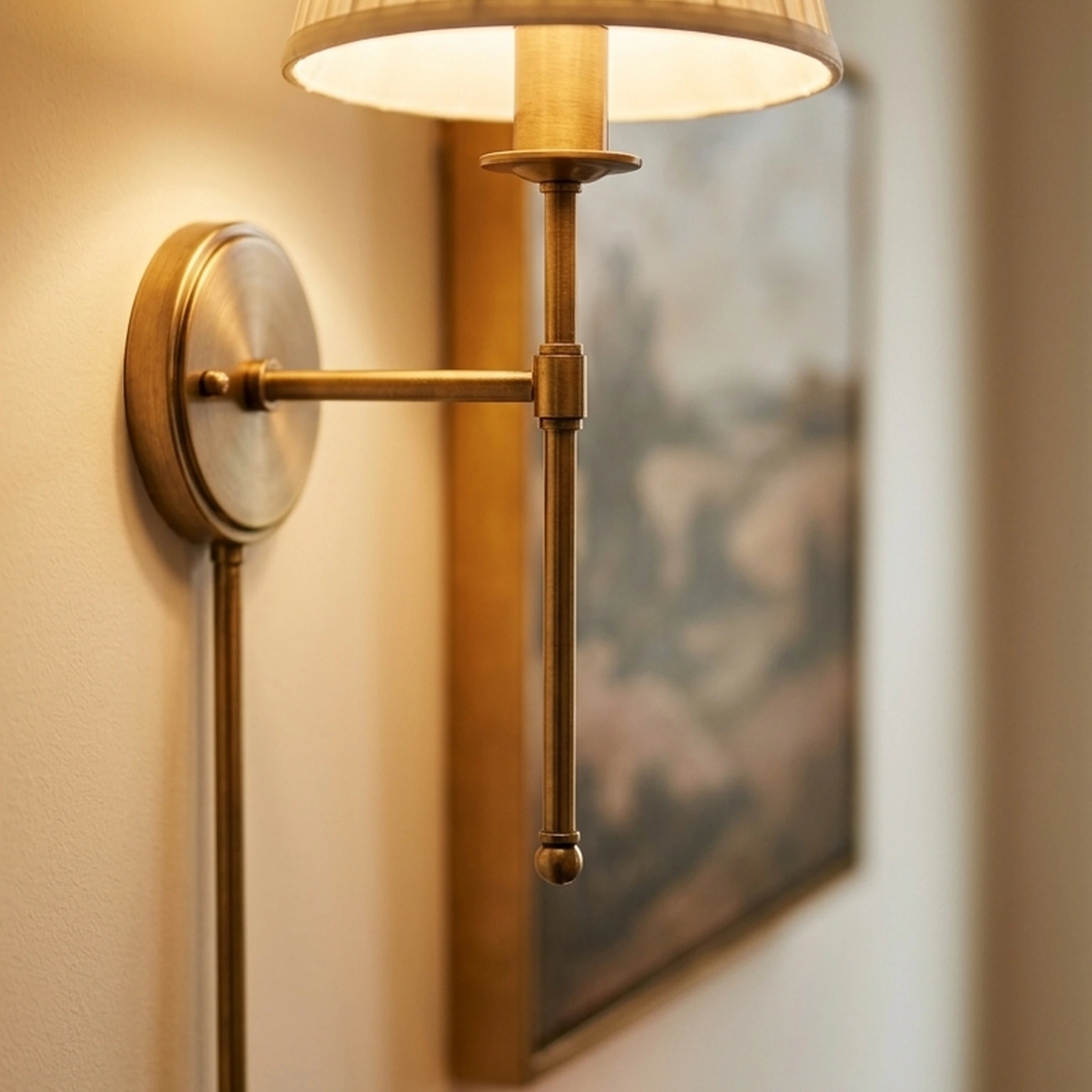
- Accent lighting: The layer that creates drama. Picture lights, niche lighting, landscape uplighting, or a statement chandelier that draws the eye to a focal point.
Brands like FLOS and Louis Poulsen are the standard references for minimalist luxury lighting. Delta Light is widely used in high-end residential architectural lighting. These set the aesthetic benchmark, but the principle matters more than the brand: every primary room needs all three layers.
Lighting as Architecture, Not Afterthought
The most common mistake in renovation projects is treating lighting as a final-stage decision after finishes are complete. Lighting should be planned alongside architecture, particularly for cove details, recessed systems, and any feature that requires structural integration. Changing a lighting plan after walls are closed is expensive and disruptive.
For homeowners using interior design apps to plan spaces before committing, the lighting layout stage is where visualization tools add the most value. Seeing how a room reads under different lighting configurations before construction begins can prevent costly changes later.
Gym and Wellness Room Design
Across Ronaldo's properties, dedicated wellness spaces appear consistently: a fully equipped gym and recreation spaces in the Madeira mansion, a private gym and indoor pool in the Turin villa, and a fitness center alongside two pools in the Cascais property. This is not incidental. It reflects a broader shift in luxury residential design where wellness facilities are treated as primary rooms, not bonus amenities.
Planning a Home Gym That Actually Gets Used
The most common failure in home gym design is treating it as leftover space. A gym that feels like a converted storage room will not be used consistently. The design principles that apply to every other room in the house apply here: natural light where possible, adequate ceiling height (at least nine feet), proper ventilation, and a clear focal point, typically a mirror wall or a view.
For equipment, Technogym is the standard reference in luxury athlete residences. Rogue Fitness provides durable strength training equipment that performs at a high level without the premium aesthetic markup. The combination of one or two signature cardio pieces and a well-organized strength area covers most use cases without requiring a commercial-scale footprint.
The Wellness Room as a Multi-Use Space
Not every homeowner needs a dedicated gym. A more practical approach for many renovation projects is a multi-use wellness room that combines a home gym with a sauna, a meditation space, or a recovery area. A 400-square-foot wellness room that includes a compact gym, a sauna, and a recovery lounge is more useful than a 400-square-foot room with only a treadmill and a weight rack. This follows the design principle of flexible, multi-use spaces: rooms that serve dual roles deliver more value per square foot than single-purpose rooms.
Smart Home Technology: Integration Over Addition
Smart home systems are integrated technology platforms for automation and control of lighting, climate, security, audio/video, and shading, typically managed through apps, voice control, or wall panels. Ronaldo's homes integrate these systems as part of the architecture, not as visible add-ons.
The key distinction is between integrated smart home design and piecemeal device accumulation. A home with Control4 or Crestron managing lighting, climate, and security from a single interface feels effortlessly controlled. A home with six different apps for six different devices feels like a technology project that never finished.
Platform Selection for Luxury Residential Projects
The three platforms most commonly specified in high-end residential projects are:
PlatformPrimary StrengthBest ForControl4Whole-home automation (lighting, AV, climate, security)Complex multi-zone propertiesCrestron HomePremium automation with deep customizationUltra-high-end residential and commercialLutronSmart lighting and motorized shadingLighting-focused integration within larger systems
The practical guidance from residential architects is consistent: involve a smart home integrator during concept design, not after finishes are complete. Camera sightlines, wiring runs, and equipment locations are most efficiently resolved when they're part of the architectural plan.
Security as a Design Element
Security is embedded in the architecture of Ronaldo's properties: high perimeter walls in Riyadh, gated access in Turin, controlled entry throughout. Base Architects identify security and safety as a core external design principle in contemporary residential architecture, planned alongside lighting and structural elements rather than added afterward. For most homeowners, the equivalent is a well-designed entry sequence with proper lighting, a gate or secure door system, and a camera network that covers the perimeter without cluttering the facade.
Color Palettes and Neutral Tones in Luxury Interiors
The color strategy across Ronaldo's homes is consistent and deliberate: warm neutrals, natural material tones, and minimal use of strong color. His Riyadh mansion uses warm neutrals and open layouts. The Madeira property uses marble finishes that introduce natural variation without visual noise. The Cascais mansion layers stone, wood, and neutral textiles throughout.
This is not a lack of personality. It's a specific design choice that prioritizes longevity, cohesion, and the ability to layer in personal pieces without the palette fighting back.
The 60/30/10 Rule Applied to Luxury Interiors
The 60/30/10 color rule is a practical framework: 60 percent of the room uses a dominant neutral (walls, large upholstery, flooring), 30 percent uses a secondary tone (cabinetry, rugs, secondary furniture), and 10 percent uses an accent (art, cushions, a single statement piece). In luxury interiors, the dominant 60 percent is almost always a warm neutral: warm white, greige, warm stone, or a soft taupe.
The accent 10 percent is where personality enters. A single piece of bold art, a deep-toned velvet chair, or a sculptural light fixture in a contrasting finish can define the room's character without destabilizing the palette.
What to Avoid in Neutral Palette Design
Neutral palettes fail in two predictable ways. The first is choosing cool neutrals (cool grays, stark whites) in spaces that lack abundant natural light. Cool neutrals in low-light rooms read as clinical rather than calm. Warm neutrals, warm woods, and aged brass or bronze hardware correct this quickly.
The second failure is mixing too many distinct material tones within the neutral range. Three different wood tones, two different stone colors, and a mix of warm and cool metals in the same space creates visual noise even when every individual piece is attractive. Limit the palette to one main stone, one wood tone, and one metal finish, then stay consistent.
For homeowners working through furniture purchase decisions, the palette question is often the one that creates the most paralysis. Committing to a material and color direction early, before shopping for individual pieces, resolves most of the second-guessing. First Chair helps with exactly this: upload your inspiration images, describe the direction you're after, and get real, shoppable recommendations that work together within a defined palette rather than pulling from six different aesthetic directions at once.
Tools and Solutions for Recreating Luxury Interiors
The following categories cover the practical toolkit for homeowners applying these design principles at a realistic scale.
Smart Home and Automation Platforms
Whole-home integration is the standard in high-end residential projects. The three platforms most commonly specified are Control4 (whole-home automation covering lighting, AV, climate, and security), Crestron Home (premium automation with deep customization for complex properties), and Lutron (the industry standard for smart lighting and motorized shading, frequently integrated into both Control4 and Crestron ecosystems). All three support the kind of seamless comfort and security seen across Ronaldo's documented properties.
High-End Surfaces and Stone Suppliers
For homeowners investing in premium surfaces, Cosentino (Silestone and Dekton) delivers engineered stone and ultra-compact surfaces for countertops, floors, and cladding with marble-like aesthetics and higher durability. Antolini supplies Italian natural stone including exotic marbles and granites comparable to those used in the Cascais mansion. Caesarstone offers quartz surfaces widely used in premium kitchens and baths. Selecting feature areas for these materials rather than overhauling every surface delivers a luxury result at a fraction of the full-replacement cost.
Premium Lighting and Architectural Fixtures
FLOS (contemporary Italian lighting suited to minimalist interiors), Louis Poulsen (design-driven fixtures for modern and Scandinavian-influenced spaces), and Delta Light (architectural lighting used in high-end residential projects) represent the benchmark tier for luxury residential lighting. The brand matters less than the layering principle: ambient, task, and accent in every primary room.
Custom Millwork and Cabinetry
Boffi and Poliform (both Italian) represent the benchmark for kitchens, closets, and wall paneling in luxury residential projects. Regional high-end millwork shops can approximate the built-ins seen in Ronaldo's homes at a fraction of ultra-bespoke cost. The key is specifying integrated storage throughout rather than treating it as a secondary consideration.
Fitness and Wellness Equipment
Technogym is the standard reference in luxury athlete residences and high-end home gyms. Rogue Fitness provides durable strength training equipment that performs at a high level without the premium aesthetic markup. Peloton covers connected cardio for homeowners who want a cohesive ecosystem. The combination of one or two signature pieces and well-organized storage covers most use cases without requiring a commercial footprint.
Outdoor Living and Landscaping
Pool builders and landscape architects specializing in infinity-edge pools, covered terraces, and native planting mirror the outdoor environments documented across Ronaldo's Madeira and Riyadh properties. For outdoor furniture, Dedon and Kettal represent the resort-style seating and dining benchmark. The outdoor room deserves the same design budget allocation as the interior rooms it connects to.
Interior Design and Shopping Platforms
Translating a design direction into actual, purchasable pieces is where most renovation projects stall. First Chair bridges inspiration and execution by generating cohesive room concepts using real, in-stock furniture from multiple retailers including West Elm, CB2, Crate and Barrel, and Lulu and Georgia. Upload a photo of a Ronaldo-inspired interior, describe the aesthetic direction you're after (warm minimalism, natural materials, resort-like calm), and receive shoppable recommendations that work together rather than pulling from six different catalogs. The platform includes insider pricing on most pieces, without the promo-code hunt.
Security and Access Control
ADT and Vivint cover the residential security baseline. For high-end projects, specialist integrators that implement cameras, perimeter sensors, and gate controls deliver the privacy-focused design seen in Ronaldo's gated properties. The critical factor is involving the integrator during the design phase, not after construction is complete.
Best Practices for Recreating Luxury Interiors
These practices are drawn from residential architecture guidance and the documented features of Ronaldo's properties. Each one is actionable within a realistic renovation scope.
- Map circulation before selecting finishes. Efficient space planning and logical sequencing of areas is the foundation of effective residential design. Before any material decisions are made, confirm that the sequence of spaces flows logically and that high-traffic paths are at least 36 inches wide.
- Invest in three to four touchpoint surfaces, not everywhere. Allocate premium material budget to the kitchen island, primary bathroom, entry hall floor, and one feature wall. Use well-selected but more affordable finishes everywhere else.
- Plan lighting during the design phase. Cove details, recessed systems, and architectural lighting features require structural integration. Changing a lighting plan after walls are closed is expensive. Ambient, task, and accent layers should be specified before finishes are selected.
- Align interior and exterior flooring at transitions. The single most effective way to create indoor-outdoor continuity is to match or closely coordinate the flooring material at the threshold. This detail reads immediately and costs a fraction of what a structural renovation would require.
- Commit to one stone, one wood tone, one metal finish. Limiting the material palette to three primary elements and repeating them across rooms creates the unity and harmony that defines luxury interiors. Every additional material introduces visual noise.
- Involve a smart home integrator at concept stage. Camera sightlines, wiring runs, and equipment locations are most efficiently resolved when they're part of the architectural plan. Adding technology after finishes are complete costs more and delivers less.
- Design wellness spaces as primary rooms. A home gym or wellness room that feels like leftover space will not be used consistently. Natural light, adequate ceiling height, proper ventilation, and a clear organizational logic are the same requirements as any other primary room.
- Use the 60/30/10 rule as a palette anchor. Sixty percent dominant neutral, 30 percent secondary tone, 10 percent accent. Commit to this framework before shopping for individual pieces, and the second-guessing largely disappears.
Common Mistakes That Undermine Luxury Interiors
Understanding what Ronaldo's homes do well is useful. Understanding what they deliberately avoid is equally important.
Over-Decorating Minimalist Spaces
Overuse of decor and furniture undermines flow and focal points. In Ronaldo-style interiors, the instinct to fill every surface works against the design. Key pieces need room to breathe. A single large sculpture or a carefully chosen art piece works because nothing around it is competing for attention. The consequence of over-decorating is that the room reads as busy rather than considered, regardless of the quality of individual pieces.
Ignoring Circulation Widths
Narrow pathways and poorly placed furniture make even large spaces feel cramped. In open-plan layouts, furniture arrangement determines whether the space reads as generous or congested, regardless of actual square footage. The fix is to plan furniture placement before purchasing, using a scaled floor plan rather than arranging by eye.
Mixing Too Many Materials and Colors
Discordant palettes are one of the most common errors in renovation projects. Unity and harmony require a clear relationship among all elements. Limit the total number of distinct stones, woods, and strong colors. The consequence of mixing too many materials is a space that looks expensive but not intentional, which is the opposite of the effect you're after.
Relying on Single-Source Lighting
Relying solely on overhead fixtures leads to flat, uninviting rooms regardless of how good the furniture and materials are. This is the most fixable mistake on this list: adding floor lamps, table lamps, and accent lighting to an existing room costs relatively little and changes how the space reads entirely.
Treating Outdoor Spaces as Secondary
Failing to design terraces and landscaping in tandem with interior spaces undermines the resort-like quality that defines Ronaldo's properties. The outdoor room deserves the same planning attention as the living room. The consequence of treating it as an afterthought is a home that looks finished from the inside and unfinished from the outside.
Installing Luxury Materials Without Considering Maintenance
Real marble in a kitchen is a commitment. It requires regular sealing, is vulnerable to staining from acidic liquids, and shows wear differently than engineered alternatives. Before specifying any luxury material, evaluate the maintenance requirements honestly. In high-use areas, engineered stone is often the more practical choice without a significant aesthetic compromise.
Adding Smart Devices Piecemeal
Fragmented devices with uncoordinated apps reduce usability and perceived luxury. A home with six different apps for six different devices feels like a technology project that never finished. The fix is to specify an integrated platform during the design phase rather than accumulating standalone devices over time. For more on common home furnishing mistakes and their costs, the data consistently points to decisions made without adequate planning as the primary driver of expensive errors.
Underestimating Storage and Organization
Built-in storage is essential to maintaining a clutter-free aesthetic. Neglecting storage results in visual chaos that contradicts the minimalist luxury seen across Ronaldo's homes. The fix is to specify integrated storage (closets, cabinetry, built-in shelving) as part of the design plan rather than solving for it with freestanding furniture after the fact.
Frequently Asked Questions
What design style defines Cristiano Ronaldo's homes?
Ronaldo's homes consistently apply modern minimalism: open floor plans, clean architectural lines, large glazing for natural light, and neutral material palettes anchored by natural stone and warm wood tones. The aesthetic prioritizes simplicity and spatial flow over ornate detailing, with luxury expressed through material quality and considered proportions rather than decoration.
How can I recreate a luxury home gym without a celebrity budget?
Focus on three elements: adequate ceiling height (at least nine feet), natural light or high-quality artificial lighting, and a clear organizational logic for equipment. Technogym sets the luxury benchmark, but Rogue Fitness delivers comparable performance at a lower price point. A 300 to 400 square foot room with proper ventilation, a mirror wall, and well-organized equipment reads as a serious wellness space regardless of total spend.
What materials are most commonly used in Ronaldo's interior design?
Italian marble, rare natural stones, warm wood tones, and gold or brass fixtures appear across multiple properties. The Cascais mansion uses natural stone and custom millwork throughout. The Madeira mansion combines marble finishes with eco-friendly elements including solar panels and rainwater harvesting. The consistent thread is a limited material palette applied cohesively rather than a wide variety of finishes competing for attention.
Is smart home technology worth the investment in a luxury renovation?
For high-end residential projects, integrated smart home systems from platforms like Control4, Crestron, or Lutron deliver meaningful value in comfort, energy management, and security. The critical factor is integration: systems planned during the design phase are significantly more effective and less expensive than systems added after construction. Piecemeal device accumulation without a unified platform rarely achieves the seamless experience that defines luxury residential technology.
How do I create indoor-outdoor continuity in an existing home?
The most effective single change is aligning flooring materials at the interior-to-exterior transition. Large-format porcelain tiles or a consistent stone that bridges both zones visually expands the space and signals intentional design. Adding a covered outdoor lounge and orienting furniture toward views rather than toward the house reinforces the effect without requiring structural changes.
What is the most common mistake in luxury renovation projects?
Treating lighting as a final-stage decision after finishes are complete is the most consistently costly mistake. Lighting should be planned alongside architecture, particularly for cove details, recessed systems, and any feature that requires structural integration. The second most common mistake is mixing too many distinct materials, which creates visual noise even when every individual piece is attractive.
Conclusion: From Inspiration to a Room You Can Actually Live In
The design logic behind Ronaldo's properties is not mysterious. Clean architecture, a limited material palette applied with discipline, wellness spaces treated as primary rooms, outdoor living designed as a genuine extension of the interior, and lighting that creates depth rather than just illumination. None of those principles require a 25 million euro build budget. They require clarity about what you're doing and why.
The gap between inspiration and execution is where most renovation projects stall. You know the feeling you're after. The challenge is translating that feeling into specific decisions about materials, furniture, lighting, and layout that work together rather than accumulating over time.
If you're ready to move from saved inspiration to a room you can actually build, First Chair turns your reference images and aesthetic direction into cohesive, shoppable room concepts using real furniture from real retailers. No fake renders. No endless tabs. Just the right pieces, working together, at insider pricing.