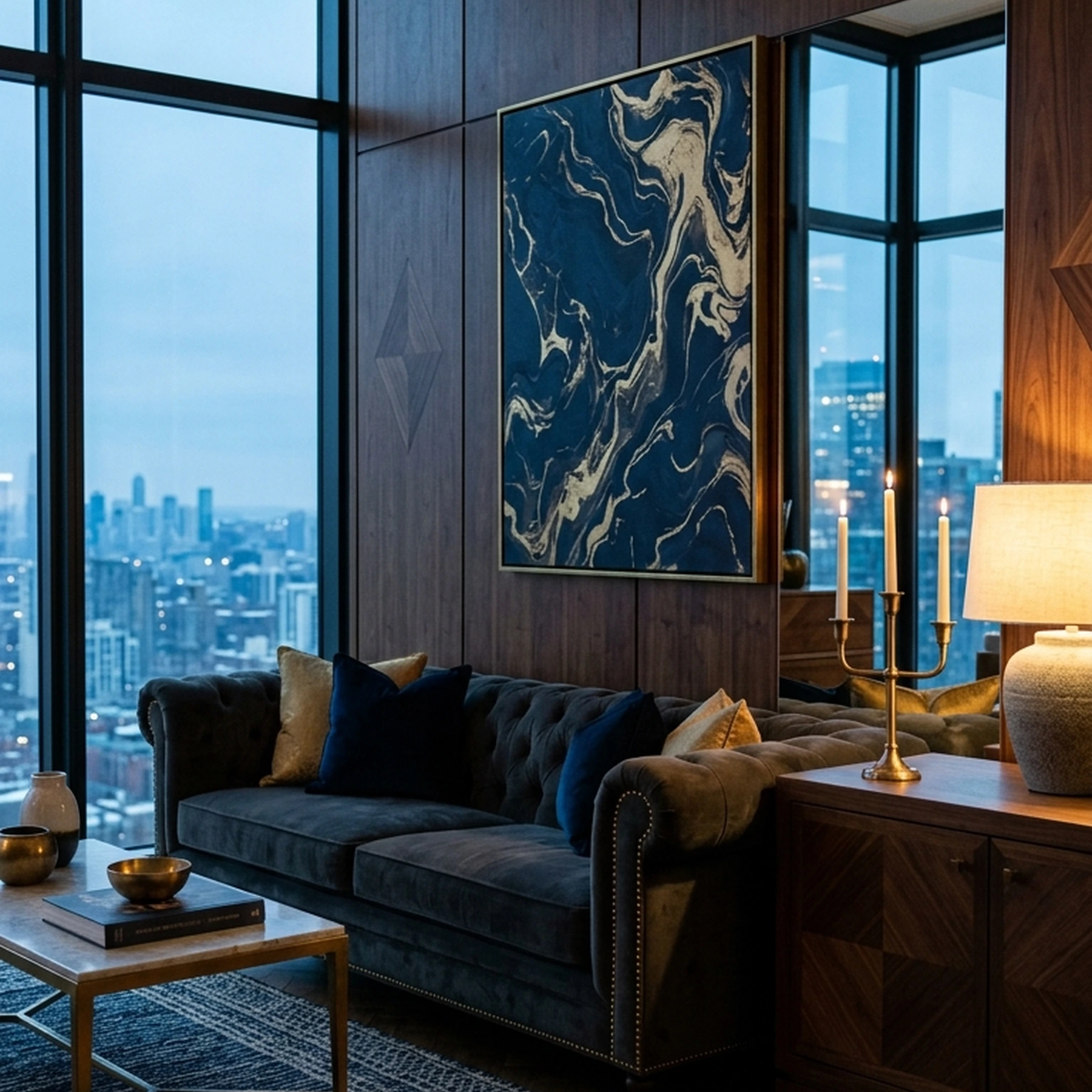

Walk through enough YouTube mansion tours and a pattern starts to emerge. The rooms that stop you mid-scroll are not the ones with the most expensive furniture. They are the ones where the lighting is doing something, where the layout feels intentional, where the open kitchen flows into the living space without feeling like a floor plan someone copied from a catalog. MrBeast has made a career out of touring properties that hit this note, from the $22 million mansion reveals to the $100 million LA mega-properties with rooftop clubs and car elevators. The aesthetic is specific, and it is more replicable than it looks.
The honest version of this guide is not about recreating a nine-figure property. It is about identifying the design decisions that make those spaces feel elevated and translating them into choices you can actually make in a real home, with a real budget, in a city where your apartment has proportions that do not match your Pinterest board. The gap between inspiration and execution is where most design projects stall. This guide is built to close it.
What follows is a room-by-room breakdown of the specific elements that define MrBeast-style interiors, grounded in data from the National Association of Home Builders (NAHB), the National Kitchen and Bath Association (NKBA), the American Society of Interior Designers (ASID), and the Consumer Technology Association (CTA). Each section includes practical adaptation strategies, realistic cost ranges, and the common mistakes that turn a promising renovation into an expensive lesson.
What you will learn in this guide:
- How to adapt an open-concept entertainment layout without structural demolition
- Which smart home devices deliver real value versus novelty
- The highest-ROI kitchen upgrades that read as luxury without a full remodel
- How to design a gaming or content creation room that works on camera and in real life
- The layered lighting system that makes any room feel more expensive
- Color palettes and material choices that hold up over time
- How to build an outdoor entertainment space that actually gets used
Key Takeaways
- Over 70% of buyers prefer a kitchen open to the family room, making open-concept layouts the most validated design investment you can make.
- Smart home device ownership is highest among 25 to 44-year-olds, the same demographic most drawn to creator-style interiors.
- A minor midrange kitchen remodel recoups around 80 to 85% of its cost at resale in many U.S. markets, making the kitchen the highest-ROI room to upgrade first.
- Layered lighting (ambient, task, and accent) is the single fastest way to make a space read as expensive without replacing furniture, according to ASID guidance.
- LED lighting uses at least 75% less energy than incandescent and lasts up to 25 times longer, making smart LED systems both a design and practical upgrade.
- Dedicated media and gaming rooms consistently rank among the most desired specialty spaces for younger buyers, per NAHB's "What Home Buyers Really Want" survey.
- The most durable version of a MrBeast-style aesthetic uses warm neutrals as a base, with bold accent elements (LED strips, media walls, statement pendants) that can be updated without a full renovation.
- Deck and patio upgrades typically deliver 60 to 70% cost recoup at resale, making outdoor entertainment spaces one of the stronger mid-range investments.
What MrBeast-Style Design Actually Is
MrBeast-style design is a specific interior aesthetic: open, tech-forward, entertainment-focused, and visually confident without being fussy. It pulls from modern minimalism, gaming culture, and the kind of spaces you see in high-end short-term rentals. The rooms feel purposeful. Nothing looks accidental.
What separates these spaces from generic luxury interiors is that they are built around use, not display. The living room is designed for watching things together. The kitchen is designed for feeding a crowd. The gaming or content room is designed to look good on camera and feel good to work in for hours.
That function-first logic is the most transferable part of the aesthetic, and it is where most home design goes wrong. People choose finishes before they decide how the room will be used. The result is a space that looks fine in photos but never quite feels right to live in.
For a broader look at how design-conscious homeowners are approaching the inspiration-to-execution problem, the interior design app usage statistics piece on the First Chair blog provides useful context before you start planning.
Why This Aesthetic Is Worth Adapting Right Now
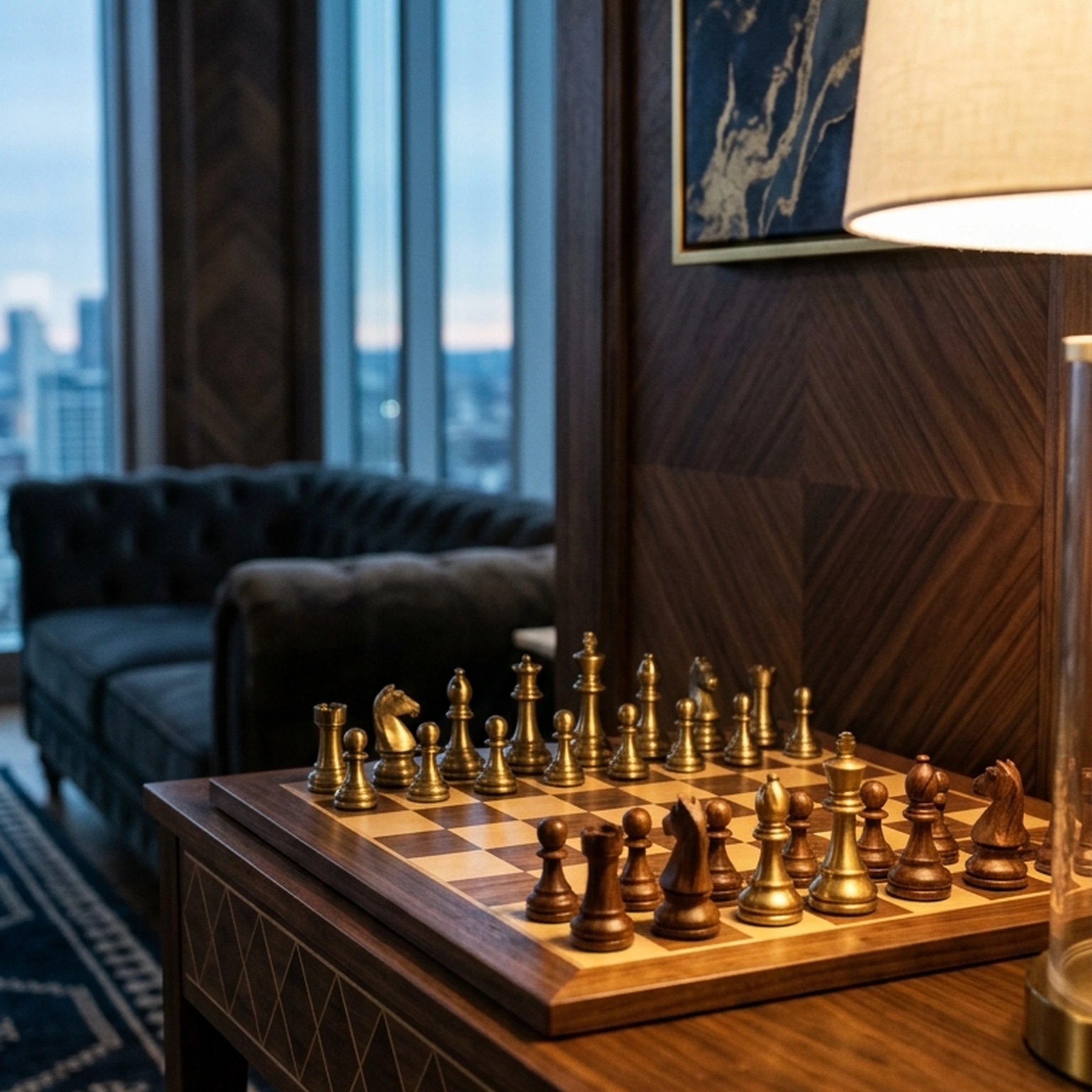
The design elements that define MrBeast-style interiors are not niche preferences. They align almost exactly with what the broader market data says buyers and homeowners actually want.
Open layouts that combine kitchen, dining, and living areas rank among the top "must-have" features in new home construction, with NAHB data showing over 70% of buyers prefer a kitchen open to the family room. This is not a trend driven by YouTube. It reflects a sustained shift in how people want to live and entertain.
The smart home component follows a similar pattern. The global smart home market reached an estimated $260 to $270 billion, driven by connected appliances, security systems, and energy management, according to McKinsey research. Adoption is concentrated in the 25 to 44 age bracket, per CTA data, which is the same demographic most likely to be drawing inspiration from creator-style interiors.
Specialty rooms are moving in the same direction. NAHB's "What Home Buyers Really Want" survey identifies home theater and media rooms as increasingly desired spaces, with interest especially strong among younger, tech-forward buyers. The gaming and content creation room, once a niche, is now a mainstream renovation priority.
The ASID points to warm neutrals, natural materials, and simple forms as the defining elements of contemporary luxury, with emphasis on comfort and wellness over display. This is the palette and sensibility that runs through every well-executed MrBeast-style interior. It is also the palette that ages best and photographs most consistently.
Open Concept Living: The Foundation of an Entertainment-Focused Layout
An open concept floor plan is a layout where walls between main living areas (kitchen, dining, and family room) are minimized or removed to create a single, continuous space that supports entertaining and flexible use. It is the architectural backbone of every MrBeast-style interior, and it is the feature that most directly shapes how a home feels to be in.
How to Adapt an Open Layout Without Demolishing Walls
Full wall removal requires structural assessment and permits. But you can create the feeling of an open concept without touching load-bearing walls. The goal is visual and functional continuity, not necessarily physical openness.
Practical moves that do not require structural work:
- Remove non-structural half-walls or pass-throughs between kitchen and living areas
- Replace solid doors with pocket doors or barn doors that disappear when open
- Use consistent flooring across adjacent rooms to visually connect the spaces
- Keep the color palette continuous from room to room so the eye reads the space as unified
Zoning an Open Space So It Does Not Feel Chaotic
The risk with open layouts is that they become visually noisy. The solution is deliberate zoning: using furniture, rugs, and lighting to define distinct areas within the larger space.
ZoneDefining ElementCommon MistakeLiving areaLarge area rug anchoring the sofa groupingRug too small; floats rather than anchorsDining areaStatement pendant fixture overheadGeneric flush mount that reads as afterthoughtKitchenIsland or peninsula as the social anchorIsland without seating; becomes a barrierTransition zonesConsistent flooring and sightlinesAbrupt material changes that chop the space
Position the sofa with its back to the kitchen to create a clear boundary between the living and cooking areas. Keep traffic paths clear and consistent so the space flows rather than crowds.
For practical guidance on fitting furniture into real apartment proportions, the furniture for small city apartments guide covers scale and layout decisions in detail.
Statement Lighting: The Fastest Way to Make a Room Feel Expensive
Lighting is the most underestimated design element in most homes. It is also the one with the highest visual return per dollar spent. The reason MrBeast-style interiors feel elevated is not always the furniture. It is the way the rooms are lit.
ASID consistently identifies layered lighting as foundational to perceived luxury. The principle is simple: every room needs ambient light (general illumination), task light (functional and directed), and accent light (decorative and atmospheric). Most homes only have the first layer.
The Three-Layer Lighting System
LayerPurposeExamplesAmbientGeneral illumination for the whole roomRecessed cans, flush mounts, ceiling fixturesTaskDirected light for specific activitiesUnder-cabinet LEDs, desk lamps, vanity stripsAccentAtmosphere and visual interestLED strips, picture lights, sconces, pendants
Smart LED Systems: Design and Practical Upgrade Combined
LED lighting uses at least 75% less energy than incandescent and lasts up to 25 times longer, according to U.S. Department of Energy data. This makes smart LED systems both a design upgrade and a practical one.
Philips Hue, Lutron Caséta, and Leviton Decora Smart are the three most reliable entry points for smart lighting. Lutron Caséta is particularly worth noting because it retrofits into standard wiring without rewiring, which matters in older homes and rentals.
For a MrBeast-style effect specifically:
- Install LED strips behind your TV or monitor as bias lighting (reduces eye strain and creates a cinematic glow)
- Add LED strips under kitchen cabinets and along toe kicks for a layered, modern look
- Replace a single overhead fixture in the living room with a statement pendant or cluster of pendants
- Use smart dimmers on all main fixtures so you can shift the room from bright and functional to dim and atmospheric
Smart Home Technology: What Is Worth It and What Is Not
A smart home is a residence equipped with internet-connected devices (appliances, thermostats, lighting, security, and speakers) that can be monitored, controlled remotely, or automated for convenience, security, and energy savings.
The most important finding from CTA research is not about market size. It is about motivation: adoption is highest when smart features solve real problems, specifically security, comfort, and energy savings, not when they add novelty. This is the filter to apply before every smart home purchase.
The Three Categories Worth Prioritizing First
Security and peace of mind. Video doorbells and cameras are among the fastest-growing smart home device categories. Ring and Arlo are the two most widely used systems. Both integrate with major voice assistant ecosystems and require no professional installation.
Climate control. The Google Nest Thermostat and Ecobee Smart Thermostat are the two most reliable options at the consumer level. Properly programmed smart thermostats can save around 8% on heating and cooling costs, according to U.S. EPA data. Over several years, that is a meaningful return on a $150 to $250 device.
Lighting automation. Smart lighting is the most visible upgrade in a MrBeast-style interior and the one that most directly changes how a room feels. Start with one room, build a few scenes (bright for daytime, warm for evening, off for sleep), and expand from there.
Choose One Ecosystem and Stay In It
Fragmented smart home systems are a primary source of user frustration, flagged consistently in both Gartner and CTA research. Buying devices from incompatible ecosystems creates a patchwork that is difficult to manage and unreliable for non-technical household members.
Pick one: Amazon Alexa, Google Home, or Apple HomeKit. Then buy devices certified compatible with that ecosystem. This single decision prevents most smart home headaches.
The home decor market statistics article has useful context on how smart home investment fits into broader renovation spending patterns.
Gaming and Content Creation Rooms: Designing a Space That Works on Camera and in Real Life
A dedicated gaming or content creation room is one of the most desired specialty spaces among younger buyers, according to NAHB's "What Home Buyers Really Want" survey. It is also the room that most directly defines the MrBeast aesthetic in the public imagination.
The design challenge is that these rooms need to work in two ways simultaneously: they need to look good on camera (or on stream), and they need to feel good to spend hours in. Those goals are more compatible than they seem.
The Visual Foundation: Neutral Base, Bold Accents
ASID and Houzz trend data both point to the same principle: warm neutrals and natural materials as a base, with select bold elements as focal points. In a gaming or content room, this translates to:
- Dark or mid-tone walls (charcoal, deep navy, warm black) that reduce glare and create contrast
- A single accent wall with a mural, LED panel grid, or branded element
- LED strip lighting behind the desk, monitor, and shelving for depth and atmosphere
- Clean cable management so the room reads as intentional, not cluttered
Acoustic Treatment Without Looking Like a Recording Studio
ASID's wellness design guidance includes attention to sound control as a component of livable spaces. In a gaming or content room, this matters both for audio quality and for the psychological comfort of the person using the space.
Practical options that do not require professional installation:
- Large area rugs absorb a significant amount of sound reflection
- Bookshelves filled with books and objects are effective diffusers
- Acoustic panels in fabric-wrapped frames can be mounted as wall art
- Heavy curtains on windows reduce both echo and outside noise
Equipment Worth Prioritizing
For content creation specifically, Elgato (owned by Corsair) makes the most widely used capture cards, key lights, and stream decks. A good key light is more impactful than almost any other single purchase for video quality. Logitech and Razer cover peripherals reliably at multiple price points.
Luxury Kitchen Design: The Highest-ROI Room to Upgrade First
The kitchen is where MrBeast-style interiors make their strongest impression, and it is also where renovation investment pays back most reliably. A minor midrange kitchen remodel recoups around 80 to 85% of its cost at resale in many U.S. markets, according to Remodeling Magazine's "Cost vs. Value" data.
NKBA identifies the current leading kitchen aesthetic as "soft modern": clean-lined cabinetry, large islands, statement lighting, and integrated appliances in warm, livable color palettes. This is exactly the kitchen you see in high-end YouTube home tours.
Where to Spend and Where to Save
The most cost-effective kitchen upgrade strategy is to keep existing cabinet boxes and upgrade the visible elements. This approach can transform the look of a kitchen at roughly 30 to 40% of the cost of a full cabinet replacement.
ElementHigh-Impact UpgradeApproximate Cost RangeCabinet doors and hardwareShaker-style doors, matte black or brushed brass pulls$800 to $3,000CountertopsQuartz or porcelain slab$2,500 to $6,000BacksplashLarge-format tile or slab continuation$500 to $2,000LightingPendant fixtures over island, under-cabinet LEDs$300 to $1,500Faucet and sinkMatte black or brushed nickel statement faucet$200 to $600
The Island as the Room's Anchor
NKBA data consistently show that large kitchen islands are among the most desired features in new and renovated kitchens. In a MrBeast-style interior, the island serves as the social center of the open-concept space: it is where people gather, where food is served, and where the kitchen transitions into the living area.
If your kitchen does not have an island, a large butcher block or waterfall-edge island on casters can be added without any structural work. If you have an existing island, upgrading the countertop material and adding pendant lighting above it is the single highest-impact change you can make.
For more on how to approach furniture and layout decisions in a kitchen-adjacent living space, the stop overwhelming yourself with furniture options article is a useful framework.
Home Theater and Media Room Design: Building the Cinematic Experience
A home theater or media room is a dedicated or semi-dedicated space designed for high-quality video and audio, typically including a large display or projector, surround sound, controlled lighting, and comfortable seating.
The MrBeast version of this room is not a traditional home theater with tiered seating and velvet curtains. It is a media-forward living room: a large display or projector wall, a deep sectional or modular sofa, layered lighting that can shift from bright to cinematic, and audio that fills the room without requiring a dedicated AV rack.
Display vs. Projector: The Core Decision
OptionBest ForKey ConsiderationsLarge-format TV (75 to 100 inches)Bright rooms, everyday use, gamingHigher cost per inch; performs better in ambient lightUltra-short-throw projectorCinematic scale on a budget; darker roomsRequires controlled light; needs screen or painted wallStandard throw projectorLargest image at lowest costRequires significant throw distance; ceiling mount preferred
Samsung and LG both make large-format displays with strong gaming and media performance. For projectors, ultra-short-throw models from Epson and LG have become the most practical option for living rooms because they sit close to the wall and do not require a long throw distance.
Audio: The Most Overlooked Element
Sonos is the most widely recommended wireless audio system for home media rooms because it integrates with all major smart home ecosystems and scales from a single soundbar to a full surround setup. Denon and Yamaha AV receivers are the standard choice for wired surround sound systems.
The most common mistake in media room design is treating audio as an afterthought. A $300 soundbar in a well-designed room will outperform a $3,000 TV in a room with poor acoustics and no audio investment.
Color Schemes and Materials: Building the Modern Luxury Palette
White, gray, and wood tones dominate modern kitchen and living room color schemes, with black fixtures and metal accents used for contrast, according to Houzz's U.S. Home Design Trends Study. This is the palette you see in virtually every MrBeast-style interior, and it works because it is both visually calm and easy to layer.
ASID points to warm neutrals, natural materials (wood, stone), and simple forms as the key elements of contemporary luxury, with emphasis on comfort and wellness rather than ostentatious display. The practical implication is that the most durable version of this aesthetic is restrained, with a few bold moves.
The Base Palette
- Walls: warm white, greige, or deep charcoal depending on the room's function
- Floors: wide-plank wood (real or engineered) in a warm or natural tone
- Large furniture: neutral upholstery in linen, boucle, or performance fabric
- Cabinetry: white, warm white, or deep navy with matte hardware
The Accent Layer
This is where the MrBeast-style personality comes through. Keep the base calm, then add:
- Matte black or brushed brass fixtures and hardware throughout
- One statement lighting piece per room (a sculptural pendant, a floor lamp with presence)
- LED accent lighting in media and gaming spaces
- A single piece of large-format art or a gallery wall as a focal point
The advantage of this approach is that the accent layer can be updated without touching the base. If the aesthetic shifts in three years, you change the art, the lighting, and the accessories. The floors, walls, and large furniture remain.
Outdoor Entertainment Spaces: Extending the Interior Logic Outside
Deck and patio upgrades typically deliver 60 to 70% cost recoup at resale, according to Remodeling Magazine's "Cost vs. Value" data. More importantly, a well-designed outdoor space extends the entertainment-focused logic of the interior to the outside, which is exactly what MrBeast-style properties do.
The key principle from NAHB and ASID is to design outdoor spaces for actual use, not just visual impression. This means accounting for shade, weather protection, lighting, and storage from the start.
Materials That Last
- Composite decking (Trex, TimberTech) requires minimal maintenance and holds up in most climates
- Porcelain pavers are durable, frost-resistant, and available in large-format sizes that read as high-end
- Powder-coated aluminum furniture resists rust and UV damage without the weight of steel
Outdoor Lighting That Works
The same layered lighting logic applies outside. String lights provide ambient warmth. Recessed deck lights or path lights handle safety and wayfinding. Uplighting on trees or architectural features adds drama. Smart outdoor lighting from Philips Hue and Ring integrates with your existing ecosystem without requiring a separate app or hub.
Tools and Solutions: What to Use at Each Stage
The following categories cover the practical toolkit for a MrBeast-style renovation, from planning through execution. Vendor examples are drawn from widely-used practitioner sources.
Design and Space Planning
Before buying anything, plan the layout. Consumer-friendly tools like RoomSketcher and Home Designer handle floorplans and basic 3D visualization. SketchUp is the step up for more detailed spatial modeling. For professional-grade work, Autodesk AutoCAD LT is the industry standard.
First Chair approaches the planning problem differently: upload a photo of a room you love (a YouTube tour, a hotel lobby, a Pinterest save), describe the aesthetic direction you are going for, and the platform generates a cohesive room concept using real, in-stock furniture and decor from actual retailers including West Elm, CB2, Crate and Barrel, Pottery Barn, and Lulu and Georgia. Every recommendation is a piece you can actually buy, with insider pricing built in. No fake renders. No furniture that does not exist. If you have been saving MrBeast-style interiors for months and still have not committed to a single purchase, that is the problem First Chair solves.
Smart Home Platforms and Ecosystems
PlatformBest IntegrationEntry DeviceAmazon AlexaRing, Philips Hue, EcobeeEcho Dot or Echo ShowGoogle HomeNest, Chromecast, compatible lightingNest Mini or Nest HubApple HomeKitLutron, August, EveHomePod Mini
Pick one and stay in it. Mixing ecosystems is the most common smart home mistake.
Smart Lighting and Electrical
Philips Hue offers the widest range of smart bulbs, LED strips, and fixtures with scene control. Lutron Caséta is the most reliable smart dimmer system for retrofit installations. Leviton Decora Smart covers switches, dimmers, and outlets at a lower price point with broad ecosystem compatibility.
Smart Climate and Energy
Google Nest Thermostat and Ecobee Smart Thermostat are the two most reliable consumer options. Both integrate with major ecosystems and include remote control via smartphone. Sense and Emporia offer home energy monitoring for circuit-level tracking if you want visibility into where power is actually going.
Security and Access
Ring covers video doorbells, cameras, and basic security systems with strong Alexa integration. Arlo offers standalone battery-powered cameras and floodlight cams for indoor and outdoor monitoring without a subscription requirement for basic features. August and Yale cover smart locks and access control.
Audio and Video
Sonos is the standard for wireless whole-home audio. Denon and Yamaha AV receivers handle wired surround sound. For displays, Samsung and LG make the most widely used large-format TVs with gaming-optimized modes. For projectors, Epson and LG ultra-short-throw models are the most practical for living rooms.
Gaming and Content Creation
Elgato (Corsair) makes the most widely used capture cards, key lights, and stream decks for creators. Logitech and Razer cover peripherals at multiple price points. For visually striking PC builds, NZXT and Corsair cases with integrated RGB are the standard choice.
Statement Lighting and Fixtures
Visual Comfort and Tech Lighting carry contemporary statement fixtures at the mid-to-upper price tier. West Elm and CB2 offer design-oriented options at more accessible price points. For budget-conscious projects, IKEA's lighting range covers basic modern fixtures that work well as secondary or accent pieces.
Best Practices for Executing a MrBeast-Style Interior
These recommendations are drawn from NAHB, NKBA, ASID, and Remodeling Magazine guidance, not invented.
- Start with function and zoning before aesthetics. Decide how each space will be used (entertaining, gaming, content creation, family time) and plan the layout around that use before choosing any finishes. A room that looks right but does not work right will always feel off.
- Invest in kitchens, baths, and lighting first. These three categories deliver the highest ROI and the most visible luxury impact. Quality surfaces, good lighting, and upgraded hardware read as expensive even when cabinetry and layout remain basic.
- Use smart home tech for real problems, not novelty. Prioritize smart thermostats, smart lighting, and security devices before niche gadgets. These categories deliver consistent satisfaction because they solve daily problems.
- Layer lighting in every room. Ambient, task, and accent lighting are not optional in a space that is meant to feel elevated. In gaming and content rooms, add bias lighting behind screens and dimmable overheads for both aesthetics and eye comfort.
- Plan acoustics and cable management before the room is finished. Route cables via concealed raceways, wall plates, or furniture. Use area rugs, soft furnishings, and acoustic panels to manage sound. A visually clean room with good acoustics feels dramatically more intentional than a cluttered one.
- Design flexible multi-use spaces rather than hyper-specific rooms. Use modular furniture, movable partitions, and neutral base finishes with easily swappable themed decor. This protects resale value and gives the room a longer useful life.
- Balance bold statement elements with a calm base palette. Keep walls and large furniture neutral, then express personality through LED accent lighting, media walls, murals, or branded decor that can be changed without a full renovation.
- Align outdoor entertainment features with local climate and maintenance capacity. Choose durable materials (composites, porcelain pavers) and plan for shade, lighting, and storage from the start. Outdoor spaces that are not actually used are expensive visual features, not functional investments.
Common Mistakes to Avoid
1. Over-automating without a system plan. Buying a patchwork of smart devices that do not work together creates a fragmented experience that is difficult for non-technical household members to use. Fix: choose one primary ecosystem before purchasing any devices.
2. Prioritizing the "wow factor" over livability. A media wall that dominates a small room, or a kitchen island that blocks traffic flow, looks impressive in photos and frustrating in daily life. Fix: test every major design decision against how the room will actually be used.
3. Under-investing in audio. The most common media room mistake is spending heavily on a display and almost nothing on sound. A well-designed room with a modest soundbar will outperform an expensive TV in a room with no acoustic consideration. Fix: allocate at least 20 to 25% of the media room budget to audio.
4. Choosing trendy finishes over durable ones. Matte black hardware, ultra-thin furniture legs, and high-gloss surfaces all photograph well and wear poorly. Fix: use trend-forward elements in the accent layer (lighting, hardware, decor) and durable, neutral materials in the base layer (floors, large furniture, cabinetry).
5. Skipping the lighting plan. Installing a single overhead fixture and calling it done is the fastest way to make a room feel flat and generic. Fix: plan ambient, task, and accent lighting before finalizing any other design decisions.
6. Buying furniture before confirming scale. A sectional that looks proportional in a showroom can overwhelm a real apartment living room. Fix: tape out furniture dimensions on the floor before purchasing. This single step prevents the most expensive mistakes. The furniture purchase decision time statistics article covers how long this process typically takes and where people get stuck.
7. Designing outdoor spaces for appearance rather than use. A beautiful patio with no shade, no storage, and no weather protection will not be used. Fix: plan for function first (shade structure, storage, weather protection), then choose materials and finishes.
8. Treating the gaming or content room as a separate aesthetic from the rest of the home. A room with RGB lighting and gaming gear that clashes with every other space in the home reads as unfinished rather than intentional. Fix: carry the base palette (warm neutrals, consistent hardware finishes) into the gaming room and use the accent layer to express the specific personality of the space.
How First Chair Helps You Execute This Without Starting Over
The hardest part of recreating a MrBeast-style interior is not knowing what you want. It is translating that visual reference into specific, buyable pieces that work together in your actual space, at your actual budget.
First Chair is built for exactly this problem. Upload a photo of a room you love, describe the aesthetic direction you are going for, and the platform generates a cohesive room concept using real, in-stock furniture and decor from actual retailers. The platform pulls across West Elm, CB2, Crate and Barrel, Pottery Barn, and Lulu and Georgia, which matters when the right room rarely comes from a single catalog.
You can read more about how the platform approaches the inspiration-to-execution gap in the tools for decorating a new apartment guide.
Frequently Asked Questions
What design style is MrBeast's house?
MrBeast's personal home in Greenville, North Carolina is relatively modest compared to the mansions featured in his videos. The aesthetic in those featured properties leans toward modern luxury: open layouts, large-format surfaces, statement lighting, integrated technology, and entertainment-focused spaces. It draws from contemporary minimalism with bold accent elements rather than any single named style category.
How much does it cost to recreate a MrBeast-style living room?
A realistic budget for a MrBeast-inspired living room (new sofa, statement lighting, media wall setup, smart lighting, and accent decor) typically falls between $5,000 and $15,000 depending on the size of the space and the quality tier of the pieces. The highest-impact investments are the display or projector, the lighting, and one anchor furniture piece such as a sectional or large sofa.
What smart home devices are worth buying first?
Start with a smart thermostat (Google Nest or Ecobee), smart lighting in the main living areas (Philips Hue or Lutron Caséta), and a video doorbell (Ring or Arlo). These three categories deliver the most consistent satisfaction because they solve real daily problems: comfort, atmosphere, and security. Add additional devices within the same ecosystem as your budget allows.
What is the best way to make a room look like a luxury home on a budget?
Layered lighting is the single highest-return change you can make. Replace a single overhead fixture with a statement pendant, add LED strips behind your TV and under kitchen cabinets, and install smart dimmers on your main fixtures. This three-step lighting upgrade changes how a room reads more than any furniture purchase at the same budget level.
Do you need to remove walls to get an open-concept feel?
No. Visual continuity can be achieved without structural work by using consistent flooring across adjacent rooms, replacing solid doors with pocket or barn doors, removing non-structural half-walls, and keeping a continuous color palette from room to room. The goal is for the eye to read the space as unified, which does not require physical openness in every case.
What is the most common mistake in a gaming room design?
Poor cable management and inconsistent lighting are the two most common issues. A gaming room with visible cable runs and a single overhead light will always look unfinished, regardless of the equipment quality. Concealed cable raceways, LED strips behind the desk and monitor, and dimmable overhead lighting are the three changes that most reliably make a gaming room look intentional.
Conclusion: From Inspiration to a Room You Can Actually Live In
The design decisions that make MrBeast-style interiors feel elevated are not complicated. They are consistent. Open layouts that support how people actually want to live. Layered lighting that shifts the room from functional to atmospheric. A kitchen that reads as luxury through surface upgrades rather than full replacement. Smart home technology that solves real problems. A base palette that is calm enough to last and an accent layer that is bold enough to feel personal.
None of this requires a nine-figure budget. It requires making the right decisions in the right order, and committing to them with enough confidence to stop second-guessing every purchase.
If you have been saving rooms like this for months and still have not pulled the trigger on a single piece, the problem is not taste. The problem is execution. Start with your room on First Chair and turn the inspiration you have already collected into a cohesive, buyable room plan built around furniture that actually exists.