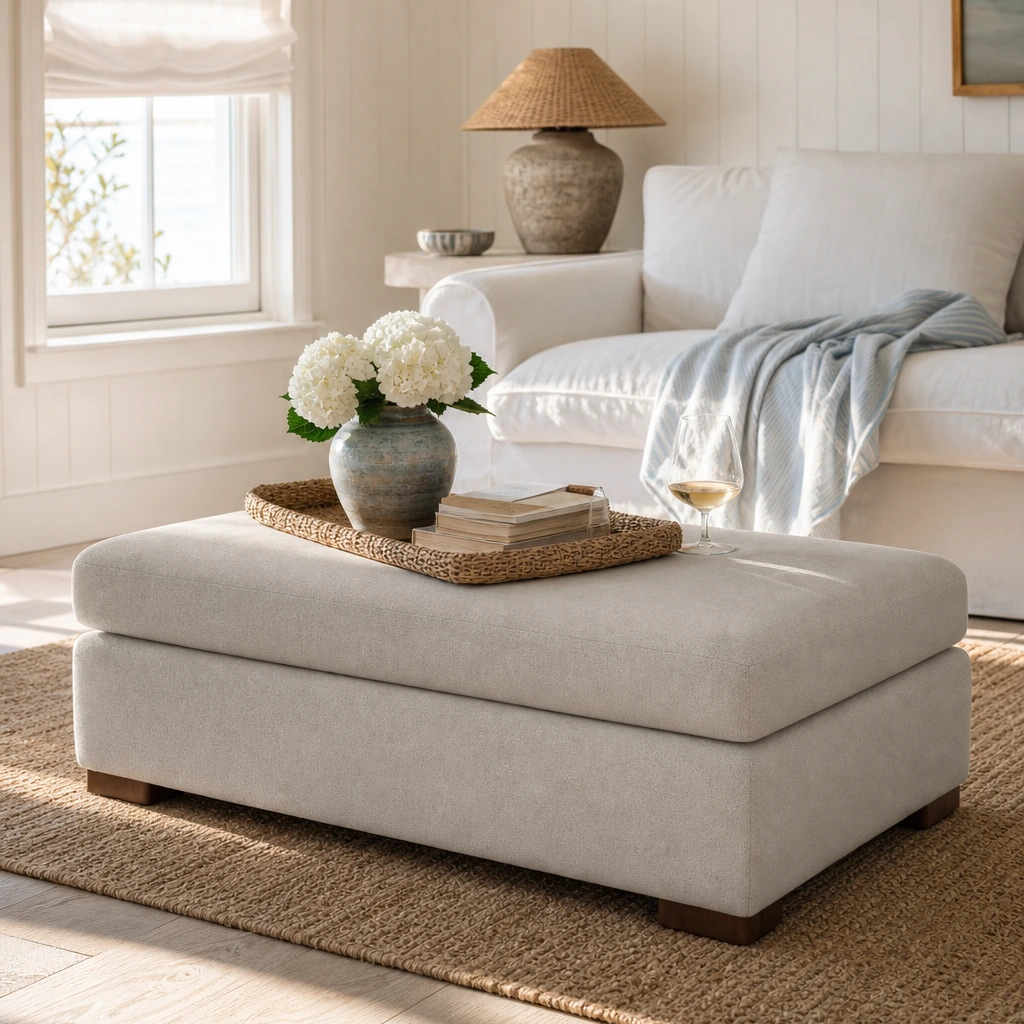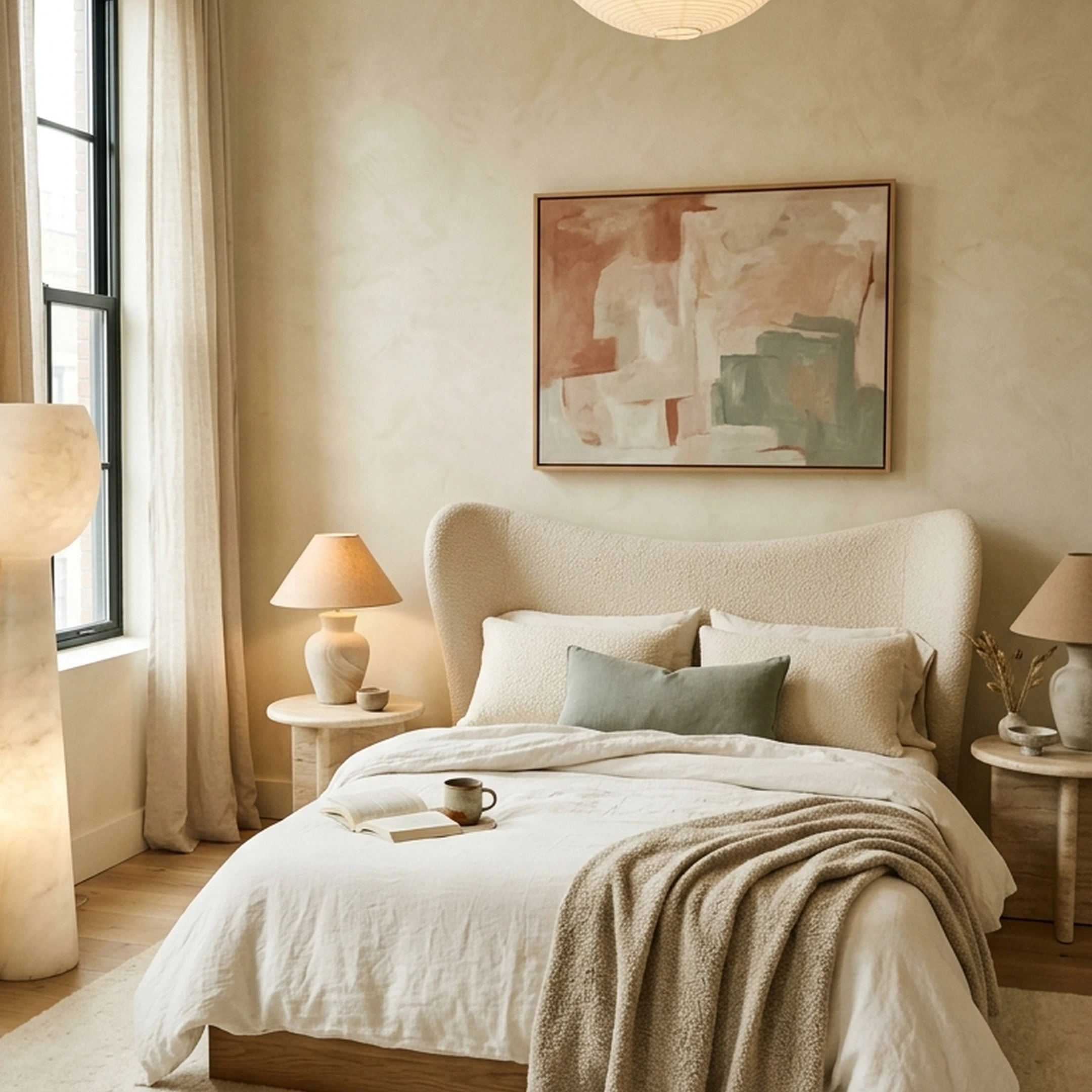

You signed the lease on your Austin one-bedroom three months ago. The walls are still bare. The IKEA couch from your last place looks wrong against the warm brick, and the coffee table you've been eyeing sits in 14 different browser tabs because you can't decide if the walnut finish actually matches anything else you own.
You uploaded your living room photo to RoomGPT last weekend, got a gorgeous mid-century render back in 30 seconds, and now you're searching "curved sofa cream bouclé" across six different retailers trying to find something that looks even remotely like the fantasy furniture in that image.
This is the exact moment where RoomGPT alternatives start making sense. Not because RoomGPT did anything wrong. It showed you what your room could feel like. The problem is what happens next.
Key Takeaways
- For Actual Room Furnishing: First Chair is the clear solution. It shows real, shoppable pieces from West Elm, CB2, Article, and Lulu & Georgia that you can order the same day. Every item is real, with actual dimensions and materials.
- RoomGPT generates renders using preset style themes, but the furniture shown is AI-generated and cannot be purchased. The typical post-render furniture hunting adds significant research time before you can buy anything.
- First Chair works when you know your style and need a cohesive concept with pieces you can actually commit to. RoomGPT works for quick aesthetic exploration when you're still deciding on a direction.
- RoomGPT is ideal for exploring design ideas quickly, but it stops at inspiration. First Chair continues the process by helping you furnish the room with real, purchasable furniture.
- The biggest difference is what happens after the render. RoomGPT leaves you to source similar pieces yourself, while First Chair provides a direct path from room concept to checkout with furniture that already works together.
The 30-Second Render That Takes Weeks to Finish

RoomGPT does one thing extremely well: speed. Upload a photo of your room, pick from about 20 preset style themes, and you'll have a transformed visualization in under a minute.
The renders look polished. The lighting feels right. The furniture arrangement makes sense. For pure inspiration, it's genuinely useful.
The challenge shows up when you try to act on what you see.
The Furniture Doesn't Exist
That sculptural side table in your render? It doesn't exist. The linen sectional with the perfect depth-to-arm ratio? Also not real.
Every sofa, rug, and lamp in a RoomGPT visualization is AI-generated. You're looking at furniture that was invented for that specific image and will never appear in any retailer's catalog.
What Happens Next
This creates what I'd call the inspiration gap. You now have a clear picture of what you want your room to feel like, but zero direction on how to actually get there.
The typical next step involves:
- Opening a dozen retailer tabs
- Searching vague terms like "low profile walnut coffee table"
- Spending hours trying to recreate something that was never designed to be recreated
- Still not knowing if pieces will work together
RoomGPT has processed millions of rooms since launching. That's a lot of people who got beautiful renders and then had to figure out the shopping part entirely on their own.
Where First Chair Picks Up
First Chair solves a different problem. Instead of showing you a fantasy version of your room, it shows you a version built entirely from furniture you can order today.
How It Works
Upload an inspiration photo. This could be your actual room, a cafe interior you saved, or a hotel lobby that's been sitting in your Pinterest board for six months.
Describe the direction you want. Not just "modern" or "Scandinavian," but the nuanced version: mid-century modern with walnut tones and warm leather accents, or Scandinavian with softer textiles and deeper seats than the typical showroom setup.
First Chair interprets that and returns a cohesive concept using real pieces from West Elm, CB2, Crate & Barrel, Pottery Barn, Article, and Lulu & Georgia.
Everything is Real and Shoppable
Every sofa, every rug, every lamp comes with actual dimensions, materials, and a link to purchase. The shift matters because furniture shopping research consistently shows that decision fatigue creates the main barrier to finishing a room.
It's not that people lack taste. It's that sorting through 200 sofas to find the right one feels impossible, so the room stays unfinished for another three months.
First Chair narrows that field. Instead of 200 sofas, you see three that actually work together with the rug, the coffee table, and the lighting already considered as a set.
RoomGPT Features
1. Preset Style Themes
RoomGPT offers about 20 preset themes like "Modern," "Minimalist," or "Tropical." You select from these broad categories without custom text input.
The system generates a render based on that general aesthetic direction. There's no option to describe specific materials, proportions, or subtle style variations.
2. Rapid Render Generation
Upload a room photo and get a transformed visualization in 15-30 seconds. The speed is genuinely impressive for testing multiple aesthetic directions quickly.
The renders look polished with consistent lighting and thoughtful furniture placement. For pure visual inspiration, the output quality is strong.
3. AI-Generated Furniture
Every piece in your render is created by AI specifically for that image. The furniture looks realistic but doesn't exist in any catalog.
This means unlimited creative freedom in the visualization, but zero shopping guidance afterward. You're viewing an idealized concept with no path to purchase.
4. Flexible Room Alterations
RoomGPT sometimes modifies your room's architecture to optimize the visual. Windows may move, walls might shift, doors can change position.
This creates beautiful images but may not reflect the actual constraints of your space. The 84-inch sofa that looks perfect in the render might not fit your real doorway.
First Chair Features
1. Nuanced Style Interpretation
Describe exactly what you want in natural language. "Warm minimalism with natural oak, performance fabrics, and visible-leg furniture" works perfectly.
The system understands subtle distinctions like "Japandi with deeper seats and warmer lighting than typical Pinterest versions." You're not limited to broad preset categories.
2. Real Retailer Inventory
Every piece comes from actual furniture retailers: West Elm, CB2, Crate & Barrel, Pottery Barn, Article, and Lulu & Georgia.
Each item includes dimensions, materials, construction details, and a direct purchase link. You can order the exact sofa shown, not search for something similar.
3. Cohesive Concept Design
Pieces are selected to work together as a complete room set. The sofa, rug, coffee table, and lighting are chosen with each other in mind.
This eliminates the guesswork of whether items from different retailers will clash. The concept holds together visually because it was designed as a unified space.
4. Architectural Accuracy
Your room's constraints are preserved. If you have a narrow doorway, a specific window placement, or limited square footage, recommendations reflect that reality.
The pieces suggested will actually fit in your space and work with your room's existing architecture. No surprise "this won't fit" moments during delivery.
The Experience, Side by Side
Starting Point
- RoomGPT: Upload a room photo and select from preset themes. The options are straightforward but limited to broad aesthetic categories.
- First Chair: Upload your photo and write a detailed description of what you're after. The system handles nuanced style language and specific material preferences.
The Output
- RoomGPT: A beautiful rendered image with AI-generated furniture. The visualization is polished and inspiring, but it's a concept image rather than a shopping guide.
- First Chair: A shoppable room concept where every piece is tagged with its retailer, dimensions, and materials. The concept is designed as a set with pieces selected to work together.
What Happens After
This is where the experiences diverge completely.
After RoomGPT: You're on your own. The furniture hunting begins as you search for real items that approximate the AI-generated pieces. Some people never finish. The render sits in their camera roll while the actual room stays the same.
After First Chair: You can purchase immediately. The pieces exist, the links work, the dimensions are accurate. If you like what you see, you can have furniture ordered within an hour.
When First Chair Makes Sense
First Chair is the practical solution for actual room furnishing:
You're Ready to Furnish
The lease is signed. The closing happened. You need furniture in the next one to three months, not aspirational images for someday. First Chair gives you actionable options you can order now.
You Want Cohesion
Piecing together furniture from six different renders and 12 different retailer tabs rarely produces an intentional-feeling room. First Chair concepts are built as complete sets where pieces work together by design.
Your Time Matters
Hours of furniture hunting have a real cost, whether you measure it in opportunity, stress, or the months your apartment stays unfinished while you "research." First Chair eliminates that hunting phase entirely.
You Have Specific Taste
If you know you want Scandinavian with warmer wood tones than typical blonde oak, or mid-century with rounded silhouettes and lived-in leather, First Chair's interpretation handles nuanced descriptions. Preset themes don't.
You Want to Stop Overwhelming Yourself
First Chair curates deliberately. Three sofas instead of 200. One cohesive concept instead of 47 browser tabs and mounting decision paralysis.
The Furniture Quality Question
RoomGPT doesn't have a furniture quality question because there's no furniture to evaluate. The pieces in your render are AI-generated images, not products with construction specs or material details.
With First Chair, You Can Research Before Buying
Every piece comes from actual retailer inventory. That means you can investigate the specific Article sofa or CB2 coffee table before purchasing.
You can:
- Read verified customer feedback
- Check frame construction and material quality
- Confirm performance fabrics hold up to pets
- Verify dimensions work for your space
- Review return policies and warranties
Only Available Pieces Appear
First Chair recommendations reflect real-world availability. If that perfect walnut credenza is backordered until October, it won't show up in your concept.
The system doesn't invent furniture that matches your aesthetic perfectly but happens not to exist. Everything shown is orderable.
The Honest Tradeoff
RoomGPT wins on exploration speed. Thirty seconds for a polished room visualization is genuinely impressive. If you want to see your room in a dozen different styles before committing to a direction, that speed has value.
First Chair wins on completion. Every piece is real. The concept holds together. The shopping is done. You can go from "I want my room to feel like this" to "I just ordered the sofa" in a single session.
The tools address different stages. RoomGPT answers "What could my room look like?" First Chair answers "What should I buy to make my room look like that?"
Why First Chair
First Chair exists for the moment after inspiration. You already know what you like. You've saved the Pinterest boards, screenshot the hotel lobbies, bookmarked the Apartment Therapy tours.
The taste is there. What's missing is the confidence to commit and the time to turn all that saved inspiration into a room you can actually live in.
First Chair Handles Both
Real pieces from West Elm, CB2, Crate & Barrel, Article, and Lulu & Georgia. Cohesive concepts where the sofa, rug, and lighting were selected to work together.
And a finished room instead of 47 open tabs and a living room that still looks temporary six months after move-in.
The render is just the beginning. The room is what matters.
Frequently Ask Questions
Can I buy the furniture shown in RoomGPT renders?
No. RoomGPT generates AI-created furniture that doesn't exist in any retailer's inventory. The pieces are designed to look realistic but cannot be purchased. After receiving a RoomGPT render, users typically need to search for similar real furniture on their own.
Which is better for someone furnishing their first apartment?
For actually furnishing a space, First Chair is the practical choice. The concepts include real, purchasable pieces with dimensions and specifications, which helps first-time renters avoid common mistakes like buying a sofa that doesn't fit through the doorway or pieces that clash once they're in the same room.
Can First Chair handle specific style requests?
Yes. Unlike preset theme selections, First Chair interprets nuanced style descriptions. Requests like "warm minimalism with natural oak and visible-leg furniture" or "mid-century modern with deeper seats and warmer leather tones" work because the system matches against real products that fit those specific parameters.
Is RoomGPT free to use?
RoomGPT offers limited free credits for new users. After that, continued use requires additional credits. The free tier is enough to test the tool, but regular exploration requires more.
Can First Chair work with furniture I already own?
Yes. First Chair doesn't require you to replace everything. You can design around existing pieces, whether it's a sofa you love or a dining table you're keeping, and receive recommendations that complement what you already have instead of starting from scratch.
Which tool is better if I struggle with decision fatigue?
First Chair is the better choice if narrowing down options is your biggest challenge. Instead of leaving you to compare hundreds of products across multiple retailers, it presents a cohesive room concept built with real furniture that already works together, making it much easier to move from inspiration to purchase.