
You’re having a garage sale because the house has officially hit its clutter limit. The extra chairs, the side table you never liked, the lamp that followed you through three apartments. It’s all going. But once the driveway clears and the rooms finally have space again, you realize decluttering created a new problem: what should actually stay, and what belongs in the room next?
That’s a good moment for RoomGPT. Upload a photo of the newly cleared space, try a few design directions, and see what the room could look like before you undo all that progress by filling it with the wrong furniture again.
RoomGPT can show you a version of your room in a different style. The longer answer involves understanding what "free" actually means, what you are paying for when you upgrade, and whether the tool solves the problem you actually have. Because generating a pretty render and furnishing a room you can actually live in are two very different jobs. If you are comparing RoomGPT alternatives, the pricing is only part of the equation.
Key Takeaways
- RoomGPT's actual website does not publish clear pricing, so there is no straightforward public pricing page on the RoomGPT site itself. The available pricing information comes from its App Store listing and in-app purchase options rather than from RoomGPT's own website.
- RoomGPT's "free" tier is a single credit that disappears faster than expected, requiring account creation before you can test anything, and most people burn through it on their first render
- Subscription plans range from $5.99/week to $59.99/year according to the App Store, with weekly PRO options starting at $5.99 and premium tiers reaching $39.99/week for PRO Ultra
- The real cost adds up quickly for anyone iterating on design concepts, since there is no edit mode and every regeneration burns another credit, creating what amounts to significant waste for most people
- Commercial usage requires upgraded plans, meaning real estate agents, designers, and anyone using renders for client work cannot legally operate on basic free tiers alone
What Is RoomGPT and How AI Interior Design Generators Work
RoomGPT transforms uploaded room photos into redesigned versions across 60+ preset styles in under 30 seconds. Upload a photo of your living room, select "Modern" or "Bohemian" or "Art Deco," and the tool generates an image showing what that space might look like with different furniture, colors, and finishes. The technology uses ControlNet AI models to preserve basic room geometry while reimagining everything inside it.
The appeal is obvious. Instead of trying to mentally picture how a velvet sofa would look against exposed brick, you get an image. Instead of wondering whether Scandinavian or Industrial fits your layout better, you can see both. The process takes minutes rather than the weeks of mood board assembly and store visits that traditional design planning requires.
What RoomGPT actually does:
- Accepts photos of existing rooms, furnished or empty
- Generates redesigned versions using AI rendering
- Offers 60+ style presets from Minimalist to Tropical to Neoclassic
- Supports custom style descriptions through text prompts
- Delivers results in 10-45 seconds per render
- Works entirely in-browser with no software installation
The limitation sits in what happens next. RoomGPT creates images of rooms filled with furniture that does not exist. The mid-century credenza in your render is not a real product with a price tag and a shipping estimate. The sculptural floor lamp is not available anywhere. The entire image is a concept without a shopping list. For style exploration and gut-check visualization, this works fine. For actually furnishing the room, you are still at square one.
Is RoomGPT Free?
RoomGPT offers one free credit when you create an account. That single credit buys one room render in one style. If you want to see the same room in four different styles, you need four credits. If you want to refine a result that did not quite land, you need another credit. The "free" tier is really a demo, not a usable tool.
The account requirement is worth noting. Unlike some competitors that let you test anonymously, RoomGPT requires email signup or Google/GitHub authentication before you see anything. You cannot upload a photo and evaluate the output quality before committing your contact information.
What the free tier actually includes:
- One room render in one style
- Access to all 60+ style presets for that single render
- Standard resolution output
- No commercial usage rights
- No edit mode or refinement options
The free credit's value works out to roughly the cost of one render on a paid plan. It is enough to understand whether the tool interprets your room correctly and whether the style suggestions align with your taste. It is not enough to actually plan a room.
The most common mistake new users make is selecting multiple styles at once. When you check four style boxes thinking you will compare results, you burn four credits simultaneously. Start with one style until you understand the workflow, especially on your single free credit.
RoomGPT Costs for 2026: Subscriptions and What You Actually Pay
RoomGPT pricing operates on a subscription model with weekly and yearly options. According to Futurepedia and Siteefy, the platform offers multiple tiers designed for different usage levels, from casual homeowners to professional designers.
Subscription Options (via App Store):
The subscription model creates a different dynamic than credit-based pricing. Instead of anxiety about burning individual credits, you get a time-based access window. However, the weekly billing can add up quickly. At $5.99/week, you are looking at approximately $26/month or $312/year on the basic tier, which exceeds the discounted annual plan.
Hidden costs most people miss:
- No edit mode means you cannot fix a 90%-correct render. Wrong wall color? Regenerate. Weird furniture placement? Regenerate. Each iteration takes time even without per-render credit costs.
- Weekly billing compounds fast. What looks like an affordable $5.99 becomes $312 annually if you forget to cancel, significantly more than the yearly plan.
- Commercial rights require upgraded tiers. Using any render in a real estate listing, client presentation, or marketing material without appropriate subscription levels violates terms of service.
- Promotional pricing varies. Discount availability fluctuates, making long-term budget planning unpredictable.
For a homeowner redesigning three rooms with three style variations each, a weekly or monthly subscription makes sense. For a designer showing five clients three rooms each with multiple style directions, the yearly plan at $59.99 (or $49.99 discounted) becomes more economical. However, professionals needing commercial usage rights should verify which tier includes those permissions.
Beyond Renders: Why Shoppable AI Interior Design Matters
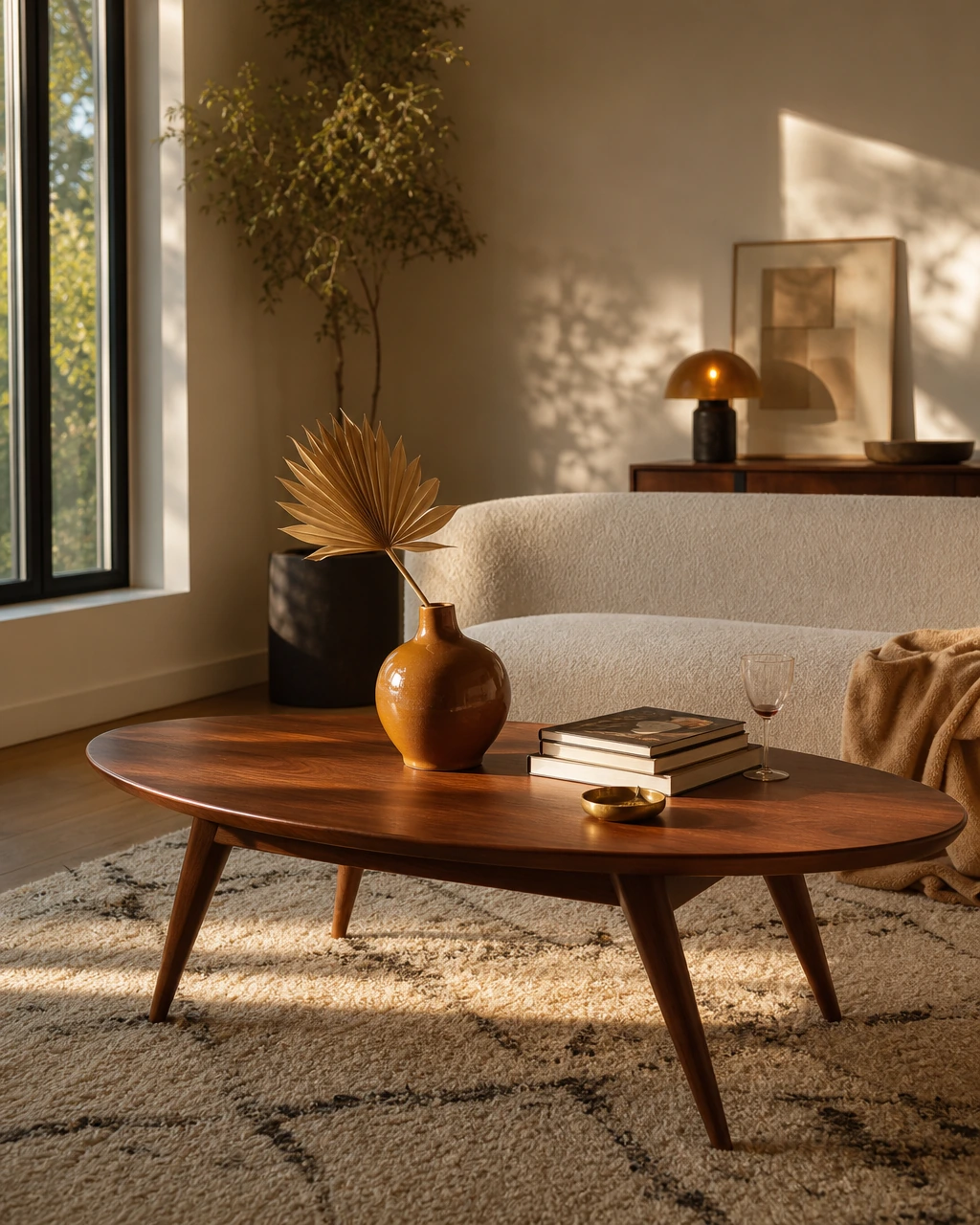
The fundamental problem with AI room generators is what happens after you like an image. You have a render showing a warm, walnut-toned living room with a deep-seat sofa, a sculptural coffee table, and a textured area rug. Beautiful. Now find those pieces.
The sofa in your render is an AI hallucination trained on thousands of furniture images but pointing to no actual product. The coffee table combines design elements from multiple sources into something that looks plausible but cannot be purchased. You are left reverse-engineering the aesthetic, searching retailers for "something like this," and hoping the pieces you find work together the way the render suggested.
This gap between inspiration and execution is where most furnishing projects stall. The room in your head (or your render) looks cohesive. The room you can actually buy looks like a collection of individual pieces that might not harmonize. That West Elm sofa you liked does not quite match the CB2 coffee table you found, and neither works with the Pottery Barn rug you already own.
First Chair: Real Furniture, Cohesive Rooms, Actual Shopping Lists
First Chair takes the opposite approach. Instead of generating fantasy rooms filled with imaginary furniture, it interprets your style direction and generates concepts using real, purchasable pieces from actual retailers.
Upload a photo of your space or an inspiration image from a hotel lobby, cafe, or Pinterest save. Describe what you want using the kind of language you actually think in. "Mid-century modern with walnut tones, warm leather, rounded arms." "Minimalism with weight, fewer pieces, lived-in materials, calm tones." First Chair interprets that direction and assembles room concepts where every piece can be purchased.
The sourcing spans West Elm, CB2, Crate & Barrel, Pottery Barn, Lulu & Georgia, Article, Rejuvenation, and brands you have not encountered yet. No single-retailer lock-in. No inventory pushing. Just the right pieces for the room, pulled from wherever they happen to exist.
This solves the core problem that RoomGPT and similar tools leave untouched. You are not just seeing a styled room but seeing a room you can actually buy, assembled from pieces that work together at scales and price points that make sense for real spaces.
How First Chair Works: From Inspiration Photo to Furnished Room
The workflow starts where most people already are: with images they like and vague aesthetic directions they struggle to articulate. Rather than requiring you to know furniture terminology or brand names, First Chair meets you where your taste already lives.
The typical flow:
- Upload your room or inspiration image. A photo of your actual space, a hotel room you loved, a cafe interior, a Pinterest save. First Chair reads the spatial and stylistic information.
- Describe your direction. Use natural language. "Rustic with refined silhouettes, raw wood, leather, linen in clean lines." "Brutalist with deep leather, wool, and softer lighting." You do not need to know the correct style labels.
- Receive curated room concepts. Not rendered images of fake furniture, but assembled concepts featuring real pieces from real retailers. Sofas with dimensions. Coffee tables with prices. Rugs you can order today.
- Explore and purchase. Click through to see each piece. Understand how they work together. Buy what fits.
The difference shows up in the output. A RoomGPT render gives you a mood. First Chair gives you a shopping list with links, prices, and dimensions. One shows you what could be. The other shows you what you can actually do.
For someone furnishing that Brooklyn one-bedroom, this changes the entire project timeline. Instead of using a render as loose inspiration and then spending weeks hunting for similar-looking pieces, you get specific products that actually exist, at prices you can evaluate, in sizes that either fit your space or do not.
What RoomGPT Cannot Do: Considerations Worth Understanding
Every tool has boundaries. RoomGPT's matter because they determine whether the tool solves your actual problem or just creates a pleasant distraction from it.
- No edit mode. If the AI gets 90% of the render right but puts the wrong rug in or chooses a sofa color you hate, your only option is regenerating the entire image. This creates an entirely new result that might fix your complaint while introducing new ones. Competitors with inpainting and element-level editing let you refine without starting over.
- No product links. The furniture in renders cannot be purchased because it does not exist. You see a concept, not a solution.
- No API access. Businesses cannot integrate RoomGPT into their own platforms or workflows. The open-source version exists for self-hosting but requires developer resources to implement.
- Older AI model. RoomGPT uses ControlNet-based rendering that shows its age compared to 2026 frontier models. Output quality is acceptable but not cutting-edge.
- Room interpretation errors. The AI sometimes misreads room elements. Closet doors become exterior exits. Backlit areas confuse furniture detection. Bookcases disappear. Retaking photos from different angles sometimes helps; sometimes you just accept the creative liberties.
- No empty room staging. RoomGPT redesigns existing furnished rooms. It cannot add furniture to empty spaces. Real estate agents staging vacant listings need different tools.
For a quick style gut check, these limitations are minor annoyances. For someone trying to actually furnish a room, they add up to a tool that cannot complete the job.
RoomGPT vs. Traditional Design Help
The value proposition depends entirely on what problem you are solving and how much iteration you need.
Homeowner scenario: Three-room redesign
Traditional interior designer consultation runs $150-300/hour. Two hours of consultation plus mood boards typically costs $800-1,600 total. RoomGPT's yearly plan at $59.99 handles three rooms with multiple style variations at a fraction of designer costs. The savings are dramatic if visualization is all you need.
But visualization is rarely all you need. The designer consultation includes product recommendations, sourcing, and execution support. RoomGPT gives you images and leaves sourcing to you. The money you saved on consultation might cost more in furniture mistakes when pieces do not work together the way the render suggested.
Designer scenario: Multiple clients monthly
At three rooms per client with multiple style options, a working designer benefits from the yearly subscription model. The $59.99 annual plan provides unlimited access for visualization work, but you are still paying for a tool that generates concepts you cannot directly execute.
First Chair's approach changes this math. Instead of paying for renders and then separately sourcing furniture, you get concepts built from purchasable pieces. The design work and the shopping happen in the same workflow. For someone actually furnishing rooms rather than just visualizing them, this consolidation matters.
Why First Chair for Confident Home Furnishing
The gap First Chair closes is not visualization but execution. Most people furnishing a home do not lack taste. They know what they like. The problem is confidence: Will these pieces actually work together? Will the scale feel right in my space? Am I making a $3,000 mistake?
First Chair functions like a friend with impeccable taste who happens to have access to inventory across dozens of retailers. You bring the inspiration and the vague aesthetic direction. First Chair translates that into specific furniture that works together, at real prices, from brands worth owning.
The sourcing is genuinely neutral. First Chair pulls from West Elm, CB2, Crate & Barrel, Pottery Barn, Lulu & Georgia, and retailers beyond the obvious names. No single-brand lock-in. No inventory pushing. The recommendation is the right piece for your room, wherever it happens to come from.
Insider pricing shows up at checkout on most pieces. You get member savings built into the experience without needing to negotiate trade accounts or hunt for discount codes.
Frequently Asked Questions
How much does RoomGPT cost per room if I want to try multiple styles?
With subscription-based access, you can generate multiple room renders within your subscription period. The weekly PRO plan starts at $5.99/week, allowing multiple generations during that week. For extensive exploration across multiple rooms and styles, the yearly plan at $59.99 provides better value than paying weekly. The complication is iteration. If renders do not land correctly and you want to try different styles or adjustments, you will need time to regenerate within your subscription window.
Can I use RoomGPT renders in my real estate listings or client presentations?
This depends on your subscription tier. Commercial usage rights are typically restricted to higher-tier plans. Using renders from basic free or entry-level subscriptions in any commercial context, including real estate marketing, social media advertising, or client-facing presentations, may violate RoomGPT's terms of service. If your use case involves anything beyond personal reference, verify which subscription tier includes commercial usage rights before proceeding.
What happens if I do not download my RoomGPT result before leaving the page?
The render disappears and cannot be recovered. RoomGPT does not save generated images to your account. Navigate away before downloading and you lose the result permanently. The only fix is regenerating, which requires using your subscription access again. Best practice: download every result immediately after generation, even if you are not sure you will use it. Some people screenshot as backup before attempting downloads.
How does First Chair handle situations where I like my current furniture but need to add pieces?
First Chair interprets your existing space, including furniture you want to keep. Upload a photo of your room showing what is already there, describe what you need to add, and the concepts incorporate your existing pieces into the recommendations. If you love your Article leather sofa but need a coffee table, rug, and lighting that work with it, First Chair sources additions that complement what you already own rather than suggesting a complete replacement.
Is RoomGPT better than hiring an interior designer?
Different tools for different problems. RoomGPT excels at rapid style exploration when you need to see multiple aesthetic directions quickly and affordably. An interior designer provides sourcing, project management, trade pricing, and execution support. RoomGPT costs $60-300 annually where a designer might cost $2,000+, but the designer delivers a finished room while RoomGPT delivers images you then furnish yourself. For straightforward style validation, RoomGPT works. For complex projects, full renovations, or situations where you need someone else to manage execution, professional help still makes sense.
Can First Chair help if I only have a vague sense of what I want?
That is exactly the use case First Chair is built for. Most people know their taste better than they can articulate it. You might not know that what you want is called "Scandinavian with walnut warmth and deeper seats," but you know it when you see it. First Chair accepts inspiration images, rough descriptions, and even contradictory directions ("modern but cozy," "minimal but warm") and interprets them into cohesive concepts. You do not need design vocabulary. You need to know what you like, even if you cannot name it.